
 In echtem Maßstab anzeigen
 Versenden als Grußkarte
 Teilen
 Details anzeigen
 Leitfaden öffnen

 Herunterladen
 Ähnliche Objekte
 Röntgenaufnahme
 Diashow
 Besucherstatistiken
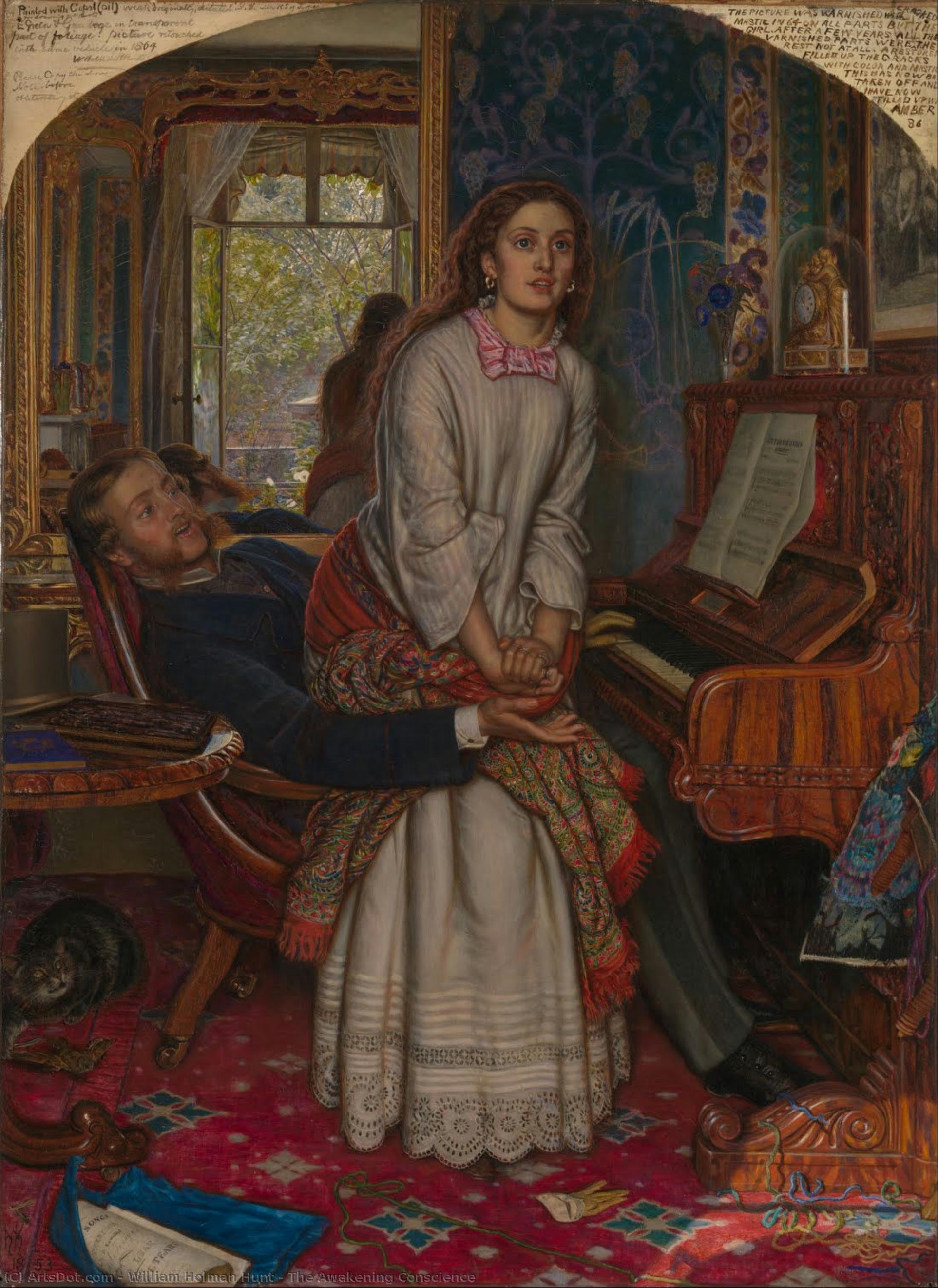
The Awakening Conscience
 Oil On Canvas
- WallArt
- Pre-Raphaelite Brotherhood
 1853
1853 55.0 x 76.0 cm
 Tate Britain
 Mehr anzeigen
Handgefertigte Ölreproduktion
Handgemaltes Ölgemälde auf Leinwand in Ihrer Wunschgröße und mit Rahmen, auf Bestellung von unseren Künstlern angefertigt. ( Zum Druck wechseln Zum digitalen Bild wechseln)




P118B €10

P118H €10

P118W €10

P438Z €10

P508JH €12

P508YH €12

P805H €10

P805Z €10

P919BZ €10

P919G €10

P919XJ €10

P959ZH €10

P968JZ €12

W106C €8

W218G €10

W218JH €8

W218Y €10

W307PJ €10

W316G €10

W316PJ €8

W316Y €10

W398PJ €8

W4111J €10

W500HY €15

W500JH €15

W692G €12

W849H €8

W940BG €15

W953PJ €8




Wählen Sie aus unseren vordefinierten Formaten, die den ursprünglichen Proportionen des Kunstwerks entsprechen.

Geben Sie die Breite und die Höhe an, die Sie für Ihren Rahmen oder Ihre Wand benötigen. Da dieses Werk handgemalt ist, kann der Künstler bei einer anderen Form etwas mehr um das Bild herum malen oder etwas abschneiden – Sie entscheiden. Wir senden Ihnen ein digitales Mockup zur Freigabe, bevor mit dem Malen begonnen wird. Das auf dieser Seite gezeigte Bild stellt nicht das tatsächliche Ergebnis dar – dies tut nur das Mockup.
Nach der Bestellung wird das OriginalUniqueArt.com-Team dem Kunden Anweisungen per E-Mail zusenden und eine Mockup-Vorschau bereitstellen.
Weltweiter Versand () in nur 3 bis 4 Wochen statt der üblichen 5 Wochen. (22 Oktober). Keine Kompromisse bei der Qualität.

Kostenloser weltweiter Expressversand

Hochwertige Leinenleinwand

Vollständiger Versicherungsschutz beim Versand

Zollgebühren-Rückerstattungsgarantie

Garantie für exakte Farbtreue

100-tägiges Rückgaberecht (nur bei Mängeln)

100% Geld-zurück-Garantie

Angebot für Mengenrabatt
 Die Glasoption ist nur für Größen unter 110 cm verfügbar.

The Awakening Conscience
Reproduktionsmedium
Format der Reproduktion
-


Gesamtpreis
€ 262
The Awakening Conscience: A Victorian Portrait of Moral Reckoning
William Holman Hunt’s “The Awakening Conscience,” painted in 1853, isn't merely a depiction of a clandestine rendezvous; it’s a meticulously crafted tableau of moral crisis and spiritual awakening, a profound exploration of Victorian sensibilities. This oil-on-canvas masterpiece transcends the conventions of portraiture, offering a window into the anxieties and aspirations of a society grappling with rapid social change and burgeoning religious introspection. Hunt, a founding member of the Pre-Raphaelite Brotherhood, deliberately eschewed the polished idealism of academic art, instead embracing a radical commitment to realism, symbolism, and emotional truth – qualities powerfully evident in this arresting work.
A Scene of Disquiet: Narrative and Composition
At first glance, the painting presents a seemingly straightforward domestic scene: a woman, identified as a fallen woman, sits in the lap of her lover within a lavishly furnished room. However, Hunt’s genius lies in layering multiple narratives and symbolic elements that quickly unravel this initial impression. The setting itself—a recently decorated apartment filled with new furniture, an elaborate tapestry, and gleaming objects—immediately signals a disruption of established order and a transgression against Victorian ideals of domesticity. The woman's posture, initially relaxed, subtly shifts as she turns her head towards the window, drawing the viewer’s eye to the stark contrast between the interior world of temptation and the promise of redemption represented by the vibrant spring garden visible beyond.
- The Lover: Represents worldly indulgence and a source of moral corruption.
- The Woman: Embodies vulnerability, regret, and the potential for spiritual rebirth.
- The Room: Symbolizes the artificiality and superficiality of a life lived outside of genuine faith.
- The Window: Represents an escape from earthly constraints and a pathway to moral awakening.
Symbolism Woven into Reality: Details of Moral Weight
Hunt’s meticulous attention to detail is paramount, imbuing the painting with layers of symbolic meaning. The discarded items scattered around the room—a broken glove, a top hat, a partially finished tapestry—speak volumes about wasted opportunities and shattered dreams. The clock concealed beneath glass serves as a potent reminder of time slipping away, while the music on the piano – Thomas Moore’s “Oft in the Stilly Night” – echoes the woman's lost innocence and longing for a simpler past. The presence of various objects—bells, marigolds, and a star—further reinforces the painting’s moral weight, suggesting both warning and hope. Notably, the mirror reflects not just the room but also the garden outside, emphasizing the allure of a life beyond earthly constraints.
Pre-Raphaelite Vision: Light, Color, and Emotional Resonance
“The Awakening Conscience” is a quintessential example of Pre-Raphaelite aesthetics. Hunt employed rich, saturated colors—deep indigoes, vibrant reds, and luminous greens—to create an intensely atmospheric effect. The use of light is particularly significant; it streams dramatically through the window, illuminating the woman’s face and casting long shadows across the room, highlighting the contrast between darkness and enlightenment. The painting's meticulous detail, achieved through painstaking brushwork and a commitment to naturalistic representation, reflects the Pre-Raphaelites’ desire to capture the beauty and complexity of the world with unprecedented accuracy. The overall effect is one of heightened emotional intensity, inviting viewers to contemplate the profound questions of morality, redemption, and the human condition.
This painting continues to resonate today as a powerful meditation on personal responsibility, spiritual yearning, and the enduring struggle between earthly desires and moral conscience. Reproductions offer a remarkable opportunity to experience the depth and complexity of Hunt’s vision, bringing this poignant portrait into any space with an appreciation for art's ability to provoke thought and inspire reflection.
Fragen & Antworten
Welche Phase in der Entwicklung von William Holman Hunt repräsentiert "The Awakening Conscience"?
„The Awakening Conscience“ entstammt der Mature Period von William Holman Hunt. Diese Einordnung setzt das Werk in Bezug zur künstlerischen Entwicklung des Künstlers.
Welche Technik wurde für "The Awakening Conscience" von William Holman Hunt verwendet?
Das Medium von "The Awakening Conscience" von William Holman Hunt ist Oil On Canvas. Die Reproduktionen zielen darauf ab, das Erscheinungsbild dieser Technik wiederzugeben.
Welche Emotion vermittelt "The Awakening Conscience" von William Holman Hunt?
"The Awakening Conscience" von William Holman Hunt vermittelt eine Melancholic emotionale Stimmung.
Biografie des Künstlers
Frühes Leben und Karriere
William Holman Hunt, ein bedeutender englischer Maler, wurde am 2. April 1827 in Cheapside, London, geboren. Er ist vor allem bekannt als einer der Gründer der Präraffaelitenbewegung, einer Gruppe, die danach strebte, die Kunst zu beleben, indem sie detaillierte Beobachtungen der Naturwelt betonte.Bemerkenswerte Werke und Stil
Holmans Gemälde zeichnen sich durch ihre Detailgenauigkeit, lebendigen Farben und aufwendige Symbolik aus. Zu seinen bemerkenswertesten Werken gehören:- Das Licht der Welt (1851-1853), jetzt in der Kapelle des Keble College, Oxford, England
- Der pachtweise Hirte (1851), eine Szene des modernen ländlichen Lebens
- Das Erwachen des Gewissens, das seine frühe Erfolgs mit intensiv naturalistischen Szenen zeigt
- Der Sündenbock, Die Auffindung des Erlösers im Tempel und Der Schatten des Todes, gemalt während seiner Reisen ins Heilige Land auf der Suche nach genauen topographischen und ethnographischen Materialien
Persönliches Leben und späte Jahre
Holman Hunt heiratete zweimal, zuerst Fanny Waugh, die Modell für mehrere seiner Werke war, darunter Isabella und der Basilikumtopf. Nach ihrem Tod schuf er ihr ein Denkmal in Fiesole. Seine zweite Frau war Edith, Fannys Schwester, die er aufgrund britischer Gesetze gegen die Heirat einer verstorbenen Ehefrau's Schwester im Ausland heiratete. Holmans späte Jahre waren von nachlassendem Sehvermögen geprägt, was ihn zwang, das Malen aufzugeben. Er vollendete seine letzten großen Werke mit Hilfe seines Assistenten Edward Robert Hughes. Holman Hunt starb am 7. September 1910 und wurde in der St.-Paulus-Kathedrale, London, begraben.Vermächtnis
Holman Hunt veröffentlichte 1905 eine Autobiografie und wurde im selben Jahr vom König Edward VII. zum Mitglied des Order of Merit ernannt. Sein persönliches Leben wurde später in Diana Holman-hunts Buch Mein Großvater, sein Leben und seine Lieben dokumentiert. Sehen Sie sich Williams Holman Hunts Kunstwerke auf OriginalUniqueArt an Wichtige Daten:- 2. April 1827: geboren in Cheapside, London
- 1851-1853: malte Das Licht der Welt
- 7. September 1910: starb und wurde in der St.-Paulus-Kathedrale, London, begraben

William Holman Hunt
1827 - 1910 , Vereinigtes Königreich
Eckdaten zum Künstler
- Beeinflusste Künstler: ['Dante Gabriel Rossetti']
- Bemerkenswerte Werke:
- Das Licht der Welt
- Der Schäferling
- Das Erwachen des Gewissens
- Der Sündenbock
- Die Wiederfindung Jesu im Tempel
- Der Schatten des Todes
- Geburtsdatum: 2. April 1827
- Geburtsort: Cheapside, Vereinigtes Königreich
- Künstlerische Bewegung: Präraffaeliten
- Künstlerische Einflüsse:
- John Everett Millais
- John Ruskin
- Nationalität: Britisch
- Todatum: 7. September 1910
- Vollständiger Name: William Holman Hunt
Verwandte Artikel
Dante Gabriel Rossetti: Die 25 Meisterwerke des Präraffelitismus | OriginalUniqueArt
Entdecken Sie die 25 schönsten Gemälde von Dante Gabriel Rossetti! Tauchen Sie ein in die Welt der Präraffeliten, symbolistischer Kunst & viktorianischer Romantik. Hochwertige Reproduktionen für Ihr Zuhause – jetzt bei OriginalUniqueArt.com!

Sir John Everett Millais: Präraffaelitische Revolution und viktorianische Erzählkunst
Entdecken Sie das Leben und Werk von Sir John Everett Millais, einem Pionier der Präraffaeliten! Detaillierte Analysen seiner Gemälde, Einblicke in die viktorianische Kunstszene und seine bleibende Bedeutung. Jetzt lesen!
The Pre-Raphaelite Brotherhood: Rebellion, Romance & Medieval Revival
Explore the captivating world of the Pre-Raphaelite Brotherhood! Discover their rebellious spirit, iconic masterpieces & lasting influence on art history. Learn about Rossetti, Millais & more.
The Pre-Raphaelite Brotherhood: Reclaiming Beauty, Nature, and Truth in Victorian Art History
Explore the revolutionary Pre-Raphaelite Brotherhood. Discover how these visionary artists rejected academic tradition to reclaim beauty, nature, and truth through luminous detail and literary depth in Victorian art history.

Pre-Raphaelite Romanticism: A Guide to Vivid Detail and Medieval Beauty in Victorian Art
Explore the vivid detail and medieval beauty of Pre-Raphaelite Romanticism. Discover the history of masters like Rossetti and Millais through our expert guide to Victorian art, perfect for collectors and professionals seeking authentic, museum-quality reproductions.


