Textgröße
Holy Cross Abbey - von William Henry Bartlett, Öl auf Leinen, handgemalt

() ·

Ein Gemälde, von Hand für Sie geschaffen

Holy Cross Abbey - (William Henry Bartlett) Ein Ölgemälde, handgemalt nur für Sie

Ölgemälde, handgemalt für Sie

Handgemaltes Ölgemälde auf Leinwand in Ihrer Wunschgröße und mit Rahmen, auf Bestellung von unseren Künstlern angefertigt. ( Ölversion kaufen )

Handgemalt in Öl für Sie ab €222 bei 26 x 38 cm

Holy Cross Abbey - von William Henry Bartlett und das Besondere an diesem Werk

A detailed steel engraving of stone ruins by a river, where a bridge leads the eye toward the quiet, atmospheric arches of the abbey.

William Henry Bartlett: Biografie

Entdecken Sie William Henry Bartlett (1809-1854)! Seine detaillierten Stahlstiche zeigen Großbritannien, Amerika & mehr – eine Reise durch die viktorianische Landschaft.

ab €222 ·

Kapitel 1

Welche Größe soll es haben?

Wischen Sie, um die Größe zu ändern; das Bild auf der linken Seite zeigt den Rahmen in seiner tatsächlichen Breite. Die Proportionen des Originals bleiben erhalten.

Wählen Sie aus unseren vordefinierten Formaten, die den ursprünglichen Proportionen des Kunstwerks entsprechen.

Breite
Höhe

Geben Sie die Breite und die Höhe an, die Sie für Ihren Rahmen oder Ihre Wand benötigen. Da dieses Werk handgemalt ist, kann der Künstler bei einer anderen Form etwas mehr um das Bild herum malen oder etwas abschneiden – Sie entscheiden. Wir senden Ihnen ein digitales Mockup zur Freigabe, bevor mit dem Malen begonnen wird. Das auf dieser Seite gezeigte Bild stellt nicht das tatsächliche Ergebnis dar – dies tut nur das Mockup.

Standardformat
individuell anpassbar
CM
ZOLL

Kapitel 2

Wie soll es geliefert werden?

Wählen Sie die Kanten der Leinwand aus

Wählen Sie Ihren Rahmen

Eckansicht der Kantenverarbeitung der WhiteWrap Leinwand, gespannt auf Massivholz-Leisten
Weißer Rand €1
Eckansicht der Kantenverarbeitung der BlurSideWrap Leinwand, gespannt auf Massivholz-Leisten
verlaufende Kanten €1
Eckansicht der Kantenverarbeitung der ExtendedWrap Leinwand, gespannt auf Massivholz-Leisten
Umrandung €1
Eckansicht des Bilderrahmens P118B: formgepresstes Polystyrol, 5 cm breit und 3 cm tief
P118B €10
Eckansicht des Bilderrahmens P118H: formgepresstes Polystyrol, 5 cm breit und 3 cm tief
P118H €10
Eckansicht des Bilderrahmens P118W: formgepresstes Polystyrol, 5 cm breit und 3 cm tief
P118W €10
Eckansicht des Bilderrahmens P438Z: formgepresstes Polystyrol, 5.5 cm breit und 3.5 cm tief
P438Z €10
Eckansicht des Bilderrahmens P508JH: formgepresstes Polystyrol, 7 cm breit und 3.5 cm tief
P508JH €12
Eckansicht des Bilderrahmens P508YH: formgepresstes Polystyrol, 7 cm breit und 3.5 cm tief
P508YH €12
Eckansicht des Bilderrahmens P805H: formgepresstes Polystyrol, 5 cm breit und 3.5 cm tief
P805H €10
Eckansicht des Bilderrahmens P805Z: formgepresstes Polystyrol, 5 cm breit und 3.5 cm tief
P805Z €10
Eckansicht des Bilderrahmens P919BZ: formgepresstes Polystyrol, 7 cm breit und 3.5 cm tief
P919BZ €10
Eckansicht des Bilderrahmens P919G: formgepresstes Polystyrol, 7 cm breit und 3.5 cm tief
P919G €10
Eckansicht des Bilderrahmens P919XJ: formgepresstes Polystyrol, 7 cm breit und 3.5 cm tief
P919XJ €10
Eckansicht des Bilderrahmens P959ZH: formgepresstes Polystyrol, 5 cm breit und 3 cm tief
P959ZH €10
Eckansicht des Bilderrahmens P968JZ: formgepresstes Polystyrol, 6 cm breit und 4 cm tief
P968JZ €12
Eckansicht des Bilderrahmens W106C: Massivholz, 5 cm breit und 3 cm tief
W106C €8
Eckansicht des Bilderrahmens W218G: Massivholz, 5 cm breit und 3 cm tief
W218G €10
Eckansicht des Bilderrahmens W218JH: Massivholz, 5 cm breit und 3 cm tief
W218JH €8
Eckansicht des Bilderrahmens W218Y: Massivholz, 5 cm breit und 3 cm tief
W218Y €10
Eckansicht des Bilderrahmens W307PJ: Massivholz, 6 cm breit und 3 cm tief
W307PJ €10
Eckansicht des Bilderrahmens W316G: Massivholz, 6 cm breit und 3 cm tief
W316G €10
Eckansicht des Bilderrahmens W316PJ: Massivholz, 6 cm breit und 3 cm tief
W316PJ €8
Eckansicht des Bilderrahmens W316Y: Massivholz, 6 cm breit und 3 cm tief
W316Y €10
Eckansicht des Bilderrahmens W398PJ: Massivholz, 5 cm breit und 3 cm tief
W398PJ €8
Eckansicht des Bilderrahmens W4111J: Massivholz, 6.5 cm breit und 3.5 cm tief
W4111J €10
Eckansicht des Bilderrahmens W500HY: Massivholz, 7 cm breit und 5 cm tief
W500HY €15
Eckansicht des Bilderrahmens W500JH: Massivholz, 7 cm breit und 5 cm tief
W500JH €15
Eckansicht des Bilderrahmens W692G: Massivholz, 8 cm breit und 4 cm tief
W692G €12
Eckansicht des Bilderrahmens W849H: Massivholz, 5 cm breit und 3 cm tief
W849H €8
Eckansicht des Bilderrahmens W940BG: Massivholz, 7.5 cm breit und 4.5 cm tief
W940BG €15
Eckansicht des Bilderrahmens W953PJ: Massivholz, 6 cm breit und 3.5 cm tief
W953PJ €8
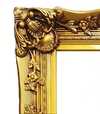
Eckansicht des Bilderrahmens H24-GOLD: geschnitztes Holz mit Gesso, 10 cm breit und 6 cm tief
H24-GOLD €30
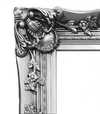
Eckansicht des Bilderrahmens H24-SILVER: geschnitztes Holz mit Gesso, 10 cm breit und 6 cm tief
H24-SILVER €30
Eckansicht des Bilderrahmens H36-GOLD: geschnitztes Holz mit Gesso, 15 cm breit und 6.5 cm tief
H36-GOLD €70
Eckansicht des Bilderrahmens H36-SILVER: geschnitztes Holz mit Gesso, 15 cm breit und 6.5 cm tief
H36-SILVER €70

Profil: . Gesamtgröße mit Rahmen: .

Kapitel 3

Wer malt es, und sollte etwas geändert werden?

Beispiele für Anpassungsmöglichkeiten: Gesicht durch Kundenfoto ersetzen; Haustier hinzufügen (z. B. Katze durch Hund ersetzen); Versteckte Botschaft im Hintergrund einfügen; Hintergrundlandschaft oder Elemente ändern.
Nach der Bestellung wird das Team von OriginalUniqueArt.com den Kunden per E-Mail kontaktieren, um Anweisungen einzuholen und eine Vorschau des Entwurfs bereitzustellen

Kapitel 4

Weltweite Lieferung () in 3/4 Wochen statt der Standardzeit von 4/5 Wochen. (26 Dezember). Keine Kompromisse bei der Qualität.

Der letzte Schliff

Ein Namensschild, wie im Museum?

Details der gravierten Bronzetafel

Diese elegante Plakette zeigt den Namen des Künstlers sowie den Titel des Kunstwerks, fein graviert für eine zeitlose Präsentation.

Sie ist aus Bronze gefertigt und verfügt über ein edles, elegantes Finish. Der Text wird präzise lasergraviert, um ein scharfes und dauerhaftes Ergebnis zu erzielen. Mit den Maßen 9x2 cm ist die Plakette kompakt und dennoch gut lesbar. Sie ist langlebig sowie kratzfest und bietet eine professionelle Optik in Museumsqualität. Die Montage ist dank der mitgelieferten Klebefläche kinderleicht.

Details zur Acrylglas-Plakette (transparent)

Die Plakette enthält wichtige gravierte Details wie den Namen des Künstlers, den Titel des Kunstwerks, das Entstehungsdatum, die verwendete Technik – wie etwa Öl auf Leinwand oder Aquarell –, eine kurze Beschreibung des Werks sowie einen QR-Code, der zu den vollständigen Informationen über das Kunstwerk führt.

Sie ist aus klarem Acryl gefertigt und bietet eine elegante, moderne Optik. Der Text ist schwarz UV-graviert, um einen starken visuellen Kontrast zu gewährleisten. Mit einer Größe von 10x15 cm ist eine optimale Lesbarkeit sichergestellt. Sie wird mit zwei Metallhaken für eine sichere Wandmontage geliefert. Die Plakette ist wetterfest und somit für verschiedene Umgebungen geeignet; zudem verfügt sie über interaktive Funktionen, die sich nahtlos per Smartphone-Scan bedienen lassen.

Details zur schwarzen Acryltafel

Diese elegante Plakette enthält gravierte Informationen wie den Namen des Künstlers, den Titel des Kunstwerks, das Entstehungsdatum, die verwendete Technik (z. B. Öl auf Leinwand oder Aquarell), eine kurze Beschreibung des Werks sowie einen QR-Code für den schnellen Zugriff auf weitere Informationen.

Die Plakette selbst besteht aus hochwertigem, veredeltem schwarzem Acryl mit einem Premium-Finish. Der Text ist weiß lasergraviert, um einen hohen Kontrast und optimale Lesbarkeit zu gewährleisten. Mit einer Größe von 10x15 cm ist sie auf einfache Lesbarkeit ausgelegt. Sie wird mit zwei Metallhaken für eine professionelle Montage geliefert. Das Design ist schlicht gehalten und passt zu jedem Einrichtungsstil. Zudem ist sie wetterfest sowie langlebig und verfügt über eine integrierte digitale Anbindung für mobile Kompatibilität.

Ein Schutzlack?

Bis wann benötigen Sie es?

Kapitel 5

Ihr Gemälde, wie von Ihnen bestellt

Holy Cross Abbey -

Art der Reproduktion

Format der Reproduktion

-

Erstklassige Meisterkünstler

Mehr Detailtiefe, Raffinesse und zusätzliche Produktionszeit

-

Rahmen für Reproduktionen

-

-

Bei Kunstwerken oder Reproduktionen, die an einer Seite größer als 105 cm (ca. 41 Zoll) sind, wird der Rahmen zerlegt als Bausatz geliefert. Diese Methode gewährleistet eine sichere Zustellung und verhindert Schäden während des Transports.

Professionelle Montage erforderlich – dies ist kein DIY-Produkt.
Der Bausatz muss von einem erfahrenen professionellen Rahmenmacher zusammengebaut und die Leinwand gespannt werden. Hierfür werden Holzleim (nicht im Lieferumfang enthalten), eine Leinwandspannzange sowie Klemmen benötigt, um die Keilleisten während des Trocknungsvorgangs rechtwinklig zu halten. Eine unsachgemäße Montage oder eine ungleichmäßige Spannung der Leinwand kann das Kunstwerk dauerhaft beschädigen und ist nicht durch unsere Garantie abgedeckt.

  • Alle Vollholzkomponenten sind enthalten, präzise auf Maß zugeschnitten.

  • Der Zusammenbau erfolgt mit den mitgelieferten Schrauben sowie Holzkleber für die Eckverbindungen, der nicht im Lieferumfang enthalten ist und vom Rahmenbauer selbst beschafft werden muss.

  • Professionelles Werkzeug ist erforderlich und nicht im Lieferumfang enthalten: eine Keilrahmenzange (Spannwerkzeug) sowie Klammern, um die Leisten während der Trocknungszeit des Klebers rechtwinklig zu fixieren.

Wichtiger Hinweis:
Für die Eckverbindungen wird Holzleim benötigt, die Leisten müssen mit Zwingen fixiert werden, bis der Leim vollständig getrocknet ist, und das Spannen der Leinwand auf dem fertigen Rahmen erfordert eine Keilrahmen-Zange. Keines dieser Utensilien ist im Set enthalten. Bitte stellen Sie sicher, dass ein erfahrener Rahmenmacher zur Verfügung steht, bevor Sie diese Größe bestellen.

Beschriftung

-

-

Schutzlackierung

Glanzlack (verstärkt die Farben, schützt vor Licht und Feuchtigkeit)

-

Mein Kunstwerk personalisieren

Beispiele für Anpassungsmöglichkeiten: Gesicht durch Kundenfoto ersetzen; Haustier hinzufügen (z. B. Katze durch Hund ersetzen); Versteckte Nachricht im Hintergrund einfügen; Hintergrundlandschaft oder -elemente ändern.

-

Eilt sehr

Weltweite Lieferung () in 3/4 Wochen statt der Standardzeit von 4/5 Wochen. (26 Dezember). Keine Kompromisse bei der Qualität.

-

Expressversand

Weltweiter Versand () innerhalb von 4–5 Wochen. (2 Januar).

Inklusive Versand

Endpreis

€ 325

Gesamtpreis € 325

Die Glasoption ist nur für Größen unter 110 cm verfügbar.

In jeder Bestellung enthalten

  • Kostenloser weltweiter Expressversand
  • Hochwertige Leinenleinwand
  • Umfassender Versicherungsschutz beim Versand
  • Zollgebühren-Rückerstattungsgarantie
  • Garantie für exakte Farbtreue
  • 100 Tage Rückgaberecht, Geld-zurück-Garantie
  • 100% Geld-zurück-Garantie
  • Mengenrabatt verfügbar

The Depiction of Holy Cross Abbey

In Holy Cross Abbey - by William Henry Bartlett, the viewer finds themselves standing before the weathered remains of a Cistercian monastery. The scene unfolds along the banks of the River Suir, where the water flows quietly past the stone structures. This site, located in Holycross near Thurles, County Tipperary, Ireland, appears through the artist's eyes as a place where nature and architecture have begun to merge. The abbey's ruins rise from the landscape, their pointed arches and heavy masonry catching the light in a way that suggests a long, quiet history of presence and decay.

William Henry Bartlett captures the abbey not as a static monument, but as a living part of the Irish countryside. The river provides a reflective surface for the surrounding trees and the skeletal remains of the monastic buildings. There is a sense of stillness here. The architecture, once a center of religious life, now rests amidst the foliage and the shifting shadows of the riverbank. Every line in the engraving traces the texture of the stone and the movement of the water, grounding the viewer in this specific, tranquil corner of Tipperary.

Composition and Visual Elements

The abbey sits centrally within the frame, its weathered stone architecture anchoring the landscape. To the left, a stone bridge reaches into the scene, its path guiding the eye toward the heart of the ruins. In the foreground, the water rests in a calm, reflective surface that mirrors the sky and the surrounding structures. This liquid plane adds a sense of depth, pulling the viewer toward the architectural remains. On the left side of the image, two figures appear to be resting or observing the view, their presence providing a sense of scale against the massive stone walls.

Trees and dense foliage frame the sides of the view, creating a natural enclosure that focuses all attention on the abbey. The interplay of light and shadow defines the scene, with bright highlights catching the edges of the pointed arches and the ripples on the water. These highlights contrast against deep, dark shadows tucked within the crevices of the masonry and the thickets of the trees. The verticality of the abbey's ruins cuts through the horizontal lines of the bridge and the shoreline, creating a structured tension between the man-made stone and the organic shapes of the natural world.

Technique and Artistic Style

The scene unfolds through the meticulous precision of a fine-line engraving. Every stone in the abbey and every ripple in the water emerges from a web of delicate, intersecting lines. This work belongs to the tradition of 19th-century Romantic landscape art, where the atmosphere carries a heavy sense of drama and history. The artist does not rely on color to convey mood; instead, the entire composition lives within a strict monochromatic realm of gray, black, and white. Deep shadows pool in the recesses of the architecture, while bright, stark whites catch the light on the edges of the ruins and the surface of the river.

Before the steel plate ever met the engraver's tool, the vision began as a sepia wash drawing. These initial sketches captured the subtle nuances of light and shadow, providing a blueprint for the intense detail seen in the final print. The artist then transferred these observations onto steel plates, where the metal was cut with exacting care to translate soft washes into sharp, permanent lines. This transition from the fluid movement of a drawing to the rigid, disciplined nature of steel engraving allows for a clarity that brings the textures of foliage and weathered masonry into sharp relief.

The History of the Abbey Site

The stones of this Cistercian monastery hold memories reaching back to the 1180s, when Dónal Mór Ó Briain founded the site. For centuries, it functioned as a sacred space, drawing pilgrims who sought the presence of a relic of the True Cross. This spiritual life faced a sudden fracture in 1536 during the Henrician Reformation, when the abbey was suppressed. The landscape of power shifted as the lands were granted to Thomas Butler, the 10th Earl of Ormond, in 1561.

As the years pass, the abbey transitioned from a place of active prayer to a site of quiet decay. Following the Cromwellian conquest, the buildings fell into ruins. After 1740, local people began to use these roofless remains as a burial place. The site eventually gained official protection when it became a scheduled national monument in 1880. Despite the long silence of the ruins, the site eventually returned to its original purpose, seeing restoration as a place of Catholic worship in 1969.

Theft and Recovery of Relics

Shadows fall heavily over the site following a sudden robbery on 11 October 2011. The silence of the ruins is broken by the news that two crosses have been stolen. These are no ordinary objects; they carry the weight of history and the presence of the True Cross. The loss leaves a void in the spiritual heart of the abbey, a sudden absence where sacred remnants once rested.

Hope returns as the months pass. In January 2012, the authorities, specifically An Garda Siochána, successfully locate the missing items. The relics are recovered, appearing once again after their brief, uncertain disappearance. They are returned to the Abbey, restored to their place within the stone walls, ensuring the continuity of the site's long history of veneration.

The Artist's Career and Travels

Born in 1809 in Kentish Town, London, United Kingdom, William Henry Bartlett begins his path not with a brush, but through the disciplined eyes of an apprentice. Under the guidance of John Britton, he learns to see the world through the lens of time, absorbing the intricate details of architecture and the stories etched into stone. This early training shapes a man who seeks to capture the very essence of a place through meticulous observation.

His life is one of constant movement across vast distances. He moves beyond the familiar shores of Britain to explore the rugged landscapes of the Balkans and the ancient reaches of the Middle East. Between 1836 and 1852, he makes four visits to North America, documenting a rapidly changing landscape with a precision that brings distant vistas into the homes of many. His sketches and drawings are the precursors to detailed steel engravings that record the textures of a world in transition.

The movement eventually leads him toward the Mediterranean. On 13 September 1854, his travels reach a sudden end off the coast of Malta, where he passes away while aboard a French ship. His life remains a collection of these observed sights, from the quiet corners of Europe to the expansive territories of the New World.

The Legacy of William Henry Bartlett

The influence of this British topographical artist and illustrator ripples through the history of nineteenth-century visual documentation. His intricate steel engravings possess a clarity that draws the eye toward every fine line and shadow. These works find their way into the hands of many through collaborative volumes, where they accompany descriptive texts to bring distant landscapes to life. Because his vision is so distinct, his engravings are widely copied by other artists, spreading his specific way of seeing across many different mediums and collections.

He remains a prominent figure in the study of topography from this era. His ability to translate a scene into a detailed print allows the viewer to feel the presence of the architecture and the weight of the stone. Through his meticulous technique, he captures the essence of a place, ensuring that the details of the landscape remain fixed for those who study his work. His legacy lives on in the precision of his lines and the enduring popularity of his published views.

Fragen & Antworten

Ist das Kunstwerk Holy Cross Abbey - handgemalt oder ein Druck?

Handgemalt: Ein ausgebildeter Maler repliziert Holy Cross Abbey - in Öl auf Leinenleinwand.

Welche Größe sollte ich für Holy Cross Abbey - wählen?

Die Größen reichen von 26.3 x 38.0 cm (€222) bis 167.7 x 242.6 cm (€1576); die Tabelle auf dieser Seite listet die wichtigsten Formate und deren Preise auf.

Wie lange dauert die Lieferung?

Die Lieferung dauert 4 bis 5 Wochen mit kostenlosem weltweiten Expressversand; auf dieser Seite wird eine Option für eine eilige Produktion angeboten. Sie können das Kunstwerk innerhalb von 100 Tagen ohne Einschränkungen an uns zurückgeben und erhalten eine vollständige Rückerstattung.

Welches Medium hat William Henry Bartlett für Holy Cross Abbey - verwendet?

Engraving

Mehr über dieses Gemälde

Vorschau anzeigen In AR ansehen Ölversion kaufen Versenden
Details anzeigen Datenblatt Zu Favoriten hinzufügen Herunterladen Ähnliche Objekte Röntgenaufnahme Diashow Fragen & Antworten Präsentation herunterladen Statistiken

In Zahlen

  • 29Rahmen zur Auswahl
  • Standardformate, in ihren eigenen Proportionen
  • 5Wochen für die Bemalung und Lieferung
William Henry Bartlett

William Henry Bartlett

1809 - 1854, Vereinigtes Königreich

Kurzinfos zu William Henry Bartlett

  • Beeinflusste Künstler: ['John Britton']
  • Bemerkenswerte Werke:
    • American Scenery
    • Canadian Scenery Illustrated
    • Walks About Jerusalem
    • The Pilgrim Fathers
  • Geburtsdatum: 26. März 1809
  • Geburtsort: London, Vereinigtes Königreich
  • Künstlerische Richtung: Topographische Illustration
  • Nationalität: Britisch
  • Sterbedatum: 13. September 1854
  • Vollständiger Name: William Henry Bartlett

Eckdaten

  • Künstler: William Henry Bartlett
  • Material: Engraving
  • Artistic style: Romanticism
  • Title: Holy Cross Abbey -

  • Artist: William Henry Bartlett

Quiz

Jede Frage hat nur eine richtige Antwort.

Frage 1:
What is the primary medium used for this artwork?
Frage 2:
Which architectural elements are used to define the buildings in the scene?
Frage 3:
What is the color palette of the artwork?
Frage 4:
What type of landscape feature is positioned in the foreground to create depth?
Frage 5:
According to the description, what is the primary subject matter?