- Startseite

- Ölgemälde-Reproduktion
- William Etty
- Prometheus

 Druck bestellen Bild kaufen
 Versenden
 Teilen
 Details anzeigen
 Zu Favoriten hinzufügen

 Herunterladen
 Ähnliche Objekte
 Röntgenaufnahme
 Diashow anzeigen
Prometheus
 Oil
Oil- WallArt
- Romanticism
 1820
1820- 19th Century
 71.0 x 78.0 cm
 Weiterlesen
Handgefertigte Öl-Reproduktion
Handgemaltes Ölgemälde auf Leinwand in Ihrer Wunschgröße und mit Rahmen, auf Bestellung von unseren Künstlern angefertigt.




P118B $10

P118H $10

P118W $10

P438Z $10

P508JH $12

P508YH $12

P805H $10

P805Z $10

P919BZ $10

P919G $10

P919XJ $10

P959ZH $10

P968JZ $12

W106C $8

W218G $10

W218JH $8

W218Y $10

W307PJ $10

W316G $10

W316PJ $8

W316Y $10

W398PJ $8

W4111J $10

W500HY $15

W500JH $15

W692G $12

W849H $8

W940BG $15

W953PJ $8




Wählen Sie aus unseren vordefinierten Größen, die den ursprünglichen Proportionen des Kunstwerks entsprechen.

Sie können Ihre eigenen Maße eingeben, um einen bestimmten Rahmen oder Platz auszufüllen. Wenn die gewählte Größe nicht den Proportionen des Originalbildes entspricht, werden wir das Kunstwerk entweder beschneiden oder das Gemälde durch zusätzliche, handgemalte Elemente erweitern. Ein digitales Mockup wird Ihnen zur Genehmigung zugesandt, bevor die Produktion beginnt.
Bitte beachten Sie, dass die Bildschirmvorschau nicht die tatsächliche Beschneidung oder Erweiterung widerspiegelt. Nur das Mockup zeigt die endgültige Komposition exakt an.
Obwohl Sondermaße verfügbar sind, empfehlen wir, eine Größe aus der vordefinierten Liste zu wählen, um die ursprünglichen Proportionen beizubehalten.
Nach der Bestellung wird das OriginalUniqueArt.com-Team dem Kunden Anweisungen per E-Mail zusenden und eine Mockup-Vorschau bereitstellen.
Weltweiter Versand () in nur 3 bis 4 Wochen statt der üblichen 5 Wochen. (21 Juli). Keine Kompromisse bei der Qualität.

Kostenloser weltweiter Expressversand

Hochwertige Leinenleinwand

Umfassender Versicherungsschutz beim Versand

Zollsteuer-Rückerstattungsgarantie

Garantie für echte Farbtreue

60-Tage-Rückgaberecht (nur bei Mängeln)

100% Geld-zurück-Garantie

Mengenrabatt verfügbar
 Die Glasoption ist nur in Größen unter 110 cm verfügbar.

Prometheus
Art der Reproduktion
Größe der Reproduktion
-


Endpreis aller Optionen
-
Beschreibung des Kunstwerks
The Agony and the Flame: Reimagining a Mythic Torment
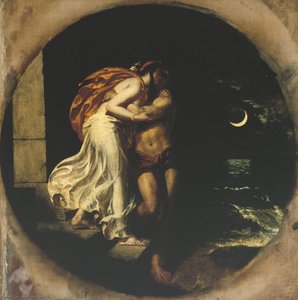
In the visceral masterpiece Prometheus, painted in 1820, William Etty invites us into a scene of profound mythological suffering and raw human vulnerability. The canvas captures the Titan at his most precarious moment, bound to the unforgiving stone as a consequence of his defiance against the gods. There is an immediate, jarring intensity to the composition; the figure lies sprawled across the earth, his body a landscape of tension and physical trauma. Etty does not shy away from the grotesque or the harrowing details of the myth, presenting a subject that is simultaneously heroic and broken. The presence of the bow and arrow piercing the flesh serves as a brutal reminder of the divine retribution being visited upon him, creating a narrative of sacrifice that resonates far beyond the borders of ancient Greek lore.
The technique employed by Etty reveals his status as a pioneer of the British nude, utilizing a mastery of light and shadow to sculpt the musculature of the protagonist. The flesh tones are rendered with a remarkable sensitivity, capturing the flush of pain and the pallor of exhaustion. Through fluid brushwork and a sophisticated understanding of anatomical form, Etty breathes life into the inanimate rock and the surrounding atmosphere. The interplay between the stark, rugged background and the soft, vulnerable curves of the human form creates a dramatic chiaroscuro effect that draws the eye directly to the center of the struggle. This mastery of texture—from the cold hardness of the stone to the warmth of the skin—makes the piece an extraordinary specimen of early 19th-century Romanticism.
A Symphony of Symbolism and Emotional Depth
Beyond the immediate shock of the imagery, Prometheus functions as a profound meditation on the cost of knowledge and the spirit of rebellion. To the discerning collector, the painting offers more than just a depiction of myth; it is an exploration of the human condition under duress. The isolation of the figure, set against a landscape that feels both vast and claustrophobic, symbolizes the lonely burden of those who dare to challenge established powers. Every element, from the positioning of the limbs to the distant, watchful presence of another figure, contributes to a sense of inescapable fate. It is a work that demands emotional engagement, pulling the viewer into a state of empathy for the Titan’s eternal struggle.
For interior designers and connoisseurs of fine art, this reproduction offers a commanding presence capable of anchoring a room with its historical weight and dramatic flair. The painting's rich palette and intense subject matter make it an ideal centerpiece for collections that value narrative depth and classical grandeur. Whether placed in a study filled with leather-bound volumes or a contemporary gallery space, the work serves as a conversation piece that bridges the gap between the ancient past and the modern aesthetic. Owning a high-quality reproduction of this Etty masterpiece allows one to preserve a fragment of Romantic history, bringing the timeless tension of Prometheus's sacrifice into the intimate setting of a private home.
Biografie des Künstlers
Frühes Leben und Ausbildung
William Etty, ein bedeutender englischer Künstler, wurde am 10. März 1787 in York, im Vereinigten Königreich, geboren. Er verließ die Schule bereits mit 12 Jahren, um eine Druckerlehre in Hull zu beginnen und schloss sie sieben Jahre später ab. Im Jahr 1807 trat er in die Royal Academy Schools in London ein, wo er unter Thomas Lawrence studierte und durch das Kopieren von Werken anderer Künstler ausgebildet wurde.Künstlerische Karriere
Ettys Durchbruch gelang ihm mit Kleopatras Ankunft in Kilizien, gemalt im Jahr 1821, das zahlreiche Akte zeigte und große Anerkennung fand. Dieser Erfolg führte zu weiteren Darstellungen historischer Szenen mit Aktfiguren, was ihm den Ruf der Unanständigkeit einbrachte. Trotzdem war er kommerziell erfolgreich und von Kritikern hoch angesehen und wurde 1828 zum Royal Academician ernannt.Bemerkenswerte Werke und Kontroversen
- Stehende weibliche Akt, ein Gemälde, das Ettys Meisterschaft in der Darstellung realistischer Hauttöne demonstriert.
- Die Sirenen und Odysseus, ein Werk, das seine Fähigkeit zeigt, historische Szenen mit Nacktheit in Einklang zu bringen.
- Ettys Aufnahme in die bahnbrechende Ausstellung Exposed: The Victorian Nude im Tate Britain im Jahr 2001–02 führte zu einem erneuten Interesse an seiner Arbeit.
Vermächtnis und Späteres Leben
Trotzdem er ein schüchterner Mann war, der selten Kontakte pflegte und nie heiratete, malte Etty weiterhin sowohl männliche als auch weibliche Akte, was heftige Kritik hervorrief. Er starb am 13. November 1849 in York, aber seine Werke wurden sehr begehrt und erzielten hohe Preise. Wichtige Links: * William Ettys Kunstwerke * William Etty auf Wikipedia * Stehende weibliche Akt von William EttySchlussfolgerung
William Etty, ein Pionier der britischen Nacktdarstellung, hat eine bleibende Spur in der Kunstwelt hinterlassen. Seine Werke, die einst umstritten waren, dienen nun als Zeugnis für seine Fähigkeiten und sein Engagement für die Darstellung des menschlichen Körpers. Entdecken Sie weitere Werke von Etty auf OriginalUniqueArt.com.
William Etty
1787 - 1849 , Vereinigtes Königreich
Kurzinfos
- Bemerkenswerte Werke:
- Kleopatra in Kilizien
- Die Sirenen und Odysseus
- Stehende weibliche Akte
- Einflussreiche Künstler: ['Thomas Lawrence']
- Geburtsdatum: 10. März 1787
- Geburtsort: York, Vereinigtes Königreich
- Künstlerische Richtung: Historismus, Romantik
- Nationalität: Britisch
- Todatum: 13. November 1849
- Vollständiger Name: William Etty
Ähnliche Artikel

William Etty: Die Wiederentdeckung viktorianischer Sinnlichkeit und des Erhabenen in der historischen Malerei
Entdecken Sie die faszinierende Welt von William Etty! Unsere Expertenanalyse beleuchtet seine provokanten Historienmalereien, die Verbindung von Sinnlichkeit und Erhabenem im viktorianischen England. Jetzt lesen!

The Enduring Allure of the Nude: A Historical & Artistic Exploration of the Human Form
Explore the captivating history of nude art! Discover iconic paintings & artists from classical to modern eras. Uncover symbolism, techniques & find museum-quality reproductions at OriginalUniqueArt.

Die 10 Meisterwerke des Neoklassizismus: Kunst für Ihr Zuhause |
Entdecken Sie die 10 Meisterwerke des Neoklassizismus! Von David bis Canova – erleben Sie Kunstgeschichte, elegante Ästhetik & zeitlose Schönheit. Hochwertige Reproduktionen auf .
The Enduring Legacy of Classicism: Principles, Evolution & Influence in Western Art
Explore the enduring legacy of Classicism in Western art! Discover its historical context, key principles, iconic masterpieces & lasting influence. Learn about Renaissance and Neoclassical movements with OriginalUniqueArt.

The Eloquent Form: A Historical & Aesthetic Exploration of the Nude in Art
Explore the captivating history of the nude in art! From ancient Greece to modern masters, discover its evolving symbolism, techniques & enduring beauty. Expert insights for collectors and enthusiasts.