Vorschau anzeigen
 Versenden
 Teilen
 Details anzeigen
 Leitfaden

 Herunterladen
 Ähnliche Objekte
 Röntgenaufnahme
 Diashow
 Statistiken
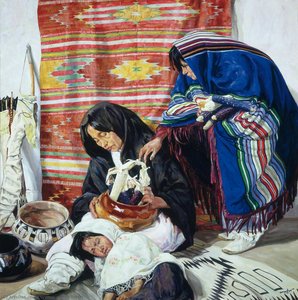
On the Rio Grande


 Weiterlesen
Giclée / Kunstdruck
Giclée- oder Leinwanddruck in Museumsqualität mit schneller Produktion und flexiblen Veredelungsoptionen. ( Handgemalte Reproduktion bestellen Zum digitalen Bild wechseln)




P118B €10

P118H €10

P118W €10

P438Z €10

P508JH €12

P508YH €12

P805H €10

P805Z €10

P919BZ €10

P919G €10

P919XJ €10

P959ZH €10

P968JZ €12

W106C €8

W218G €10

W218JH €8

W218Y €10

W307PJ €10

W316G €10

W316PJ €8

W316Y €10

W398PJ €8

W4111J €10

W500HY €15

W500JH €15

W692G €12

W849H €8

W940BG €15

W953PJ €8




Wählen Sie aus unseren vordefinierten Formaten, die den ursprünglichen Proportionen des Kunstwerks entsprechen.

Geben Sie die benötigte Breite und Höhe an, damit der Druck perfekt in Ihren Rahmen oder an Ihre Wand passt. Ein Druck kann nur beschnitten, aber niemals größer als das Originalbild angefertigt werden; daher verliert ein Format mit anderen Proportionen einen Teil des Bildes. Wir senden Ihnen ein digitales Mockup zur Freigabe, bevor wir den Druck ausführen. Das auf dieser Seite gezeigte Bild zeigt nicht den tatsächlichen Beschnitt – dies ist nur im Mockup ersichtlich.
Weltweiter Versand () innerhalb von 2 Wochen statt der üblichen 4/5 Wochen. (26 Oktober)

Kostenloser weltweiter Expressversand

Hochwertige Leinenleinwand

Umfassender Versicherungsschutz beim Versand

Zollgebühren-Rückerstattungsgarantie

Garantie für exakte Farbtreue

100 Tage Rückgaberecht (nur bei Mängeln)

100% Geld-zurück-Garantie

Mengenrabatt verfügbar
 Die Glasoption ist nur für Größen unter 110 cm verfügbar.

On the Rio Grande
Giclée / Kunstdruck
Format der Reproduktion
-


Endpreis
€ 70
A Symphony of Light and Solitude
In the quietude of 1927, Walter Ufer captured a moment of profound stillness in his masterpiece, On the Rio Grande. This evocative landscape serves as more than just a depiction of a river valley; it is a window into a soul-stirifying encounter with the American Southwest. The painting presents a solitary man, often identified as Ufer’s favorite model, Jim Mirabel, seated upon weathered rocks. As he gazes toward the water, the viewer is invited to share in his contemplative silence. The scene is bathed in the golden, honeyed hues of a late afternoon sun, which illuminates the river valley and casts a soft, ethereal glow over the distant, majestic mountains that dominate the horizon.
The atmosphere is one of deep tranquility, where the natural world feels both expansive and intimate. Beyond the central figure, the landscape breathes with life; trees frame the composition, adding layers of texture and organic beauty, while the subtle presence of birds in flight and a small boat drifting along the river enhances the sense of a living, breathing ecosystem. It is a scene that captures the very heartbeat of the Taos Pueblo spirit, blending the grandeur of the New Mexican wilderness with a deeply personal, human connection to the earth.
The Impressionistic Touch and Technical Mastery
Ufer’s technical approach in On the Rio Grande demonstrates his unique ability to bridge European Impressionist traditions with the rugged reality of the American West. Utilizing the rich, tactile medium of oil on canvas, the artist employs a high-keyed palette and loose, energetic brushstrokes that prioritize atmosphere over rigid anatomical or geological precision. This technique allows for a magnificent play of light and shadow, where the textures of the rocks and the fluidity of the water are rendered through subtle gradations of color rather than sharp outlines.
The composition is masterfully balanced, employing a sense of symmetry that draws the eye inward toward the reflective figure before allowing it to wander across the sweeping vistas. This careful arrangement creates a rhythmic harmony between the foreground elements and the dramatic backdrop of the mountains. For the collector or interior designer, this painting offers a sophisticated interplay of color and form, making it an ideal centerpiece for spaces that require a sense of calm, prestige, and timelessness.
A Legacy of Cultural Connection
To understand On the Rio Grande is to understand the historical significance of the Taos Society of Artists. Ufer, a trained artist who journeyed through Germany and Europe, brought a refined, cosmopolitan sensibility to the landscapes of New Mexico. His work during this period was characterized by a deep respect for the Pueblo Indians and an artistic mission to document their lives and lands with dignity and vibrancy. This painting stands as a testament to that mission, capturing a landscape that is both a physical place and a spiritual sanctuary.
The emotional impact of the piece lies in its ability to evoke nostalgia and peace. It speaks to the universal human desire for connection with nature and the beauty found in moments of quiet reflection. Whether displayed in a private gallery or as a focal point in a curated interior, this reproduction brings the luminous spirit of the Rio Grande into the modern home, offering an enduring sense of wonder and a profound connection to the American artistic heritage.
Fragen & Antworten
Gibt es ein Factsheet zu "On the Rio Grande" von Walter Ufer für Studierende?
Die Leitfaden-Seite von "On the Rio Grande" von Walter Ufer bietet ein druckbares, zweiseitiges Infoblatt: das Kunstwerk mit seiner Identifikationstabelle, eine zeitliche Einordnung in die Lebensspanne des Künstlers, weitere Werke des Künstlers, die gemessene Farbpalette sowie kopierfertige Zitate in vier verschiedenen Stilen.
Befindet sich "On the Rio Grande" im Land seines Schöpfers?
Nein – das Kunstwerk wird im Ausland aufbewahrt. Walter Ufer wurde in Deutschland geboren, und das Original von „On the Rio Grande“ befindet sich in einem Museum in Vereinigte Staaten von Amerika.
Wo kann ich eine Vorschau von „On the Rio Grande“ sehen?
Auf der Vorschau im Raum-Seite von „On the Rio Grande“ können Sie das Kunstwerk vor der Bestellung in einer Vorschau betrachten.
Künstlerbiografie
Die Seele des Südwestens: Das Leben und Vermächtnis von Walter Ufer
Walter Ufer gilt als eine zentrale Figur des amerikanischen Impressionismus – ein Maler, dessen Pinselstriche weit mehr als nur das Licht einfingen; sie erfassten den eigentlichen Herzschlag einer Kultur. Geboren 1876 in Hückeswagen, Deutschland, war Ufers Weg in die Hochwüsten von New Mexico durch eine strenge europäische Ausbildung und eine tief verwurzelte Neugier auf das menschliche Dasein geprägt. Seine frühen Jahre wurden durch die deutsch-amerikanische Diaspora in Louisville, Kentucky, geformt, wo er begann, die reichen Texturen seines Erbes in sich aufzunehmen. Diese prägende Zeit, geprägt von Studien in der Lithografie und Druckgrafik, schenkte ihm eine technische Präzierung, die es ihm später ermöglichen sollte, die Komplexität von Licht und Schatten mit unvergleichlicher Meisterschaft zu meistern.
Sein Streben nach künstlerischer Exzellenz führte ihn auf eine transformative Odyssee durch Europa. Als wandernder Geselle tauchte Ufer in die vielfältigen künstlerischen Traditionen des Kontinents ein und verfeinerte seine Technik an den angesehenen Akademien von Hamburg und Dresden. Diese Phase intensiver intellektueller und kreativer Expansion gipfelte in seiner Zeit in München, wo er sich einer intensiven Atelierarbeit widmete. Als er schließlich 1911 in die Vereinigten Staaten zurückkehrte, trug er eine anspruchsvolle europäische Sensibilität in sich, die bereit war für eine tiefgreifende Begegnung mit den rauen, sonnenverwöhnten Landschaften des amerikanischen Westens.
Ein Visionär der „Taos Ten“
Das Jahr 1914 markierte einen entscheidenden Wendepunkt in Ufers Leben und in der Entwicklung der amerikanischen Kunst. Als er das Taos Pueblo in New Mexico bereiste, wurde er Teil einer außergewöhnlichen künstlerischen Revolution. Durch den Beitritt zur einflussreichen Gruppe der „Taos Ten“ wurde Ufer zu einer zentralen Figur eines Kollektivs, das über die reine Landschaftsmalerei hinausgehen und eine authentischere, unmittelbarere Darstellung des Lebens der amerikanischen Ureinwohner anstreben wollte. Im Gegensatz zu vielen seiner Zeitgenossen, die den Südwesten durch eine romantisierte oder koloniale Linse betrachteten, begegnete Ufer seinen Motiven mit tiefem Respekt und einem geschulten Auge für die Würde des täglichen Daseins.
Sein Werk wurde zu einer Brücke zwischen europäischen impressionistischen Techniken und der rohen, spirituellen Energie des Pueblo-Volkes. Er war nicht bloß ein Beobachter, sondern ein Chronist von Ritualen, Landschaften und den stillen Rhythmen des Gemeinschaftslebens. Zentral für diese kreative Entwicklung war seine Beziehung zu Jim Mirabal, einem Taos-Indianer, der sowohl als Ufers Muse als auch als Weggefährte fungierte. Durch diese Verbindung erlangte Ufer ein intimes Verständnis der kulturellen Nuancen, die diese Region definieren, was es ihm ermöglichte, seine Leinwände mit einer gelebten Wahrheit zu durchdringen, die weit über die Grenzen von New Mexico hinaus nachhallte.
Technik, Symbolik und historische Bedeutung
Ufers Œuvre zeichnet sich durch eine meisterhafte Beherrschung der Farbe und einen kühnen, expressiven Farbauftrag aus. Sein Stil, obwohl in den Prinzipien des amerikanischen Impressionismus verwurzelt, neigte oft zu einem robusteren und texturreicheren Ansatz, der die Hitze der Wüstensonne und die Schwere der Erde einfing. Er nutzte das Licht nicht nur, um Formen zu beleuchten, sondern um Emotionen zu wecken – er schuf Szenen, in denen die Atmosphäre schwer von Geschichte und Tradition wirkt.
Die historische Bedeutung von Walter Ufer liegt in seiner Fähigkeit, die Genremalerei zu einem tiefgreifenden sozialen und kulturellen Statement zu erheben. Zu seinen Errungenschaften zählen:
- Authentische Darstellung: Der Bruch mit den „pittoresken“ Stereotypen des Lebens der amerikanischen Ureinwohner, um ein nuancierteres und vermenschlichtes Porträt des Taos-Volkes zu präsentieren.
- Künstlerische Synthese: Die erfolgreiche Verschmelzung der formalen akademischen Ausbildung Deutschlands mit dem lebendigen, ungezügelten Geist des amerikanischen Südwestens.
- Das Erbe der Taos Ten: Die entscheidende Rolle bei der Etablierung von Taos als erstklassiges Ziel für den amerikanischen Modernismus und als vitales Zentrum für indigene fokussierte Kunst.
Heute bleiben Ufers Gemälde dauerhafte Zeugnisse einer Zeit intensiver kultureller Überschneidungen. Seine Fähigkeit, die technische Strenge seiner europäischen Ausbildung mit der spirituellen Tiefe der Pueblo-Kultur zu verweben, stellt sicher, dass sein Werk weiterhin Menschen in seinen Bann zieht und moderne Betrachter dazu einlädt, den zeitlosen Geist des Taos-Tals durch seine evokativen und meisterhaften Augen zu erleben.

Walter Ufer
1876 - 1936 , Deutschland
Kurzinfos
- Artistic Movement Or Style: Taos Impressionismus
- Artists Or Movements Influenced By This Artist: ['Die Taos Gesellschaft']
- Artists Who Influenced This Artist: ['Pierre Auguste Renoir']
- Date Of Birth: 1876
- Date Of Death: 1936
- Full Name: Walter Ufer
- Nationality: Deutsch-Amerikanisch
- Notable Artworks:
- Her Tochter
- Bauern des Wüstenlands
- Nach ihnen
- Place Of Birth: Hückeswagen, Deutschland
Ähnliche Artikel

Evocations of Place: A Historical Journey Through Landscape Art
Explore the rich history of landscape art with OriginalUniqueArt. Discover renowned artists, movements like Impressionism & tonalism, and expert guidance for collecting timeless pieces. Find your perfect serene escape today!

Romantische Landschaften: Die 10 Meisterwerke, die eine Epoche prägten | OriginalUniqueArt
Entdecken Sie die 10 Meisterwerke der Romantischen Landschaftsmalerei! Von Caspar David Friedrich bis Turner – erleben Sie die Kunst, Emotion & Natur. Hochwertige Reproduktionen auf OriginalUniqueArt.com

Evocations of Place: A Historical Journey Through Landscape Art
Explore the rich history of landscape art with OriginalUniqueArt. Discover renowned artists, movements like Impressionism & Romanticism, and expert guidance for collecting timeless pieces. Find your perfect serene escape today!

Paul Cézanne: Die 25 Meisterwerke des Impressionismus | OriginalUniqueArt
Entdecken Sie die 25 Meisterwerke von Paul Cézanne! Tauchen Sie ein in die Welt des Impressionismus und Postimpressionismus. Erfahren Sie mehr über seine Stillleben, Landschaften & berühmten Gemälde – jetzt hochwertige Kunstdrucke auf OriginalUniqueArt.com.

Impressionistische Landschaften: Die 10 Meisterwerke, die eine Epoche prägten | OriginalUniqueArt
Entdecken Sie die 10 Meisterwerke des Impressionismus! Von Monet bis Renoir – erleben Sie die Geschichte, Technik und zeitlose Schönheit ikonischer Landschaftsbilder. Hochwertige Kunstdrucke auf OriginalUniqueArt.com. Jetzt entdecken!