The Dawn of Landscape: From Symbolic Representation to Naturalistic Depiction
Landscape painting, also known as landscape art, is the depiction in painting of natural scenery such as mountains, valleys, rivers, trees, and forests, especially where the main subject is a wide view—with its elements arranged into a coherent compo...
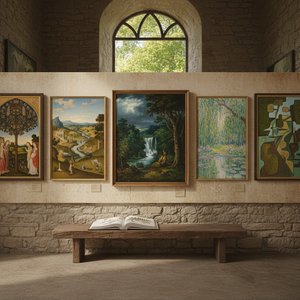
For millennia, the human impulse to depict the natural world existed, yet its status as a primary subject for artistic endeavor was far from assured. Early representations of landscapes were rarely independent compositions; instead, they served as backdrops or symbolic settings within larger narratives – religious scenes unfolding amidst stylized hills and trees, or mythical events taking place in idealized gardens. Consider the ancient Roman frescoes preserved at Pompeii, offering glimpses of lush villas and idyllic countryside, but always subordinate to the human dramas occurring within them. These were not landscapes *per se*, but rather environments constructed to enhance a story. The focus remained firmly on humanity’s relationship with nature, not nature itself. The East Asian tradition, particularly in Chinese shan shui painting (“mountain-water”), presented a notable exception, valuing landscape as a spiritual and philosophical pursuit – a means of connecting with the Dao through meticulous renderings of mist-shrouded peaks and flowing rivers. However, this aesthetic remained largely distinct from the developing Western artistic traditions until much later.
The gradual shift towards recognizing landscape as an independent genre began during the Renaissance, fueled by advancements in perspective and a growing interest in empirical observation. Artists like Leonardo da Vinci meticulously studied geological formations and atmospheric effects, laying the groundwork for more naturalistic depictions. Yet, even then, landscapes often functioned as stage sets – providing depth and realism to portraits or historical scenes. It wasn’t until the 17th century, with Dutch Golden Age painters such as Jacob van Ruisdael and Aelbert Cuyp, that landscape truly came into its own. These artists celebrated the beauty of their native Holland—its expansive skies, tranquil waterways, and humble rural life—with a newfound focus on capturing light, atmosphere, and the subtle nuances of the natural world. This marked a pivotal moment: nature was no longer merely a setting; it *was* the subject.
The Pastoral Ideal & Romantic Visions: Nature as Sublime Inspiration
The 18th and 19th centuries witnessed an explosion of interest in landscape painting, inextricably linked to evolving philosophical and cultural currents. The Enlightenment’s emphasis on reason and scientific inquiry coexisted with a growing fascination with the sublime – that awe-inspiring sense of power and vastness evoked by untamed nature. Artists like J.M.W. Turner embraced this concept wholeheartedly, depicting dramatic seascapes, tempestuous skies, and the raw energy of the elements. His work wasn’t simply about representing what he *saw*, but rather conveying the emotional impact of experiencing nature's grandeur. Simultaneously, the pastoral ideal – a romanticized vision of rural life as idyllic and harmonious—gained prominence. Painters like John Constable captured the bucolic beauty of the English countryside, imbuing his scenes with a sense of nostalgia and tranquility.
The Romantic movement further elevated landscape painting to new heights. Artists sought not just to depict nature accurately, but to express their emotional response to it. Caspar David Friedrich’s hauntingly beautiful landscapes, often featuring solitary figures contemplating vast vistas, explored themes of spirituality, mortality, and the power of the individual in relation to the infinite. This period saw a shift from objective observation to subjective interpretation – artists using landscape as a vehicle for expressing their inner worlds. The Barbizon school in France, with painters like Théodore Rousseau and Jean-François Millet, championed realism and a direct engagement with nature, paving the way for further innovations.
Impressionism's Fleeting Moments: Capturing Light and Atmosphere in the Open Air
Impressionism was a 19th-century art movement characterized by visible brush strokes, open composition, emphasis on accurate depiction of light in its changing qualities (often accentuating the effects of the passage of time), ordinary subject matter...
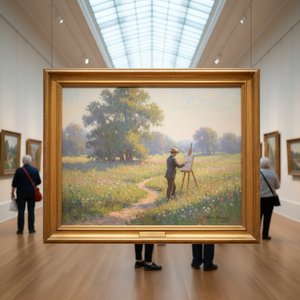
The latter half of the 19th century brought about a revolution in painting – Impressionism. Rejecting the academic conventions of studio-bound realism, artists like Claude Monet, Pierre-Auguste Renoir, and Camille Pissarro ventured *en plein air*—painting outdoors directly from nature. Their goal was to capture the fleeting effects of light and atmosphere, focusing on the sensory experience of a particular moment in time. Visible brushstrokes, broken color, and an emphasis on optical perception became hallmarks of the style. Monet’s series paintings – haystacks, Rouen Cathedral, water lilies—demonstrated his fascination with how light transformed a single subject at different times of day and under varying weather conditions.
Impressionism wasn't merely about technical innovation; it was a fundamental shift in *how* artists perceived the world. They sought to represent not what they knew to be true about an object, but rather what they actually *saw*. This emphasis on immediacy and subjective experience challenged traditional notions of artistic representation. The landscapes of this era are characterized by their vibrancy, luminosity, and sense of movement – capturing the ephemeral beauty of a sun-drenched field or a shimmering riverbank. The name itself, derived from Monet’s “Impression, soleil levant,” initially intended as criticism, ultimately became synonymous with a groundbreaking artistic approach.
American Landscapes: A Distinct Voice Emerges – From Hudson River School to Modernism
While Impressionism flourished in France, America developed its own distinct landscape tradition. The Hudson River School, active throughout the mid-19th century, celebrated the grandeur of the American wilderness—its majestic mountains, vast forests, and pristine rivers. Artists like Thomas Cole and Frederic Edwin Church created sweeping panoramic vistas that evoked a sense of national pride and spiritual awe. Their paintings weren’t simply depictions of nature; they were imbued with moral and religious symbolism, reflecting the belief in America's manifest destiny and the inherent beauty of its untamed landscapes.
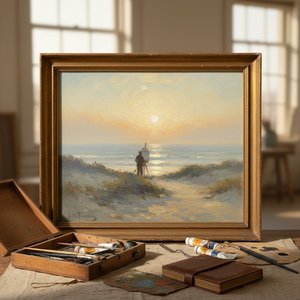
As the 19th century progressed, American landscape painting diversified. Artists like Albert Henry Krehbiel embraced Impressionist techniques, capturing the tranquil countryside scenes with loose brushstrokes and atmospheric light. Later, painters such as John Singer Sargent explored a more modern sensibility, depicting leisure activities in coastal landscapes with a sophisticated sense of style and observation. The American experience—its unique geography, history, and cultural identity—shaped a landscape tradition that was both distinct from and influenced by European movements. The search for a uniquely American artistic voice continued into the 20th century, with artists experimenting with abstraction and new forms of expression.
Collecting Landscape Art: Navigating Style, Value, and Personal Connection
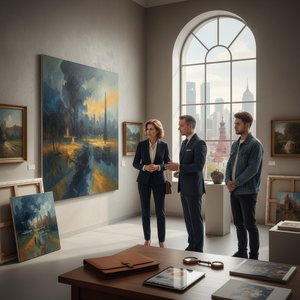 Navigating the Contemporary Landscape of Oil Painting Acquisition: A Guide for Collectors
A comprehensive guide for art collectors navigating the oil painting market. Learn to assess value, authenticate artworks, and build a lasting investment with expert insights.
Acquiring landscape art can be a deeply rewarding experience—a chance to connect with nature's beauty, support artistic talent, and build a lasting investment. However, navigating the market requires careful consideration. Understanding different styles – from the meticulous realism of the Hudson River School to the vibrant brushwork of Impressionism – is crucial. Researching artists’ backgrounds, historical context, and provenance (the artwork’s history of ownership) can provide valuable insights into its value.
Authenticity is paramount. Working with reputable galleries or art dealers who specialize in landscape painting is essential. Consider the condition of the artwork—restoration work can impact its value. Beyond financial considerations, it’s important to choose pieces that resonate with you personally – landscapes that evoke a sense of tranquility, inspire contemplation, or capture a specific place or memory. Whether you're drawn to the dramatic vistas of Turner, the serene scenes of Monet, or the American grandeur of Church, finding artwork that speaks to your soul is the most important aspect of collecting. At OriginalUniqueArt.com, we offer a curated selection of handmade oil paintings and museum-quality prints, allowing you to bring the beauty of landscape art into your home with confidence.
The Enduring Appeal of Place: Why Landscape Art Continues to Resonate Today
In an increasingly urbanized world, the allure of landscape art remains remarkably strong. Perhaps it’s a longing for connection with nature—a desire to escape the confines of city life and reconnect with something larger than ourselves. Or perhaps it's the inherent beauty of these depictions – the way artists capture light, atmosphere, and the subtle nuances of the natural world. Whatever the reason, landscape art continues to evoke powerful emotions and inspire contemplation.
Nature’s Embrace, as a theme, transcends time and culture. From the ancient frescoes of Pompeii to the Impressionist masterpieces of Monet, artists have consistently sought to capture the beauty and power of the natural world. Today, landscape art serves not only as a visual delight but also as a reminder of our connection to the environment—a call for conservation and appreciation. Whether you’re seeking a serene escape in your home or simply admiring the artistry of these timeless works, landscape painting offers a profound and enduring source of inspiration.