

 Vorschau anzeigen
 Versenden
 Teilen
 Details anzeigen

 Herunterladen
 Ähnliche Objekte
 Röntgenaufnahme
 Diashow
Dew-Drenched Furze
 Oil On Canvas
- WallArt
- Pre-Raphaelite Brotherhood
 1889
1889- 19th Century
 12.0 x 173.0 cm
 Tate Britain
 Weiterlesen
Giclée / Kunstdruck
Giclée- oder Leinwanddruck in Museumsqualität mit schneller Produktion und flexiblen Veredelungsoptionen. ( Handgemalte Reproduktion bestellen Bild kaufen)




P118B $10

P118H $10

P118W $10

P438Z $10

P508JH $12

P508YH $12

P805H $10

P805Z $10

P919BZ $10

P919G $10

P919XJ $10

P959ZH $10

P968JZ $12

W106C $8

W218G $10

W218JH $8

W218Y $10

W307PJ $10

W316G $10

W316PJ $8

W316Y $10

W398PJ $8

W4111J $10

W500HY $15

W500JH $15

W692G $12

W849H $8

W940BG $15

W953PJ $8




Wählen Sie aus unseren vordefinierten Formaten, die den ursprünglichen Proportionen des Kunstwerks entsprechen.

Sie können Ihre eigenen Maße eingeben, um ein bestimmtes Format oder einen speziellen Platz einzupassen. Wenn das von Ihnen gewählte Format nicht den Proportionen des Originalbildes entspricht, werden wir das Kunstwerk entweder beschneiden oder das Bild mit einem gespiegelten oder einfarbigen Rand erweitern. Ein digitaler Entwurf wird Ihnen zur Genehmigung zugesandt, bevor die Produktion beginnt.
Bitte beachten Sie, dass die Vorschau auf dem Bildschirm nicht den tatsächlichen Zuschnitt oder die Erweiterung widerspiegelt. Nur der Entwurf zeigt die endgültige Komposition präzise an.
Obwohl Sondermaße verfügbar sind, empfehlen wir die Auswahl eines Maßes aus der vordefinierten Liste, um die ursprünglichen Proportionen zu bewahren.
Weltweiter Versand () innerhalb von 2 Wochen statt der üblichen 4/5 Wochen. (29 August)

Kostenloser weltweiter Expressversand

Hochwertige Leinenleinwand

Umfassender Versicherungsschutz beim Versand

Zollgebühren-Rückerstattungsgarantie

Garantie für exakte Farbtreue

60 Tage Rückgaberecht (nur bei Mängeln)

100% Geld-zurück-Garantie

Mengenrabatt verfügbar
 Die Glasoption ist nur für Größen unter 110 cm verfügbar.

Dew-Drenched Furze
Giclée / Kunstdruck
Format der Reproduktion
-


Gesamtpreis
$ 80
A Vision of Verdant Serenity: Millais's *Dew-Drenched Furze*
Sir John Everett Millais’s 1889 painting, *Dew-Drenched Furze*, is a masterful embodiment of the Pre-Raphaelite movement’s core tenets – an unwavering commitment to meticulous observation, a profound connection with nature, and a desire to evoke intense emotion through exquisitely rendered detail. This late landscape, executed in a symmetrical composition and vertical format, presents a breathtaking evocation of a forest scene, bathed in the ethereal quality of filtered light. The painting's serene atmosphere and palpable sense of tranquility immediately draw the viewer into its immersive world.
The Pre-Raphaelite Ideal: Truth to Nature
Millais’s artistic journey was profoundly shaped by the Pre-Raphaelite Brotherhood, a group dedicated to rejecting the artificiality and idealized forms of Renaissance art. Influenced by the works of Giotto and other early masters, the Pre-Raphaelites sought to return to a more direct and truthful representation of nature – a philosophy vividly reflected in *Dew-Drenched Furze*. The artist’s meticulous attention to detail is immediately apparent; the yellowish-brown leaves of the trees, the delicate textures of the bushes, and the shimmering effect of dew on foliage are all rendered with an almost photographic precision. This dedication to realism was revolutionary for its time, challenging the established conventions of British art which often favored grand historical narratives or mythological subjects.
- Technique: Millais employed a characteristic layering technique, building up color and detail in thin glazes – a hallmark of Pre-Raphaelite painting. This allowed for luminous effects and subtle gradations of tone, enhancing the sense of depth and atmosphere.
- Composition: The symmetrical arrangement and vertical format contribute to the painting’s harmonious and balanced feel, reflecting the Victorian fascination with order and beauty.
Symbolism and Emotional Resonance
*Dew-Drenched Furze* is more than just a depiction of a forest scene; it's imbued with symbolic meaning rooted in the Romantic tradition. The title itself – “Furze” referring to a thorny shrub – suggests resilience, endurance, and perhaps even a hint of melancholy. The dappled light filtering through the trees evokes a sense of mystery and spirituality, while the overall mood is one of quiet contemplation and reverence for nature’s beauty. Millais's ability to capture such profound emotion within a seemingly simple landscape speaks to his exceptional artistic skill and sensitivity.
Historical Context: A Master at Work
Painted in 1889, this work represents the culmination of Sir John Everett Millais’s long and distinguished career. Having begun his artistic training at an astonishingly young age – admitted to the Royal Academy Schools at eleven years old – he became one of the most celebrated artists of his era. *Dew-Drenched Furze* demonstrates his continued mastery of technique and his unwavering commitment to the Pre-Raphaelite ideals, solidifying his legacy as a pivotal figure in British art history. The painting’s creation coincided with a period of significant artistic innovation, reflecting the evolving tastes and sensibilities of Victorian society.
This hand-painted reproduction offers an unparalleled opportunity to experience the beauty and emotional power of Millais's masterpiece firsthand. Its dimensions – 12 x 173 cm – make it ideally suited for a variety of interior spaces, adding a touch of timeless elegance and artistic sophistication to any room.
Über den Künstler
Frühes Leben und Ausbildung
Sir John Everett Millais, ein renommierter englischer Maler und Illustrator, wurde am 8. Juni 1829 in Southampton, England, geboren. Als Wunderkind wurde er bereits im Alter von elf Jahren zum jüngsten Schüler der Royal Academy Schools zugelassen.Gründung der Präraffaeliten
Im September 1848 gründeten Sir John Everett Millais, zusammen mit William Holman Hunt und Dante Gabriel Rossetti, die Präraffaeliten in seinem Familiendomizil in Gower Street, London. Diese Bewegung strebte danach, den Stil der frühen italienischen Renaissance wiederzubeleben.Bedeutende Werke
Zu Sir John Everett Millais' bedeutendsten Werken zählen:- Christ in der Werkstatt seines Vaters (1849-1850), ein höchst kontroverses Werk, das seine realistische Darstellung einer Arbeiterfamilie als Heilige Familie zeigte.
- Ein hugenottisches Paar (1851-1852), das ein junges Paar darstellt, das aufgrund religiöser Konflikte voneinander getrennt werden soll.
- Ophelia (1851-1852), ein Gemälde, das seine dichten und elaborierten bildlichen Oberflächen demonstrierte, oft konzentriert auf die Schönheit und Komplexität der Naturwelt.
- Mariana (1850-1851), basierend auf dem Stück "Was ihr wollt" von William Shakespeare und dem Gedicht gleichen Namens von Alfred Lord Tennyson.
Einfluss und Spätere Werke
Sir John Everett Millais' spätere Werke wurden von seiner Frau Effie beeinflusst, die zuvor mit dem Kritiker John Ruskin verheiratet war. Sein Stil entwickelte sich zu einer breiteren Form des Realismus, der zunächst von Ruskin kritisiert wurde, aber später als bedeutender Beitrag zur Kunstwelt anerkannt wurde.Museen und Sammlungen
Werke Sir John Everett Millais' finden sich in verschiedenen Museen, darunter:- Die Tate Britain in London, die The Order of Release (1853) und Ophelia (1852) zeigt.
- Das Ashmolean Museum in Oxford, das The Return of the Dove to the Ark (1851) ausstellt.
Vermächtnis
Sir John Everett Millais' Vermächtnis geht über seine Kunst hinaus. Er war ein Pionier der Präraffaelitenbewegung und eine bedeutende Figur in der Entwicklung der britischen Kunst.- Erfahren Sie mehr über Sir John Everett Millais auf OriginalUniqueArt.com.
- Erkunden Sie die Präraffaelitenbewegung und ihren Einfluss auf die britische Kunst bei Wikipedia.

Sir John Everett Millais
1829 - 1896 , Vereinigtes Königreich
Kurzinfos
- Beeinflusste Künstler: ['Dante Gabriel Rossetti']
- Bemerkenswerte Werke:
- Christ in der Elternhaus
- Ein hugenottisches Paar
- Ophelia
- Mariana
- Einflüsse: ['Frührenaissance Italien']
- Geburtsdatum: 8. Juni 1829
- Geburtsort: Southampton, Vereinigtes Königreich
- Künstlerische Bewegung: Präraffaeliten
- Nationalität: Britisch
- Todatum: 13. August 1896
- Vollständiger Name: Sir John Everett Millais
Ähnliche Artikel

Dante Gabriel Rossetti: Die 25 Meisterwerke des Präraffelitismus | OriginalUniqueArt
Entdecken Sie die 25 schönsten Gemälde von Dante Gabriel Rossetti! Tauchen Sie ein in die Welt der Präraffeliten, symbolistischer Kunst & viktorianischer Romantik. Hochwertige Reproduktionen für Ihr Zuhause – jetzt bei OriginalUniqueArt.com!

Sir John Everett Millais: Präraffaelitische Revolution und viktorianische Erzählkunst
Entdecken Sie das Leben und Werk von Sir John Everett Millais, einem Pionier der Präraffaeliten! Detaillierte Analysen seiner Gemälde, Einblicke in die viktorianische Kunstszene und seine bleibende Bedeutung. Jetzt lesen!

Pre-Raphaelite Romanticism: A Guide to Vivid Detail and Medieval Beauty in Victorian Art
Explore the vivid detail and medieval beauty of Pre-Raphaelite Romanticism. Discover the history of masters like Rossetti and Millais through our expert guide to Victorian art, perfect for collectors and professionals seeking authentic, museum-quality reproductions.
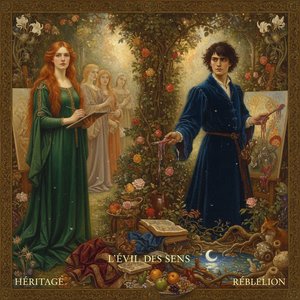
The Pre-Raphaelite Brotherhood: Reclaiming Beauty, Nature, and Truth in Victorian Art History
Explore the revolutionary Pre-Raphaelite Brotherhood. Discover how these visionary artists rejected academic tradition to reclaim beauty, nature, and truth through luminous detail and literary depth in Victorian art history.

The Pre-Raphaelite Brotherhood: Rediscovering Beauty, Romance, and Medieval Magic in Victorian Art
Embark on a journey through the Pre-Raphaelite Brotherhood. Discover the romantic symbolism, medieval magic, and radical beauty of Rossetti and Burne-Jones in this expert exploration of Victorian art history.



