Vorschau anzeigen
 Versenden
 Teilen
 Details anzeigen
 Leitfaden

 Herunterladen
 Ähnliche Objekte
 Röntgenaufnahme
 Diashow
 Fragen & Antworten
 Statistiken
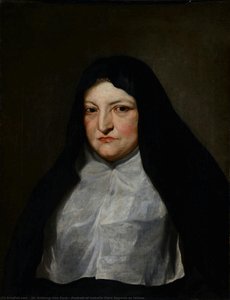
Marchesa Elena Grimaldi


 Weiterlesen
Giclée / Kunstdruck
Giclée- oder Leinwanddruck in Museumsqualität mit schneller Produktion und flexiblen Veredelungsoptionen. ( Handgemalte Reproduktion bestellen Zum digitalen Bild wechseln)




P118B €10

P118H €10

P118W €10

P438Z €10

P508JH €12

P508YH €12

P805H €10

P805Z €10

P919BZ €10

P919G €10

P919XJ €10

P959ZH €10

P968JZ €12

W106C €8

W218G €10

W218JH €8

W218Y €10

W307PJ €10

W316G €10

W316PJ €8

W316Y €10

W398PJ €8

W4111J €10

W500HY €15

W500JH €15

W692G €12

W849H €8

W940BG €15

W953PJ €8




Wählen Sie aus unseren vordefinierten Formaten, die den ursprünglichen Proportionen des Kunstwerks entsprechen.

Geben Sie die benötigte Breite und Höhe an, damit der Druck perfekt in Ihren Rahmen oder an Ihre Wand passt. Ein Druck kann nur beschnitten, aber niemals größer als das Originalbild angefertigt werden; daher verliert ein Format mit anderen Proportionen einen Teil des Bildes. Wir senden Ihnen ein digitales Mockup zur Freigabe, bevor wir den Druck ausführen. Das auf dieser Seite gezeigte Bild zeigt nicht den tatsächlichen Beschnitt – dies ist nur im Mockup ersichtlich.
Weltweiter Versand () innerhalb von 2 Wochen statt der üblichen 4/5 Wochen. (9 November)

Kostenloser weltweiter Expressversand

Hochwertige Leinenleinwand

Umfassender Versicherungsschutz beim Versand

Zollgebühren-Rückerstattungsgarantie

Garantie für exakte Farbtreue

100 Tage Rückgaberecht (nur bei Mängeln)

100% Geld-zurück-Garantie

Mengenrabatt verfügbar
 Die Glasoption ist nur für Größen unter 110 cm verfügbar.

Marchesa Elena Grimaldi
Giclée / Kunstdruck
Format der Reproduktion
-


Endpreis
€ 72
Ein Moment stiller Erhabenheit
Die Marchesa Elena Grimaldi steht vor uns, eingefangen in einer Stille, die sich zugleich schwer und leicht anfühlt. Sie nimmt einen Raum nahe steinerner Säulen ein, vielleicht auf einem privaten Balkon, wo die Luft das Gewicht eines Nachmittags aus dem Jahr 1623 in sich trägt. Ihr schwarzes Kleid absorbiert das umgebende Licht und schafft eine tiefe, solide Präsenz, die die gesamte Komposition verankert. Ein einzelnes rotes Tuch ruht an ihrem Hals und setzt einen scharfen, plötzlichen Farbakzent gegen den dunklen Stoff. Hinter ihr setzt sich die Welt in sanften, verschwommenen Bewegungen fort; ferne Gestalten bewegen sich im Hintergrund und deuten das Leben eines prächtigen Anwesens an, ohne ihre Konzentration zu unterbrechen. Ein aufgespannter Sonnenschirm wird in der Nähe gehalten, der Schutz vor den Elementen bietet und einen subtilen Schatten wirft, der den Raum um sie herum definiert.
In ihrem Blick liegt ein Gefühl von tiefer Beherrschung. Ihre Augen bewahren einen Ausdruck gelassener Zuversicht und blicken mit einer Klarheit nach außen, die eine Frau suggeriert, die sich ihres Platzes innerhalb ihres sozialen Umfelds vollkommen bewusst ist. Die Art und Weise, wie sie sich hält, vermittelt eine stille Stärke, als ob die Architektur des Palastes ihre eigene innere Stabilität widerspiegelte. Jedes Detail, von der subtilen Neigung ihres Kopfes bis hin zu der Art und Weise, wie das Licht die Konturen ihrer Gesichtszüge einfängt, zeugt von einem Leben, das mit Anmut und Bestimmung geführt wurde.
Die Sprache von Licht und Textur
Der Pinselstrich offenbart eine akribische Hingabe an die physische Welt. Der Künstler nutzt das Chiaroscuro, um das Gesicht der Marchesa zu modellieren und ihre Züge durch dramatische Kontraste aus dem Schatten hervorzuheben. Diese Manipulation des Lichts verleiht ihrer Haut eine lebendige Qualität und lässt die weichen Texturen ihres Antlitzes fast greifbar erscheinen. Man kann die sorgfältige Darstellung des Kleides bewundern, bei der der Glanz des Satins und die schweren Falten des dunklen Stoffes einen haptischen Luxus suggerieren. Die Ränder der Szene werden durch eine dunstige, traumähnliche Atmosphäre abgemildert – eine Technik, welche die Grenze zwischen dem Motiv und ihrer Umgebung verschwimmen lässt.
Symbolische Elemente sind fest in das Gefüge des Porträts eingewoben. Der rote Sonnenschirm, der prominent platziert ist, fungiert als mehr als nur ein praktischer Gegenstand; er signalisiert ihren Status und ihre Vorherrschaft über ihre Umgebung. Selbst die Positionierung innerhalb des Bildrahmens verstärkt ihre soziale Stellung und ihre intellektuelle Präsenz. Durch diese bewussten Entscheidungen fängt das Gemälde die Essenz einer Ära ein, in der jedes visuelle Detail ein sorgfältig konstruiertes Teil einer größeren Identität war. Das Ergebnis ist ein Porträt, das sich weniger wie ein statisches Bild und mehr wie ein lebendiges Fenster in das aristokratische Leben des siebzehnten Jahrhunderts anfühlt.
Fragen & Antworten
Welche Technik wurde für "Marchesa Elena Grimaldi" verwendet und wann entstand das Werk?
"Marchesa Elena Grimaldi" entstand im Jahr 1623 mit der Technik Öl auf Leinwand. Material und Datum beschreiben, wie und wann das Original geschaffen wurde.
Kann ich "Marchesa Elena Grimaldi" von Sir Anthony Van Dyck vor dem Kauf an meiner eigenen Wand sehen?
Auf der AR-Vorschau-Seite von "Marchesa Elena Grimaldi" von Sir Anthony Van Dyck können Sie das Kunstwerk mithilfe von Augmented Reality auf einem kompatiblen Gerät direkt in Ihren eigenen Räumlichkeiten erleben.
Wie ist die Farbkomposition von "Marchesa Elena Grimaldi" von Sir Anthony Van Dyck aufgebaut?
In "Marchesa Elena Grimaldi" trifft ein Kräftig Kontrast auf eine Hohe farbliche Harmonie Harmonie.
Künstlerbiografie
Frühes Leben, Familie und Ausbildung
Geboren in Antwerpen am 22. März 1599, trat Sir Anthony Van Dyck in eine Welt des Handels und des Handwerks ein. Er war das siebte von zwölf Kindern, die Maria Cupers und Francoïs „Frans“ van Dijck, einem Seidenhändler, das Leben geschenkt hatten. Diese Erziehung in einem wohlhabenden Haushalt bot ein stabiles Fundament für ein Kind, das schon früh eine überaus begabte Begabung für die bildenden Künste an den Tag legte. Bereits im Alter von zehn Jahren begann seine formale Ausbildung in der Malerei unter der Anleitung von Hendrick van Balen dem Älteren.
Sein Werdegang war geprägt von einem rasanten Aufstieg durch die traditionellen Strukturen der flämischen Kunstwelt. Er verweilte nicht lange im Status eines bloßen Schülers; seine technische Meisterschaft erlaubte es ihm, mit bemerkenswerter Geschwindigkeit in die Unabhängigkeit zu streben. Bis zum 18. Oktober 1617 hatte er den bedeutenden Meilenstein erreicht, als er als freier Meister in die Antwerpener Lukasgilde aufgenommen wurde. Diese frühe professionelle Anerkennung kündigte das Erscheinen eines Talents an, das schon bald über die Grenzen seiner Geburtsstadt hinausstrahlen sollte.
- Selbstporträt (datiert 1613–14)
Der Einfluss von Peter Paul Rubens
Der Werdegang von Sir Anthony Van Dyck wurde maßgeblich durch seine Zeit im Atelier von Peter Paul Rubens geprägt. Dies war weit mehr als eine bloße Lehre; der junge Künstler stieg zum wichtigsten Assistenten des Meisters auf – eine Position, die sowohl technische Präzision als auch die Fähigkeit erforderte, eine komplexe visuelle Sprache in sich aufzunehmen. Rubens selbst erkannte das außergewöhnliche Talent seines Schützlings und beschrieb den jungen Mann als seinen besten Schüler. Diese Mentorenschaft eröffnete Sir Anthony Van Dyck eine direkte Verbindung zu den führenden künstlerischen Strömungen des siebzehnten Jahrhunderts und ermöglichte es ihm, die Entstehung großformatiger Kompositionen sowie die Leitung einer äußerst produktiven Werkstatt aus erster Hand zu erleben.
Der Einfluss von Rubens manifestierte sich in der gemeinsamen Fokussierung auf Ausdruck, Gestik und Form. Während Sir Anthony Van Dyck später einen raffinierteren und gesetzteren Stil entwickeln sollte, verbrachte er seine frühen Jahre damit, die Energie und die scharfe Beobachtungsgabe seines Mentors nachzuahmen. Er lernte, die Vitalität des Lebens in Öl und Pigment zu übersetzen – eine Fähigkeit, die es ihm später ermöglichen sollte, sich von der robusten Dynamik des Rubens-Stils hin zu einer subtileren Ästhetik zu bewegen. Das technische Fundament, das in diesem Atelier gelegt wurde, lieferte ihm die entscheidenden Werkzeuge für seinen späteren Aufstieg an die königlichen Höfe Europas.
Künstlerische Reisen in Italien und Genua
Bereits in seinen späten Teenagerjahren hatte Sir Anthony Van Dyck als unabhängiger Maler beachtliche Erfolge erzielt – eine Leistung, die ihm den nötigen Schwung für seinen Aufbruch aus den Niederlanden verlieh. Zwischen 1621 und Ende 1627 bereiste er Italien, eine Zeitspanne, die seine Fähigkeit verfeinerte, sich in den komplexen sozialen Hierarchien des europäischen Adels zu bewegen. Diese Reisezeit war weniger ein zielloses Umherwandern als vielmehr ein strategisches Eintauchen in die visuelle Sprache der mediterranen Elite.
Sein Aufenthalt in Genua erwies sich als besonders bedeutsam. Dort fand er unter den genuesischen Patriziern eine stetige Klientel, deren aristokratisches Empfinden perfekt mit seinem sich entwickelnden Stil harmonierte. Seine Darstellungen dieser lokalen Familien stießen in der Stadt auf große Begeisterung und etablierten ihn als einen Maler, der in der Lage war, jene spezifische Würde einzufangen, die von der High Society gefordert wurde. In diesen Porträts ging er weit über die bloße Ähnlichkeit hinaus, um den sozialen Status und das wahre Wesen seiner Dargestellten zu offenbaren.
Dienst am englischen Hof
Die Verbindung von Sir Anthony Van Dyck zur englischen Krone nahm ihren Anfang lange vor seiner endgültigen Ansiedlung in London. Bereits im Jahr 1620 trat er in den Dienst von König Jakob I., eine kurze Station, die seinen weitläufigen Reisen durch Italien und die Spanischen Niederlande vorausging. Diese Jahre der Bewegung und der vielfältigen Aufträge bereiteten ihn auf eine weitaus bedeutendere Ankunft vor. Bis 1632 war er nach England zurückgekehrt und ließ sich an jenem Hof nieder, an dem sein Ruf als herausragender Porträtist endgültig gefestigt werden sollte. Noch im selben Jahr wurde er zum „principalle Paynter in Ordinary to their Majesties“ ernannt – eine Position, die ihn unmittelbar in das Zentrum des königlichen Lebens rückte.
Seine Präsenz in London transformierte die visuelle Sprache der Monarchie grundlegend. Er löste sich von der starren, formalen Porträtmalerei der Vergangenheit und entschied sich stattdessen dafür, den König und den Adel mit einer Aura müheloser Anmut und natürlicher Autorität darzustellen. Seine Gabe, das wahre Wesen seiner Dargestellten einzufangen, machte ihn zum führenden Hofmaler Englands. Dabei hielt er nicht bloß Gesichter fest; er erschuf ein Bild der Macht, das den englischen Hof über Generationen hinweg prägen sollte. Sein Werk in dieser Ära verlieh der Zeit eine Ästhetik von Würde und Haltung, die bis heute nachhallt.
- Charles I in Three Positions (1636)
- Queen Henrietta Maria (1636)
Technik und künstlerischer Stil
Sir Anthony Van Dyck besaß eine technische Vielseitigkeit, die es ihm ermöglichte, nahtlos zwischen dem pastosen Auftrag von Ölfarben und den präzisen, scharfen Linien der Radierung zu wechseln. Als begabter Zeichner verstand er die strukturelle Notwendigkeit eines starken Fundaments, bevor er zur Farbe griff. Seine Kompositionen beruhten oft auf einer meisterhaften Anordnung der Formen, wobei er das dramatische Zusammenspiel von Licht und Schatten nutzte, um die Konturen seiner Motive zu definieren. Dieser Einsatz des Chiaroscuro verlieh seinen Werken eine beeindruckende Tiefe und Plastizität, insbesondere in seinen religiösen und mythologischen Szenen, in denen das Licht förmlich aus der Dunkelheit hervorzutreten schien, um eine spezifische Geste oder einen flüchtigen Gesichtsausdruck hervorzuheben.
Seine Palette zeichnete sich durch tiefe, gesättigte Farben und eine akribische Aufmerksamkeit für die kleinsten Details der Textur aus. Ob er nun den Glanz von Seide oder die subtile Beschaffenheit der Haut wiedergab – er bewahrte stets eine Raffinesse, die die Schwere einiger seiner Zeitgenossen vermissen ließ. Diese Präzision beschränkte sich keineswegs nur auf seine offiziellen Auftragsarbeiten; seine Fähigkeit, Bewegung und Charakter einzufangen, ließ ihn in verschiedensten Genres glänzen, von der Grandiosität mythologischer Erzählungen bis hin zur intimen psychologischen Tiefe seiner Porträtkunst. Er besaß das besondere Talent, das Licht einzusetzen, um den sozialen Status oder das innere Temperament eines Dargestellten zu suggerieren, wobei er oft ausladende Gesten und sorgfältig gewählte Hintergründe nutzte, um das Individuum einzurahmen.
- Portrait of a Young General (1622)
- Charles I in Three Positions (1636)
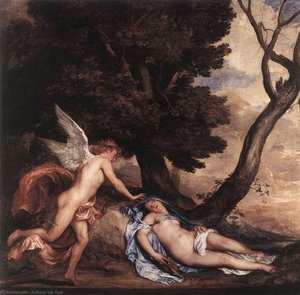
- Cupid and Psyche (1640)
Vermächtnis und fortwährendes Erbe
Der Tod von Sir Anthony Van Dyck in London am 9. Dezember 1641 markierte das Ende einer Karriere, die die visuelle Sprache der europäischen Höfe bereits grundlegend umgestaltet hatte. In den Fußstapfen von Peter Paul Rubens trat er als der bedeutendste flämische Maler des siebzehnten Jahrhunderts hervor. Seine Präsenz am englischen Hof etablierte einen Standard der Porträtmalerei, der die Richtung der Kunst für die nächsten 150 Jahre maßgeblich beeinflussen sollte. Er besaß die besondere Gabe, den sozialen Status und das Wesen seiner Dargestellten durch eine raffinierte Technik zu definieren, die zu einem Maßstab für nachfolgende Generationen von Malern wurde.
Seine Wirkung reichte weit über die Grenzen Englands hinaus. Während dieser gesamten Epoche übte sein Werk einen tiefgreifenden Einfluss auf die Kunst aus, die in ganz Europa geschaffen wurde. Diese Reichweite wurde durch seine Vielseitigkeit genährt, mit der er sich mühelos zwischen den Anforderungen religiöser Erzählungen und den anspruchsvollen Bedürfnissen des Adels bewegte. Er hielt nicht bloß Gesichter fest; er erschuf ein Bild von Autorität und Anmut, das zur bevorzugten Ästhetik für all jene wurde, die Macht und Status eindrucksvoll zur Schau stellen wollten.
- Charles I in Three Positions (1636)
- The Balbi Children
- Selbstporträt (1622)
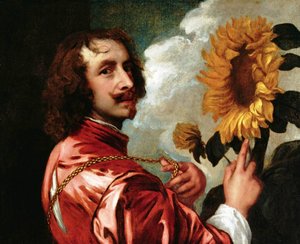
Sir Anthony Van Dyck
1599 - 1641 , Belgien
Kurzinfos
- Artistic Movement Or Style: Barock
- Artists Or Movements Influenced By This Artist: ['Thomas Gainsborough']
- Artists Who Influenced This Artist:
- Hendrick van Balen
- Peter Paul Rubens
- Tizian
- Date Of Birth: 1599
- Date Of Death: 1641
- Full Name: Sir Anthony Van Dyck
- Nationality: Flämisch
- Notable Artworks:
- Porträt von James Stuart
- Die Gefangennahme Christi
- Pfingsten
- Porträt von Karl V. zu Pferd
- Margareta de Vos
- Frans Snyders
- Christus als Salvator Mundi
- Kaiser Theodosius
- Familienporträt
- Kreuzigung
- Selbstporträt
- Genuesische Edelwoman
- Porträt eines jungen Generals
- Jacqueline van Caestre
- Heilige Rosalia
- Schmerzensmann – Ecce Homo
- Ottaviano Canevari
- Porträt von Isabella Clara Eugenia
- Nicolas Lanier
- Rinaldo und Armida
- Seliger Joseph Hermann
- Simson und Delilah
- Madonna mit Stiftern
- Heilige Rosalia in Fürbitte
- Venus in der Werkstatt des Vulkan
- Die Vision des Seligen Hermann Joseph
- Porträt von Anna Dalkeith
- Kreuzabnahme
- Porträt von Anna van Craesbecke
- Karl I. in drei Positionen
- Königin Henrietta Maria
- James Stanley, Lord Strange
- Cupido und Psyche
- Porträt von Mary Ruthven
- Place Of Birth: Antwerpen, Belgien
Ähnliche Artikel

Meister der Eleganz: Die 25 größten Kunstwerke von Sir Anthony van Dyck
Erleben Sie die barocke Eleganz von Sir Anthony van Dyck. Entdecken Sie alle Meisterwerke auf OriginalUniqueArt.com.
Meisterwerke der Emotion: Die 25 besten Kunstwerke von Vincent van Gogh
Entdecken Sie die 25 besten Werke von Van Gogh und den Post-Impressionismus. Erleben Sie Meisterwerke auf OriginalUniqueArt.com.

Meisterwerke der Emotion: Die 25 wichtigsten Kunstwerke von Vincent van Gogh
Entdecke die 25 Meisterwerke von Vincent van Gogh und den Post-Impressionismus. Erlebe pure Emotion auf OriginalUniqueArt.com.

Die 25 besten Meisterwerke von Sir Anthony van Dyck: Der König des Barock-Porträts
Erleben Sie die barocke Eleganz von Sir Anthony van Dyck. Entdecken Sie 25 Meisterwerke auf OriginalUniqueArt.com.

Die 25 besten Meisterwerke von Sir Anthony van Dyck: Der König des Barock-Porträts
Erleben Sie die 25 Meisterwerke von Sir Anthony van Dyck. Entdecken Sie Barock-Eleganz auf OriginalUniqueArt.com.