Menü

() ·

A painting made for you, by hand

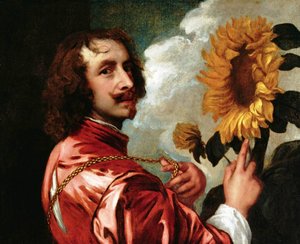
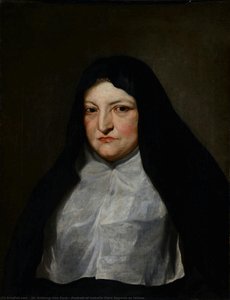
Selbstporträt

Handgefertigte Ölreproduktion

Handgemaltes Ölgemälde auf Leinwand in Ihrer Wunschgröße und mit Rahmen, auf Bestellung von unseren Künstlern angefertigt. ( Zum Druck wechseln Zum digitalen Bild wechseln)

Beschreibung des Sammlerstücks

Ein Meisterwerk von Anthony van Dyck: Dieses beeindruckende Selbstporträt zeigt eine außergewöhnliche Darstellung des niederländischen Künstlers und wird im Hermitage Museum bewundert. Entdecken Sie Kunstgeschichte!

Künstlerbiografie

Sir Anthony van Dyck (1599-1641): Ein Meister des Barock, bekannt für elegante Porträts europäischer Aristokraten & Charles I. Seine Kunst prägte die englische Malerei nachhaltig.

from ·

Chapter 1

How large should it be?

Slide to change the size; the picture on the left shows the frame at its real width. The proportions of the original are kept.

Standardformat
individuell anpassbar
CM
INCH

Wählen Sie aus unseren vordefinierten Formaten, die den ursprünglichen Proportionen des Kunstwerks entsprechen.

Breite
Höhe

Geben Sie die Breite und die Höhe an, die Sie für Ihren Rahmen oder Ihre Wand benötigen. Da dieses Werk handgemalt ist, kann der Künstler bei einer anderen Form etwas mehr um das Bild herum malen oder etwas abschneiden – Sie entscheiden. Wir senden Ihnen ein digitales Mockup zur Freigabe, bevor mit dem Malen begonnen wird. Das auf dieser Seite gezeigte Bild stellt nicht das tatsächliche Ergebnis dar – dies tut nur das Mockup.

Chapter 2

How should it arrive?

Choose the edges of the stretched canvas

Choose your frame

Corner sample of the WhiteWrap canvas edge finish, stretched on Massivholz bars
White €1
Corner sample of the BlurSideWrap canvas edge finish, stretched on Massivholz bars
Blurside €1
Corner sample of the ExtendedWrap canvas edge finish, stretched on Massivholz bars
Extended €1
Corner sample of the P118B picture frame: formgepresstes Polystyrol, 5 cm wide and 3 cm thick
P118B €10
Corner sample of the P118H picture frame: formgepresstes Polystyrol, 5 cm wide and 3 cm thick
P118H €10
Corner sample of the P118W picture frame: formgepresstes Polystyrol, 5 cm wide and 3 cm thick
P118W €10
Corner sample of the P438Z picture frame: formgepresstes Polystyrol, 5.5 cm wide and 3.5 cm thick
P438Z €10
Corner sample of the P508JH picture frame: formgepresstes Polystyrol, 7 cm wide and 3.5 cm thick
P508JH €12
Corner sample of the P508YH picture frame: formgepresstes Polystyrol, 7 cm wide and 3.5 cm thick
P508YH €12
Corner sample of the P805H picture frame: formgepresstes Polystyrol, 5 cm wide and 3.5 cm thick
P805H €10
Corner sample of the P805Z picture frame: formgepresstes Polystyrol, 5 cm wide and 3.5 cm thick
P805Z €10
Corner sample of the P919BZ picture frame: formgepresstes Polystyrol, 7 cm wide and 3.5 cm thick
P919BZ €10
Corner sample of the P919G picture frame: formgepresstes Polystyrol, 7 cm wide and 3.5 cm thick
P919G €10
Corner sample of the P919XJ picture frame: formgepresstes Polystyrol, 7 cm wide and 3.5 cm thick
P919XJ €10
Corner sample of the P959ZH picture frame: formgepresstes Polystyrol, 5 cm wide and 3 cm thick
P959ZH €10
Corner sample of the P968JZ picture frame: formgepresstes Polystyrol, 6 cm wide and 4 cm thick
P968JZ €12
Corner sample of the W106C picture frame: Massivholz, 5 cm wide and 3 cm thick
W106C €8
Corner sample of the W218G picture frame: Massivholz, 5 cm wide and 3 cm thick
W218G €10
Corner sample of the W218JH picture frame: Massivholz, 5 cm wide and 3 cm thick
W218JH €8
Corner sample of the W218Y picture frame: Massivholz, 5 cm wide and 3 cm thick
W218Y €10
Corner sample of the W307PJ picture frame: Massivholz, 6 cm wide and 3 cm thick
W307PJ €10
Corner sample of the W316G picture frame: Massivholz, 6 cm wide and 3 cm thick
W316G €10
Corner sample of the W316PJ picture frame: Massivholz, 6 cm wide and 3 cm thick
W316PJ €8
Corner sample of the W316Y picture frame: Massivholz, 6 cm wide and 3 cm thick
W316Y €10
Corner sample of the W398PJ picture frame: Massivholz, 5 cm wide and 3 cm thick
W398PJ €8
Corner sample of the W4111J picture frame: Massivholz, 6.5 cm wide and 3.5 cm thick
W4111J €10
Corner sample of the W500HY picture frame: Massivholz, 7 cm wide and 5 cm thick
W500HY €15
Corner sample of the W500JH picture frame: Massivholz, 7 cm wide and 5 cm thick
W500JH €15
Corner sample of the W692G picture frame: Massivholz, 8 cm wide and 4 cm thick
W692G €12
Corner sample of the W849H picture frame: Massivholz, 5 cm wide and 3 cm thick
W849H €8
Corner sample of the W940BG picture frame: Massivholz, 7.5 cm wide and 4.5 cm thick
W940BG €15
Corner sample of the W953PJ picture frame: Massivholz, 6 cm wide and 3.5 cm thick
W953PJ €8
Corner sample of the H24-GOLD picture frame: geschnitztes Holz mit Gesso, 10 cm wide and 6 cm thick
H24-GOLD €30
Corner sample of the H24-SILVER picture frame: geschnitztes Holz mit Gesso, 10 cm wide and 6 cm thick
H24-SILVER €30
Corner sample of the H36-GOLD picture frame: geschnitztes Holz mit Gesso, 15 cm wide and 6.5 cm thick
H36-GOLD €45
Corner sample of the H36-SILVER picture frame: geschnitztes Holz mit Gesso, 15 cm wide and 6.5 cm thick
H36-SILVER €45

Moulding: . Overall size with the frame: .

Chapter 3

Who paints it, and should anything change?

Examples of what can be changed: Replace face with customer photo; Add pet (e.g., replace cat with dog); Include hidden message in background; Change background landscape or elements.
After order, OriginalUniqueArt.com team will email client for instructions and provide a mockup preview

Weltweiter Versand () in nur 3 bis 4 Wochen statt der üblichen 5 Wochen. (30 Oktober). Keine Kompromisse bei der Qualität.

Chapter 4

The finishing touches

A nameplate, as in a museum?

Details der gravierten Bronzetafel

This elegant plaque features the artist's name and the title of the artwork, finely engraved for a timeless presentation.

It is made from bronze with a refined, elegant finish. The text is precisely laser-engraved for a sharp and permanent result. Measuring 9x2 cm, the plaque is compact yet easy to read. It's built to be durable and scratch-resistant, offering a professional, museum-quality look. Mounting is simple thanks to the included adhesive backing.

Details zur Acrylglas-Plakette (transparent)

The plaque includes essential engraved details such as the artist's name, the title of the artwork, the date it was created, the type of media used-like oil on canvas or watercolor-a brief description of the piece, and a QR code that links to the complete artwork information.

It is crafted from clear acrylic, offering a sleek, modern appearance. The text is UV-engraved in black to ensure strong visual contrast. With a size of 10x15 cm, it ensures optimal readability. It comes equipped with two metal hooks for secure wall mounting. The plaque is designed to be weather-resistant, making it suitable for various environments, and it includes interactive features that work seamlessly with smartphone scanning.

Details zur schwarzen Acryltafel

This elegant plaque includes engraved information such as the artist's name, the title of the artwork, the date it was created, the type of media used (like oil on canvas or watercolor), a short description of the artwork, and a QR code for quick access to more information.

The plaque itself is made from refined black acrylic with a premium finish. The text is laser-engraved in white for high contrast and readability. Its size is 10x15 cm, designed to be easy to read. It comes with two metal hooks for professional mounting. The design is sleek and fits any interior style. It is also weather-resistant and durable, with built-in digital integration for mobile compatibility.

A protective varnish?

When do you need it?

Chapter 5

Your painting, as you ordered it

Selbstporträt

Art der Reproduktion

Format der Reproduktion

-

Erstklassige Meisterkünstler

Mehr Detailtiefe, Raffinesse und zusätzliche Produktionszeit

-

Rahmen für Reproduktionen

-

-

Bei Kunstwerken oder Reproduktionen, die an einer Seite größer als 105 cm (ca. 41 Zoll) sind, wird der Rahmen zerlegt als Bausatz geliefert. Diese Methode gewährleistet eine sichere Zustellung und verhindert Schäden während des Transports.

Professionelle Montage erforderlich – dies ist kein DIY-Produkt.
Der Bausatz muss von einem erfahrenen professionellen Rahmenmacher zusammengebaut und die Leinwand gespannt werden. Hierfür werden Holzleim (nicht im Lieferumfang enthalten), eine Leinwandspannzange sowie Klemmen benötigt, um die Keilleisten während des Trocknungsvorgangs rechtwinklig zu halten. Eine unsachgemäße Montage oder eine ungleichmäßige Spannung der Leinwand kann das Kunstwerk dauerhaft beschädigen und ist nicht durch unsere Garantie abgedeckt.

  • Alle Vollholzkomponenten sind enthalten, präzise auf Maß zugeschnitten.

  • Der Zusammenbau erfolgt mit den mitgelieferten Schrauben sowie Holzkleber für die Eckverbindungen, der nicht im Lieferumfang enthalten ist und vom Rahmenbauer selbst beschafft werden muss.

  • Professionelles Werkzeug ist erforderlich und nicht im Lieferumfang enthalten: eine Keilrahmenzange (Spannwerkzeug) sowie Klammern, um die Leisten während der Trocknungszeit des Klebers rechtwinklig zu fixieren.

Wichtiger Hinweis:
Für die Eckverbindungen wird Holzleim benötigt, die Leisten müssen mit Zwingen fixiert werden, bis der Leim vollständig getrocknet ist, und das Spannen der Leinwand auf dem fertigen Rahmen erfordert eine Keilrahmen-Zange. Keines dieser Utensilien ist im Set enthalten. Bitte stellen Sie sicher, dass ein erfahrener Rahmenmacher zur Verfügung steht, bevor Sie diese Größe bestellen.

Beschriftung

-

-

Schutzlackierung

Glanzlack (verstärkt die Farben, schützt vor Licht und Feuchtigkeit)

-

Mein Kunstwerk personalisieren

Beispiele für Anpassungsmöglichkeiten: Gesicht durch Kundenfoto ersetzen; Haustier hinzufügen (z. B. Katze durch Hund ersetzen); Versteckte Nachricht im Hintergrund einfügen; Hintergrundlandschaft oder -elemente ändern.

-

Eilt sehr

Weltweiter Versand () in nur 3 bis 4 Wochen statt der üblichen 5 Wochen. (30 Oktober). Keine Kompromisse bei der Qualität.

-

Expressversand

Weltweiter Versand () innerhalb von 5 Wochen. (6 November).

Inklusive Versand

Endpreis

€ 266

Gesamtpreis € 266

Die Glasoption ist nur für Größen unter 110 cm verfügbar.

Included with every order

  • Kostenloser weltweiter Expressversand
  • Hochwertige Leinenleinwand
  • Umfassender Versicherungsschutz beim Versand
  • Zollgebühren-Rückerstattungsgarantie
  • Garantie für exakte Farbtreue
  • 100 Tage Rückgaberecht (nur bei Mängeln)
  • 100% Geld-zurück-Garantie
  • Mengenrabatt verfügbar

Ein Porträt der Erhabenheit: Sir Anthony van Dycks Selbstbildnis

Sir Anthony van Dycks Selbstbildnis aus dem Jahr 1622 bietet weit mehr als nur eine bloße Ähnlichkeit; es ist eine sorgfältig konstruierte Aussage über den aufstrebenden Ruhm des Künstlers und seinen Ehrgeiz, sich als führende Figur in der europäischen Kunstwelt zu etablieren. In der Sammlung der Eremitage beheimatet, präsentiert dieses Ölgemälde auf Leinwand einen Mann von beträchtlicher Präsenz – einen flämischen Meister an den Höfen Europas, der mit einer Aura stiller Zuversicht posiert. Das Gemälde zieht den Blick sofort auf Van Dycks direkten Blick; er stellt nicht einfach nur für ein Porträt dar, sondern tritt mit dem Betrachter in einen subtilen Austausch, lädt uns in seine Welt ein und behauptet dabei auf feine Weise seine künstlerische Autorität.

Die Komposition ist bemerkenswert ausgewogen und nutzt klassische Prinzipien von Proportion und Perspektive. Das dunkle, reich strukturierte Kostüm – ein Markenzeichen von Van Dycks Stil – etabliert sofort ein Gefühl von Formalität und Status. Die sorgfältig arrangierte Krawatte, der subtile Glanz seiner Kleidung und die präzise Darstellung seiner Hände an den Hüften zeugen alle von einer Liebe zum Detail, die charakteristisch für sein Werk war. Der Hintergrund, bestehend aus einer schlichten Wand und einer Säule, dient nicht als Ablenkung, sondern vielmehr als erdendes Element, das unseren Fokus direkt auf den Künstler selbst lenkt. Die gedämpfte Palette – dominiert von tiefen Brauntönen, Schwarz und subtilen roten Akzenten – trägt zur allgemeinen Atmosphäre würdevoller Zurückhaltung bei.

Der Einfluss von Rubens und die barocke Ästhetik

Van Dycks künstlerischer Weg wurde maßgeblich durch seine frühe Ausbildung bei Peter Paul Rubens am Antwerpener Hof geprägt. Rubens' dynamische Kompositionen, lebendige Farbpaletten und der meisterhafte Einsatz von Licht und Schatten – insbesondere sein dramatisches Chiaroscuro – hinterließen einen unauslöschlichen Eindruck in Van Dycks Technik. Doch während er diese Einflüsse in sich aufnahm, entwickelte Van Dyck schnell einen eigenen, unverwechselbaren Stil, der durch eine beispiellose Eleganz und Raffinesse gekennzeichnet war. Im Gegensatz zur oft überschwänglichen Energie von Rubens bevorzugte Van Dyck einen kontrollierteren und polierteren Ansatz, der Anmut, Beherrschung und eine subtile Sinnlichkeit betonte.

Dieses Selbstbildnis ist ein Paradebeispiel für diesen Wandel. Beachten Sie die akribische Detailgenauigkeit bei der Darstellung der Texturen seiner Kleidung – des Samtes, der Stofffalten – sowie die feine Modellierung seines Gesichts. Die Beleuchtung ist sorgfältig durchdacht; sie hebt Schlüsselmerkmale hervor und bewahrt gleichzeitig ein Gefühl atmosphärischer Tiefe. Dies spiegelt eine barocke Sensibilität wider – das Verlangen, nicht nur das Äußere, sondern auch das Wesen des Subjekts einzufangen und es mit psychologischer Komplexität zu durchdringen.


Ein Fenster in die Welt eines Höflings

Gemalt im Jahr 1622, einer entscheidenden Phase in Van Dycks Karriere, bietet dieses Porträt einen Einblick in die Welt eines Höflings und Künstlers. Van Dyck erlangte rasch Anerkennung für seine Porträts des europäischen Adels und sicherte sich Aufträge, die ihn in England, Spanien und Italien zu Berühmtheit führten. Sein Werk diente als mächtiges Instrument zur Projektion von Status und Einfluss – eine visuelle Kurzschrift für Reichtum, Macht und Kultiviertheit.

Die Einbeziehung der Säule im Hintergrund verweist subtil auf die klassische Architektur und verbindet Van Dyck mit den Traditionen der römischen Kunst und Philosophie. Dies war eine bewusste Strategie vieler Künstler jener Zeit, um ihre Arbeit zu erhöhen und ihr ein Gefühl von zeitloser Schönheit und intellektueller Tiefe zu verleihen. In Anbetracht dessen, dass er später der Haupthofmaler von König Charles I. von England wurde, kann dieses Selbstbildnis als strategische Demonstration seiner künstlerischen Fähigkeiten und als Beweis für seinen Ehrgeiz gesehen werden, eine prestigeträchtige Position am englischen Hof zu sichern.

Die Essenz einfangen: Eine Gelegenheit zur Reproduktion

OriginalUniqueArt.com bietet sorgfältig gefertigte, handgemalte Reproduktionen von Sir Anthony van Dycks „Selbstbildnis“ an. Unsere erfahrenen Kunsthandwerker replizieren jede Nuance von Van Dycks Technik, von den subtilen Farbvariationen bis hin zur feinen Modellierung seiner Gesichtszüge. Wir verwenden ausschließlich Materialien von Archivqualität und nutzen traditionsreiche Malmethoden, um sicherzustellen, dass unsere Reproduktionen die Schönheit und Atmosphäre des Originals originalgetreu einfangen. Dies ist mehr als nur ein Druck; es ist ein authentisches künstlerisches Erlebnis – eine Chance, ein Stück Kunstgeschichte zu besitzen und Van Dycks meisterhaftes Porträt in Ihr Zuhause oder Ihr Büro zu bringen.

Entdecken Sie die vollständigen Details und Abmessungen dieses außergewöhnlichen Kunstwerks auf unserer Website und erfahren Sie, wie Sie eine atemberaubende Reproduktion erwerben können, die Ihren Raum über Generationen hinweg schmücken wird. Das vollständige Kunstwerk ansehen

Fragen & Antworten

Wofür wird eine Reproduktion von "Selbstporträt" von Sir Anthony van Dyck empfohlen?

Die empfohlene Verwendung für "Selbstporträt" von Sir Anthony van Dyck ist Statement-Piece. Es kann jedoch auch für andere Zwecke genutzt werden.

Gibt es Werke, die "Selbstporträt" ähneln?

Ähnliche Kunstwerke zu "Selbstporträt" von Sir Anthony van Dyck finden Sie auf der Seite Ähnliche Werke des Kunstwerks.

Wie fügt sich „Selbstporträt“ in die Themen und den Stil von Sir Anthony van Dyck ein?

"Selbstporträt" teilt mit anderen Werken von Sir Anthony van Dyck den Stil der Baroque Aesthetic sowie die wiederkehrenden Themen: rubens’ dynamic style, english aristocracy portraiture, religious symbolism dignity, classical proportion balance, dutch baroque legacy.

More about this painting

Vorschau anzeigen In AR ansehen Zum Druck wechseln Zum digitalen Bild wechseln Versenden
Details anzeigen Leitfaden Zu Favoriten hinzufügen Herunterladen Ähnliche Objekte Röntgenaufnahme Diashow Q&A Statistiken

In numbers

  • 1622the year it was painted
  • 29frames to choose from
  • standard sizes, in its own proportions
  • 5weeks to paint and deliver it
Sir Anthony van Dyck

Sir Anthony van Dyck

1599 - 1641, Belgien

Quick facts about Sir Anthony van Dyck

  • Artistic Movement Or Style: Barock
  • Artists Who Influenced This Artist: ['Peter Paul Rubens']
  • Date Of Birth: 22 März 1599
  • Full Name: Sir Anthony van Dyck
  • Nationality: Flämisch
  • Notable Artworks:
    • Charles I in Drei Positionen
    • Rinaldo und Armida
    • Portrait von Nicolaes van der Borght
  • Place Of Birth: Antwerpen, Belgien

Künstlerbiografie

A Flemish Master at the Courts of Europe

Sir Anthony van Dyck, born in Antwerp in 1599, emerged as one of the most celebrated and influential portraitists of the Baroque era. His life, though tragically cut short at just forty-two years old, was a whirlwind of artistic exploration and prestigious commissions that took him from his native Flanders to Italy and ultimately to the heart of the English court. From an early age, van Dyck displayed remarkable talent, entering Hendrick van Balen’s workshop as a young apprentice and quickly absorbing the prevailing styles of the time. However, it was his association with Peter Paul Rubens – not merely as a student but as a collaborator – that truly shaped his artistic foundation. He learned from Rubens' dynamic compositions, rich color palettes, and masterful handling of light and shadow, yet van Dyck soon began to forge his own distinct path, one characterized by an elegance and refinement that would become his signature.

Italian Sojourns and the Birth of a Style

The years van Dyck spent in Italy, beginning around 1621, proved pivotal in his artistic development. He resided primarily in Genoa, where he found favor among the city’s aristocratic families. It was here that he began to cultivate the sophisticated style for which he would become renowned – a style marked by graceful poses, luxurious fabrics, and an almost palpable sense of nobility. Unlike the robust energy often found in Rubens' work, van Dyck’s Italian portraits exude a refined composure, capturing not just physical likeness but also the inner character and social standing of his sitters. During this period, he embarked on his *Iconography*, a series of meticulously rendered portrait etchings featuring prominent figures of his time – artists, scholars, and rulers alike. This project showcased his exceptional technical skill and established him as a leading printmaker. These etchings weren’t simply records; they were carefully constructed images designed to immortalize the subjects and convey their status and intellect. He experimented with innovative techniques—dramatic lighting, sweeping gestures, and carefully chosen backgrounds —to create images that were both visually stunning and politically charged.

The King's Painter: Van Dyck in England

In 1632, van Dyck received an invitation that would forever alter his career trajectory – a summons from Charles I of England to become the court painter. This appointment marked a turning point, not only for van Dyck but also for English portraiture. He arrived in London with a considerable reputation and quickly became indispensable to the king, tasked with creating images that projected an aura of power, majesty, and divine right. Van Dyck’s portraits of Charles I are particularly noteworthy; he moved away from the stiff, formal representations favored by earlier artists, instead portraying the king as a dynamic, charismatic leader. He employed innovative techniques – dramatic lighting, sweeping gestures, and carefully chosen backgrounds – to create images that were both visually stunning and politically charged. His influence extended beyond the royal family, shaping the visual culture of the English aristocracy for generations to come. He didn’t just paint portraits; he crafted an image of kingship, influencing how royalty was perceived for over a century.

Legacy and Enduring Influence

Van Dyck's untimely death in 1641 robbed the art world of a prodigious talent, but his legacy endures to this day. His impact on English portraiture is immeasurable; he established a standard of elegance and sophistication that subsequent artists would strive to emulate. He was recognized as one of the foremost painters of his time—a true innovator who reshaped artistic conventions.
  • Technical Innovation: He mastered both oil painting and etching, constantly experimenting with new techniques.
  • Stylistic Refinement: His portraits are characterized by their graceful poses, luxurious fabrics, and subtle psychological insights.
  • Courtly Influence: He transformed the image of the English monarchy, creating a visual language of power and prestige.
Beyond his technical prowess, van Dyck possessed an exceptional ability to capture the essence of his sitters – their personality, their social standing, and their aspirations. His works continue to captivate audiences with their beauty, elegance, and enduring psychological depth. The Balbi Children, Charles I in Three Positions, and countless other masterpieces stand as testaments to his genius, ensuring that Sir Anthony van Dyck remains one of the most celebrated artists of the Baroque period. His influence can still be seen today in fashion, photography, and contemporary portraiture, a testament to the timeless appeal of his art.

Eckdaten

  • Influences:
    • Rubens
    • Klassische Prinzipien
  • Medium: Öl auf Leinwand
  • Dimensions: 117 x 94 cm
  • Notable elements or techniques: Direkter Blick, ausgewogene Komposition
  • Year: 1622
  • Subject or theme: Porträtkunst

Kunst-Quiz

Jede Frage hat nur eine richtige Antwort.

Frage 1:
¿Quién fue el maestro de Anthony van Dyck?
Frage 2:
¿En qué país se encuentra actualmente la obra maestra?
Frage 3:
¿Cuál es el estilo artístico predominante en esta pintura?
Frage 4:
¿Qué elemento arquitectónico destaca en el fondo de la obra?
Frage 5:
¿Por qué Van Dyck es considerado un artista influyente?