In echtem Maßstab anzeigen
 Versenden als Grußkarte
 Teilen
 Details anzeigen
 Leitfaden öffnen

 Herunterladen
 Ähnliche Objekte
 Röntgenaufnahme
 Diashow
 Besucherstatistiken
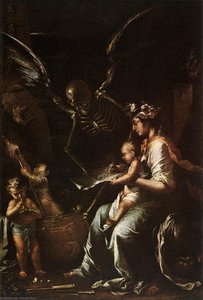
Self-Portrait as Philosopher of Silence
 Acryl auf Leinwand
- Wandkunst
- Baroque Romanticism
 1641
1641 116.0 x 94.0 cm
 National Gallery
 Mehr anzeigen
Giclée / Kunstdruck
Giclée- oder Leinwanddruck in Museumsqualität mit schneller Produktion und flexiblen Veredelungsoptionen. ( Handgemalte Reproduktion kaufen Zum digitalen Bild wechseln)




P118B $10

P118H $10

P118W $10

P438Z $10

P508JH $12

P508YH $12

P805H $10

P805Z $10

P919BZ $10

P919G $10

P919XJ $10

P959ZH $10

P968JZ $12

W106C $8

W218G $10

W218JH $8

W218Y $10

W307PJ $10

W316G $10

W316PJ $8

W316Y $10

W398PJ $8

W4111J $10

W500HY $15

W500JH $15

W692G $12

W849H $8

W940BG $15

W953PJ $8




Wählen Sie aus unseren vordefinierten Formaten, die den ursprünglichen Proportionen des Kunstwerks entsprechen.

Sie können Ihre eigenen Maße eingeben, um ein bestimmtes Format oder einen speziellen Platz einzupassen. Wenn das von Ihnen gewählte Format nicht den Proportionen des Originalbildes entspricht, werden wir das Kunstwerk entweder beschneiden oder das Bild mit einem gespiegelten oder einfarbigen Rand erweitern. Ein digitaler Entwurf wird Ihnen zur Genehmigung zugesandt, bevor die Produktion beginnt.
Bitte beachten Sie, dass die Vorschau auf dem Bildschirm nicht den tatsächlichen Zuschnitt oder die Erweiterung widerspiegelt. Nur der Entwurf zeigt die endgültige Komposition präzise an.
Obwohl Sondermaße verfügbar sind, empfehlen wir die Auswahl eines Maßes aus der vordefinierten Liste, um die ursprünglichen Proportionen zu bewahren.
Weltweiter Versand () innerhalb von 2 Wochen statt der üblichen 4/5 Wochen. (26 September)

Kostenloser weltweiter Expressversand

Hochwertige Leinenleinwand

Vollständiger Versicherungsschutz beim Versand

Zollgebühren-Rückerstattungsgarantie

Garantie für exakte Farbtreue

100-tägiges Rückgaberecht (nur bei Mängeln)

100% Geld-zurück-Garantie

Angebot für Mengenrabatt
 Die Glasoption ist nur für Größen unter 110 cm verfügbar.

Self-Portrait as Philosopher of Silence
Giclée / Kunstdruck
Format der Reproduktion
-


Gesamtpreis
$ 80
Salvator Rosa’s Silent Reflection: An Exploration of Philosophy and Landscape
Salvator Rosa stands apart from his contemporaries as an artist who defied convention and embraced the raw beauty of nature alongside profound philosophical contemplation. Born in Arenella, Naples, in 1615, Rosa's artistic journey was marked by a rebellious spirit that challenged established aesthetic norms—a characteristic that earned him both admiration and censure within the intellectual circles of his time. He cultivated an extraordinary versatility, mastering painting, printmaking, poetry, acting, and music, cementing his legacy as one of Italy’s most multifaceted creative figures. Rosa's distinctive style is instantly recognizable: he eschewed polished surfaces and idealized forms in favor of dramatic landscapes imbued with turbulent skies and rugged terrain—a stylistic choice that reflects his fascination with the untamed wilderness and its capacity to inspire awe and introspection. Influenced by artists like Ribera and Poussin, Rosa nevertheless forged a path uniquely his own, prioritizing emotional intensity over formal adherence to classical ideals. This approach is vividly demonstrated in works such as “Torture of Prometheus,” where he depicts Zeus’s cruel punishment of the Titan Prometheus with unflinching realism—a testament to his commitment to portraying human suffering and moral dilemmas with uncompromising honesty. The painting "Self-Portrait as Philosopher of Silence," created around 1645, exemplifies Rosa's artistic vision perfectly. It is a masterful depiction of himself standing against a stormy sky, holding aloft a tablet inscribed with the Latin phrase “Aut tace / Aut Loquere meliora / Silentiio” (“Either be silent or say something better than silence”). This enigmatic maxim encapsulates Rosa’s philosophical stance—a belief that true wisdom lies in restraint and thoughtful deliberation. The artist's gaze is directed downwards, conveying a solemn seriousness as he confronts the viewer with an expression of melancholy contemplation. Rosa’s meticulous technique—characterized by rapid brushstrokes and a masterful manipulation of light and shadow—contributes significantly to the painting’s emotional impact. He employs a palette dominated by muted browns and greys, mirroring the bleakness of the landscape and reinforcing the pervasive sense of sorrow that permeates the composition. The inclusion of a skull symbolizes mortality and serves as a poignant reminder of the ephemeral nature of human existence—a theme recurrent throughout Rosa's oeuvre. “Self-Portrait as Philosopher of Silence” is more than just a depiction of an individual; it’s a meditation on the relationship between silence and eloquence, between contemplation and action. Rosa invites us to consider the profound wisdom inherent in quiet reflection—a perspective that aligns with Stoic philosophy and underscores the importance of inner resilience amidst external adversity. This artwork continues to resonate with audiences today, offering a timeless message about confronting existential anxieties with courage and grace.- Artist: Salvator Rosa
- Born Year: 1615
- Death Year: 1673
- Birth City: Arenella
- Birth Country: Italy
- Style: Baroque
- Technique: Oil on Canvas
- Size: 116 x 94 cm
- Date: 1641
- Historical Context: Seventeenth-Century Italy – Artistic Rebellion and Philosophical Inquiry
- Symbolism: Skull (Mortality), Tablet (“Silence”), Cypress wreath (Mourning)
- Emotional Impact: Contemplation, Sorrow, Resilience
- Further Research Links:
- Self-Portrait as Philosopher of Silence
- Torture of Prometheus (Salvator Rosa)
- Salvator Rosa - Self-Portrait
- Additional Resources:
- Salvator Rosa
- Salvator Rosa: A Baroque Rebel’s Vision of Landscape, Allegory & the Human Condition
- OriginalUniqueArt.com Reproduction Availability:
- High-Quality Hand-Painted Reproductions Available
Biografie des Künstlers
Frühes Leben und Ausbildung
Salvator Rosa, ein italienischer Barockmaler, Dichter und Grafiker, wurde am 20. Juni oder 21. Juli 1615 in Arenella, Neapel, geboren. Seine Mutter, Giulia Greca Rosa, entstammte einer griechischen Familie aus Sizilien. Trotz seines Vaters Wunsches, dass er Jurist oder Priester wird, zeigte Salvator schon früh eine Vorliebe für die Künste.Künstlerische Karriere
Salvators künstlerische Karriere war geprägt von seinem unkonventionellen und extravaganten Stil, der ihn von seinen Zeitgenossen abhob. Er war in Neapel, Rom und Florenz tätig und seine Arbeit wurde sowohl vom Naturalismus des Ribera als auch vom Klassizismus des Poussin beeinflusst. Dennoch weigerte er sich, sich an einen bestimmten Stil oder eine bestimmte Bewegung zu binden.- Pythagoras, der aus der Unterwelt hervorkommt (Kimbell Art Museum, Fort Worth, USA), eines seiner berühmtesten Werke, zeigt seine einzigartige Mischung aus philosophischen und künstlerischen Themen.
- Seine Taufe des Eunuchen (Chrysler Museum of Art, Norfolk, USA) demonstriert seine Fähigkeit, selbst in kleinere biblische Geschichten dramatische Elemente einzufügen.
Einflüsse und Vermächtnis
Salvators Werk hatte einen bedeutenden Einfluss auf die Entwicklung der Barockkunst. Sein Einfluss ist in den Werken späterer Künstler wie Luca Giordano zu erkennen, der die Grenzen künstlerischen Ausdrucks weiter verschob. Wichtige Links: Salvator Rosas Profil auf OriginalUniqueArt Wikipedia: Salvator Rosa Pythagoras, der aus der Unterwelt hervorkommt auf OriginalUniqueArtEntwicklung und Bedeutung
Salvator Rosa war ein Rebell gegen die Konventionen seiner Zeit. Seine Landschaften waren oft wild und ungezähmt, seine Figuren dramatisch dargestellt und seine Kompositionen dynamisch. Er schuf Werke, die sowohl religiöse als auch mythologische Themen behandelten, aber immer mit einer persönlichen Note der Rebellion und des Zweifelhaften. Er war ein Pionier in der Darstellung von Landschaften als eigenständige Elemente seiner Gemälde, nicht nur als Kulisse für Figuren. Seine Arbeiten spiegeln oft eine pessimistische Weltsicht wider, die sich in düsteren Farben und dramatischen Szenarien manifestiert.Schlussfolgerung
Salvators Leben und Werk faszinieren Kunstliebhaber und Historiker gleichermaßen bis heute. Sein unkonventioneller Stil und seine ständige Rebellion gegen die Normen seiner Zeit haben seinen Platz in den Annalen der Barockkunst gefestigt. Als Maler, Dichter und Grafiker bleibt er eine enigmatische Figur, und seine Arbeit inspiriert weiterhin neue Generationen von Künstlern und Kunstenthusiasten.
Salvator Rosa
1615 - 1673 , Italien
Eckdaten zum Künstler
- Bemerkenswerte Kunstwerke:
- Pythagoras entsteigt der Unterwelt
- Die Taufe des Eunuchen
- Geburtsdatum: 20./21. Juni 1615
- Geburtsort (Stadt, Land): Arenella, Italien
- Künstler Oder Bewegungen, Die Von Diesem Künstler Beeinflusst Wurden: ['Luca Giordano']
- Künstler, Die Diesen Künstler Beeinflussten:
- Ribera
- Poussin
- Künstlerische Bewegung/Stil: Barockmalerei
- Nationalität: Italienisch
- Sterbedatum: 1673
- Vollständiger Name: Salvator Rosa
Verwandte Artikel

Barocke Pracht: Wie Sie Opulenz und Emotionen in zeitgenössische Innenräume bringen
Entdecken Sie die Pracht des Barock! Expertenratgeber für luxuriöse Innenräume mit barocken Elementen. Inspiration, Tipps & hochwertige Kunst bei .

Italian Baroque Unlocked: High-Drama Art That Hits Hard
Dive into the high-drama world of Italian Baroque art. Discover how chiaroscuro, intense emotion, and theatrical lighting redefined aesthetics. Explore the visceral power of the Counter-Reformation through a modern lens with expert insights from OriginalUniqueArt.com.

Barock Meisterwerke: Die 10 prägendsten Kunstwerke für Ihr Zuhause |
Entdecken Sie die 10 prägendsten Meisterwerke des Barock! Caravaggio, Rembrandt & Co. – Erfahren Sie die Geschichten hinter ikonischen Gemälde und finden Sie hochwertige Kunst Reproduktionen für Ihr Zuhause auf .

Drama and Light: A Definitive Guide to the Italian Baroque Masterpieces and the Revolution of Chiaroscuro
Explore the dramatic world of Italian Baroque art. Discover how masters like Caravaggio used chiaroscuro and tenebrism to revolutionize painting through light, shadow, and profound realism. A definitive guide for history lovers and art collectors.

Salvator Rosa: Visionen der Landschaft und die Allegorie des Barock
Entdecken Sie das faszinierende Werk von Salvator Rosa! Unsere Expertenanalyse beleuchtet Leben, Stil und die tiefgründigen Botschaften des Barockmalers. Jetzt lesen!