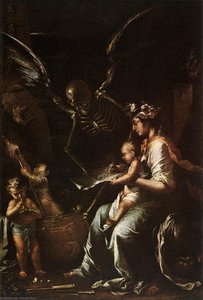
Vorschau anzeigen
 Versenden
 Teilen
 Details anzeigen
 Leitfaden

 Herunterladen
 Ähnliche Objekte
 Röntgenaufnahme
 Diashow
 Q&A
Q&A Statistiken
Self-Portrait

- 99.0 x 79.0 cm


 Weiterlesen
Giclée / Kunstdruck
Giclée- oder Leinwanddruck in Museumsqualität mit schneller Produktion und flexiblen Veredelungsoptionen. ( Handgemalte Reproduktion bestellen Zum digitalen Bild wechseln)




P118B €10

P118H €10

P118W €10

P438Z €10

P508JH €12

P508YH €12

P805H €10

P805Z €10

P919BZ €10

P919G €10

P919XJ €10

P959ZH €10

P968JZ €12

W106C €8

W218G €10

W218JH €8

W218Y €10

W307PJ €10

W316G €10

W316PJ €8

W316Y €10

W398PJ €8

W4111J €10

W500HY €15

W500JH €15

W692G €12

W849H €8

W940BG €15

W953PJ €8




Wählen Sie aus unseren vordefinierten Formaten, die den ursprünglichen Proportionen des Kunstwerks entsprechen.

Geben Sie die benötigte Breite und Höhe an, damit der Druck perfekt in Ihren Rahmen oder an Ihre Wand passt. Ein Druck kann nur beschnitten, aber niemals größer als das Originalbild angefertigt werden; daher verliert ein Format mit anderen Proportionen einen Teil des Bildes. Wir senden Ihnen ein digitales Mockup zur Freigabe, bevor wir den Druck ausführen. Das auf dieser Seite gezeigte Bild zeigt nicht den tatsächlichen Beschnitt – dies ist nur im Mockup ersichtlich.
Weltweiter Versand () innerhalb von 2 Wochen statt der üblichen 4/5 Wochen. (1 November)

Kostenloser weltweiter Expressversand

Hochwertige Leinenleinwand

Umfassender Versicherungsschutz beim Versand

Zollgebühren-Rückerstattungsgarantie

Garantie für exakte Farbtreue

100 Tage Rückgaberecht (nur bei Mängeln)

100% Geld-zurück-Garantie

Mengenrabatt verfügbar
 Die Glasoption ist nur für Größen unter 110 cm verfügbar.

Self-Portrait
Giclée / Kunstdruck
Format der Reproduktion
-


Endpreis
€ 71
Salvator Rosa’s Self-Portrait: A Window into Baroque Thought
Salvator Rosa’s “Self-Portrait,” painted circa 1645, stands as a testament to the burgeoning spirit of philosophical inquiry within the Baroque period. More than just a likeness of the artist himself—Francesco Maria Rosa—the painting delves into themes of contemplation and intellectual pursuit, reflecting Rosa's profound engagement with humanist ideals prevalent during his time.
- Subject Matter: The central figure is depicted in a studio setting, meticulously engaged in sketching or writing on a spherical object – likely a globe. This deliberate choice isn’t merely decorative; it symbolizes Rosa’s ambition to map out the universe of knowledge and understanding, mirroring the broader intellectual currents of the era.
- Style & Technique: Executed in oil paint on canvas, Rosa employs a masterful blend of chiaroscuro—the dramatic interplay of light and shadow—characteristic of Baroque art. This technique amplifies the emotional impact of the portrait, highlighting Rosa’s face and hand as points of focus against a dark, indistinct background.
- Historical Context: Painted during Rosa’s formative years, “Self-Portrait” aligns with the philosophical debates surrounding Pythagoras—the Greek mathematician and philosopher who championed harmony and proportion. Rosa's inclusion of this figure underscores his fascination with rational thought and its role in shaping human experience – a core concern for artists and intellectuals alike.
A Study in Baroque Composition & Texture
Rosa’s brushwork is visible throughout the portrait, particularly in the depiction of Rosa's hair and clothing. This meticulous attention to detail lends texture and realism to the image, conveying a sense of immediacy and capturing the physicality of the artist. The composition itself directs the viewer’s gaze downwards towards Rosa’s work, emphasizing his concentration and embodying the humanist ideal of active engagement with intellectual pursuits.
- Color Palette: Primarily muted earth tones—browns, ochres, and grays—create a subdued yet dignified atmosphere. These colors contribute to the overall mood of introspection and seriousness, aligning perfectly with Rosa’s philosophical interests.
- Lighting & Shadow: The dramatic lighting emphasizes Rosa's face and hand, casting deep shadows that heighten the sense of depth and drama – a hallmark of Baroque painting techniques designed to evoke emotion and convey spiritual significance.
Symbolism Beyond Appearance
"Self-Portrait" transcends mere visual representation; it speaks to the artist’s inner life and intellectual convictions. The globe serves as a powerful symbol of Rosa's desire to comprehend the cosmos—both literally and metaphorically—reflecting the humanist preoccupation with understanding humanity’s place in the universe. Furthermore, Rosa’s posture conveys a quiet dignity and unwavering commitment to his craft, embodying the Renaissance artist’s belief in the transformative power of art.
- Emotional Impact: The portrait invites contemplation and encourages viewers to consider the role of reason and observation in shaping human understanding. It captures not only Rosa's physical likeness but also hints at his personality and profession through the act of creation he undertakes – a gesture that resonates with the humanist spirit of the Baroque era.
A reproduction of Salvator Rosa’s “Self-Portrait” offers an exceptional opportunity to bring this seminal artwork into your home or studio. Its masterful technique, evocative symbolism, and profound philosophical undercurrents continue to inspire admiration and provide insight into the intellectual landscape of seventeenth-century Italy.
Fragen & Antworten
Welche Farbe dominiert in "Self-Portrait" von Salvator Rosa?
Die dominante Farbe von "Self-Portrait" von Salvator Rosa ist Golden Yellow Range. Dieser Farbton bildet die Grundlage der Palette.
Kann ich "Self-Portrait" von Salvator Rosa vor der Bestellung in einer Vorschau ansehen?
Auf der Vorschau im Raum-Seite von „Self-Portrait“ können Sie das Kunstwerk vor der Bestellung in einer Vorschau betrachten.
Wo kann ich einen Druck von "Self-Portrait" von Salvator Rosa kaufen?
"Self-Portrait" ist als ein Fine Art Print auf Baumwollkanvas oder Archiv-Leinwandpapier erhältlich. Bestellungen können in der gewünschten Größe auf der Kunstdruck in Premiumqualität-Seite aufgegeben werden.
Künstlerbiografie
Frühes Leben und Ausbildung
Salvator Rosa, ein italienischer Barockmaler, Dichter und Grafiker, wurde am 20. Juni oder 21. Juli 1615 in Arenella, Neapel, geboren. Seine Mutter, Giulia Greca Rosa, entstammte einer griechischen Familie aus Sizilien. Trotz seines Vaters Wunsches, dass er Jurist oder Priester wird, zeigte Salvator schon früh eine Vorliebe für die Künste.Künstlerische Karriere
Salvators künstlerische Karriere war geprägt von seinem unkonventionellen und extravaganten Stil, der ihn von seinen Zeitgenossen abhob. Er war in Neapel, Rom und Florenz tätig und seine Arbeit wurde sowohl vom Naturalismus des Ribera als auch vom Klassizismus des Poussin beeinflusst. Dennoch weigerte er sich, sich an einen bestimmten Stil oder eine bestimmte Bewegung zu binden.- Pythagoras, der aus der Unterwelt hervorkommt (Kimbell Art Museum, Fort Worth, USA), eines seiner berühmtesten Werke, zeigt seine einzigartige Mischung aus philosophischen und künstlerischen Themen.
- Seine Taufe des Eunuchen (Chrysler Museum of Art, Norfolk, USA) demonstriert seine Fähigkeit, selbst in kleinere biblische Geschichten dramatische Elemente einzufügen.
Einflüsse und Vermächtnis
Salvators Werk hatte einen bedeutenden Einfluss auf die Entwicklung der Barockkunst. Sein Einfluss ist in den Werken späterer Künstler wie Luca Giordano zu erkennen, der die Grenzen künstlerischen Ausdrucks weiter verschob. Wichtige Links: Salvator Rosas Profil auf OriginalUniqueArt Wikipedia: Salvator Rosa Pythagoras, der aus der Unterwelt hervorkommt auf OriginalUniqueArtEntwicklung und Bedeutung
Salvator Rosa war ein Rebell gegen die Konventionen seiner Zeit. Seine Landschaften waren oft wild und ungezähmt, seine Figuren dramatisch dargestellt und seine Kompositionen dynamisch. Er schuf Werke, die sowohl religiöse als auch mythologische Themen behandelten, aber immer mit einer persönlichen Note der Rebellion und des Zweifelhaften. Er war ein Pionier in der Darstellung von Landschaften als eigenständige Elemente seiner Gemälde, nicht nur als Kulisse für Figuren. Seine Arbeiten spiegeln oft eine pessimistische Weltsicht wider, die sich in düsteren Farben und dramatischen Szenarien manifestiert.Schlussfolgerung
Salvators Leben und Werk faszinieren Kunstliebhaber und Historiker gleichermaßen bis heute. Sein unkonventioneller Stil und seine ständige Rebellion gegen die Normen seiner Zeit haben seinen Platz in den Annalen der Barockkunst gefestigt. Als Maler, Dichter und Grafiker bleibt er eine enigmatische Figur, und seine Arbeit inspiriert weiterhin neue Generationen von Künstlern und Kunstenthusiasten.
Salvator Rosa
1615 - 1673 , Italien
Kurzinfos
- Bemerkenswerte Kunstwerke:
- Pythagoras entsteigt der Unterwelt
- Die Taufe des Eunuchen
- Geburtsdatum: 20./21. Juni 1615
- Geburtsort (Stadt, Land): Arenella, Italien
- Künstler Oder Bewegungen, Die Von Diesem Künstler Beeinflusst Wurden: ['Luca Giordano']
- Künstler, Die Diesen Künstler Beeinflussten:
- Ribera
- Poussin
- Künstlerische Bewegung/Stil: Barockmalerei
- Nationalität: Italienisch
- Sterbedatum: 1673
- Vollständiger Name: Salvator Rosa
Ähnliche Artikel

Barock Meisterwerke: Die 10 prägendsten Kunstwerke für Ihr Zuhause |
Entdecken Sie die 10 prägendsten Meisterwerke des Barock! Caravaggio, Rembrandt & Co. – Erfahren Sie die Geschichten hinter ikonischen Gemälde und finden Sie hochwertige Kunst Reproduktionen für Ihr Zuhause auf .

Chiaroscuro & Emotion: Capturing the Dramatic Soul of Baroque Art
Explore the profound drama of Baroque art. Discover how masters used chiaroscuro and intense emotion to capture the soul of the 17th century through light, shadow, and spiritual grandeur in this expert art history guide.

Baroque Classicism: The Grandeur of Order and Drama in 17th-Century Art History
Explore the profound elegance of Baroque Classicism. Discover how 17th-century masters synthesized dramatic emotion with classical order through the lens of the Counter-Reformation and the works of legends like Carlo Maratta and Andrea Sacchi.

Barocke Pracht entschlüsselt: Licht, Drama und Emotion im 17. Jahrhundert
Entdecken Sie die Dramatik des Barock von Caravaggio bis Rubens. Erleben Sie meisterhafte Lichtführung und Emotionen jetzt online.
Meisterwerke des 17. Jahrhunderts: Kunst für Ihr Zuhause | OriginalUniqueArt
Entdecken Sie die 10 bedeutendsten Kunstwerke des 17. Jahrhunderts! Von Rembrandt bis Caravaggio – erleben Sie Barockmalerei, niederländische Meister & klassische Gemälde. Finden Sie Ihre perfekte Reproduktion auf OriginalUniqueArt.com.