In echtem Maßstab anzeigen
 Versenden als Grußkarte
 Teilen
 Details anzeigen
 Leitfaden öffnen

 Herunterladen
 Ähnliche Objekte
 Röntgenaufnahme
 Diashow
 Besucherstatistiken
Hesitation


 Mehr anzeigen
Handgefertigte Ölreproduktion
Handgemaltes Ölgemälde auf Leinwand in Ihrer Wunschgröße und mit Rahmen, auf Bestellung von unseren Künstlern angefertigt. ( Zum Druck wechseln Zum digitalen Bild wechseln)




P118B €10

P118H €10

P118W €10

P438Z €10

P508JH €12

P508YH €12

P805H €10

P805Z €10

P919BZ €10

P919G €10

P919XJ €10

P959ZH €10

P968JZ €12

W106C €8

W218G €10

W218JH €8

W218Y €10

W307PJ €10

W316G €10

W316PJ €8

W316Y €10

W398PJ €8

W4111J €10

W500HY €15

W500JH €15

W692G €12

W849H €8

W940BG €15

W953PJ €8




Wählen Sie aus unseren vordefinierten Formaten, die den ursprünglichen Proportionen des Kunstwerks entsprechen.

Geben Sie die Breite und die Höhe an, die Sie für Ihren Rahmen oder Ihre Wand benötigen. Da dieses Werk handgemalt ist, kann der Künstler bei einer anderen Form etwas mehr um das Bild herum malen oder etwas abschneiden – Sie entscheiden. Wir senden Ihnen ein digitales Mockup zur Freigabe, bevor mit dem Malen begonnen wird. Das auf dieser Seite gezeigte Bild stellt nicht das tatsächliche Ergebnis dar – dies tut nur das Mockup.
Nach der Bestellung wird das OriginalUniqueArt.com-Team dem Kunden Anweisungen per E-Mail zusenden und eine Mockup-Vorschau bereitstellen.
Weltweiter Versand () in nur 3 bis 4 Wochen statt der üblichen 5 Wochen. (24 Oktober). Keine Kompromisse bei der Qualität.

Kostenloser weltweiter Expressversand

Hochwertige Leinenleinwand

Vollständiger Versicherungsschutz beim Versand

Zollgebühren-Rückerstattungsgarantie

Garantie für exakte Farbtreue

100-tägiges Rückgaberecht (nur bei Mängeln)

100% Geld-zurück-Garantie

Angebot für Mengenrabatt
 Die Glasoption ist nur für Größen unter 110 cm verfügbar.

Hesitation
Reproduktionsmedium
Format der Reproduktion
-


Gesamtpreis
€ 285
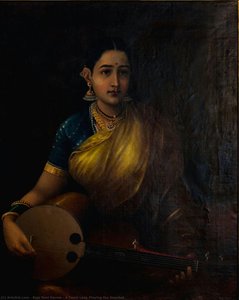
A Moment of Quiet Contemplation: "Hesitation" by Raja Ravi Varma
Raja Ravi Varma’s “Hesitation,” painted circa 1880, is more than just a depiction of a man and woman; it's a profound meditation on emotion, memory, and the delicate dance between longing and acceptance. Executed in a style deeply rooted in the traditions of Mughal and Rajput miniature painting, yet infused with Ravi Varma’s innovative spirit, this large-scale oil on canvas invites viewers into an intimate tableau that speaks across centuries.
- The Narrative Landscape: The composition immediately draws the eye to the central figures – a woman holding a flower and a man seated against a monumental pillar. This arrangement evokes a sense of timelessness, reminiscent of classical storytelling traditions where narrative unfolds through gesture and posture.
- Classical Influences: Ravi Varma’s mastery is evident in his meticulous rendering of form and detail, echoing the grandeur of Mughal court paintings while simultaneously embracing the emotional depth characteristic of Rajput art. The ornate pillar, a dominant feature, serves not merely as a backdrop but as a symbol of strength, permanence, and perhaps even the weight of unspoken thoughts.
A Symphony of Color and Texture
The painting’s palette is dominated by rich, warm tones – deep reds, golds, and browns – punctuated by flashes of turquoise and cream that add vibrancy and visual interest. Ravi Varma's technique employed a masterful use of glazing, layering thin washes of color to achieve luminous effects and an unparalleled depth of tone. The smooth surfaces in areas like the figures’ skin contrast with the pronounced textures within the pillar’s intricate design, creating a tactile quality that invites close inspection.
- Brushwork and Detail: Noticeable is the artist's deliberate brushwork, meticulously applied to define every fold of drapery, the curve of a facial feature, and the delicate petals of the flower. This level of detail wasn’t simply about realism; it was about imbuing the scene with a sense of palpable presence.
- Lighting as Emotion: The dramatic lighting, originating from a single source, casts strong shadows that heighten the emotional intensity of the scene. It directs attention to the woman's face and hands – symbols of vulnerability and perhaps, a hesitant offering of affection.
Symbolism and Historical Context
"Hesitation" was created during a period of significant artistic and cultural exchange in India. Raja Ravi Varma, born into privilege within the Travancore royal family, skillfully navigated the intersection of European academic techniques with deeply ingrained Indian traditions. His work reflects this synthesis, blending classical ideals of beauty with a profound understanding of Indian mythology and courtly life. The flower itself is laden with symbolic meaning – often interpreted as representing beauty, affection, or even a fleeting memory, adding another layer to the painting’s contemplative mood.
- Miniature Painting Traditions: Like all miniature paintings of the era, “Hesitation” employs a flattened perspective and layered tonal variations to create depth rather than relying on linear recession. This technique is characteristic of the miniature tradition, prioritizing narrative clarity and emotional impact over strict realism.
- Raja Ravi Varma’s Legacy: This artwork stands as a testament to Raja Ravi Varma's pivotal role in shaping modern Indian painting, bridging the gap between artistic innovation and cultural heritage.
A Timeless Masterpiece – Recreated for Today
OriginalUniqueArt offers meticulously crafted hand-painted reproductions of “Hesitation,” allowing you to experience the full beauty and emotional depth of this remarkable artwork in your own space. Each reproduction is created using archival materials, ensuring its longevity and preserving the original’s rich colors and intricate details. Bring home a piece of art history – a timeless meditation on love, loss, and the quiet moments that define our lives.
Fragen & Antworten
Ist "Hesitation" urheberrechtlich frei?
Was das Urheberrecht betrifft, so ist "Hesitation" gemeinfrei – das Urheberrecht ist abgelaufen.
Ist "Hesitation" typisch für das, was Raja Ravi Varma üblicherweise geschaffen hat?
Zu den wiederkehrenden Themen von Raja Ravi Varma gehören mughal & rajput traditions, hindu mythology influence, courtly love narratives, indian social customs, royal patronage themes, bridging east & west art, pioneer of indian painting, exploring human emotion; „Hesitation“ konzentriert sich auf indian art, mughal style, portraiture, love story, intimacy, classical painting, floral motif, warm colors.
Welche Farbpalette und welches Gefühl vereint "Hesitation"?
Die Earthy-Palette von "Hesitation" von Raja Ravi Varma harmoniert mit seinem Melancholic emotionalen Tonfall. Farbe ist eine der Arten und Weisen, wie ein Werk Gefühle vermittelt.
Biografie des Künstlers
Frühes Leben und Hintergrund
Raja Ravi Varma, ein gefeierter indischer Maler, wurde am 29. April 1848 in Kilimanoor, Kerala, Indien geboren. Er war eng mit der königlichen Familie von Travancore verbunden und adoptierte später zwei seiner Enkelinnen in diese königliche Familie.Künstlerische Karriere
Varmas künstlerische Karriere ist geprägt von seiner einzigartigen Mischung aus europäischen Techniken mit einem rein indischen Empfinden. Seine Werke gelten als einige der besten Beispiele dieser Fusion, was ihn zu einem der größten Maler der indischen Kunstgeschichte macht. Er verwendete die neuesten europäischen akademischen Kunsttechniken und setzte damit die Tradition und Ästhetik der indischen Kunst fort.- Bemerkenswert für die Herstellung erschwinglicher Lithographien seiner Gemälde, die seine Reichweite und seinen Einfluss als Maler und öffentliche Figur erweiterten.
- Seine Darstellungen hinduistischer Gottheiten und Episoden aus den Epen und Puranas fanden breite Akzeptanz in der Öffentlichkeit und wurden oft als Gegenstände der Verehrung im gesamten Indien gefunden.
Persönliches Leben und königliche Verbindungen
Varma heiratete 1866 Bhageerthi Bayi, ein Mitglied des königlichen Hauses von Mavelikkara. Diese enge Verbindung zur königlichen Familie führte dazu, dass seine Kinder als Angehörige der Königsfamilie galten. Zwei seiner Töchter wurden später in die königliche Familie von Travancore adoptiert, und ihre Nachkommen bilden die heutige königliche Familie.Vermächtnis
Varmas künstlerisches Vermächtnis ist tiefgreifend, seine Arbeit beeinflusste die indische Kunst für mehrere Jahrzehnte. Sein einzigartiger Stil, der europäische Techniken mit indischem Empfinden verbindet, hat ihn zu einem Pionier in der indischen Kunstgeschichte gemacht. Wichtige Werke:- Mahaprabha Amma, eines von Varmas berühmtesten Gemälden, das seine Tochter zeigt.
- Uma Amma, benannt nach Varmas Mutter, die seine Mischung aus europäischen und indischen Techniken zeigt.
- The Museum Mr. amd Mrs. Burton Tremaine Collection (United States), mit moderner und zeitgenössischer Kunst aus aller Welt.
- Raja Ravi Varmas Sammlung auf OriginalUniqueArt, die seine einzigartige Mischung aus indischen und europäischen Kunsttechniken zeigt.
- Raja Ravi Varmas Wikipedia-Seite, die detaillierte Informationen über sein Leben und Werk bietet.
- Die Kunst der indischen Tusche, die die Geschichte und Techniken der indischen Tusche erforscht, einem Medium, das Varma in einigen seiner Werke verwendete.
Einflüsse und Entwicklung
Varmas Werk wurde stark von europäischen akademischen Maltraditionen beeinflusst, insbesondere dem britischen Porträtmalerei des 19. Jahrhunderts. Er studierte unter Gopalaswamy Telang, einem indischen Maler, der in England ausgebildet war, und erwarb Kenntnisse in Ölmalerei und westlichen Kompositionstechniken. Varma passte diese Techniken jedoch an, um sie mit traditionellen indischen Motiven und Stilen zu verbinden. Er schöpfte Inspiration aus hinduistischen Epen wie dem Mahabharata und dem Ramayana sowie aus der indischen Mythologie und Folklore. Seine frühen Werke zeigten einen stärkeren Einfluss europäischer Konventionen, aber im Laufe seiner Karriere entwickelte er einen unverwechselbaren Stil, der die Eleganz westlicher Malerei mit der spirituellen Tiefe und den kulturellen Reichtum Indiens vereinte.Bedeutung in der Kunstgeschichte
Raja Ravi Varma spielte eine entscheidende Rolle bei der Modernisierung der indischen Kunst und der Überbrückung der Kluft zwischen traditioneller und westlicher Ästhetik. Seine Fähigkeit, europäische Techniken mit indischem kulturellen Kontext zu verbinden, machte ihn zu einem Pionier des indischen Nationalismus in der Kunst. Durch die Schaffung erschwinglicher Lithographien seiner Werke trug er dazu bei, die Kunst für ein breiteres Publikum zugänglich zu machen und seine Popularität im ganzen Land zu steigern. Varmas Darstellungen hinduistischer Gottheiten wurden zu ikonischen Bildern der Verehrung und beeinflussten nachfolgende Generationen indischer Künstler nachhaltig.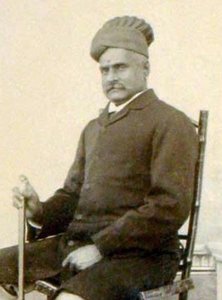
Raja Ravi Varma
1848 - 1906 , Indien
Eckdaten zum Künstler
- Beeinflusste Künstler: ['Europäische Akademiker']
- Bemerkenswerte Werke:
- Mahaprabha Amma
- Uma Amma
- Geburtsdatum: 29. April 1848
- Geburtsort: Kilimanoor, Indien
- Künstlerische Richtung: Europäische & Indische Fusion
- Nationalität: Indisch
- Sterbedatum: 2. Oktober 1906
- Vollständiger Name: Raja Ravi Varma
- Von Künstlern Beeinflusst: ['Indische Traditionen']
Verwandte Artikel
Timeless Resonance: Exploring Classic Vibe in Art – A Historical & Aesthetic Analysis
Explore the rich history & enduring aesthetic of Classicism art! Discover key movements, iconic artists like Raphael & David, and its lasting influence on Western art. Deepen your appreciation today.
The Enduring Legacy of Classical Style: Form, Narrative & Influence in Art
Explore the enduring legacy of classical art – from ancient Greece & Rome to Neoclassicism. Discover key artists, philosophical roots & build a timeless collection with OriginalUniqueArt's expert guidance.
The Enduring Legacy of Classicism: Principles, Evolution & Influence in Western Art
Explore the enduring legacy of Classicism in Western art! Discover its historical context, key principles, iconic masterpieces & lasting influence. Learn about Renaissance and Neoclassical movements with OriginalUniqueArt.

Die 10 Meisterwerke des Neoklassizismus: Kunst für Ihr Zuhause |
Entdecken Sie die 10 Meisterwerke des Neoklassizismus! Von David bis Canova – erleben Sie Kunstgeschichte, elegante Ästhetik & zeitlose Schönheit. Hochwertige Reproduktionen auf .

Raja Ravi Varma: Bridging Tradition & Modernity in 19th-Century Indian Art
Explore the life & art of Raja Ravi Varma, a pioneer who fused European techniques with Indian iconography. Discover his iconic paintings, lasting legacy, and influence on modern Indian art at OriginalUniqueArt.