

 Vorschau anzeigen
 Versenden
 Teilen
 Details anzeigen

 Herunterladen
 Ähnliche Objekte
 Röntgenaufnahme
 Diashow
Medlar Trees, Cagnes


 Weiterlesen
Giclée / Kunstdruck
Giclée- oder Leinwanddruck in Museumsqualität mit schneller Produktion und flexiblen Veredelungsoptionen. ( Handgemalte Reproduktion bestellen Bild kaufen)




P118B $10

P118H $10

P118W $10

P438Z $10

P508JH $12

P508YH $12

P805H $10

P805Z $10

P919BZ $10

P919G $10

P919XJ $10

P959ZH $10

P968JZ $12

W106C $8

W218G $10

W218JH $8

W218Y $10

W307PJ $10

W316G $10

W316PJ $8

W316Y $10

W398PJ $8

W4111J $10

W500HY $15

W500JH $15

W692G $12

W849H $8

W940BG $15

W953PJ $8




Wählen Sie aus unseren vordefinierten Formaten, die den ursprünglichen Proportionen des Kunstwerks entsprechen.

Sie können Ihre eigenen Maße eingeben, um ein bestimmtes Format oder einen speziellen Platz einzupassen. Wenn das von Ihnen gewählte Format nicht den Proportionen des Originalbildes entspricht, werden wir das Kunstwerk entweder beschneiden oder das Bild mit einem gespiegelten oder einfarbigen Rand erweitern. Ein digitaler Entwurf wird Ihnen zur Genehmigung zugesandt, bevor die Produktion beginnt.
Bitte beachten Sie, dass die Vorschau auf dem Bildschirm nicht den tatsächlichen Zuschnitt oder die Erweiterung widerspiegelt. Nur der Entwurf zeigt die endgültige Komposition präzise an.
Obwohl Sondermaße verfügbar sind, empfehlen wir die Auswahl eines Maßes aus der vordefinierten Liste, um die ursprünglichen Proportionen zu bewahren.
Weltweiter Versand () innerhalb von 2 Wochen statt der üblichen 4/5 Wochen. (28 August)

Kostenloser weltweiter Expressversand

Hochwertige Leinenleinwand

Umfassender Versicherungsschutz beim Versand

Zollgebühren-Rückerstattungsgarantie

Garantie für exakte Farbtreue

60 Tage Rückgaberecht (nur bei Mängeln)

100% Geld-zurück-Garantie

Mengenrabatt verfügbar
 Die Glasoption ist nur für Größen unter 110 cm verfügbar.

Medlar Trees, Cagnes
Giclée / Kunstdruck
Format der Reproduktion
-


Gesamtpreis
$ 80
Pierre-Auguste Renoir’s “Medlar Trees, Cagnes” – A Symphony of Light and Southern Charm
“Medlar Trees, Cagnes,” painted in 1908 by Pierre-Auguste Renoir, isn't merely a landscape; it’s an immersion into the heart of Provençal life. This captivating oil on canvas transports us to the sun-drenched hills surrounding Cagnes-sur-Mer, a charming coastal town near Nice, where Renoir sought refuge and inspiration in his later years. The painting captures a fleeting moment – a warm afternoon bathed in golden light, filled with the gentle murmur of conversation beneath the dappled shade of ancient medlar trees.
Renoir’s signature Impressionistic style is immediately apparent. He eschews sharp lines and precise detail in favor of capturing the *impression* of light and color. The brushstrokes are loose and vibrant, creating a sense of movement and spontaneity. Notice how he doesn't meticulously render each leaf or branch; instead, he uses short, broken strokes to suggest form and texture, allowing the eye to complete the image. This technique is particularly evident in the way the sunlight filters through the foliage, scattering shimmering highlights across the scene.
- Color Palette: The dominant hues are warm – a rich palette of greens, ochres, and reds. Renoir masterfully employs complementary colors to create depth and vibrancy, drawing our eye to the focal points within the composition.
- Composition: The arrangement is deceptively simple yet remarkably effective. The trees frame the scene, creating a sense of enclosure and intimacy. The figures strolling beneath them are rendered with a delicate touch, almost as if they’re fleeting memories rather than fully realized characters.
- Technique: Renoir's layering of paint—often applied in thin glazes—allows light to penetrate through the surface, creating an ethereal quality. This technique is crucial to capturing the shimmering effect of sunlight on foliage and water.
A Window into Renoir’s Cagnes Years
Cagnes-sur-Mer held a special significance for Renoir. He moved there in 1907, seeking respite from the bustling Parisian art scene and hoping to alleviate his chronic arthritis. The town's relaxed atmosphere, its proximity to the sea, and the beauty of the surrounding landscape provided him with renewed inspiration. “Medlar Trees, Cagnes” is one of a series of paintings he created during his time in Cagnes, offering a glimpse into his personal life and artistic evolution.
Interestingly, Renoir’s choice of subject matter – humble medlar trees and everyday people – reflects a shift in his artistic focus. After years of painting grand salon scenes and portraits, he began to embrace the simple pleasures of rural life. This move away from formal subjects is mirrored in his technique; he becomes more expressive and less concerned with achieving photographic realism.
Symbolism and Emotional Resonance
Beyond its aesthetic beauty, “Medlar Trees, Cagnes” carries a subtle layer of symbolism. Medlars themselves are associated with autumn and the transition between seasons – a time of reflection and preparation for winter. The figures strolling beneath the trees represent community and connection, suggesting a sense of belonging and shared experience. The painting evokes feelings of tranquility, warmth, and nostalgia—a longing for simpler times and the beauty of nature.
Renoir’s ability to capture these intangible emotions is what makes “Medlar Trees, Cagnes” such a enduringly captivating work of art. It's not just a depiction of a landscape; it’s an invitation to step into a moment of serene contemplation and appreciate the beauty that surrounds us.
A Legacy of Impressionism
“Medlar Trees, Cagnes” stands as a testament to Renoir’s mastery of Impressionism. It exemplifies his signature style—characterized by loose brushwork, vibrant colors, and an emphasis on capturing the fleeting effects of light. The painting's influence can be seen in subsequent generations of artists who followed in his footsteps.
Furthermore, it demonstrates Renoir’s willingness to experiment with new techniques and subject matter, pushing the boundaries of Impressionism while remaining true to his own artistic vision. The painting is a reminder that art can not only reflect reality but also evoke emotions and transport us to another time and place. Reproductions of this iconic work continue to delight viewers worldwide, offering a window into the heart of Renoir’s Cagnes years.
Über den Künstler
frühes Leben und Karriere
pierre-auguste renoir, ein prägender französischer Künstler, wurde am 25. Februar 1841 in Limoges, Frankreich, geboren. Er spielte eine entscheidende Rolle bei der Gestaltung des Impressionismus und war bekannt für sein lebendiges Licht und seine gesättigten Farben. Renoirs Werk feierte Schönheit, insbesondere weibliche Sinnlichkeit, und platzierte ihn in einer Linie von Künstlern, die von Rubens bis Watteau reicht.Künstlerisches Erbe
Renoirs Vermächtnis erstreckte sich über seine Leinwand hinaus, da er der Patriarche einer Familie war, in der Kunst in verschiedenen Formen blühte. Seine Kinder, pierre renoir (1885–1952), Filmemacher jean renoir (1894–1979) und Keramikkünstler claude renoir (1901–1969), leisteten alle bedeutende Beiträge in ihren jeweiligen Bereichen. Sein Enkel, Filmemacher claude renoir (1913–1993), vertiefte das künstlerische Erbe der Familie weiter.Bekannte Werke und Museen
* Dance at Bougival, ein bemerkenswertes Gemälde von Renoir, zeigt seine Meisterschaft beim Festhalten der Essenz des Impressionismus. * Das Musée des Collettes, das sich in Cagnes-sur-Mer, Frankreich, befindet, ist ein Muss für Kunstliebhaber. Dieses Museum, das einst das Zuhause von Pierre-Auguste Renoir war, dient als Zeugnis seines Lebens und Werks und beherbergt fünfzehn seiner Gemälde. * Das Musée Maurice Denis, ein weiteres verstecktes Juwel in Frankreich, präsentiert eine beeindruckende Sammlung französischer Postimpressionistischer Gemälde aus dem späten 19. und frühen 20. Jahrhundert.Renoirs Kunst mit OriginalUniqueArt entdecken
- Entdecken Sie den Charme des Musée des Collettes (Frankreich) und seiner Impressionistenkunst bei OriginalUniqueArt: [https://OriginalUniqueArt.com/@@/a@d3aupf](https://OriginalUniqueArt.com/@@/a@d3aupf)
- Erkunden Sie die Wunder des Musée Maurice Denis (Frankreich) mit OriginalUniqueArt: /de/art/show/art-d3aue3-de/
- Ansehen Sie sich Renoirs Gemälde, einschließlich Dance at Bougival, bei OriginalUniqueArt: [https://OriginalUniqueArt.com/@/pierre-auguste renoir](https://OriginalUniqueArt.com/@/pierre-auguste%20renoir)
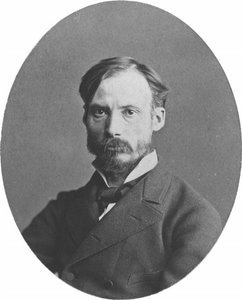
Pierre-Auguste Renoir
1841 - 1919 , Frankreich
Kurzinfos
- Beeinflusste Künstler:
- Rubens
- Watteau
- Bemerkenswerte Werke:
- Tanz im Moulin de la Galette
- Bootsfahrt-Mittagessen
- Nach dem Bad
- Tanz in Bougival
- Geburtsdatum: 25. Februar 1841
- Geburtsort: Limoges, Frankreich
- Künstlerischer Stil: Impressionismus
- Nationalität: Französisch
- Todatum: 3. Dezember 1919
- Vollständiger Name: Pierre-Auguste Renoir
- Von Künstlern Beeinflusst:
- Camille Pissarro
- Édouard Manet
Ähnliche Artikel
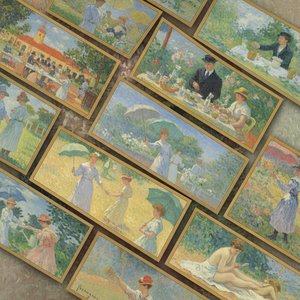
Pierre-Auguste Renoir: Die 25 Meisterwerke des Impressionismus für Ihr Zuhause | OriginalUniqueArt
Entdecken Sie die 25 schönsten Meisterwerke von Pierre-Auguste Renoir! Tauchen Sie ein in die Welt des Impressionismus, erleben Sie berühmte Gemälde wie 'Bal au moulin de la Galette' und finden Sie hochwertige Kunstdrucke für Ihr Zuhause. Jetzt auf OriginalUniqueArt.com!

Paul Cézanne: Die 25 Meisterwerke des Impressionismus | OriginalUniqueArt
Entdecken Sie die 25 Meisterwerke von Paul Cézanne! Tauchen Sie ein in die Welt des Impressionismus und Postimpressionismus. Erfahren Sie mehr über seine Stillleben, Landschaften & berühmten Gemälde – jetzt hochwertige Kunstdrucke auf OriginalUniqueArt.com.

Impressionistische Landschaften: Die 10 Meisterwerke, die eine Epoche prägten | OriginalUniqueArt
Entdecken Sie die 10 Meisterwerke des Impressionismus! Von Monet bis Renoir – erleben Sie die Geschichte, Technik und zeitlose Schönheit ikonischer Landschaftsbilder. Hochwertige Kunstdrucke auf OriginalUniqueArt.com. Jetzt entdecken!

Evocations of Place: A Historical Journey Through Landscape Art
Explore the rich history of landscape art with OriginalUniqueArt. Discover renowned artists, movements like Impressionism & Romanticism, and expert guidance for collecting timeless pieces. Find your perfect serene escape today!

Evocations of Place: A Historical Journey Through Landscape Art
Explore the rich history of landscape art with OriginalUniqueArt. Discover renowned artists, movements like Impressionism & tonalism, and expert guidance for collecting timeless pieces. Find your perfect serene escape today!



