

 In echtem Maßstab anzeigen
 Versenden als Grußkarte
 Teilen
 Details anzeigen

 Herunterladen
 Ähnliche Objekte
 Röntgenaufnahme
 Diashow
 Besucherstatistiken
Landscape (18)

 Mehr anzeigen
Handgefertigte Ölreproduktion
Handgemaltes Ölgemälde auf Leinwand in Ihrer Wunschgröße und mit Rahmen, auf Bestellung von unseren Künstlern angefertigt. ( Zum Druck wechseln Zum digitalen Bild wechseln)




P118B $10

P118H $10

P118W $10

P438Z $10

P508JH $12

P508YH $12

P805H $10

P805Z $10

P919BZ $10

P919G $10

P919XJ $10

P959ZH $10

P968JZ $12

W106C $8

W218G $10

W218JH $8

W218Y $10

W307PJ $10

W316G $10

W316PJ $8

W316Y $10

W398PJ $8

W4111J $10

W500HY $15

W500JH $15

W692G $12

W849H $8

W940BG $15

W953PJ $8




Wählen Sie aus unseren vordefinierten Formaten, die den ursprünglichen Proportionen des Kunstwerks entsprechen.

Sie können Ihre eigenen Maße eingeben, um einen bestimmten Rahmen oder Platz auszufüllen. Wenn die gewählte Größe nicht den Proportionen des Originalbildes entspricht, werden wir das Kunstwerk entweder beschneiden oder das Gemälde durch zusätzliche, handgemalte Elemente erweitern. Ein digitales Mockup wird Ihnen zur Genehmigung zugesandt, bevor die Produktion beginnt.
Bitte beachten Sie, dass die Bildschirmvorschau nicht die tatsächliche Beschneidung oder Erweiterung widerspiegelt. Nur das Mockup zeigt die endgültige Komposition exakt an.
Obwohl Sondermaße verfügbar sind, empfehlen wir, eine Größe aus der vordefinierten Liste zu wählen, um die ursprünglichen Proportionen beizubehalten.
Nach der Bestellung wird das OriginalUniqueArt.com-Team dem Kunden Anweisungen per E-Mail zusenden und eine Mockup-Vorschau bereitstellen.
Weltweiter Versand () in nur 3 bis 4 Wochen statt der üblichen 5 Wochen. (16 September). Keine Kompromisse bei der Qualität.

Kostenloser weltweiter Expressversand

Hochwertige Leinenleinwand

Vollständiger Versicherungsschutz beim Versand

Zollgebühren-Rückerstattungsgarantie

Garantie für exakte Farbtreue

100-tägiges Rückgaberecht (nur bei Mängeln)

100% Geld-zurück-Garantie

Angebot für Mengenrabatt
 Die Glasoption ist nur für Größen unter 110 cm verfügbar.

Landscape (18)
Reproduktionsmedium
Format der Reproduktion
-


Gesamtpreis
$ 300
A Symphony of Light and Tranquility: Unveiling Renoir's "Landscape (18)"
Pierre-Auguste Renoir’s “Landscape (18)” isn’t merely a depiction of a natural vista; it’s an immersion into the heart of Impressionism, a fleeting moment captured with a painter’s deliberate dance of light and color. Created around 1880, this work embodies the core tenets of Renoir's artistic philosophy – his fascination with capturing the ephemeral beauty of everyday life, particularly as experienced in the vibrant streets and gardens of Paris. The painting transports us to a serene scene, dominated by rolling hills bathed in the golden hues of a setting sun, a testament to Renoir’s masterful ability to evoke atmosphere and emotion through purely visual means.
The composition is deceptively simple yet profoundly effective. A gentle slope leads the eye into the distance, punctuated by the dark silhouettes of trees that frame the scene like a natural stage. Two prominent rocks add a touch of groundedness, anchoring the viewer within this idyllic landscape. Renoir’s brushstrokes are loose and visible, characteristic of Impressionism, creating an almost shimmering effect as light dances across the canvas. Notice how he doesn't meticulously render every detail; instead, he focuses on conveying the *impression* of light, texture, and depth – a deliberate choice that prioritizes feeling over strict realism.
The Painter’s Palette: Technique and Style
Renoir employed oil paints on canvas, utilizing a technique known as “broken color.” This involved applying small, distinct strokes of pure pigment directly to the canvas, allowing the viewer's eye to blend them together. This method creates a vibrant luminosity and a sense of movement—as if the light itself is shimmering across the surface. The warm palette – dominated by ochres, yellows, and oranges – reflects the dying sunlight, while subtle blues and greens hint at the approaching twilight. The artist’s layering of colors builds depth and volume, giving the landscape a tangible presence.
- Impressionistic Brushwork: Loose, visible strokes create texture and movement.
- Broken Color Technique: Pure pigments blended by the viewer's eye for luminosity.
- Warm Palette: Dominant use of yellows, oranges, and ochres to capture the sunset’s glow.
A Window into a Parisian World
“Landscape (18)” is deeply rooted in the artistic landscape of late 19th-century Paris. Following his early work with porcelain, Renoir found himself increasingly drawn to capturing the city’s vibrant atmosphere – its bustling markets, elegant cafes, and picturesque gardens. This painting reflects a shift towards landscapes that were less about grand vistas and more about intimate moments within nature. It's reminiscent of scenes he observed in the Bois de Boulogne, a vast park just outside Paris, offering a respite from the city’s relentless energy.
The inclusion of the rocks suggests a connection to the natural world, while the trees represent both stability and the passage of time. The painting can be interpreted as a meditation on beauty, tranquility, and the fleeting nature of existence – themes that were central to Impressionist thought. Renoir’s work during this period often explored the relationship between humanity and nature, seeking to capture the emotional resonance of these encounters.
Beyond the Canvas: Symbolism and Emotional Resonance
While seemingly straightforward, “Landscape (18)” is rich in symbolic meaning. The setting sun represents not just the end of a day but also the passage of time and the inevitability of change. The trees, with their branches reaching towards the sky, can be seen as symbols of aspiration and hope. The overall mood of the painting is one of peaceful contemplation—an invitation to pause, breathe deeply, and appreciate the simple beauty of the natural world. It’s a work that speaks to our innate desire for connection with nature and offers a moment of respite from the complexities of modern life. Reproductions of this piece offer a chance to bring this serene atmosphere into any space, fostering a sense of calm and reflection.
Biografie des Künstlers
frühes Leben und Karriere
pierre-auguste renoir, ein prägender französischer Künstler, wurde am 25. Februar 1841 in Limoges, Frankreich, geboren. Er spielte eine entscheidende Rolle bei der Gestaltung des Impressionismus und war bekannt für sein lebendiges Licht und seine gesättigten Farben. Renoirs Werk feierte Schönheit, insbesondere weibliche Sinnlichkeit, und platzierte ihn in einer Linie von Künstlern, die von Rubens bis Watteau reicht.Künstlerisches Erbe
Renoirs Vermächtnis erstreckte sich über seine Leinwand hinaus, da er der Patriarche einer Familie war, in der Kunst in verschiedenen Formen blühte. Seine Kinder, pierre renoir (1885–1952), Filmemacher jean renoir (1894–1979) und Keramikkünstler claude renoir (1901–1969), leisteten alle bedeutende Beiträge in ihren jeweiligen Bereichen. Sein Enkel, Filmemacher claude renoir (1913–1993), vertiefte das künstlerische Erbe der Familie weiter.Bekannte Werke und Museen
* Dance at Bougival, ein bemerkenswertes Gemälde von Renoir, zeigt seine Meisterschaft beim Festhalten der Essenz des Impressionismus. * Das Musée des Collettes, das sich in Cagnes-sur-Mer, Frankreich, befindet, ist ein Muss für Kunstliebhaber. Dieses Museum, das einst das Zuhause von Pierre-Auguste Renoir war, dient als Zeugnis seines Lebens und Werks und beherbergt fünfzehn seiner Gemälde. * Das Musée Maurice Denis, ein weiteres verstecktes Juwel in Frankreich, präsentiert eine beeindruckende Sammlung französischer Postimpressionistischer Gemälde aus dem späten 19. und frühen 20. Jahrhundert.Renoirs Kunst mit OriginalUniqueArt entdecken
- Entdecken Sie den Charme des Musée des Collettes (Frankreich) und seiner Impressionistenkunst bei OriginalUniqueArt: [https://OriginalUniqueArt.com/@@/a@d3aupf](https://OriginalUniqueArt.com/@@/a@d3aupf)
- Erkunden Sie die Wunder des Musée Maurice Denis (Frankreich) mit OriginalUniqueArt: /de/art/show/art-d3aue3-de/
- Ansehen Sie sich Renoirs Gemälde, einschließlich Dance at Bougival, bei OriginalUniqueArt: [https://OriginalUniqueArt.com/@/pierre-auguste renoir](https://OriginalUniqueArt.com/@/pierre-auguste%20renoir)
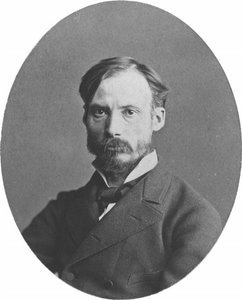
Pierre-Auguste Renoir
1841 - 1919 , Frankreich
Eckdaten zum Künstler
- Beeinflusste Künstler:
- Rubens
- Watteau
- Bemerkenswerte Werke:
- Tanz im Moulin de la Galette
- Bootsfahrt-Mittagessen
- Nach dem Bad
- Tanz in Bougival
- Geburtsdatum: 25. Februar 1841
- Geburtsort: Limoges, Frankreich
- Künstlerischer Stil: Impressionismus
- Nationalität: Französisch
- Todatum: 3. Dezember 1919
- Vollständiger Name: Pierre-Auguste Renoir
- Von Künstlern Beeinflusst:
- Camille Pissarro
- Édouard Manet
Verwandte Artikel

Paul Cézanne: Die 25 Meisterwerke des Impressionismus | OriginalUniqueArt
Entdecken Sie die 25 Meisterwerke von Paul Cézanne! Tauchen Sie ein in die Welt des Impressionismus und Postimpressionismus. Erfahren Sie mehr über seine Stillleben, Landschaften & berühmten Gemälde – jetzt hochwertige Kunstdrucke auf OriginalUniqueArt.com.
Pierre-Auguste Renoir: Die 25 Meisterwerke des Impressionismus für Ihr Zuhause | OriginalUniqueArt
Entdecken Sie die 25 schönsten Meisterwerke von Pierre-Auguste Renoir! Tauchen Sie ein in die Welt des Impressionismus, erleben Sie berühmte Gemälde wie 'Bal au moulin de la Galette' und finden Sie hochwertige Kunstdrucke für Ihr Zuhause. Jetzt auf OriginalUniqueArt.com!

Evocations of Place: A Historical Journey Through Landscape Art
Explore the rich history of landscape art with OriginalUniqueArt. Discover renowned artists, movements like Impressionism & Romanticism, and expert guidance for collecting timeless pieces. Find your perfect serene escape today!

Impressionistische Landschaften: Die 10 Meisterwerke, die eine Epoche prägten | OriginalUniqueArt
Entdecken Sie die 10 Meisterwerke des Impressionismus! Von Monet bis Renoir – erleben Sie die Geschichte, Technik und zeitlose Schönheit ikonischer Landschaftsbilder. Hochwertige Kunstdrucke auf OriginalUniqueArt.com. Jetzt entdecken!

Evocations of Place: A Historical Journey Through Landscape Art
Explore the rich history of landscape art with OriginalUniqueArt. Discover renowned artists, movements like Impressionism & tonalism, and expert guidance for collecting timeless pieces. Find your perfect serene escape today!


