

 Vorschau anzeigen
 Versenden
 Teilen
 Details anzeigen
 Leitfaden

 Herunterladen
 Ähnliche Objekte
 Röntgenaufnahme
 Diashow
 Statistiken
Die Abenteuer mit den Windmühlen


 Weiterlesen
Giclée / Kunstdruck
Giclée- oder Leinwanddruck in Museumsqualität mit schneller Produktion und flexiblen Veredelungsoptionen. ( Handgemalte Reproduktion bestellen Zum digitalen Bild wechseln)




P118B €10

P118H €10

P118W €10

P438Z €10

P508JH €12

P508YH €12

P805H €10

P805Z €10

P919BZ €10

P919G €10

P919XJ €10

P959ZH €10

P968JZ €12

W106C €8

W218G €10

W218JH €8

W218Y €10

W307PJ €10

W316G €10

W316PJ €8

W316Y €10

W398PJ €8

W4111J €10

W500HY €15

W500JH €15

W692G €12

W849H €8

W940BG €15

W953PJ €8




Wählen Sie aus unseren vordefinierten Formaten, die den ursprünglichen Proportionen des Kunstwerks entsprechen.

Geben Sie die benötigte Breite und Höhe an, damit der Druck perfekt in Ihren Rahmen oder an Ihre Wand passt. Ein Druck kann nur beschnitten, aber niemals größer als das Originalbild angefertigt werden; daher verliert ein Format mit anderen Proportionen einen Teil des Bildes. Wir senden Ihnen ein digitales Mockup zur Freigabe, bevor wir den Druck ausführen. Das auf dieser Seite gezeigte Bild zeigt nicht den tatsächlichen Beschnitt – dies ist nur im Mockup ersichtlich.
Weltweiter Versand () innerhalb von 2 Wochen statt der üblichen 4/5 Wochen. (27 Oktober)

Kostenloser weltweiter Expressversand

Hochwertige Leinenleinwand

Umfassender Versicherungsschutz beim Versand

Zollgebühren-Rückerstattungsgarantie

Garantie für exakte Farbtreue

100 Tage Rückgaberecht (nur bei Mängeln)

100% Geld-zurück-Garantie

Mengenrabatt verfügbar
 Die Glasoption ist nur für Größen unter 110 cm verfügbar.

Die Abenteuer mit den Windmühlen
Giclée / Kunstdruck
Format der Reproduktion
-


Endpreis
€ 70
A Bold Vision of Illusion and Reality: Gustave Doré’s “The Adventure with the Windmills”
Gustave Doré's engraving, "The Adventure with the Windmills," stands as a testament to Romanticism’s fascination with dramatic narrative and psychological exploration. Created around 1868, this artwork isn’t merely a depiction of Cervantes’ iconic tale; it’s an embodiment of the era’s preoccupation with idealism colliding head-on with disillusionment—a theme powerfully conveyed through Doré's masterful technique and compositional choices.
- Subject Matter: The engraving captures Don Quixote’s legendary delusion – his unwavering belief that windmills are colossal giants, prompting him to charge valiantly against them. This central image serves as a cornerstone of the narrative, representing the protagonist's struggle to reconcile fantasy with tangible reality.
- Composition & Perspective: Doré employs a dynamic diagonal thrust, positioning Don Quixote and Rocinante prominently in the foreground. Three imposing windmills dominate the background, establishing a scale that underscores Quixote’s fantastical perception. Figures observing from below contribute depth and perspective, enhancing the dramatic impact of the scene.
- Style & Technique: Doré's engraving exemplifies Romantic illustration—characterized by meticulous detail and expressive tonal shading. The artist skillfully utilizes hatching and cross-hatching to sculpt form and texture, creating a palpable sense of movement and conveying the urgency of Quixote’s quest. Fine lines delineate figures and windmills with precision, reflecting the era’s commitment to realism within an emotionally charged framework.
Symbolism: Windmills as Embodiments of Illusion
Beyond its narrative depiction, “The Adventure with the Windmills” resonates deeply with symbolic significance. The windmills themselves represent Quixote's delusion—his inability to discern between imaginative grandeur and mundane reality. They symbolize not just physical obstacles but also the psychological barriers that prevent him from achieving his heroic aspirations. Doré’s portrayal underscores the Romantic preoccupation with confronting irrational beliefs and accepting the limitations of human experience.
Color Palette & Lighting: Monochromatic Drama
The engraving's monochrome palette—primarily shades of gray—amplifies its emotional intensity. Absence of color contributes to a sense of bleakness and reinforces the psychological drama at play. Subtle shading creates depth and highlights textural variations, mirroring the Romantic impulse to capture mood and atmosphere with uncompromising honesty. Diffusion of light lends an ethereal quality to the landscape, furthering the impression of grandeur and vulnerability.
Historical Context & Legacy
"The Adventure with the Windmills" emerged during a pivotal moment in artistic history—the waning years of Romanticism as realism began to gain ascendancy. Doré’s engraving cemented his reputation as a visionary illustrator, influencing subsequent artists and captivating audiences for generations. Its enduring appeal lies in its ability to distill complex themes into a visually arresting image that continues to inspire contemplation on the nature of imagination, delusion, and heroic aspiration—a timeless reflection of Cervantes' masterpiece.
Fragen & Antworten
Welche emotionale Stimmung vermittelt "Die Abenteuer mit den Windmühlen" von Paul Gustave Doré?
„Die Abenteuer mit den Windmühlen“ vermittelt ein Melancholisch Gefühl. Der emotionale Ton beschreibt den Eindruck, den das Werk hinterlässt.
Gibt es einen Leitfaden für "Die Abenteuer mit den Windmühlen" von Paul Gustave Doré?
Der Leitfaden zu „Die Abenteuer mit den Windmühlen“ ist die Leitfaden-Seite des Kunstwerks – ein druckbares Infoblatt, das das Werk mit Bildunterschrift, Urhebervermerk und einer Identifikationstabelle (Künstler, Daten, Medium, Originalgröße, Sammlung) darstellt.
Welche Druckgröße wird für "Die Abenteuer mit den Windmühlen" von Paul Gustave Doré empfohlen?
Die empfohlene Druckgröße für "Die Abenteuer mit den Windmühlen" von Paul Gustave Doré ist Großformatig.
Künstlerbiografie
Paul Gustave Doré: Ein Leben in der Illustration
Frühe Jahre und Anfänge
- Geboren: 6. Januar 1832, in Straßburg, Frankreich.
- Schon als Kind zeigte Doré ein bemerkenswertes künstlerisches Talent und eine frühreife Persönlichkeit. Es gibt Geschichten von seinen frühen Streichen, die eine ungewöhnliche Reife für sein Alter demonstrieren.
- Frühe künstlerische Neigung: Er begann mit dem Zeichnen in sehr jungen Jahren und zeigte schnell außergewöhnliches Können.
- Mit 15 Jahren begann Doré seine berufliche Karriere als Karikaturist für die französische Zeitschrift Le Journal pour rire.
Künstlerische Entwicklung und frühe Werke
- Frühe Aufträge: Zu seinen frühen Arbeiten gehörten illustrierte Bücher wie Les Travaux d'Hercule (1847), Trois artistes incompris et mécontents (1851) und Les Dés-agréments d'un voyage d'agrément (1851).
- Einflüsse: Die Illustrationen von J.J. Grandville waren ein bedeutender Einfluss auf seinen frühen Stil.
- Doré erlangte schnell Anerkennung für seine dynamischen Kompositionen und seine dramatische Verwendung von Licht und Schatten, selbst in seinen frühen Werken.
- Er erhielt Aufträge zur Illustration klassischer Literatur, darunter Werke von Cervantes, Rabelais, Balzac, Milton und Dante.
Internationale Anerkennung und bedeutende Leistungen
- Illustrationen literarischer Giganten: Im Jahr 1853 wurde er beauftragt, die Werke von Lord Byron zu illustrieren, gefolgt von einem monumentalen illustrierten Bibelprojekt.
- Der Wandersmann (1856): Dieses Werk enthielt antisemitische Untertöne, die dem damaligen Zeitalter entsprachen.
- Don Quixote: Seine Illustrationen von Cervantes’ Don Quixote in den 1860er Jahren beeinflussten die nachfolgenden Interpretationen der Charaktere und der Geschichte maßgeblich.
- Der Rabe (1883): Dorés überdimensionierte Ausgabe von Edgars Allan Poes “Der Rabe” brachte ihm 30.000 Francs von Harper & Brothers ein.
- London: Eine Pilgerreise (1872): Diese Zusammenarbeit mit Blanchard Jerrold zeigte die harten Realitäten des viktorianischen Londons und löste Kontroversen wegen seines Fokus auf Armut aus.
Stil und Techniken
- Meisterschaft im Holzschnitt: Doré war ein Meister des Holzschnitts, der unglaublich detaillierte und dramatische Bilder schuf.
- Dramatische Komposition: Sein Werk ist durch dynamische Kompositionen, starke Kontraste zwischen Licht und Schatten (Chiaroscuro) und ein Gefühl von Größe geprägt.
- Er setzte oft ein großes Team von Blockcutter ein, um seine Entwürfe in Holzschnitte zu übersetzen, was die Massenproduktion ermöglichte.
- Romantik: Sein Stil ist fest in der Romantik verwurzelt und betont Emotionen, Vorstellungskraft und das Erhabene.
Vermächtnis und historische Bedeutung
- Auszeichnungen & Ehrungen: Doré wurde 1861 durch die französische Regierung zum Ritter des Ordens der Légion d'honneur ernannt.
- Seine Illustrationen hatten einen weitreichenden Einfluss auf die visuelle Kultur und beeinflussten Künstler und Leser über Generationen hinweg.
- Einfluss auf spätere Künstler: Er inspirierte Künstler wie Vincent van Gogh, der seine Darstellungen von Leid und Not bewunderte.
- Trotz einiger zeitgenössischer Kritik wird Dorés Werk heute für sein künstlerisches Verdienst und seine historische Bedeutung gefeiert. Seine Illustrationen prägen weiterhin unser Verständnis der klassischen Literatur und der viktorianischen Gesellschaft.
- Tod: Paul Gustave Doré starb am 23. Januar 1883, hinterließ ein großes und dauerhaftes Vermächtnis.
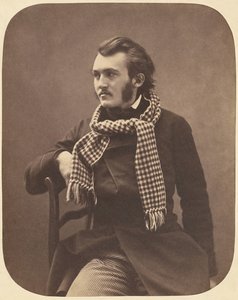
Paul Gustave Doré
1832 - 1883 , Frankreich
Kurzinfos
- Beeinflusste Künstler: ['J. J. Grandville']
- Bemerkenswerte Werke:
- Les Travaux d'Hercule
- Don Quixote-Illustrationen
- Dantes Inferno-Illustrationen
- The Raven-Illustrationen
- London: A Pilgrimage
- Geburtsdatum: 6. Januar 1832
- Geburtsort: Straßburg, Frankreich
- Künstlerischer Stil: Romantik
- Nationalität: Französisch
- Sterbedatum: 23. Januar 1883
- Vollständiger Name: Paul Gustave Doré
- Von Künstlern Beeinflusst:
- H. P. Lovecraft
- Théophile Gautier
- Vincent van Gogh
Ähnliche Artikel
Gustave Doré: Meister des Romantischen Realismus und der illustrierten Imagination
Entdecken Sie das faszinierende Werk von Gustave Doré – Meister des Romantischen Realismus und brillanter Illustrator! Erfahren Sie mehr über sein Leben, seine ikonischen Illustrationen & seinen unterschätzten Beitrag zur Kunstgeschichte.

Die filigrane Welt des Kupferstichs: Technik, Kunst und bleibendes Erbe
Entdecken Sie die faszinierende Welt des Kupferstichs! Erfahren Sie alles über Technik, Geschichte, Künstler und Sammlungen – mit Expertenwissen von OriginalUniqueArt.

Gustav Klimt: Die 25 Meisterwerke des Wiener Jugendstils | OriginalUniqueArt
Entdecken Sie die 25 ikonischsten Gemälde von Gustav Klimt! Tauchen Sie ein in die Welt der Wiener Secession, des Jugendstils und der goldenen Phase. Hochwertige Reproduktionen & Inspiration für Ihr Zuhause auf OriginalUniqueArt.com.
Die 10 legendärsten Radierungen: Meisterwerke, die Kunstgeschichte schrieben | OriginalUniqueArt
Entdecken Sie die 10 legendärsten Radierungen von Dürer, Rembrandt & Goya! Erfahren Sie die Geschichten hinter diesen Meisterwerken der Kunstgeschichte und lassen Sie sich von Druckgrafik inspirieren. Hochwertige Kunstdrucke auf OriginalUniqueArt.com – für Ihr Zuhause.

Engraving: A Historical Survey of Technique, Artistic Expression & Enduring Legacy
Explore the rich history of engraving with OriginalUniqueArt. Discover techniques, iconic artists like Dürer & Callot, collecting tips, and expert guidance for preserving your art investment. Learn about intaglio printing & more!


