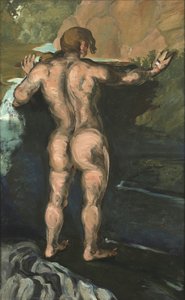
Vorschau anzeigen
 Versenden
 Teilen
 Details anzeigen

 Herunterladen
 Ähnliche Objekte
 Röntgenaufnahme
 Diashow
 Statistiken
Der Blaue Vasen


 Weiterlesen
Giclée / Kunstdruck
Giclée- oder Leinwanddruck in Museumsqualität mit schneller Produktion und flexiblen Veredelungsoptionen. ( Handgemalte Reproduktion bestellen Zum digitalen Bild wechseln)




P118B $10

P118H $10

P118W $10

P438Z $10

P508JH $12

P508YH $12

P805H $10

P805Z $10

P919BZ $10

P919G $10

P919XJ $10

P959ZH $10

P968JZ $12

W106C $8

W218G $10

W218JH $8

W218Y $10

W307PJ $10

W316G $10

W316PJ $8

W316Y $10

W398PJ $8

W4111J $10

W500HY $15

W500JH $15

W692G $12

W849H $8

W940BG $15

W953PJ $8




Wählen Sie aus unseren vordefinierten Formaten, die den ursprünglichen Proportionen des Kunstwerks entsprechen.

Sie können Ihre eigenen Maße eingeben, um ein bestimmtes Format oder einen speziellen Platz einzupassen. Wenn das von Ihnen gewählte Format nicht den Proportionen des Originalbildes entspricht, werden wir das Kunstwerk entweder beschneiden oder das Bild mit einem gespiegelten oder einfarbigen Rand erweitern. Ein digitaler Entwurf wird Ihnen zur Genehmigung zugesandt, bevor die Produktion beginnt.
Bitte beachten Sie, dass die Vorschau auf dem Bildschirm nicht den tatsächlichen Zuschnitt oder die Erweiterung widerspiegelt. Nur der Entwurf zeigt die endgültige Komposition präzise an.
Obwohl Sondermaße verfügbar sind, empfehlen wir die Auswahl eines Maßes aus der vordefinierten Liste, um die ursprünglichen Proportionen zu bewahren.
Weltweiter Versand () innerhalb von 2 Wochen statt der üblichen 4/5 Wochen. (13 September)

Kostenloser weltweiter Expressversand

Hochwertige Leinenleinwand

Umfassender Versicherungsschutz beim Versand

Zollgebühren-Rückerstattungsgarantie

Garantie für exakte Farbtreue

100-Tage-Rückgaberecht (nur bei Mängeln)

100% Geld-zurück-Garantie

Mengenrabatt verfügbar
 Die Glasoption ist nur für Größen unter 110 cm verfügbar.

Der Blaue Vasen
Giclée / Kunstdruck
Format der Reproduktion
-


Gesamtpreis
$ 80
Paul Cézannes Die blaue Vase: Eine Brücke zwischen den Welten
Paul Cézannes Die blaue Vase, entstanden um 1887, ist nicht bloß ein Stillleben; sie markiert einen entscheidenden Wendepunkt in der Entwicklung der modernen Kunst. Oft als eines seiner bedeutendsten Werke betrachtet, transzendiert diese scheinbar einfache Darstellung einer blauen Vase mit rosa Blumen und umgeben von Früchten die reine Repräsentation. Sie wird zu einer tiefgreifenden Untersuchung von Form, Farbe und Licht – Konzepte, die nachfolgende Generationen von Künstlern zutiefst beeinflussen sollten. Cézanne war nicht daran interessiert, einen flüchtigen Eindruck einzufangen; stattdessen suchte er danach, das Wesen seines Sujets zu destillieren, indem er über die Konventionen der akademischen Malerei hinausging und den Grundstein für den Kubismus und die Abstraktion legte.
Geboren in eine wohlhabende Familie in Aix-en-Provence, genoss Cézanne eine relative Freiheit bei der Verfolgung seiner künstlerischen Leidenschaften, die für Künstler seiner Zeit ungewöhnlich war. Dies ermöglichte es ihm, unermüdlich zu experimentieren und die vorherrschenden Trends des Impressionismus zugunsten eines strukturierteren und bewussteren Ansatzes abzulehnen. Er sagte berühmt: „Ich male, wie ich sehe, nicht wie andere gesehen haben“, was seinen Wunsch widerspiegelt, sich von etablierten Normen zu befreien und seine eigene visuelle Sprache zu erschaffen. Die blaue Vase verkörpert diese Philosophie perfekt – sie ist eine sorgfältig konstruierte Komposition, die darauf ausgelegt ist, die zugrunde liegende Geometrie der Objekte zu offenbaren, anstatt lediglich deren äußere Erscheinung nachzuahmen.
Dekonstruktion der Realität: Cézannes revolutionäre Technik
Cézannes Technik in Die blaue Vase war für ihre Zeit bemerkenswert innovativ. Er wandte eine Methode an, bei der Formen durch kleine, aufgelockerte Pinselstriche aufgebaut wurden – eine Technik, die er als „alla prima“ bezeichnete. Anstatt Farben sanft miteinander zu verblenden, schichtete er sie direkt auf die Leinwand auf, wodurch ein mosaikartiger Effekt entstand, der die einzelnen Ebenen und Volumina jedes Obere betont. Das Blau der Vase ist keine einheitliche Farbe; es verändert sich subtil je nach Lichteinfall und der Wechselwirkung mit den umgebenden Formen. Diese bewusste Manipulation der Farbe ist entscheidend für Cézannes Erforschung der Wahrnehmung – er versuchte nicht, eine Illusion von Tiefe zu erzeugen, sondern vielmehr darzustellen, wie wir die Welt tatsächlich sehen: als eine Sammlung distinkter Formen und Farben, die im Raum miteinander interagieren.
Beachten Sie auch seinen Umgang mit der Perspektive. Cézanne verzerrte bewusst die traditionelle Linearperspektive, ebnete die Bildebene ab und deutete mehrere Blickwinkel gleichzeitig an. Dies erzeugt ein Gefühl von Dynamik und Bewegung innerhalb der Komposition und lenkt das Auge des Betrachters um die Anordnung der Objekte herum. Die Äpfel, mit kräftigen, lebendigen Farben gemalt, scheinen im Raum zu schweben, was zum allgemeinen Gefühl von Solidität und Gewicht des Gemäldes beiträgt.
Symbolik und emotionale Resonanz
Obwohl Cézanne auf offensichtliche Symbolik verzichtete, ist Die blaue Vase reich an subtilen visuellen Hinweisen. Die blaue Vase selbst kann als Symbol für Stabilität und Beständigkeit interpretiert werden – ein erdendes Element inmitten der flüchtigeren Qualitäten der Blumen und Früchte. Die rosa Blüten, die vor Farbe sprühen, repräsentieren Leben und Vitalität, während die Äpfel Vorstellungen von Fülle und Nahrung hervorrufen. Es ist jedoch wichtig anzumerken, dass Cézanne nicht daran interessiert war, spezifische Erzählungen zu vermitteln; sein primäres Anliegen war die Erforschung der fundamentalen Elemente von Form, Farbe und Licht.
Trotz ihrer scheinbar einfachen Thematik besitzt Die blaue Vase eine tiefe emotionale Resonanz. Sie ruft ein Gefühl stiller Kontemplation hervor und lädt den Betrachter ein, inne zu halten und die Schönheit alltäglicher Gegenstände zu schätzen. Cézannes meisterhafte Manipulation von Farbe und Form schafft eine harmonische Komposition, die sowohl visuell stimulierend als auch zutiefst befriedigend ist – ein Zeugnis seines Genies als einer der einflussreichsten Künstler der Moderne.
Ein Vermächtnis in der Reproduktion: Cézanne nach Hause bringen
OriginalUniqueArt bietet akribisch handgemalte Reproduktionen von Die blaue Vase an, die es Ihnen ermöglichen, die Kunstfertigkeit und Innovation Paul Cézannes in Ihrem eigenen Zuhause zu erleben. Unsere erfahrenen Kunsthandwerker rekonstruieren Cézannes aufgelöste Pinselstriche, seine nuancierte Farbpalette und seine einzigartige Perspektive originalgetreu, um sicherzustellen, dass Ihre Reproduktion die Essenz dieses ikonischen Meisterwerks einfängt. Ob Sie ein Kunstliebhaber, ein Sammler oder einfach nur auf der Suche nach einem Hauch künstlerischer Raffinesse für Ihre Inneneinrichtung sind – eine OriginalUniqueArt-Reproduktion von Die blaue Vase ist eine zeitlose Investition – eine wunderschöne Erinnerung an Cézannes revolutionäre Vision und sein bleibendes Erbe.
Über den Künstler
frühes Leben und Einflüsse
Paul Cézanne, ein französischer Post-Impressionist-Maler, wurde am 19. Januar 1839 in Aix-en-Provence, Frankreich, geboren. Sein frühes Leben war geprägt von einer starken Verbindung zu seiner Familie’s Bankgeschäft, das ihm finanzielle Sicherheit verschaffte. Dies ermöglichte es ihm, sich ohne finanziellen Druck auf seine künstlerischen Bestrebungen zu konzentrieren. Les Nabis, Neo-Impressionismus und Symbolismus beeinflussten Cézannes frühe Arbeit, die sich durch seinen Schwerpunkt auf geometrische Formen und eine reduzierte Farbpalette auszeichnete. Sein Interesse an den Werken von Paul Gauguin und Georges Seurat festigte seinen Post-Impressionismusstil.Künstlerischer Stil und Techniken
Cézannes innovative Verwendung von Farbflächen und kleinen, sich wiederholenden Pinselstrichen schuf komplexe Felder, die seine intensive Beschäftigung mit den Motiven widerspiegelten. Sein oft explorativer Ansatz in der Kunst führte zur Entwicklung einer neuen bildlichen Sprache, die die zugrunde liegende Struktur von Objekten in einer Komposition betonte.- Schlüsselmerkmale:
- Geometrische Formen und Facetten
- Reduzierte Farbpalette
- Betonung der konstruktiven Essenz der physischen Welt
- Mehrere Perspektiven und Simultaneität
- Einflussreiche Werke:
- The Pond at Jas de Bouffan (1880)
- Portrait of Emile Zola (1866)
- Wald (1892)
- Museen mit Cézannes Werken:
- Musée Marmottan Monet in Paris, Frankreich
- The Museum of Fine Arts in Houston, Vereinigte Staaten
Vermächtnis und Einfluss
Cézannes bahnbrechende Arbeit im Post-Impressionismus ebnete den Weg für verschiedene Avantgarde-Bewegungen, darunter Kubismus, Fauvismus und Surrealismus. Sein Einfluss ist in den Werken von Pablo Picasso, Henri Matisse und Georges Braque zu sehen. Cézannes Vermächtnis inspiriert weiterhin Künstler und Kunstinteressierte gleichermaßen und festigt seinen Platz als eine zentrale Figur in der Geschichte der modernen Kunst.- Verwandte Kunstbewegungen:
- Betrachten Sie Cézannes Werke:
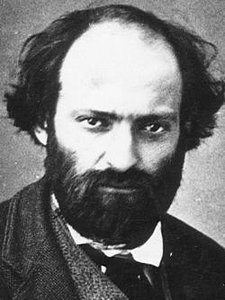
Paul Cézanne
1839 - 1906 , Frankreich
Kurzinfos
- Beeinflusste Künstler:
- Paul Gauguin
- Georges Seurat
- Bemerkenswerte Werke:
- Der Teich in Jas de Bouffan
- Porträt von Émile Zola
- Wald
- Mont Sainte-Victoire
- Geburtsdatum: 19. Januar 1839
- Geburtsort: Aix-en-Provence, Frankreich
- Künstlerische Bewegung: Postimpressionismus
- Nationalität: Französisch
- Sterbedatum: 1906
- Vollständiger Name: Paul Cézanne
- Von Ihm Beeinflusste Künstler:
- Pablo Picasso
- Henri Matisse
- Georges Braque
Ähnliche Artikel

Paul Cézanne: Die 25 Meisterwerke des Impressionismus | OriginalUniqueArt
Entdecken Sie die 25 Meisterwerke von Paul Cézanne! Tauchen Sie ein in die Welt des Impressionismus und Postimpressionismus. Erfahren Sie mehr über seine Stillleben, Landschaften & berühmten Gemälde – jetzt hochwertige Kunstdrucke auf OriginalUniqueArt.com.

Postimpressionismus: Die 10 Meisterwerke, die eine Ära prägten –
Entdecken Sie die 10 Meisterwerke des Postimpressionismus! Van Gogh, Cézanne & Co. – ihre Geschichten, Techniken und zeitlose Schönheit. Kunstdrucke in Museumsqualiät auf . Jetzt entdecken!

Die Top 10 Gemälde in Schattierungen von 'Slate Blue': Kunst für Ihr Zuhause
Entdecken Sie die Top 10 Gemälde in faszinierenden 'Slate Blue' Tönen! Von Monet bis Manet – erleben Sie Kunstgeschichte und lassen Sie sich von Meisterwerken inspirieren. Hochwertige Kunstdrucke auf

Impressionismus Meisterwerke: Die Top 10 Kunstwerke für Ihr Zuhause | OriginalUniqueArt
Entdecken Sie die Top 10 Meisterwerke des Impressionismus! Von Monet bis Renoir – erfahren Sie die Geschichten hinter berühmten Gemälden, Techniken & Farben. Hochwertige Kunstdrucke auf OriginalUniqueArt.com.
Jenseits des Impressionismus: Die emotionale Tiefe der postimpressionistischen Malerei
Entdecken Sie die emotionale Tiefe des Postimpressionismus! Analysieren Sie Cézanne, van Gogh, Gauguin & Seurat. Expertenwissen über Kunstgeschichte und Einfluss auf die Moderne.