Vorschau anzeigen
 Versenden
 Teilen
 Details anzeigen
 Leitfaden

 Herunterladen
 Ähnliche Objekte
 Röntgenaufnahme
 Diashow
 Fragen & Antworten
 Statistiken
Der Blaue Vasen


 Weiterlesen
Giclée / Kunstdruck
Giclée- oder Leinwanddruck in Museumsqualität mit schneller Produktion und flexiblen Veredelungsoptionen. ( Handgemalte Reproduktion bestellen Zum digitalen Bild wechseln)




P118B €10

P118H €10

P118W €10

P438Z €10

P508JH €12

P508YH €12

P805H €10

P805Z €10

P919BZ €10

P919G €10

P919XJ €10

P959ZH €10

P968JZ €12

W106C €8

W218G €10

W218JH €8

W218Y €10

W307PJ €10

W316G €10

W316PJ €8

W316Y €10

W398PJ €8

W4111J €10

W500HY €15

W500JH €15

W692G €12

W849H €8

W940BG €15

W953PJ €8




Wählen Sie aus unseren vordefinierten Formaten, die den ursprünglichen Proportionen des Kunstwerks entsprechen.

Geben Sie die benötigte Breite und Höhe an, damit der Druck perfekt in Ihren Rahmen oder an Ihre Wand passt. Ein Druck kann nur beschnitten, aber niemals größer als das Originalbild angefertigt werden; daher verliert ein Format mit anderen Proportionen einen Teil des Bildes. Wir senden Ihnen ein digitales Mockup zur Freigabe, bevor wir den Druck ausführen. Das auf dieser Seite gezeigte Bild zeigt nicht den tatsächlichen Beschnitt – dies ist nur im Mockup ersichtlich.
Weltweiter Versand () innerhalb von 2 Wochen statt der üblichen 4/5 Wochen. (13 November)

Kostenloser weltweiter Expressversand

Hochwertige Leinenleinwand

Umfassender Versicherungsschutz beim Versand

Zollgebühren-Rückerstattungsgarantie

Garantie für exakte Farbtreue

100 Tage Rückgaberecht (nur bei Mängeln)

100% Geld-zurück-Garantie

Mengenrabatt verfügbar
 Die Glasoption ist nur für Größen unter 110 cm verfügbar.

Der Blaue Vasen
Giclée / Kunstdruck
Format der Reproduktion
-


Endpreis
€ 72
Paul Cézannes Die blaue Vase: Eine Brücke zwischen den Welten
Paul Cézannes Die blaue Vase, entstanden um 1887, ist nicht bloß ein Stillleben; sie markiert einen entscheidenden Wendepunkt in der Entwicklung der modernen Kunst. Oft als eines seiner bedeutendsten Werke betrachtet, transzendiert diese scheinbar einfache Darstellung einer blauen Vase mit rosa Blumen und umgeben von Früchten die reine Repräsentation. Sie wird zu einer tiefgreifenden Untersuchung von Form, Farbe und Licht – Konzepte, die nachfolgende Generationen von Künstlern zutiefst beeinflussen sollten. Cézanne war nicht daran interessiert, einen flüchtigen Eindruck einzufangen; stattdessen suchte er danach, das Wesen seines Sujets zu destillieren, indem er über die Konventionen der akademischen Malerei hinausging und den Grundstein für den Kubismus und die Abstraktion legte.
Geboren in eine wohlhabende Familie in Aix-en-Provence, genoss Cézanne eine relative Freiheit bei der Verfolgung seiner künstlerischen Leidenschaften, die für Künstler seiner Zeit ungewöhnlich war. Dies ermöglichte es ihm, unermüdlich zu experimentieren und die vorherrschenden Trends des Impressionismus zugunsten eines strukturierteren und bewussteren Ansatzes abzulehnen. Er sagte berühmt: „Ich male, wie ich sehe, nicht wie andere gesehen haben“, was seinen Wunsch widerspiegelt, sich von etablierten Normen zu befreien und seine eigene visuelle Sprache zu erschaffen. Die blaue Vase verkörpert diese Philosophie perfekt – sie ist eine sorgfältig konstruierte Komposition, die darauf ausgelegt ist, die zugrunde liegende Geometrie der Objekte zu offenbaren, anstatt lediglich deren äußere Erscheinung nachzuahmen.
Dekonstruktion der Realität: Cézannes revolutionäre Technik
Cézannes Technik in Die blaue Vase war für ihre Zeit bemerkenswert innovativ. Er wandte eine Methode an, bei der Formen durch kleine, aufgelockerte Pinselstriche aufgebaut wurden – eine Technik, die er als „alla prima“ bezeichnete. Anstatt Farben sanft miteinander zu verblenden, schichtete er sie direkt auf die Leinwand auf, wodurch ein mosaikartiger Effekt entstand, der die einzelnen Ebenen und Volumina jedes Obere betont. Das Blau der Vase ist keine einheitliche Farbe; es verändert sich subtil je nach Lichteinfall und der Wechselwirkung mit den umgebenden Formen. Diese bewusste Manipulation der Farbe ist entscheidend für Cézannes Erforschung der Wahrnehmung – er versuchte nicht, eine Illusion von Tiefe zu erzeugen, sondern vielmehr darzustellen, wie wir die Welt tatsächlich sehen: als eine Sammlung distinkter Formen und Farben, die im Raum miteinander interagieren.
Beachten Sie auch seinen Umgang mit der Perspektive. Cézanne verzerrte bewusst die traditionelle Linearperspektive, ebnete die Bildebene ab und deutete mehrere Blickwinkel gleichzeitig an. Dies erzeugt ein Gefühl von Dynamik und Bewegung innerhalb der Komposition und lenkt das Auge des Betrachters um die Anordnung der Objekte herum. Die Äpfel, mit kräftigen, lebendigen Farben gemalt, scheinen im Raum zu schweben, was zum allgemeinen Gefühl von Solidität und Gewicht des Gemäldes beiträgt.
Symbolik und emotionale Resonanz
Obwohl Cézanne auf offensichtliche Symbolik verzichtete, ist Die blaue Vase reich an subtilen visuellen Hinweisen. Die blaue Vase selbst kann als Symbol für Stabilität und Beständigkeit interpretiert werden – ein erdendes Element inmitten der flüchtigeren Qualitäten der Blumen und Früchte. Die rosa Blüten, die vor Farbe sprühen, repräsentieren Leben und Vitalität, während die Äpfel Vorstellungen von Fülle und Nahrung hervorrufen. Es ist jedoch wichtig anzumerken, dass Cézanne nicht daran interessiert war, spezifische Erzählungen zu vermitteln; sein primäres Anliegen war die Erforschung der fundamentalen Elemente von Form, Farbe und Licht.
Trotz ihrer scheinbar einfachen Thematik besitzt Die blaue Vase eine tiefe emotionale Resonanz. Sie ruft ein Gefühl stiller Kontemplation hervor und lädt den Betrachter ein, inne zu halten und die Schönheit alltäglicher Gegenstände zu schätzen. Cézannes meisterhafte Manipulation von Farbe und Form schafft eine harmonische Komposition, die sowohl visuell stimulierend als auch zutiefst befriedigend ist – ein Zeugnis seines Genies als einer der einflussreichsten Künstler der Moderne.
Ein Vermächtnis in der Reproduktion: Cézanne nach Hause bringen
OriginalUniqueArt bietet akribisch handgemalte Reproduktionen von Die blaue Vase an, die es Ihnen ermöglichen, die Kunstfertigkeit und Innovation Paul Cézannes in Ihrem eigenen Zuhause zu erleben. Unsere erfahrenen Kunsthandwerker rekonstruieren Cézannes aufgelöste Pinselstriche, seine nuancierte Farbpalette und seine einzigartige Perspektive originalgetreu, um sicherzustellen, dass Ihre Reproduktion die Essenz dieses ikonischen Meisterwerks einfängt. Ob Sie ein Kunstliebhaber, ein Sammler oder einfach nur auf der Suche nach einem Hauch künstlerischer Raffinesse für Ihre Inneneinrichtung sind – eine OriginalUniqueArt-Reproduktion von Die blaue Vase ist eine zeitlose Investition – eine wunderschöne Erinnerung an Cézannes revolutionäre Vision und sein bleibendes Erbe.
Fragen & Antworten
Wo finde ich Statistiken zu "Der Blaue Vasen" von Paul Cézanne?
Die Seite Besucherzahlen von "Der Blaue Vasen" von Paul Cézanne präsentiert öffentliche Besucherstatistiken: die monatlichen Aufrufe dieses Kunstwerks, einen Vergleich mit den meistbesuchten Werken des Künstlers sowie die Herkunft der Besucher.
Welche Bedeutung kommt "Der Blaue Vasen" von Paul Cézanne in der Kunstgeschichte zu?
"Der Blaue Vasen" von Paul Cézanne gehört der Strömung des Post-Impressionism innerhalb der Moderne-Epoche an. Zusammen verleihen sie dem Werk seinen Platz in der Kunstgeschichte.
Welche Art von Kunstwerk ist "Der Blaue Vasen" von Paul Cézanne?
"Der Blaue Vasen" von Paul Cézanne wird als Wandkunst klassifiziert. Die Kategorie beschreibt die Art des Kunstwerks, um das es sich beim Original handelt.
Künstlerbiografie
Das frühe Leben von Paul Cézanne
Am 19. Januar 1839, in der Rue de l'Opéra 28 in Aix-en-Provence geboren, trat Paul Cézanne in eine Welt eingewobener gesellschaftlicher Ordnung ein. Sein Vater, Louis-Auguste Cézanne, war ein Mann von bedeutendem lokalem Ansehen, der die Bankiergesellschaft Banque Cézanne et Cabassol mitbegründet hatte. Diese finanzielle Stabilität schuf eine sichere Kulisse für die Familie, zu der Paul und seine beiden jüngeren Schwestern Marie und Rose gehörten. Die Ruhe einer provinziellen Erziehung stand in scharfem Kontrast zu jenem rastlosen kreativen Impuls, der letztlich sein gesamtes Leben definieren sollte.
Seine formale Ausbildung begann im Alter von zehn Jahren an der Saint-Joseph-Schule in Aix. Später besuchte er das Collège Bourbon und durchlief die strukturierten akademischen Pfade, die von einem jungen Mann seines Standes erwartet wurden. Im Jahr 1859 führte ihn der Druck der familiären Erwartungen dazu, sich an der Rechtswissenschaftlichen Fakultät der Universität von Aix-en-Provence einzuschreiben. Er verbrachte zwei Jahre damit, die Jurisprudenz zu meistern, doch die Gesetzestexte konnten in ihm kaum Resonanz finden. Im Jahr 1860 traf er die entscheidende Wahl, sein Jurastudium aufzugeben und seinen Fokus vollständig auf die Kunst der Malerei zu richten.
Künstlerische Ausbildung und frühe Jahre
Der Weg hin zu einer ganz eigenen, unverwechselbaren Bildsprache begann in den Klassenzimmern von Aix-en-Provence. Während die Ambitionen seines Vaters eher in Richtung Rechtswissenschaften wiesen, fand der junge Künstler unter der Anleitung von Joseph Gibert an der Freien Kommunalen Zeichenschule seinen ersten Halt. Es war eine Ära der disziplinierten Beobachtung. Bereits im Jahr 1859 wurde seine technische Versiertheit deutlich, als er den zweiten Preis im Kurs für Figurenstudien der Schule gewann. Dieses formale Fundament setzte er an der École de dessin d'Aix-en-Provence fort, die im Musée Granet untergebracht war, wo er seine Fähigkeit verfeinerte, dreidimensionale Formen auf eine zweidimensionale Fläche zu übertragen.
Der Umzug nach Paris im Jahr 1862 markierte eine Zeit, die sowohl von Entbehrungen als auch von entscheidenden Einflüssen geprägt war. Die Ablehnung durch die École des Beaux-Arts war zwar ein Rückschlag, doch führte sie ihn letztlich an die Académie Suisse, wo er seine Entwicklung fernab der starren akademischen Zwänge fortsetzen konnte. In diesen prägenden Jahren fand er eine Tätigkeit als Kopist im Louvre. Diese Position ermöglichte es ihm, die alten Meister aus nächster Nähe zu studieren, wobei er die Schwere und die Struktur klassischer Kompositionen in sich aufnahm – Elemente, die später seinen ganz eigenen, tiefgreifenden Umgang mit der natürlichen Welt prägen sollten.
Technik und künstlerischer Stil
Die frühen Jahre seines Schaffens waren geprägt von einem schweren, expressiven Pinselstrich und einer Vorliebe für dunkle Paletten. In dieser Phase neigten seine Werke zu den dramatischen Empfindungen der Romantik und den Landschaftstraditionen der Barbizon-Schule. Er durchlief diese dunkleren, emotionaleren Phasen, bevor er eine diszipliniertere, analytische Art des Sehens fand. Sein Ziel war es, die verborgene, beständige Struktur der natürlichen Welt zu enthüllen, indem er über die flüchtigen Lichteffekte hinausblickte, um die zugrunde liegende Geometrie der Existenz zu finden. Für ihn setzte sich ein Berg oder ein Stück Frucht aus fundamentalen Formen zusammen: dem Kegel, der Kugel und dem Zylinder.
Dieses Streben nach Struktur führte zu einer höchst spezifischen, konstruktiven Methode. Er gab die traditionelle Verwendung von Licht und Schatten zur Definition von Volumen auf und entschied sich stattdessen für die Modulation der Farbe. Durch das Schichten kleiner, sich wiederholender Pinselstriche baute er Farbflächen auf, die komplexe, haptische Felder bildeten. Diese Technik ermöglichte es ihm, allein durch den Farbton ein Gefühl von Masse und Gewicht zu erzeugen. Zudem löste er sich von den Beschränkungen der klassischen Zentralperspektive. In seinen Kompositionen bewahren Objekte oft eine eigenständige Präsenz im Raum, was es ermöglicht, dass mehrere Blickwinkel auf einer einzigen Ebene koexistieren können.
- Stillleben mit Äpfeln und einem Topf Primeln
- Die Kartenspieler
- Mann mit Pfeife
Die Mont Sainte-Victoire-Serie
Die kalksteinerne Präsenz des Mont Sainte-Victoire wurde zu einer Konstante im Leben des Künstlers – ein wiederkehrendes Motiv, das seine sich stetig entwickelnde Vision verankerte. Im Laufe seiner gesamten Schaffensperiode kehrte er immer wieder zu diesem Wahrzeichen der Provence zurück und schuf etwa achtzig verschiedene Gemälde und Aquarelle des Berges. Es war eine Suche nach der Essenz der Struktur, ein Versuch, die schroffe, grau-weiße Masse in eine Sprache aus Farbe und Geometrie zu übersetzen. Dabei beschränkte er sich nicht darauf, den Gipfel lediglich zu beobachten; er strebte danach, seine innere Ordnung zu ergründen.
Seine Perspektive wandelte sich mit jedem Schritt durch die Landschaft, wobei er drei primäre Standpunkte nutzte, um das wechselnde Wesen des Berges einzufangen. Er arbeitete von den Höhen des Bellevue, aus den Tiefen des Bibemus-Steinbruchs und vom Hügel Les Lauves aus. Diese variierenden Positionen ermöglichten es ihm zu erforschen, wie Licht und Atmosphäre das wahrgenommene Gewicht und das Volumen des Berges veränderten. Durch diese unterschiedlichen Blickwinkel wurde der Berg zu einem Gefäß für seine Experimente mit räumlichen Beziehungen und der Konstruktion von Form.
- Mont Sainte-Victoire aus dem Bibemus-Steinbruch gesehen
- Mont Sainte-Victoire von Les Lauves aus gesehen
Hauptwerke und Meisterwerke
Die frühen Jahre seiner Karriere waren geprägt von einer tiefen Beschäftigung mit dramatischen, oft gewaltvollen Themen. Zwischen 1867 und 1870 schuf er The Murder, ein Werk, das durch ein turbulentes Gewässer und eine albtraumhafte Atmosphäre besticht. Diese Phase der Erforschung emotionaler und physischer Intensität stand in scharfem Kontrast zu der strukturellen Klarheit, die sein späteres Schaffen definieren sollte. Als sich sein Fokus zunehmend auf die Beständigkeit der Form verlagerte, wurden seine Motive geerdeter, fanden sich in der Stille des täglichen Lebens und der zugrunde liegenden Geometrie der natürlichen Welt wieder.
Bis in die 1890er Jahre hinein hatte sich sein Pinselstrich zu einem Werkzeug entwickelt, mit dem er Volumen allein durch Farbe aufbaute. Im Jahr 1893 malte er The Card Players, eine Komposition, welche die Schwere und die physische Präsenz ihrer Protagonisten eindrucksvoll unterstrich. Dieser analytische Ansatz setzte sich in seiner letzten Schaffensperiode Anfang der 1890er Jahre mit Man Smoking a Pipe fort. In dieser Zeit wandte er sich auch dem häuslichen Bereich zu, wie etwa in Still Life with Apples and a Pot of Primroses um das Jahr 1890 zu sehen ist, wo er Farbe nutzte, um Formen ohne die traditionelle Schattierung zu definieren. Seine Spätwerke suchten oft nach einem Gefühl der Beständigkeit, wie etwa in Château Noir, das er in den Jahren 1903-04 vollendete.
Seine letzten Lebensjahre waren von dem fortwährenden Bestreben geprägt, die menschliche Figur mit der Landschaft in Einklang zu bringen. The Bathers, die erstmals 1906 ausgestellt wurden, bleiben ein bedeutendes Zeugnis dieses Strebens. Das Werk, an dem er sieben Jahre lang arbeitete, blieb zum Zeitpunkt seines Todes unvollendet. Es spiegelt eine bewusste Abkehr vom flüchtigen Eindruck wider und bevorzugt stattdessen eine dichte, rhythmische Anordnung von Formen.
Kreis der Freunde und künstlerische Verbindungen
Das soziale Gefüge von Paul Cézannes Jugend wurde durch ein Trio unzertrennlicher Freunde geprägt: Émile Zola, Louis Marguery und Baptistin Baille. Gemeinsam navigierten sie durch die intellektuellen Strömungen ihrer Zeit und debattierten in den vertrauten Räumen ihrer Kindheit über Kunst und Literatur. Während seine frühen Jahre von einer gewissen Isolation vom Mainstream gekennzeichnet waren, kreuzte sein künstlerischer Pfad schließlich die bedeutendsten Umbrüche der französischen Malerei. In dem Impressionisten Camille Pissarro fand er einen lebenswichtigen Mentor, dessen Einfluss ihm half, den Übergang von den dunklen, schweren Paletten seiner Jugend hin zu einer strukturierteren Erforschung von Licht und Farbe zu vollziehen.
Sein Verhältnis zur breiteren Kunstwelt war oft ein langsamer und mühsamer Prozess der Anerkennung. Viele Jahre lang arbeitete er in relativer Anonymität – eine Zeit, in der er sich gemeinsam mit Zeitgenossen wie Paul Gauguin und Vincent van Gogh bewegte. Erst im Jahr 1895 organisierte der Kunsthändler Ambroise Vollard seine erste Einzelausstellung in Paris, ein Moment, der seinen strengen, analytischen Ansatz schließlich einem breiteren Publikum zugänglich machte. Diese Anerkennung kam spät in einem Leben, das von einer eigensinnigen, einsamen Hingabe an die zugrunde liegende Geometrie der natürlichen Welt definiert war.
Vermächtnis und bleibender Einfluss
Der von Paul Cézanne eingeleitete Wandel führte die Kunst weg von der bloßen Nachahmung der Realität hin zu einer Konstruktion visueller Erfahrung, die auf Wahrnehmung und Struktur basierte. Indem er die geometrische Form betonte, schuf er das wesentliche Fundament für die kubistische Bewegung. Sein analytischer Ansatz gegenüber der Natur ermöglichte es späteren Künstlern, das traditionelle Sujet zu dekonstruieren. Pablo Picasso und Georges Braque bezogen sich stark auf diese Methode und fanden in seinem Werk einen Weg, den Raum durch Volumen statt durch bloßes Licht zu organisieren.
Sein Einfluss erstreckte sich gleichermaßen auf den Bereich der Farbe. Der Einsatz kräftiger, nicht-naturalistischer Farben hinterließ einen tiefgreifenden Eindruck bei den Fauvisten, darunter Henri Matisse. Sowohl Picasso als auch Matisse erkannten die Tragweite seines Beitrags; so bezeichnete der erstere ihn berühmt-berüchtigt als den „Vater von uns allen“. Er malte die Welt nicht einfach nur; er rekonstruierte sie durch eine rigorose, strukturelle Linse, die die Wahrnehmung des Verhältnisses zwischen Objekt und Raum für nachfolgende Generationen grundlegend veränderte.
Wo man seine Werke heute sehen kann
Die physische Präsenz seiner Vision ist über mehrere bedeutende Institutionen verteilt, was es dem Betrachter ermöglicht, seine Entwicklung von dem dunklen, expressiven Pinselstrich seiner Jugend bis hin zur strukturierten Klarheit seiner späteren Jahre nachzuverfolgen. In New York bewahrt das Metropolitan Museum of Art eine bedeutende Sammlung von 21 Werken, die einen umfassenden Einblick in seine Entwicklung gewähren. Ganz in der Nähe beherbergt das Museum of Modern Art in New York City 6 Werke, darunter sein Gemälde aus dem Jahr 1904, Chateau Noir. Diese Sammlungen bieten die Möglichkeit zu beobachten, wie er sich vom flüchtigen Licht seiner Zeitgenossen hin zu einem beständigeren, geometrischen Verständnis der natürlichen Welt bewegte.
In Europa bewahrt das Musée d'Orsay in Paris 19 seiner Gemälde auf und bietet so eine tiefe Verbindung zur französischen Tradition, die er gleichermaßen annahm wie transformierte. Die Courtauld Gallery in London hält 9 Werke bereit, während die National Gallery of Art in Washington 11 besitzt. Diese Institutionen beherbergen verschiedene Phasen seiner Karriere, von seinen frühen Studien von Licht und Schatten bis hin zu seinen finalen, intensiven Erkundungen der Form. Seine Werke in diesen Umgebungen zu sehen bedeutet, Zeuge der bewussten, rhythmischen Schichtung von Farbe zu werden, die seinen Ansatz der Landschaftsmalerei und des Stilllebens definierte.
- Die Kartenspieler, 1893
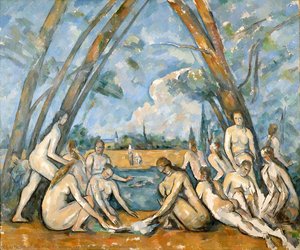
- Die großen Badenden, 1900
- Mont Sainte-Victoire gesehen von Les Lauves, 1904
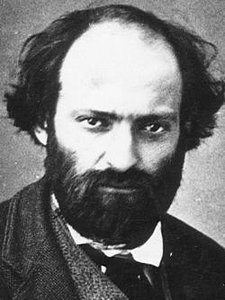
Paul Cézanne
1839 - 1906 , Frankreich
Kurzinfos
- Artistic Movement Or Style: Post-Impressionismus
- Artists Or Movements Influenced By This Artist:
- Kubismus
- Pablo Picasso
- Georges Braque
- Fauvisten
- Henri Matisse
- Artists Who Influenced This Artist: ['Eugène Delacroix']
- Date Of Birth: 1839
- Date Of Death: 1906
- Full Name: Paul Cézanne
- Nationality: Französisch
- Notable Artworks:
- Die Badenden
- Mont Sainte-Victoire-Serie
- Stillleben mit Äpfeln und einem Topf Primeln
- Porträt von Émile Zola
- Die Kartenspieler
- Place Of Birth: Aix-en-Provence, Frankreich
Ähnliche Artikel
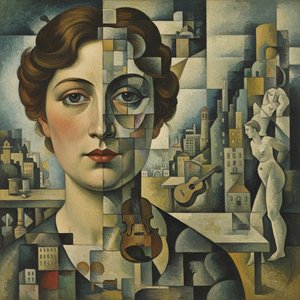
Deconstructing Reality: Cubism's Revolutionary Impact on 20th-Century Art
Explore the revolutionary world of Cubism with OriginalUniqueArt. Discover Picasso & Braque's groundbreaking techniques, its philosophical roots, and lasting impact on modern art. Expert insights for collectors.
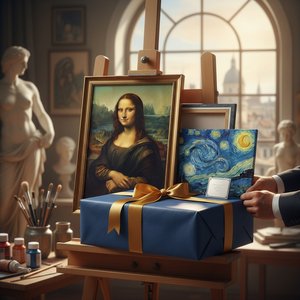
The Enduring Legacy of Masterpieces: Art Reproduction as a Thoughtful Gift
Discover museum-quality art reproductions & custom paintings at OriginalUniqueArt.com. Handmade oil paintings from skilled artists, personalized gifts, and expert art consultation. Find the perfect timeless masterpiece today!

Meister der Form: Die 25 ikonischsten Kunstwerke von Paul Cézanne
Entdecken Sie die 25 Meisterwerke von Paul Cézanne und den Postimpressionismus. Erleben Sie alle Ikonen auf OriginalUniqueArt.com.

Petals and Porcelain: The Poetics of Floral Vessels in Impressionist and Post-Impressionist Art
Explore the poetic interplay of light and texture in Impressionist floral still lifes. Discover the masters behind these iconic works.

The Bountiful Still Life: Symbolism & Artistic Representation of Fruit Across Art History
Explore the rich history of still life painting & the symbolism of fruit across art movements. Discover masterpieces from Caravaggio to Cézanne with OriginalUniqueArt – expert guidance & museum-quality reproductions.