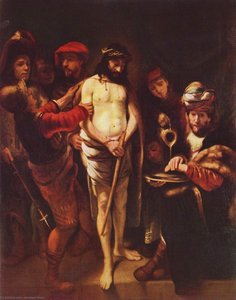
Vorschau anzeigen
 Versenden
 Teilen
 Details anzeigen
 Leitfaden

 Herunterladen
 Ähnliche Objekte
 Röntgenaufnahme
 Diashow
 Fragen & Antworten
 Statistiken
The Idle Servant

- 70.0 x 53.0 cm


 Weiterlesen
Giclée / Kunstdruck
Giclée- oder Leinwanddruck in Museumsqualität mit schneller Produktion und flexiblen Veredelungsoptionen. ( Handgemalte Reproduktion bestellen Zum digitalen Bild wechseln)




P118B €10

P118H €10

P118W €10

P438Z €10

P508JH €12

P508YH €12

P805H €10

P805Z €10

P919BZ €10

P919G €10

P919XJ €10

P959ZH €10

P968JZ €12

W106C €8

W218G €10

W218JH €8

W218Y €10

W307PJ €10

W316G €10

W316PJ €8

W316Y €10

W398PJ €8

W4111J €10

W500HY €15

W500JH €15

W692G €12

W849H €8

W940BG €15

W953PJ €8




Wählen Sie aus unseren vordefinierten Formaten, die den ursprünglichen Proportionen des Kunstwerks entsprechen.

Geben Sie die benötigte Breite und Höhe an, damit der Druck perfekt in Ihren Rahmen oder an Ihre Wand passt. Ein Druck kann nur beschnitten, aber niemals größer als das Originalbild angefertigt werden; daher verliert ein Format mit anderen Proportionen einen Teil des Bildes. Wir senden Ihnen ein digitales Mockup zur Freigabe, bevor wir den Druck ausführen. Das auf dieser Seite gezeigte Bild zeigt nicht den tatsächlichen Beschnitt – dies ist nur im Mockup ersichtlich.
Weltweiter Versand () innerhalb von 2 Wochen statt der üblichen 4/5 Wochen. (5 November)

Kostenloser weltweiter Expressversand

Hochwertige Leinenleinwand

Umfassender Versicherungsschutz beim Versand

Zollgebühren-Rückerstattungsgarantie

Garantie für exakte Farbtreue

100 Tage Rückgaberecht (nur bei Mängeln)

100% Geld-zurück-Garantie

Mengenrabatt verfügbar
 Die Glasoption ist nur für Größen unter 110 cm verfügbar.

The Idle Servant
Giclée / Kunstdruck
Format der Reproduktion
-


Endpreis
€ 72
A Moment Frozen in Dutch Light: Nicolaes Maes’s “The Idle Servant”
Nicolaes Maes's "The Idle Servant," painted in 1655, isn’t merely a depiction of two women enjoying a domestic moment; it’s a carefully constructed tableau brimming with subtle social commentary and the masterful use of light characteristic of the Dutch Golden Age. This intimate genre scene, now housed at the National Gallery in London (NG207), offers a captivating glimpse into the lives of a wealthy household, revealing both the comforts and the unspoken expectations of 17th-century Dutch society. The painting immediately draws the eye with its rich palette – deep reds, browns, and ochres dominate, punctuated by the warm glow emanating from an unseen fireplace, creating a sense of cozy domesticity that belies the underlying narrative.
Maes’s artistic lineage is inextricably linked to Rembrandt van Rijn. His apprenticeship under the master instilled within him a profound understanding of *chiaroscuro*, the dramatic interplay of light and shadow – a technique brilliantly employed here to sculpt form, define space, and draw attention to key elements. Notice how Maes uses pools of light to illuminate the seated woman’s face, highlighting her languid repose, while simultaneously shrouding the standing figure in a softer, more diffused glow. This masterful manipulation of light isn't simply aesthetic; it serves to subtly convey mood and character, hinting at the quiet resignation and perhaps even a touch of amusement present within the scene.
The Dance of Leisure and Duty
At first glance, “The Idle Servant” appears to be a simple portrayal of two women engaged in conversation. However, closer observation reveals a complex interplay of social dynamics. The woman standing, presumably the mistress of the house, is instructing or perhaps gently scolding the seated maid, who is lost in a drowsy reverie. This interaction isn’t overtly confrontational; rather, it's imbued with a quiet understanding – a recognition that even within the confines of domestic life, there are unspoken rules and expectations.
The scattered bowls, cups, and spoons surrounding the women aren’t merely props; they represent the labor involved in preparing a substantial meal. The maid’s slumber is a direct consequence of this effort, highlighting the contrast between leisure and duty – a central theme explored throughout the painting. Maes cleverly uses the arrangement of these objects to create depth and visual interest, drawing the viewer's eye into the heart of the scene. The placement of some bowls closer to the women suggests immediate needs, while others further away hint at the larger task at hand.
Symbolism and Social Commentary
Beyond its domestic setting, “The Idle Servant” offers a subtle critique of social hierarchies and gender roles. The maid’s apparent idleness is juxtaposed with the mistress's active role in overseeing the household – a reflection of the prevailing societal expectations for women during this period. The painting subtly suggests that while leisure was valued, it was always contingent upon fulfilling one’s duties within the home. The cat stealing a fowl further emphasizes this theme, representing a carefree disregard for responsibility.
Furthermore, the inclusion of the “doorkijkje” – a small window or opening in the background – is a deliberate artistic device employed by Maes and his contemporaries. This technique invites the viewer to step into another room, creating a sense of voyeurism and expanding the narrative beyond the immediate scene. It’s as if we are invited to observe a larger, unseen drama unfolding within the confines of the house.
A Masterpiece of Dutch Genre Painting
“The Idle Servant” stands as a testament to Nicolaes Maes's skill and artistry – a captivating example of Dutch Golden Age genre painting. Its masterful use of *chiaroscuro*, its nuanced portrayal of human interaction, and its subtle social commentary combine to create a work that is both visually stunning and intellectually stimulating. Reproductions by OriginalUniqueArt.com offer an exceptional opportunity to experience the beauty and depth of this remarkable painting, bringing its intimate world into your home with unparalleled fidelity.
Fragen & Antworten
Wie lässt sich die Stimmung von "The Idle Servant" von Nicolaes Maes beschreiben?
"The Idle Servant" verströmt eine Gelassenheit Atmosphäre.
Welche Maße hat "The Idle Servant" von Nicolaes Maes im Original?
Das Originalwerk "The Idle Servant" von Nicolaes Maes hat die Maße 70 x 53 cm.
Weist "The Idle Servant" starke Hell-Dunkel-Kontraste auf?
Der Hell-Dunkel-Kontrast von „The Idle Servant“ wird mit Ausgewogen angegeben. Der Kontrast beschreibt, wie stark sich helle und dunkle Bereiche voneinander unterscheiden.
Künstlerbiografie
Nicolaes Maes: Ein Leben im Goldenen Zeitalter der Niederlande
- Geboren: Dordrecht, Niederlande (Januar 1634)
- Gestorben: Amsterdam, Niederlande (Dezember 1693)
Nicolaes Maes (auch bekannt als Nicolaes Maas) war ein bedeutender niederländischer Maler des Goldenen Zeitalters, der für seine Genrezenerationen und Porträts bekannt ist. Geboren in Dordrecht als Sohn von Gerrit Maes, einem wohlhabenden Kaufmann, und Ida Herman Claesdr, etablierte er sich als wichtige Figur in der künstlerischen Landschaft des 17. Jahrhunderts in den Niederlanden.
Frühe Ausbildung und Rembrandts Einfluss
Maes’ frühe Karriere wurde maßgeblich von seiner Lehrzeit unter Rembrandt van Rijn in Amsterdam (ungefähr 1648-1653) geprägt. Diese Zeit erwies sich als entscheidend, indem sie in ihm eine tiefe Wertschätzung für den Chiaroscuro – die dramatische Verwendung von Licht und Schatten – und eine Beherrschung der Farbe weckte. Seine frühen Werke, wie „Die Tagträumerin“ (Rijksmuseum, Amsterdam) und „Die Kartenspieler“ (National Gallery, London), ähneln oft Rembrandts Stil, was häufig zu Fehlattributionen führte. Diese frühen Stücke demonstrieren seine Fähigkeit, die Techniken seines Meisters nachzuahmen, wobei er lebensgroße Figuren und eine reiche, leuchtende Farbpalette verwendete.
Entwicklung eines Reife-Stils
Nach seiner Rückkehr nach Dordrecht im Jahr 1653 entwickelte Maes einen eigenständigeren Stil. Von etwa 1655 bis 1665 konzentrierte er sich hauptsächlich auf häusliche Genrezenerationen in kleinerem Maßstab und behielt dabei die farbistische Brillanz bei, die er von Rembrandt gelernt hatte. Er wich von großformatigen religiösen Kompositionen ab und stellte stattdessen den Alltag mit bemerkenswerter Intimität und Detailgenauigkeit dar. Wiederkehrende Themen waren Frauen, die sich mit Aktivitäten wie Spinnen, Bibellesen oder Essenszubereitung beschäftigten. Maes zeigte auch eine besondere Faszination für Spitzenklöppelarbeit und schuf zahlreiche Variationen zu diesem Thema.
Porträtkunst und spätere Karriere
Maes’ Talent erstreckte sich über die Genremalerei hinaus auf die Porträtkunst. Bemerkenswerte Beispiele sind „Porträt von Laurence Hyde, Earl of Rochester“, „Porträt von Jan de Reus“ und „Porträt eines Mannes mit schwarzem Perücke“. Diese Porträts zeigen seine Fähigkeit, das Aussehen und den Charakter seiner Motive mit bemerkenswerter Präzision einzufangen. Im Jahr 1673 zog Maes nach Amsterdam und wurde zu einem der führenden Porträtmaler der Stadt während der letzten drei Jahrzehnte des Jahrhunderts. Dieser Umzug spiegelte sowohl künstlerische Ambitionen als auch eine Anpassung an veränderte Marktbedingungen wider.
Vermächtnis und historische Bedeutung
Nicolaes Maes hinterließ einen beträchtlichen Bestand an Werken, die bis heute für ihre technische Fertigkeit, ihre intime Darstellung des täglichen Lebens und ihren bleibenden Einfluss auf nachfolgende Generationen niederländischer Künstler bewundert werden. Seine Fähigkeit, das Wesen gewöhnlicher Menschen während des Goldenen Zeitalters der Niederlande einzufangen, liefert wertvolle Einblicke in die sozialen Bräuche und häuslichen Umgebungen dieser Zeit. Maes’ Gemälde befinden sich in renommierten Museen auf der ganzen Welt, darunter dem Rijksmuseum und der National Gallery, und sind weiterhin für Studium und Wertschätzung auf Plattformen wie OriginalUniqueArt.com zugänglich.
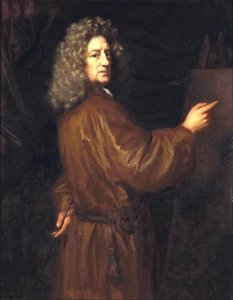
Nicolaes Maes
1634 - 1693 , Niederlande
Kurzinfos
- Bemerkenswerte Werke:
- Die Tagträumerin
- Kartenspieler
- Porträt Laurence Hyde
- Gemüsemarkt
- Spinnerin
- Geburtsdatum: Januar 1634
- Geburtsort: Dordrecht, Niederlande
- Künstlerische Bewegung: Niederländisches Goldene Zeitalter
- Künstlerische Einflüsse: ['Rembrandt']
- Nationalität: Niederländisch
- Sterbedatum: Dezember 1693
- Vollständiger Name: Nicolaes Maes
Ähnliche Artikel
Nicolaes Berchem und das Goldene Zeitalter: Pastoralismus, Idealisierung & Künstlerische Innovation
Entdecken Sie die faszinierende Welt von Nicolaes Berchem und das Goldene Zeitalter der niederländischen Landschaftsmalerei. Expertenanalyse, Hintergrundinformationen & künstlerische Innovationen.

Die 10 Meisterwerke des Goldenen Zeitalters der niederländischen Malerei |
Entdecken Sie die 10 Meisterwerke des Niederländischen Goldenen Zeitalters! Von Rembrandt bis Vermeer – erleben Sie Kunstgeschichte, Techniken & Emotionen. Hochwertige Gemäldereproduktionen für Ihr Zuhause auf .

Golden Age Reflections: Dutch Baroque Painting & Cultural Innovation
Explore the Dutch Golden Age of painting! Discover key artists like Vermeer & ter Borch, their innovative techniques, and the rich cultural context behind these Baroque masterpieces. Learn about collecting & appreciating this iconic art period.

Mastering Light & Shadow: A Journey Through the Dutch Golden Age's Luminous Legacy
Embark on a cultural journey through the Dutch Golden Age. Explore the masterful interplay of light and shadow in 17th-century masterpieces, from Rembrandt to Vermeer, and discover how this era of profound realism continues to inspire fine art collectors today.

Golden Light & Dutch Skies: The Timeless Magic of Dutch Golden Age Landscapes
Discover the breathtaking beauty of Dutch Golden Age landscapes. Explore the mastery of light, chiaroscuro, and 17th-century realism through an expert art history lens, celebrating the enduring legacy of the Dutch Masters for discerning collectors and art lovers.