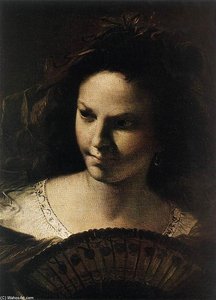
Vorschau anzeigen
 Versenden
 Teilen
 Details anzeigen
 Leitfaden

 Herunterladen
 Ähnliche Objekte
 Röntgenaufnahme
 Diashow
 Q&A
Q&A Statistiken
Wedding at Cana
 Acryl auf Leinwand
- Wandkunst
- Baroque
 1655
1655 203.0 x 226.0 cm
 National Gallery
 Weiterlesen
Giclée / Kunstdruck
Giclée- oder Leinwanddruck in Museumsqualität mit schneller Produktion und flexiblen Veredelungsoptionen. ( Handgemalte Reproduktion bestellen Zum digitalen Bild wechseln)




P118B €10

P118H €10

P118W €10

P438Z €10

P508JH €12

P508YH €12

P805H €10

P805Z €10

P919BZ €10

P919G €10

P919XJ €10

P959ZH €10

P968JZ €12

W106C €8

W218G €10

W218JH €8

W218Y €10

W307PJ €10

W316G €10

W316PJ €8

W316Y €10

W398PJ €8

W4111J €10

W500HY €15

W500JH €15

W692G €12

W849H €8

W940BG €15

W953PJ €8




Wählen Sie aus unseren vordefinierten Formaten, die den ursprünglichen Proportionen des Kunstwerks entsprechen.

Geben Sie die benötigte Breite und Höhe an, damit der Druck perfekt in Ihren Rahmen oder an Ihre Wand passt. Ein Druck kann nur beschnitten, aber niemals größer als das Originalbild angefertigt werden; daher verliert ein Format mit anderen Proportionen einen Teil des Bildes. Wir senden Ihnen ein digitales Mockup zur Freigabe, bevor wir den Druck ausführen. Das auf dieser Seite gezeigte Bild zeigt nicht den tatsächlichen Beschnitt – dies ist nur im Mockup ersichtlich.
Weltweiter Versand () innerhalb von 2 Wochen statt der üblichen 4/5 Wochen. (31 Oktober)

Kostenloser weltweiter Expressversand

Hochwertige Leinenleinwand

Umfassender Versicherungsschutz beim Versand

Zollgebühren-Rückerstattungsgarantie

Garantie für exakte Farbtreue

100 Tage Rückgaberecht (nur bei Mängeln)

100% Geld-zurück-Garantie

Mengenrabatt verfügbar
 Die Glasoption ist nur für Größen unter 110 cm verfügbar.

Wedding at Cana
Giclée / Kunstdruck
Format der Reproduktion
-


Endpreis
€ 71
Mattia Preti’s Wedding at Cana: A Testament to Divine Grace
The painting “Wedding at Cana” by Mattia Preti, completed in 1655-60, transcends mere depiction; it embodies the profound spiritual significance of Baroque art and serves as a poignant reminder of faith's transformative power. Executed during Preti’s prolific period in Malta—a nation deeply invested in Catholic piety—this monumental canvas captures a pivotal biblical narrative with breathtaking realism and masterful compositional artistry. The artwork resides within The National Gallery, London, offering visitors an unparalleled opportunity to experience the artist’s genius firsthand.A Dramatic Encounter Between Tradition and Revelation
Mattia Preti's artistic journey began under Giovanni Battista Caracciolo, immersing him in the influential Caravaggist style characterized by dramatic chiaroscuro—the masterful manipulation of light and shadow—a technique that would permeate his entire oeuvre. Before relocating to Rome in 1630, he honed his skills alongside fellow artists, absorbing the stylistic innovations championed by Caravaggio and Guercino, figures who fundamentally reshaped artistic expression during their time. This formative experience instilled within Preti an unwavering dedication to portraying human emotion with unflinching honesty and conveying spiritual truths through visual grandeur.Technical Brilliance: Baroque Composition and Color Palette
The painting’s execution showcases Preti's exceptional technical prowess. Employing oil on canvas, he meticulously rendered the scene with painstaking detail, capturing the textures of fabrics, faces, and foliage alike. The artist skillfully utilized a rich color palette—dominated by warm reds and golds—to illuminate the festive atmosphere and emphasize the central miracle. Furthermore, Preti’s masterful compositional arrangement guides the viewer's gaze towards the focal point: Jesus transforming water into wine, symbolizing divine grace overcoming earthly limitations. Careful attention to perspective contributes to the illusion of depth, immersing the spectator in the immediacy of the biblical event.Symbolism Rooted in Christian Theology
Beyond its aesthetic beauty, “Wedding at Cana” resonates with profound theological symbolism. The wedding feast itself represents the sacrament of marriage—a cornerstone of Christian faith—and symbolizes the divine blessing bestowed upon humankind. Jesus’ intervention underscores God's compassion and his willingness to intervene in human affairs to fulfill promises made millennia ago. The miracle serves as an allegory for overcoming adversity and achieving spiritual fulfillment, mirroring the broader narrative arc of salvation history. As interpreted by Bishop Fulton J. Sheen, Preti’s depiction captures a moment of grace—a foreshadowing of Christ's ultimate triumph over death—making it a timeless emblem of faith’s transformative potential.Emotional Resonance: Capturing Joyful Celebration and Divine Wonder
The painting’s emotional impact is undeniable. The artist skillfully conveys the palpable joy of the wedding guests, their expressions reflecting delight and amazement at the miraculous transformation unfolding before their eyes. Preti's portrayal captures not merely a visual spectacle but also the spiritual fervor associated with encountering God’s divine presence—a feeling that continues to inspire viewers centuries later. “Wedding at Cana” stands as an enduring testament to Baroque art’s ability to evoke profound emotion and illuminate the deepest truths of Christian belief.Fragen & Antworten
Welche Farbpalette und welche Stimmung vereint "Wedding at Cana"?
Die Erdig-Palette von "Wedding at Cana" von Mattia Preti harmoniert mit seinem Freudvoll emotionalen Tonfall. Farbe ist eine der Arten und Weisen, wie ein Werk Gefühle vermittelt.
Kann "Wedding at Cana" heruntergeladen werden?
"Wedding at Cana" von Mattia Preti kann auf der Download-Seite des Kunstwerks als hochauflösender digitaler Bild-Download heruntergeladen werden.
Wann wurde "Wedding at Cana" geschaffen und welcher Stilrichtung lässt es sich zuordnen?
"Wedding at Cana" entstand im Jahr 1655 im Rahmen der Baroque-Bewegung.
Künstlerbiografie
Mattia Preti: Ein bedeutender italienischer Barockkünstler
- Geboren: Taverna, Italien (24. Februar 1613)
- Gestorben: 1699
Frühes Leben und Ausbildung
Mattia Preti wurde am 24. Februar 1613 in Taverna, Kalabrien, Italien geboren. Seine frühe künstlerische Ausbildung begann bei Giovanni Battista Caracciolo, einem Maler, der mit der Caravaggisten-Bewegung verbunden war. Diese anfängliche Auseinandersetzung prägte seinen Stil maßgeblich, was in vielen seiner Werke deutlich wird. Vor 1630 trat Preti seinem Bruder Gregorio Preti in Rom bei, wo er sich den Techniken von Caravaggio und anderen bedeutenden Künstlern der Zeit verschrieb. Diese Periode war entscheidend für die Entwicklung seines Verständnisses von dramatischem Licht und realistischen Darstellungen.
Wichtige künstlerische Entwicklungen und Einflüsse
Pretis künstlerischer Weg umfasste ein komplexes Zusammenspiel von Einflüssen. Obwohl er in der Caravaggismus verwurzelt war, absorbierte er auch Elemente verschiedener Meister wie Guercino, Rubens, Guido Reni und Giovanni Lanfranco. Seine Zeit in Neapel führte ihn zur Arbeit von Luca Giordano, was seinen Stil weiter verfeinerte. Eine bemerkenswerte Verschiebung trat auf, als Preti über eine strikte Caravaggeske Imitation hinausging und einen dynamischeren und ausdrucksstärkeren Barockstil entwickelte, der durch Folgendes gekennzeichnet ist:
- Dramatische Kontraste von Licht und Schatten: Ein Kennzeichen, das er von Caravaggio übernahm, um intensive Dramatik zu erzeugen und Schlüsselfiguren hervorzuheben.
- Intensive emotionale Ausdruckskraft: Pretis Werke vermitteln oft kraftvolle Emotionen durch Gesichtsausdrücke und Körpersprache.
- Dynamische Kompositionen: Seine Gemälde zeichnen sich durch energiegeladene Bewegung und komplexe Anordnungen von Figuren aus.
Hauptwerke und Aufträge
Pretis Karriere war geprägt von zahlreichen bedeutenden Aufträgen in ganz Italien und Malta. Zu den bemerkenswertesten Werken gehören:
- Freskzyklen in Rom: Er schuf Freskzyklen für Kirchen wie Sant’Andrea della Valle und San Carlo ai Catinari, was sein Können in großflächiger dekorativer Malerei demonstrierte.
- Fresken in San Biagio, Modena: Seine Arbeit in der Kirche von San Biagio zeigte seine Fähigkeit, seinen Stil an verschiedene Umgebungen anzupassen.
- Neapolitanische Pestfresken: Eine Reihe großer Fresken, die die Jungfrau oder Heilige darstellen, die das Volk vor der Pest retten, wurden auf sieben Stadttoren in Neapel gemalt. Obwohl sie heute verloren sind, zeugen Skizzen von ihrem Umfang und ihrer Wirkung.
- St. John’s Co-Cathedral, Valletta (Malta): Seine bedeutendste Leistung war die Umgestaltung des Innenraums der St. John’s Co-Cathedral mit einer umfangreichen Reihe von Gemälden, die das Leben und den Märtyrertod Johannes des Täufers darstellen. Dieses Projekt festigte seinen Ruf und sicherte ihm zahlreiche Aufträge in ganz Europa.
Vermächtnis und historische Bedeutung
Pretis zunehmender Ruf, der durch seine Arbeit in Malta befeuert wurde, führte zu einem erweiterten Kreis von Mäzenen und Aufträgen aus ganz Europa. Er wird als eine führende Figur in der italienischen Barockkunst in Erinnerung behalten, bekannt für seine dramatischen Kompositionen, die geschickte Verwendung von Licht und Schatten sowie seine Fähigkeit, intensive Emotionen zu vermitteln. Sein Vermächtnis wird weiterhin durch die Bewahrung seiner Werke in Museen wie dem Capodimonte Museum in Neapel und durch Reproduktionen auf OriginalUniqueArt.com geschätzt. Sein Beitrag zur Dekoration der St. John’s Co-Cathedral ist ein Zeugnis seines künstlerischen Talents und seines bleibenden Einflusses auf die Barockkunst.
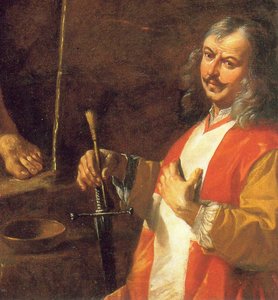
Mattia Preti
1613 - 1699 , Italien
Kurzinfos
- Beeinflusste Künstler: ['Giovanni Battista Caracciolo']
- Bemerkenswerte Werke:
- Tribute Money
- Absaloms Festmahl
- Das Konzert
- Heiligendarstellung
- Herodes' Gastmahl
- Einflussreiche Künstler:
- Caravaggio
- Luca Giordano
- Geburtsdatum: 24. Februar 1613
- Geburtsort: Taverna, Italien
- Künstlerischer Stil: Barock
- Nationalität: Italienisch
- Sterbedatum: 1699
- Vollständiger Name: Mattia Preti
Ähnliche Artikel
Hochzeitsandenken ohne Langeweile: Individuelle Kunst für unvergessliche Momente
Verwandeln Sie Ihre Hochzeitserinnerungen in einzigartige Kunstwerke! Exklusive handgemalte Reproduktionen & personalisierte Gemälde von – Ihr Experte für hochwertige Hochzeitsgeschenke & Deko.

Verwandeln Sie Ihr Hochzeitsfoto in ein zeitloses Kunstwerk – Eine Schritt-für-Schritt-Anleitung
Verwandeln Sie Ihr Hochzeitsfoto in ein atemberaubendes Kunstwerk! Entdecken Sie unsere Schritt-für-Schritt Anleitung & erfahren Sie, wie wir Ihre Erinnerung für die Ewigkeit bewahren. Handgemalte Qualität von Experten.

Liebe auf Leinwand: 7 Romantische Stile für Ihr Hochzeitsporträt – Eine umfassende Anleitung
Entdecken Sie romantische Stile für Ihr Hochzeitsporträt! Unsere Experten beraten Sie bei der Auswahl des perfekten Kunstwerks – handgemalt & individuell. Finden Sie Ihr einzigartiges Erinnerungsstück!
Ewige Erinnerung: Hochzeitslocations als Gemälde verewigen – Ein exklusiver Leitfaden
Verewigen Sie Ihre Hochzeitslocation als einzigartiges Gemälde! Exklusive Kunstwerke für Brautpaare – personalisiert, hochwertig & mit Expertenberatung. Finden Sie Ihr perfektes Andenken!

The Dramatic Flourish: Exploring the Baroque Movement's Enduring Legacy in Art History
Explore the dramatic world of Baroque art! Discover iconic artists like Caravaggio & Rubens, defining techniques, and its lasting impact on art history. Expert insights for collectors & enthusiasts at OriginalUniqueArt.