
 Vorschau anzeigen
 Versenden
 Teilen
 Details anzeigen
 Leitfaden

 Herunterladen
 Ähnliche Objekte
 Röntgenaufnahme
 Diashow
 Q&A
Q&A Statistiken
James Anthony Froude

- 76.0 x 64.0 cm


 Weiterlesen
Giclée / Kunstdruck
Giclée- oder Leinwanddruck in Museumsqualität mit schneller Produktion und flexiblen Veredelungsoptionen. ( Handgemalte Reproduktion bestellen Zum digitalen Bild wechseln)




P118B €10

P118H €10

P118W €10

P438Z €10

P508JH €12

P508YH €12

P805H €10

P805Z €10

P919BZ €10

P919G €10

P919XJ €10

P959ZH €10

P968JZ €12

W106C €8

W218G €10

W218JH €8

W218Y €10

W307PJ €10

W316G €10

W316PJ €8

W316Y €10

W398PJ €8

W4111J €10

W500HY €15

W500JH €15

W692G €12

W849H €8

W940BG €15

W953PJ €8




Wählen Sie aus unseren vordefinierten Formaten, die den ursprünglichen Proportionen des Kunstwerks entsprechen.

Geben Sie die benötigte Breite und Höhe an, damit der Druck perfekt in Ihren Rahmen oder an Ihre Wand passt. Ein Druck kann nur beschnitten, aber niemals größer als das Originalbild angefertigt werden; daher verliert ein Format mit anderen Proportionen einen Teil des Bildes. Wir senden Ihnen ein digitales Mockup zur Freigabe, bevor wir den Druck ausführen. Das auf dieser Seite gezeigte Bild zeigt nicht den tatsächlichen Beschnitt – dies ist nur im Mockup ersichtlich.
Weltweiter Versand () innerhalb von 2 Wochen statt der üblichen 4/5 Wochen. (1 November)

Kostenloser weltweiter Expressversand

Hochwertige Leinenleinwand

Umfassender Versicherungsschutz beim Versand

Zollgebühren-Rückerstattungsgarantie

Garantie für exakte Farbtreue

100 Tage Rückgaberecht (nur bei Mängeln)

100% Geld-zurück-Garantie

Mengenrabatt verfügbar
 Die Glasoption ist nur für Größen unter 110 cm verfügbar.

James Anthony Froude
Giclée / Kunstdruck
Format der Reproduktion
-


Endpreis
€ 71
A Portrait of Reflection: James Anthony Froude by Lowes Cato Dickinson
Lowes Cato Dickinson’s 1890 portrait of James Anthony Froude is more than a simple likeness; it's a carefully constructed tableau of Victorian intellect and understated melancholy. The painting, housed within the hallowed halls of the University of Oxford, immediately draws the viewer in with its formal composition and rich palette – a testament to Dickinson’s mastery of oil paint and his ability to capture both physical presence and inner character.
Dickinson, a prominent figure in Victorian portraiture and a committed Christian socialist, was deeply embedded within the artistic and social currents of his time. His work often reflected these influences, as seen here in Froude’s dignified bearing and the subtle suggestion of contemplative thought. The painting wasn't merely commissioned; it felt like an attempt to immortalize a significant public figure, reflecting the esteem held for Froude’s historical writings and intellectual contributions.
The Anatomy of Form: Technique and Style
Dickinson’s technique is characterized by a meticulous attention to detail and a skillful manipulation of light and shadow. The portrait utilizes a one-point perspective, directing the viewer's gaze directly onto Froude’s face – an element that immediately establishes intimacy despite the formal setting. Notice how Dickinson builds up layers of paint to create texture in the fabric of Froude’s suit, subtly suggesting its weight and quality. The use of directional lighting, originating from the upper left, casts dramatic shadows across his features, emphasizing the lines of age and wisdom while simultaneously lending a sense of depth and volume.
The brushstrokes themselves are remarkably controlled, creating a smooth surface that reflects light beautifully. Dickinson’s choice of muted browns for the background provides a grounding element, preventing the focus from being solely on Froude himself. The overall effect is one of quiet dignity and restrained emotion – hallmarks of Dickinson's style.
Symbolism and Context: A Victorian Mind
Froude’s posture—slightly turned away, a hand resting loosely in his pocket—suggests a man lost in thought. He embodies the intellectual rigor of the late 19th century, grappling with complex historical questions and philosophical inquiries. The painting speaks to the era's fascination with history, morality, and the role of the individual within society – themes that were central to Froude’s own work.
Furthermore, the portrait is situated within a broader context of Victorian social reform movements. Dickinson was a staunch supporter of Christian socialism, advocating for improved working conditions and greater opportunities for the less fortunate. His decision to paint Froude, a prominent historian and public figure, could be interpreted as an attempt to elevate these ideals through artistic representation.
Emotional Resonance: A Glimpse into the Soul
Despite its formal presentation, “James Anthony Froude” possesses a profound emotional resonance. There’s a subtle melancholy in the subject's gaze, hinting at the weight of years and the complexities of human experience. The painting isn’t simply a record of appearance; it’s an invitation to contemplate the inner life of a man who shaped the intellectual landscape of his time. It is a poignant reminder of the enduring power of portraiture to capture not just likeness, but also spirit.
Fragen & Antworten
Kann "James Anthony Froude" in Augmented Reality vorab betrachtet werden?
"James Anthony Froude" von Lowes Cato Dickinson kann mithilfe der AR-Vorschau-Seite des Kunstwerks mit Augmented Reality auf einem kompatiblen Gerät direkt an Ihrer eigenen Wand vorab betrachtet werden.
Welche Technik wurde für "James Anthony Froude" verwendet und wann entstand das Werk?
"James Anthony Froude" von Lowes Cato Dickinson ist eine Oil On Canvas, die auf 1890 datiert wird.
Sind die Farben in "James Anthony Froude" von Lowes Cato Dickinson eher gesättigt oder gedämpft?
"James Anthony Froude" von Lowes Cato Dickinson zeichnet sich durch eine Subtle Color Sättigung aus.
Künstlerbiografie
Leben und Ursprünge
- Geboren: Kilburn, Vereinigtes Königreich (1819)
- Gestorben: 1908
- Lowes Cato Dickinson wurde am 27. November 1819 in Kilburn, London, geboren. Er gehörte zu einer großen Familie mit elf Geschwistern.
- Sein Vater, Joseph Dickinson, war ein Lithograph und Kunstverleger in Bond Street. Lowes erhielt seine frühe Schulbildung an der Topsham School und der Dr Lord's School in Tooting.
- Nach dem Tod seines Vaters im Jahr 1849 wurde er Teilhaber der Firma Dickinson Brothers of Bond Street zusammen mit seinen beiden ältesten Brüdern, Gilbert Bell Dickinson und William Robert Dickinson.
Künstlerische Entwicklung und Einflüsse
- Dickinson absolvierte zunächst eine Lehre bei seinem Vater und sammelte Erfahrungen in Lithographie und Kunstveröffentlichung.
- Er reiste um 1850 für drei Jahre nach Italien, was seine künstlerische Entwicklung maßgeblich beeinflusste.
- Er war mit der Präraffaeliten-Bewegung verbunden, korrespondierte und arbeitete mit wichtigen Figuren wie Dante Gabriel Rossetti und John Ruskin zusammen. Er hielt Vorträge neben ihnen.
- Dickinson unterrichtete Zeichnen am Working Men's College zusammen mit Ruskin und Rossetti.
- Ford Madox Brown arbeitete für Dickinson Brothers, was eine Verbindung zu bedeutenden Künstlerkreisen demonstrierte.
Hauptwerke und Stil
- Porträtmalerei: Dickinson war in erster Linie als Porträtmaler bekannt und porträtierte zahlreiche viktorianische Persönlichkeiten.
- Gruppenporträts: Er schuf bemerkenswerte Gruppenporträts, darunter das Kabinett von Mr. Gladstone aus dem Jahr 1868, abgebildet im Cabinet Room des 10 Downing Street.
- Postume Porträts: Er entwickelte eine einzigartige Fähigkeit, posthum Porträts anhand von Fotografien oder Beschreibungen zu erstellen.
- Sujets: Seine Motive umfassten Königin Victoria, Parlamentsmitglieder, Wissenschaftler (Arthur Cayley, James Clerk Maxwell) und christliche Sozialisten (Charles Kingsley, Thomas Hughes).
- Stil: Obwohl er von den Präraffaeliten beeinflusst war, zeichnete sich sein Stil durch einen Fokus auf Realismus und detaillierte Darstellung aus. Er malte oft nur Gesichter, wobei andere Künstler die Kleidung fertigstellten.
Christlicher Sozialismus und soziales Engagement
- Dickinson engagierte sich tief im christlichen Sozialismus.
- Er war Mitbegründer des Working Men's College in London im Jahr 1854, das der Bereitstellung einer liberalen Bildung für Arbeiterklasse gewidmet war.
- Seine Porträts stellten oft prominente Persönlichkeiten innerhalb des christlichen Sozialistenkreises dar und spiegeln sein Engagement für soziale Reform wider.
Vermächtnis und historische Bedeutung
- Dickinsons Werke befinden sich in der National Portrait Gallery in London, was seinen bedeutenden Beitrag zur britischen Porträtmalerei zeigt.
- Das Working Men's College ehrt ihn weiterhin durch den Lowes Dickinson Award, einen jährlichen Kunstpreis für Studenten.
- Seine Kinder richteten einen Reisepreis zu seinem Gedenken ein und festigten so sein Vermächtnis weiter.
- Dickinsons Papiere befinden sich an der Princeton University, der Universität Oxford und der Universität Cambridge und stellen wertvolle Ressourcen für Wissenschaftler bereit, die das viktorianische Kunst- und Sozialgeschichte studieren.
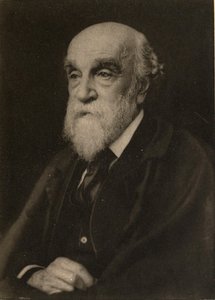
Lowes Cato Dickinson
1819 - 1908 , Vereinigtes Königreich
Kurzinfos
- Beeinflusste Künstler:
- John Ruskin
- Dante Gabriel Rossetti
- Geburtsdatum: 27. November 1819
- Geburtsort: Kilburn, Vereinigtes Königreich
- Künstlerische Bewegung: Portraitmalerei, Christlicher Sozialismus
- Nationalität: Britisch
- Sterbedatum: 15. Dezember 1908
- Vollständiger Name: Lowes Cato Dickinson
- Von Künstlern Beeinflusst: ['Ford Madox Brown']
Ähnliche Artikel

Meisterwerke der englischen Landschaft: Die 25 besten Werke von Sir Alfred James Munnings
Entdecken Sie die 25 besten Werke von Sir Alfred James Munnings. Erleben Sie britische Pferdemalerei auf OriginalUniqueArt.com.

The Enduring Legacy of Oil on Canvas: Technique, History & Aesthetic Impact
Explore the rich history & techniques of oil painting – from Renaissance masters to Impressionism. Discover pigments, layering methods, and why this timeless medium endures. Expert insights for artists & art enthusiasts.

Öl auf Leinwand: Eine historische und technische Erkundung eines zeitlosen künstlerischen Mediums
Entdecken Sie die faszinierende Welt der Ölmalerei! Von historischen Techniken bis zur modernen Anwendung – wir bieten Expertenwissen, Restaurierungstipps und hochwertige Reproduktionen. Jetzt informieren!
James Sant: Capturing Victorian Childhood & the Evolving Landscape of British Genre Painting
Explore the life & art of James Sant (1820-1916), renowned Victorian portraitist to Queen Victoria. Discover his captivating depictions of childhood, landscapes, and aristocratic society. Learn about his legacy & find fine art reproductions.

James Abbott McNeill Whistler: Die 25 Meisterwerke für Ihr Zuhause | OriginalUniqueArt
Entdecken Sie die 25 Meisterwerke von James Abbott McNeill Whistler! Von den berühmten Nocturnes bis zu ikonischen Porträts – erleben Sie Ästhetizismus, Impressionismus & Tonalismus. Hochwertige Reproduktionen auf OriginalUniqueArt.com.


