In echtem Maßstab anzeigen
 Versenden als Grußkarte
 Teilen
 Details anzeigen
 Leitfaden öffnen

 Herunterladen
 Ähnliche Objekte
 Röntgenaufnahme
 Diashow
 Besucherstatistiken
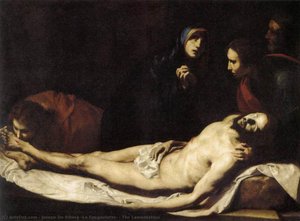
Saint Jerome
 Oil On Canvas
- WallArt
- Baroque Painting
 1630
1630 123.0 x 95.0 cm
 Szépművészeti Múzeum
 Mehr anzeigen
Handgefertigte Ölreproduktion
Handgemaltes Ölgemälde auf Leinwand in Ihrer Wunschgröße und mit Rahmen, auf Bestellung von unseren Künstlern angefertigt. ( Zum Druck wechseln Zum digitalen Bild wechseln)




P118B €10

P118H €10

P118W €10

P438Z €10

P508JH €12

P508YH €12

P805H €10

P805Z €10

P919BZ €10

P919G €10

P919XJ €10

P959ZH €10

P968JZ €12

W106C €8

W218G €10

W218JH €8

W218Y €10

W307PJ €10

W316G €10

W316PJ €8

W316Y €10

W398PJ €8

W4111J €10

W500HY €15

W500JH €15

W692G €12

W849H €8

W940BG €15

W953PJ €8




Wählen Sie aus unseren vordefinierten Formaten, die den ursprünglichen Proportionen des Kunstwerks entsprechen.

Geben Sie die Breite und die Höhe an, die Sie für Ihren Rahmen oder Ihre Wand benötigen. Da dieses Werk handgemalt ist, kann der Künstler bei einer anderen Form etwas mehr um das Bild herum malen oder etwas abschneiden – Sie entscheiden. Wir senden Ihnen ein digitales Mockup zur Freigabe, bevor mit dem Malen begonnen wird. Das auf dieser Seite gezeigte Bild stellt nicht das tatsächliche Ergebnis dar – dies tut nur das Mockup.
Nach der Bestellung wird das OriginalUniqueArt.com-Team dem Kunden Anweisungen per E-Mail zusenden und eine Mockup-Vorschau bereitstellen.
Weltweiter Versand () in nur 3 bis 4 Wochen statt der üblichen 5 Wochen. (22 Oktober). Keine Kompromisse bei der Qualität.

Kostenloser weltweiter Expressversand

Hochwertige Leinenleinwand

Vollständiger Versicherungsschutz beim Versand

Zollgebühren-Rückerstattungsgarantie

Garantie für exakte Farbtreue

100-tägiges Rückgaberecht (nur bei Mängeln)

100% Geld-zurück-Garantie

Angebot für Mengenrabatt
 Die Glasoption ist nur für Größen unter 110 cm verfügbar.

Saint Jerome
Reproduktionsmedium
Format der Reproduktion
-


Gesamtpreis
€ 262
The Weight of Faith: Jusepe de Ribera’s “Saint Jerome”
Jusepe de Ribera's "Saint Jerome," painted circa 1638-40, isn’t merely a portrait; it’s an immersion into the soul of a man wrestling with divine purpose and earthly suffering. This monumental work, currently residing in the Cleveland Museum of Art, exemplifies Ribera’s signature style – a dramatic blend of tenebrism, raw realism, and profound spiritual intensity that secured his place as one of the most significant artists of the Spanish Baroque era. More than just depicting a biblical figure, Ribera captures a universal struggle with faith, repentance, and the burden of divine responsibility.
The painting immediately commands attention through its masterful use of light and shadow. Ribera employs a technique known as chiaroscuro – a stark contrast between intensely illuminated areas and deep, enveloping darkness – to sculpt the figure of Saint Jerome from the gloom. The saint’s face, partially obscured by shadow, is rendered with an almost photographic realism, capturing every wrinkle, furrow, and the haunted expression etched upon his brow. This deliberate obscurity draws the viewer in, forcing a contemplative engagement with the subject's inner turmoil.
A Study of Penance and Revelation
Saint Jerome, traditionally depicted as the hermit who translated the Bible into Latin, is presented here not as a serene scholar but as a man consumed by his task. He’s shown in a desolate landscape – a barren desert, rendered with muted browns and ochres – beating his breast with a stone, an act of self-flagellation symbolizing repentance and devotion. The inclusion of a skull beneath his hand is a potent reminder of mortality and the vanity of earthly pursuits, urging viewers to contemplate their own spiritual journeys.
The composition itself is carefully constructed to amplify this sense of drama. Ribera utilizes a pyramidal structure, with Jerome’s figure forming the apex, drawing the eye upwards and emphasizing his importance within the scene. The outstretched hand holding a scroll – bearing the words of the Vulgate Bible – represents not just the accomplishment of translating scripture but also the weight of that responsibility. It's a visual declaration of faith undertaken with profound humility.
The Caravaggisti Influence & Spanish Roots
Ribera’s style is deeply rooted in the artistic innovations of Michelangelo Merisi da Caravaggio, whom he encountered and profoundly admired during his time in Rome. Like Caravaggio, Ribera favored dramatic lighting, intense realism, and a focus on human emotion. However, Ribera infused this Italian influence with distinctly Spanish sensibilities – a heightened sense of drama, a darker palette, and an unflinching portrayal of the human condition. The painting’s somber mood reflects the prevailing religious fervor and social anxieties of 17th-century Spain.
Born in Xativa, Valencia, in 1591, Ribera's life was marked by hardship and exile. He spent much of his career in Naples, where he established a prolific workshop and cultivated a devoted following. His paintings often depict scenes of martyrdom, poverty, and religious ecstasy – subjects that resonated deeply with the social realities of the time. “Saint Jerome” is a testament to Ribera’s ability to transform historical narratives into emotionally resonant works of art.
A Timeless Meditation on Faith
“Saint Jerome” transcends its biblical subject matter, offering a timeless meditation on faith, repentance, and the human struggle for spiritual understanding. The painting's power lies not just in its technical brilliance but also in its ability to evoke a profound sense of empathy and contemplation. It’s a work that invites viewers to consider their own relationship with faith, mortality, and the enduring weight of responsibility – a truly remarkable achievement of the Spanish Baroque.
Fragen & Antworten
Wie kann ich "Saint Jerome" von Jusepe de Ribera als Diashow ansehen?
Eine Diashow ist verfügbar: die Seite Diashow von "Saint Jerome" von Jusepe de Ribera.
Woraus besteht "Saint Jerome"?
Das Medium von "Saint Jerome" von Jusepe de Ribera ist Oil On Canvas. Die Reproduktionen zielen darauf ab, das Erscheinungsbild dieser Technik wiederzugeben.
Welche Farbe dominiert in "Saint Jerome" von Jusepe de Ribera?
Ein Golden Yellow Range Farbton durchzieht "Saint Jerome" von Jusepe de Ribera.
Biografie des Künstlers
Jusepe de Ribera (Lo Spagnoletto): Ein Leben im Drama des Barock
- Geboren: Xativa, Spanien (1591)
- Gestorben: 1652
Jusepe de Ribera, auch bekannt als Lo Spagnoletto ("Der kleine Spanier"), war eine zentrale Figur der spanischen Barockmalerei. Geboren 1591 in Valencia, Spanien, erlangte er Ruhm für seine dramatischen und intensiv realistischen Darstellungen religiöser Themen, Märtyrertumsskulpturen, Porträts, Stillleben und Landschaften. Seine Karriere umfasste sowohl Spanien als auch Italien, wobei Neapel den größten Teil seines Lebens sein primärer künstlerischer Standort war.
Frühes Leben, Ausbildung und italienischer Einfluss
Die frühen Details von Riberas Leben sind etwas verschwommen. Es wird angenommen, dass er zunächst in Valencia ausgebildet wurde, bevor er um 1607 nach Italien zog. Seine Zeit in Rom führte ihn mit den Werken von Caravaggio und Guido Reni zusammen, was seine künstlerische Entwicklung tiefgreifend beeinflusste. Ribera absorbierte die dramatische Verwendung von Licht und Schatten, die Caravaggio (Tenebrismus) maßgeblich vorantrieb, während er gleichzeitig Elemente der klassischen Komposition von Künstlern wie Reni übernahm. Diese Synthese führte zu einem einzigartigen Stil, der durch intensive Emotionalität, nackte Realität und kraftvolle Erzählungen gekennzeichnet ist.
Hauptwerke und künstlerischer Stil
Riberas künstlerisches Erbe beruht auf einer Reihe fesselnder Werke, die die Ästhetik des Barock verkörpern. Zu seinen bekanntesten Gemälden gehören:
- Märtyrertum des Heiligen Bartholomäus: Eine brutale Darstellung, die Riberas Meisterschaft im Tenebrismus und seine unerschütterliche Realität demonstriert.
- Der heilige Hieronymus mit dem Engel: Zeigt eine weichere, kontemplativere Seite bei gleichzeitiger Beibehaltung seiner charakteristischen dramatischen Beleuchtung.
- Das Märtyrertum des Heiligen Andreas: Ein weiteres kraftvolles Beispiel für seine religiösen Themen und die intensive emotionale Darstellung.
- Die bärtige Frau: Ein bemerkenswertes Werk, das seine Fähigkeit hervorhebt, die menschliche Form mit bemerkenswerter Präzision und Emotion einzufangen.
Sein Stil ist sofort erkennbar durch:
- Tenebrismus: Die dramatische Verwendung starker Kontraste zwischen Licht und Dunkelheit, die ein Gefühl gesteigerter Dramatik und emotionaler Intensität erzeugen.
- Realismus: Riberas Engagement für die Darstellung von Figuren mit unerschütterlicher Genauigkeit, oft unter Darbietung von Unvollkommenheiten und Zeichen des Alters oder des Leidens.
- Emotionale Intensität: Seine Werke rufen kraftvolle Emotionen durch die Ausdrücke und Gesten seiner Sujets hervor.
Entwicklung und Vermächtnis
Riberas Karriere lässt sich grob in zwei Phasen einteilen. Seine frühen Arbeiten, stark von Caravaggio beeinflusst, sind durch einen schärferen Realismus und eine dramatischere Verwendung des Tenebrismus gekennzeichnet. Später in seiner Karriere, insbesondere nach seinem dauerhaften Aufenthalt in Neapel, entwickelte sich sein Stil weiter hin zu reicheren Farben, weicherer Beleuchtung und komplexerer Kompositionen. Obwohl er die Kernelemente seiner Barockästhetik beibehielt, demonstrieren seine späteren Werke einen größeren Grad an Verfeinerung.
Riberas Einfluss reichte über Spanien hinaus und beeinflusste Künstler in ganz Europa. Seine innovative Verwendung des Tenebrismus und sein unerschütterlicher Realismus setzten neue Maßstäbe für die religiöse Malerei. Künstler wie José de Ribera (ein späterer Künstler, der von Jusepe beeinflusst wurde) erforschten diese Techniken weiter. Heute befinden sich Riberas Werke in renommierten Museen auf der ganzen Welt, darunter das Museo del Prado in Spanien, die National Gallery of Art in Washington D.C. und zahlreiche Institutionen in Europa.
Historische Bedeutung
Jusepe de Ribera steht als zentrale Figur in der spanischen Barockkunst neben Francisco de Zurbarán, Bartolomé Esteban Murillo und Diego Velázquez. Seine Beiträge zur Entwicklung des Tenebrismus sind unbestreitbar, und seine kraftvollen Darstellungen religiöser Themen wirken bis heute nachhallend auf das Publikum. Die OriginalUniqueArt-Kollektion bietet einen umfassenden Überblick über sein künstlerisches Schaffen und ermöglicht es den Betrachtern, die volle Bandbreite seines Talents und seines bleibenden Vermächtnisses zu würdigen.

Jusepe de Ribera
1591 - 1652 , Spanien
Eckdaten zum Künstler
- Artistic Movement Or Style: Spanischer Barock
- Artists Or Movements Influenced By This Artist: ['José de Ribera']
- Artists Who Influenced This Artist:
- Caravaggio
- Guido Reni
- Date Of Birth: 17. Februar 1591
- Date Of Death: 03. November 1652
- Full Name: Jusepe de Ribera
- Nationality: Spanisch
- Notable Artworks:
- Martyrium des Hl. Bartholomäus
- Hl. Hieronymus mit Engel
- Martyrium des Hl. Andreas
- Die Bartfrau
- Place Of Birth: Xativa, Spanien
Verwandte Artikel
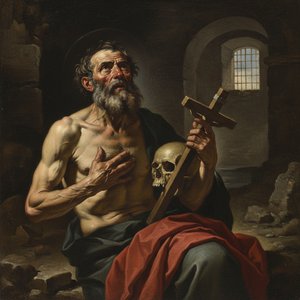
Jusepe de Ribera: Dramatische Realität und spirituelle Intensität im spanischen Goldenen Zeitalter
Entdecken Sie die dramatische Realität und spirituelle Tiefe von Jusepe de Ribera, einem Meister des spanischen Barock. Erfahren Sie mehr über seinen einzigartigen Stil und seine beeindruckenden Werke.

The Golden Age Reforged: Dramatic Realism & Religious Zeal in Spanish Baroque Art
Explore the dramatic world of Spanish Baroque art! Discover masters like Zurbarán & the powerful influence of religious zeal on painting techniques – a guide for collectors and enthusiasts.

Barock Meisterwerke: Die 10 prägendsten Kunstwerke für Ihr Zuhause |
Entdecken Sie die 10 prägendsten Meisterwerke des Barock! Caravaggio, Rembrandt & Co. – Erfahren Sie die Geschichten hinter ikonischen Gemälde und finden Sie hochwertige Kunst Reproduktionen für Ihr Zuhause auf .
Chiaroscuro & Emotional Resonance: Exploring Dramatic Light in Western Painting
Explore the captivating world of chiaroscuro & tenebrism! Discover Caravaggio's influence, Baroque masters, and the enduring power of dramatic lighting in art history. Learn about these techniques with OriginalUniqueArt.

The Dramatic Flourish: Exploring the Baroque Movement's Enduring Legacy in Art History
Explore the dramatic world of Baroque art! Discover iconic artists like Caravaggio & Rubens, defining techniques, and its lasting impact on art history. Expert insights for collectors & enthusiasts at OriginalUniqueArt.