Zum Druck wechseln
 Weiterlesen







































 Bei Kunstwerken oder Reproduktionen, die an einer Seite größer als 105 cm (ca. 41 Zoll) sind, wird der Rahmen zerlegt als Bausatz geliefert. Diese Methode gewährleistet eine sichere Zustellung und verhindert Schäden während des Transports.


Die Märtyrergut des St. Philipp – Ein Drama von Leidenschaft und Glauben
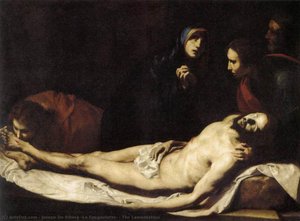
Jusepe de Ribera’s “The Martyrdom of St. Philip,” painted in 1639, is not merely a depiction of a historical event; it's a visceral experience, a plunge into the heart of suffering and unwavering faith. This monumental oil painting, measuring 234 x 234 cm, immediately commands attention with its dramatic composition and intensely realistic portrayal of human drama. Ribera, a master of the Baroque style – often dubbed “Lo Spagnoletto” – expertly utilizes light, shadow, and dynamic movement to create an atmosphere thick with sorrow and reverence. The scene unfolds within what appears to be a rough-hewn wooden structure, perhaps a ship or platform, lending a sense of immediacy and vulnerability to the unfolding tragedy. The cloudy sky in the background serves as a somber backdrop, amplifying the feeling of despair.
Barockes Drama und Realistische Darstellung
Ribera’s style is deeply rooted in the Baroque tradition, yet he transcends mere imitation. He doesn't shy away from depicting the brutal reality of Philip’s execution – the straining muscles, the anguished faces, the palpable weight of grief. The figures are not idealized; they are rendered with unflinching honesty, showcasing the physical toll of carrying the body. The composition is tightly controlled, a deliberate claustrophobia that mirrors the feeling of being trapped within this moment of profound sorrow. Diagonal lines, created by the bodies and the structure itself, propel the viewer’s eye through the scene, emphasizing the relentless exertion of those who bear Philip's remains. Ribera’s masterful use of *sfumato*, a technique borrowed from Leonardo da Vinci, softens edges and creates a hazy atmosphere, lending an ethereal quality to the overall drama.
Farben, Licht und die Anatomische Präzision
The painting's rich palette is dominated by earthy tones – browns, ochres, and deep reds – reflecting the somber mood. Ribera’s use of impasto, applying thick layers of paint, particularly noticeable in the skin tones and clothing, adds incredible texture and depth to the work. The dramatic lighting, originating from an unseen source above, casts a stark glow on St. Philip's body, highlighting his suffering and drawing attention to the expressions of anguish etched upon the faces of the men carrying him. Ribera’s meticulous study of human anatomy is evident in every detail – the bulging muscles, the veins visible beneath the skin, the realistic depiction of wounds and injuries. This commitment to anatomical accuracy elevates the painting beyond a simple narrative illustration; it becomes a profound meditation on the fragility and resilience of the human form.
Symbolik und spirituelle Bedeutung
“The Martyrdom of St. Philip” is laden with symbolic weight. The event itself – the brutal execution of a revered saint – represents sacrifice, unwavering faith in the face of adversity, and the enduring power of spiritual conviction. The act of carrying his body symbolizes the collective responsibility of the community to honor and remember their hero. Beyond its religious significance, the painting speaks to universal themes of loss, grief, and the human capacity for compassion. Ribera’s work invites contemplation on the nature of suffering and the importance of maintaining hope even in the darkest of times. The scene resonates with a timeless quality, reminding us of the enduring power of faith and the profound impact of individual sacrifice.
Ein Meisterwerk für Sammler und Innenarchitekten
A reproduction of “The Martyrdom of St. Philip” by Jusepe de Ribera is more than just a beautiful image; it’s an investment in art history and a powerful addition to any collection or interior space. OriginalUniqueArt offers meticulously crafted, hand-painted reproductions that faithfully capture the drama, emotion, and technical brilliance of this iconic Baroque masterpiece. The rich textures and dramatic lighting will bring a sense of depth and atmosphere to your home or office, while the painting’s profound symbolism serves as a constant reminder of the enduring values of faith, sacrifice, and human compassion. Consider this artwork not just as decoration, but as a window into the soul of a master artist and a testament to the power of art to move and inspire.
Fragen & Antworten
Welche Farbe prägt die Komposition von "Die Märtyrdom St. Philipps" von Jusepe de Ribera?
Die Farbe, die in „Die Märtyrdom St. Philipps“ am stärksten hervorsticht, ist Phthalogrün (#262520). Die dominante Farbe ist hilfreich, um ein Kunstwerk auf eine Inneneinrichtung abzustimmen.
Welche Stimmung würde "Die Märtyrdom St. Philipps" in einen Raum bringen?
"Die Märtyrdom St. Philipps" von Jusepe de Ribera strahlt eine Dramatisch Atmosphäre aus und wird für ein Wohnbereich empfohlen. Die Stimmung beschreibt das Gefühl, das das Werk in den umgebenden Raum bringt.
Wie spiegeln sich Stilrichtung und Epoche in "Die Märtyrdom St. Philipps" von Jusepe de Ribera wider?
"Die Märtyrdom St. Philipps" von Jusepe de Ribera lässt sich der Strömung des Baroque Painting innerhalb der – Frühe Neuzeit-Ära seines Schöpfers zuordnen.
 Vorschau anzeigen
 Versenden
 Teilen
 Details anzeigen
 Leitfaden

 Herunterladen
 Ähnliche Objekte
 Röntgenaufnahme
 Diashow
 Fragen & Antworten
 Statistiken