Vorschau anzeigen
 Versenden
 Teilen
 Details anzeigen
 Leitfaden

 Herunterladen
 Ähnliche Objekte
 Röntgenaufnahme
 Diashow
 Statistiken
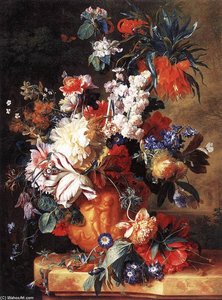
Blumen und Früchte
 Öl auf Holztafel
- Wandkunst
- Niederländisches Goldenes Zeitalter
 1723
1723- – Frühe Neuzeit
 80.0 x 61.0 cm
 Eremitage Museum
 Weiterlesen
Giclée / Kunstdruck
Giclée- oder Leinwanddruck in Museumsqualität mit schneller Produktion und flexiblen Veredelungsoptionen. ( Handgemalte Reproduktion bestellen Zum digitalen Bild wechseln)




P118B €10

P118H €10

P118W €10

P438Z €10

P508JH €12

P508YH €12

P805H €10

P805Z €10

P919BZ €10

P919G €10

P919XJ €10

P959ZH €10

P968JZ €12

W106C €8

W218G €10

W218JH €8

W218Y €10

W307PJ €10

W316G €10

W316PJ €8

W316Y €10

W398PJ €8

W4111J €10

W500HY €15

W500JH €15

W692G €12

W849H €8

W940BG €15

W953PJ €8




Wählen Sie aus unseren vordefinierten Formaten, die den ursprünglichen Proportionen des Kunstwerks entsprechen.

Geben Sie die benötigte Breite und Höhe an, damit der Druck perfekt in Ihren Rahmen oder an Ihre Wand passt. Ein Druck kann nur beschnitten, aber niemals größer als das Originalbild angefertigt werden; daher verliert ein Format mit anderen Proportionen einen Teil des Bildes. Wir senden Ihnen ein digitales Mockup zur Freigabe, bevor wir den Druck ausführen. Das auf dieser Seite gezeigte Bild zeigt nicht den tatsächlichen Beschnitt – dies ist nur im Mockup ersichtlich.
Weltweiter Versand () innerhalb von 2 Wochen statt der üblichen 4/5 Wochen. (26 Oktober)

Kostenloser weltweiter Expressversand

Hochwertige Leinenleinwand

Umfassender Versicherungsschutz beim Versand

Zollgebühren-Rückerstattungsgarantie

Garantie für exakte Farbtreue

100 Tage Rückgaberecht (nur bei Mängeln)

100% Geld-zurück-Garantie

Mengenrabatt verfügbar
 Die Glasoption ist nur für Größen unter 110 cm verfügbar.

Blumen und Früchte
Giclée / Kunstdruck
Format der Reproduktion
-


Endpreis
€ 70
Eine Symphonie aus Farbe und Textur: Die ewige Blüte von Jan van Huysum
In der stillen Erhabenheit des Rijksmuseums Amsterdam öffnet sich ein Fenster zu einer Welt des ewigen Frühlings – ein Meisterwerk, das die Grenzen von Zeit und Verfall transzendiert. Jan van Huysums „Blumen und Früchte“, vollendet im Jahr 1723, ist weit mehr als eine bloße Anordnung botanischer Exemplare; es ist ein atemberaubender Triumph des niederländischen Barock. Den Blick auf diese Leinwand zu richten bedeutet, in eine Sphäre einzutreten, in der die vergängliche Schönheit der Natur mit einer so tiefgreifenden Präzision eingefangen wurde, dass man die kühle Feuchtigkeit auf einem Blütenblatt oder den süßen, schweren Duft reifender Früchte fast physisch spüren kann. Dieses Werk steht als klassisches Beispiel einer Epoche, die durch Opulenz definiert war – einer Zeit, in der die Meisterschaft von Licht und Schatten dazu diente, sowohl den Überfluss der natürlichen Welt als auch das unvergleichliche technische Können des Künstlers zu feiern.
Geboren in eine Linie künstlerischer Exzellenz in Amsterdam, war Jan van Huysum dazu bestimmt, die bedeutendste Stimme der floralen Stilllebenmalerei zu werden. Als Sohn von Justus van Huysum dem Älteren war sein gesamtes Wesen tief in den Traditionen des Goldenen Zeitalters der Niederlande verwurzelt. Doch Jan replizierte nicht einfach die Werke seiner Vorgänger; er revolutionierte das Genre. Während frühere Meister oft statische, formale Arrangements präsentierten, führte Van Huysum ein Gefühl von dynamischer Bewegung und organischer Spontaneität ein. In „Blumen und Früchte“ atmet die Komposition förmlich Leben. Die Trauben scheinen mit einer schweren, saftigen Fülle zu hängen, während Äpfel mit einer kalkulierten Lässigkeit verstreut sind, die einen in der Zeit eingefrorenen Moment suggeriert. Dieses Gefühl des Illusionismus – der Kunst, das Auge zu täuschen – ist es, was dieses Stück von einer einfachen Studie zu einem tiefgreifenden sensorischen Erlebnis erhebt.
Die Alchemie von Licht und Lasur
Die technische Brillanz, die erforderlich ist, um eine solche Leuchtkraft zu erzielen, grenzt an ein Wunder. Van Huysum wandte eine mühsame Methode an, bei der dünne, lichtdurchlässige Lasuren über mehrere Farbschichten gelegt wurden – eine Technik, die es dem Licht ermöglichte, in die Farbschichten einzudringen und von innen heraus zu reflektieren, wodurch ein inneres Glühen entstand. Dieser akribische Prozess erlaubte es ihm, die vielfältigen Texturen der Natur mit verblüffender Genauigkeit darzustellen: die samtige Weichheit eines Rosenblattes, den glatten, reflektierenden Glanz eines reifen Pfirsichs und die kristalline Klarheit eines einzelnen Tautropfens, der an einem Blatt haftet. Für den anspruchsvollen Sammler oder Innenarchitekten bieten diese Details eine spürbare Tiefe; das Gemälde hängt nicht einfach nur an einer Wand, sondern interagiert mit dem Umgebungslicht eines Raumes und verändert seinen Charakter im Laufe des Tages.
Jenseits der technischen Ausführung liegt eine tiefere Ebene symbolischer Resonanz. Im 18. Jahrhundert waren solche Stillleben oft Meditationen über das Konzept der Vanitas – die Vergänglichkeit des Lebens und die Unausweichlichkeit des Wandels. Doch Van Huysums Ansatz neigt eher zu einer Feier des Überflusses und der göttlichen Ordnung der Schöpfung. Die Üppigkeit der Früchte und die lebendige Vitalität der Blüten dienen als Zeugnis für den Reichtum des Lebens. Für all jene, die einen Raum mit Eleganz und einem Gefühl zeitloser Prosperität erfüllen möchten, bietet dieses Kunstwerk einen Anker der Raffinesse. Eine hochwertige Reproduktion dieses Meisterwerks bringt nicht nur Farbe, sondern eine geschichtsträchtige Tradition niederländischer Exzellenz und eine tiefe Wertschätzung für die zarten, flüchtigen Momente mit sich, die unsere Existenz definieren.
Fragen & Antworten
Ist "Blumen und Früchte" als Kunstdruck erhältlich?
Einen Druck von "Blumen und Früchte" von Jan Van Huysum können Sie ganz einfach auf der Seite Kunstdruck in Premiumqualität bestellen: ein Fine Art Print auf Baumwollkanvas oder Archiv-Leinwandpapier.
Warum eignet sich "Blumen und Früchte" von Jan Van Huysum als besonderes Geschenk?
Die Ruhig Stimmung von "Blumen und Früchte" von Jan Van Huysum passt ideal zum empfohlenen Anlass als Geschenk: Jahrestag.
Welcher Kunstrichtung lässt sich "Blumen und Früchte" von Jan Van Huysum zuordnen?
"Blumen und Früchte" von Jan Van Huysum lässt sich der Strömung des Niederländisches Goldenes Zeitalter zuordnen. Diese Stilrichtung bildet den künstlerischen Kontext des Werkes.
Künstlerbiografie
Jan van Huysum (1682–1749): A Master of Floral Illusion
Jan van Huysum, a name synonymous with the exquisite flower paintings of the Dutch Golden Age, was born in Amsterdam on April 15, 1682. He wasn’t simply a painter of blooms; he was a master of illusion, capable of rendering petals and droplets with such breathtaking realism that viewers felt they could almost inhale their fragrance. Born into an artistic family—his father, Justus van Huysum the Elder, was also a respected flower painter, and his brothers Jacob and Michiel followed suit—Jan’s path seemed predetermined. However, he wasn't immediately drawn to floral subjects. Early in his career, he experimented with landscapes, described as “conventional and arcadian,” but it was within the delicate world of still life that his true genius blossomed.
The foundation of Van Huysum’s artistic education was laid by his father, a formative experience that instilled in him not only technical skill but also an understanding of the art market. Amsterdam during this period thrived as a center for commerce and culture, fostering a demand for luxurious and decorative paintings like those depicting lavish floral arrangements. This environment shaped Van Huysum’s approach; he wasn’t merely replicating nature, but crafting idealized visions of beauty intended to delight and impress. His earliest dated work is completed in 1717 and now residing in the Louvre, already revealing a remarkable maturity and attention to detail, hinting at the mastery that was to come.
The Art of Detail: Technique and Style
What truly sets Van Huysum apart is his unparalleled technique. He employed smooth, glossy brushstrokes, building up layers of paint to create an almost enamel-like surface that enhanced the richness and vibrancy of his colors. But it wasn’t just about color; it was about light—the way it played across petals, illuminated water droplets clinging to leaves, and created a sense of depth and volume. He possessed an extraordinary eye for detail, meticulously capturing the textures of every flower, fruit, and leaf with astonishing precision. Stories circulated that he could paint details like ants and dew drops so realistically they were visible without magnification—a testament to his dedication and skill.
His compositions are characterized by a refined elegance and balance. Unlike some of his contemporaries who favored crowded, overflowing arrangements, he consistently avoided imbalance or over-composition. His later works became more elaborate, certainly, but always maintained a sense of harmony and grace. He often incorporated elements of fantasy into his work, particularly in his landscapes which featured imaginary scenes with classical architectural details and motionless trees. These weren’t attempts at topographical accuracy, but rather evocative settings designed to showcase the beauty of the flowers they contained.
A Flourishing Reputation: Major Works and Legacy
Throughout his lifetime, Jan van Huysum enjoyed considerable acclaim and financial success. His paintings were highly sought after by collectors, and he commanded high prices for his work. Today, his masterpieces can be found in prestigious museums around the world, including the Louvre in Paris, the National Gallery in London, and collections in Berlin and Amsterdam. Among his most celebrated works are Terracotta Vase with Flowers and Fruits, a stunning display of color and texture; Flowers and Fruits, showcasing his mastery of composition; and Bouquet of Flowers in an Urn, a testament to his ability to capture the ephemeral beauty of nature.
Van Huysum’s influence extended beyond his own time, inspiring generations of artists. Painters like Jan van Os and Johannes de Bosch clearly demonstrate his impact on subsequent floral still life traditions. He represents the pinnacle of Dutch Golden Age flower painting, a period defined by its meticulous observation of nature and its celebration of beauty. His legacy isn't simply about the numerous paintings he created, but also about the enduring appeal of his style—a style that continues to inspire artists and captivate audiences today. His work remains a powerful reminder of the artistry and skill required to transform fleeting moments of natural beauty into timeless works of art.
Family Connections & Artistic Lineage
- Justus van Huysum the Elder (1659–1716): Jan’s father, a prolific painter of flower pieces and decorative schemes.
- Jacob van Huysum (1688–1740): Jan's brother, also a notable artist specializing in botanical illustrations.
- Justus van Huysum the Younger (1685-1707): Another of Jan’s brothers who pursued painting but died young.
- Michiel van Huysum (1703–1777): A half-brother, also a flower painter.
- Francina Margaretha van Huysum: Jan’s daughter, who assisted him in his work and was herself a skilled flower painter.
The Van Huysum family represents a remarkable artistic lineage, contributing significantly to the rich tapestry of Dutch Golden Age painting. Jan, however, stands out as the most celebrated member, leaving an indelible mark on the history of art with his exquisite and enduring floral masterpieces.

Jan Van Huysum
1682 - 1749 , Niederlande
Kurzinfos
- Artistic Movement Or Style: Dutch Golden Age, Still life
- Artists Or Movements Influenced By This Artist: ['Justus van Huysum']
- Artists Who Influenced This Artist:
- Johannes de Bosch
- Jan van Os
- Date Of Birth: April 15, 1682
- Date Of Death: February 8, 1749
- Full Name: Jan van Huysum
- Nationality: Dutch
- Notable Artworks:
- Terracotta Vase with Flowers
- Flowers and Fruits
- Bouquet of Flowers in an Urn
- Place Of Birth: Amsterdam, Netherlands
Ähnliche Artikel

Die 10 Meisterwerke der niederländischen Barockmalerei – Kunst für Ihr Zuhause | OriginalUniqueArt
Entdecken Sie die 10 prägendsten Meisterwerke der niederländischen Barockmalerei! Von Rembrandt bis Vermeer – erleben Sie Kunstgeschichte, Techniken & Emotionen. Hochwertige Reproduktionen für Ihr Zuhause auf OriginalUniqueArt.com.

Jan van Goyen: Meister der niederländischen Landschaft und atmosphärische Perspektive
Entdecken Sie Jan van Goyens Meisterwerke der niederländischen Landschaftsmalerei! Analysieren Sie Realismus, atmosphärische Perspektive und seinen Einfluss auf die Kunstgeschichte. Expertenwissen & detaillierte Einblicke.
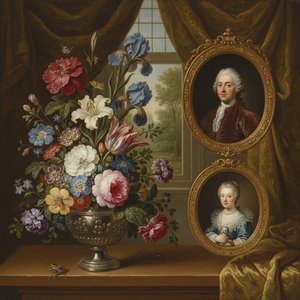
Jan van Kessel the Elder: A Baroque Master of Floral Still Life & Miniature Portraiture
Discover the exquisite detail of Jan van Kessel the Elder's Baroque floral still lifes & captivating miniatures. Explore his artistic legacy, scientific precision, and lasting influence on 17th-century Flemish painting.
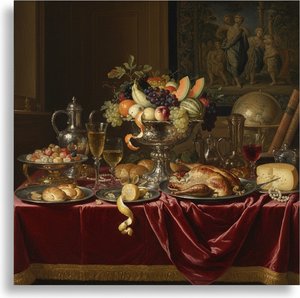
Abraham Hendricksz van Beyeren: Pioneering Dutch Still Life & the Banquet Tradition
Explore the captivating world of Dutch Golden Age still life with Abraham van Beyeren. Discover his innovative techniques, symbolic banquet scenes & lasting influence on art history. Learn about collecting these masterpieces.

Rembrandts Meisterwerke: Die Top 25 Kunstwerke für Ihr Zuhause | OriginalUniqueArt
Entdecken Sie Rembrandts 25 berühmteste Kunstwerke! Tauchen Sie ein in die Welt des Barock, Licht und Schatten & historischer Porträts. Hochwertige Reproduktionen für Ihr Zuhause – jetzt auf OriginalUniqueArt.com!