In echtem Maßstab anzeigen
 Versenden als Grußkarte
 Teilen
 Details anzeigen
 Leitfaden öffnen

 Herunterladen
 Ähnliche Objekte
 Röntgenaufnahme
 Diashow
 Besucherstatistiken
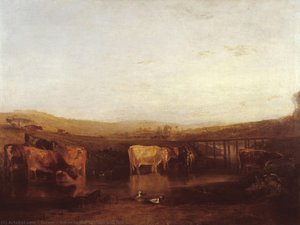
Tivoli, the Cascatelle
 Öl auf Leinwand
- Wandkunst
- Romanticism
 1827
1827- 19. Jahrhundert
 77.0 x 60.0 cm
 Tate Britain
 Mehr anzeigen
Giclée / Kunstdruck
Giclée- oder Leinwanddruck in Museumsqualität mit schneller Produktion und flexiblen Veredelungsoptionen. ( Handgemalte Reproduktion kaufen Zum digitalen Bild wechseln)




P118B $10

P118H $10

P118W $10

P438Z $10

P508JH $12

P508YH $12

P805H $10

P805Z $10

P919BZ $10

P919G $10

P919XJ $10

P959ZH $10

P968JZ $12

W106C $8

W218G $10

W218JH $8

W218Y $10

W307PJ $10

W316G $10

W316PJ $8

W316Y $10

W398PJ $8

W4111J $10

W500HY $15

W500JH $15

W692G $12

W849H $8

W940BG $15

W953PJ $8




Wählen Sie aus unseren vordefinierten Formaten, die den ursprünglichen Proportionen des Kunstwerks entsprechen.

Sie können Ihre eigenen Maße eingeben, um ein bestimmtes Format oder einen speziellen Platz einzupassen. Wenn das von Ihnen gewählte Format nicht den Proportionen des Originalbildes entspricht, werden wir das Kunstwerk entweder beschneiden oder das Bild mit einem gespiegelten oder einfarbigen Rand erweitern. Ein digitaler Entwurf wird Ihnen zur Genehmigung zugesandt, bevor die Produktion beginnt.
Bitte beachten Sie, dass die Vorschau auf dem Bildschirm nicht den tatsächlichen Zuschnitt oder die Erweiterung widerspiegelt. Nur der Entwurf zeigt die endgültige Komposition präzise an.
Obwohl Sondermaße verfügbar sind, empfehlen wir die Auswahl eines Maßes aus der vordefinierten Liste, um die ursprünglichen Proportionen zu bewahren.
Weltweiter Versand () innerhalb von 2 Wochen statt der üblichen 4/5 Wochen. (27 September)

Kostenloser weltweiter Expressversand

Hochwertige Leinenleinwand

Vollständiger Versicherungsschutz beim Versand

Zollgebühren-Rückerstattungsgarantie

Garantie für exakte Farbtreue

100-tägiges Rückgaberecht (nur bei Mängeln)

100% Geld-zurück-Garantie

Angebot für Mengenrabatt
 Die Glasoption ist nur für Größen unter 110 cm verfügbar.

Tivoli, the Cascatelle
Giclée / Kunstdruck
Format der Reproduktion
-


Gesamtpreis
$ 80
A Symphony of Light and Shadow: Turner’s “Tivoli, the Cascatelle”
Joseph Mallord William Turner's "Tivoli, the Cascatelle," painted around 1827-8, isn’t merely a depiction of a picturesque Italian landscape; it’s an immersive experience—a fleeting moment captured in oil and pigment that vibrates with emotion and a profound understanding of light. The scene unfolds within the dramatic gorge of Tivoli, nestled amongst the Sabine Hills just outside Rome, dominated by the cascading waters of the Aniene River and the ghostly silhouette of the ancient Temple of Maecenas perched precariously above. Turner, a master of atmospheric perspective and color manipulation, transports us not to a static vista, but to a dynamic, almost hallucinatory realm where reality blurs with memory and imagination. The painting’s power lies in its ability to evoke a sense of sublime awe—a feeling of being both insignificant before the grandeur of nature and utterly captivated by its beauty.The Romantic Vision: Light, Color, and Emotion
Turner was a pivotal figure in the Romantic movement, and “Tivoli” exemplifies this artistic philosophy perfectly. Unlike the Neoclassical emphasis on reason and order, Romanticism prioritized emotion, intuition, and the power of nature. Turner sought to capture not just what he *saw*, but what he *felt*—the overwhelming sense of wonder, mystery, and even a touch of melancholy that can be experienced when confronted with the sublime. His technique is characterized by loose, expressive brushstrokes – almost frantic in places – applied in rapid succession to build up layers of color. He eschewed precise detail, instead prioritizing the overall effect of light and atmosphere. The dominant blues and greens create a sense of depth and distance, while flashes of ochre and yellow illuminate the rocks and vegetation, suggesting a fleeting moment of sunlight breaking through the mist. The painting’s luminosity isn't achieved through meticulous blending; rather, it’s built up from countless tiny dabs of color, creating an almost shimmering effect that mimics the play of light on water.A Study in Atmospheric Perspective and Symbolism
Turner wasn’t simply recording a landscape; he was exploring its essence. The high horizon line emphasizes the verticality of the falls, drawing the eye upwards towards the dramatic cascade. The distant hills are rendered as hazy blue forms, utilizing atmospheric perspective to convey their immense scale and remoteness. This technique isn't just about creating visual depth; it also suggests a sense of timelessness—as if the scene exists outside of conventional space and time. The Temple of Maecenas itself holds symbolic weight. Its ruined state speaks to the transience of human endeavor against the backdrop of enduring nature, reinforcing the painting’s central theme of the sublime. Furthermore, the turbulent waters are often interpreted as representing the forces of nature—powerful, unpredictable, and ultimately beyond human control. The small figures in the foreground, seemingly dwarfed by the scale of the landscape, serve to underscore this point, reminding us of our own vulnerability within the vastness of the natural world.The Legacy of a Visionary: Reproduction and Interpretation
“Tivoli, the Cascatelle” remains one of Turner’s most celebrated works, admired for its innovative use of color and light, and its evocative portrayal of the sublime. Reproductions capture much of the original's magic, but it is important to note that no reproduction can fully replicate the experience of standing before the painting in person. The subtle shifts in tone, the almost palpable sense of movement, and the sheer intensity of Turner’s vision are all best appreciated within the context of the original canvas. Today, “Tivoli” continues to inspire artists and designers alike, serving as a testament to Turner's genius and his profound understanding of the relationship between humanity and nature. Its influence can be seen in countless works of art that strive to capture the fleeting beauty and overwhelming power of the natural world. A high-quality reproduction offers a beautiful way to bring this iconic image into your home or office, allowing you to enjoy its timeless appeal for years to come.Biografie des Künstlers
Frühes Leben und Karriere
Joseph Mallord William Turner, bekannt in seiner Zeit als William Turner, war ein renommierter englischer Maler der Romantik, Grafiker und Aquarellist. Er wurde am 23. April 1775 in Maiden Lane, Covent Garden, London, in einer bescheidenen Familie des unteren Mittelstandes geboren. Turners künstlerische Reise begann schon in jungen Jahren. * **Wunderkind:** Schon mit 14 Jahren schrieb sich Turner an der Royal Academy of Arts ein und stellte bereits im Alter von 15 Jahren seine erste Arbeit aus. * **Architekturzeichner:** Er arbeitete auch als Architekturzeichner und verbesserte dabei seine Fähigkeiten in Perspektive und Design.Künstlerischer Stil und Beiträge
Turners ausdrucksstarke Farbgebung, fantasievolle Landschaftsbilder und turbulente Meeresmalereien hinterließen einen bleibenden Eindruck auf die britische Kunst. Seine Werke umfassen: * **Von John Ruskin gefördert:** Ab 1840 wurde Turners Werk vom führenden englischen Kunstkritiker John Ruskin gewürdigt, der die Landschaftsmalerei in eine beispiellose Stufe der Bedeutung erhob.Persönliches Leben und späte Jahre
* **Intensiv privat und zurückgezogen:** Turners persönliches Leben war von Exzentrik und Rückzug geprägt. * **Vaterrolle:** Er zeugte zwei Töchter, Evelina (1801–1874) und Georgiana (1811–1843), mit der verwitweten Sarah Danby. * **Späteres Leben und Tod:** Turners Gemütszustand verschlechterte sich nach dem Tod seines Vaters im Jahr 1829. Er lebte ab 1845 in Elend und schlechter Gesundheit und verstarb am 19. Dezember 1851 in London im Alter von 76 Jahren.Vermächtnis und Erinnerung
* **Beerdigt in St. Paul’s Cathedral:** Turner wurde in der St. Paul's Cathedral, London beigeselt, ein Beweis für sein bleibendes Vermächtnis. * **Erkunden Sie mehr:** Tauchen Sie in Turners Welt ein über [https://OriginalUniqueArt.com/@/j-m-william-turner](https://OriginalUniqueArt.com/@/j-m-william-turner) und entdecken Sie die Meisterwerke, die Kunstliebhaber auf der ganzen Welt weiterhin inspirieren. Entdecken Sie das turbulente Genie von J.M. William Turner * **Sehen Sie sich seine Werke an:** /de/art/list/ * **Erfahren Sie mehr über die britische Kunst:** [https://en.wikipedia.org/wiki/category:british_art](https://en.wikipedia.org/wiki/category:british_art)
J.M.W. Turner
1775 - 1851 , Vereinigtes Königreich
Eckdaten zum Künstler
- Bemerkenswerte Werke:
- Der Kampfschiff Temeraire
- Regen, Dampf und Geschwindigkeit
- Die Verbrennung des Parlamentsgebäudes
- Geburtsdatum: 23. April 1775
- Geburtsort: London, Vereinigtes Königreich
- Künstlerische Richtung: Romantik
- Nationalität: Britisch
- Sterbedatum: 19. Dezember 1851
- Vollständiger Name: J.M.W. Turner
Verwandte Artikel

Öl auf Leinwand: Eine historische und technische Erkundung eines zeitlosen künstlerischen Mediums
Entdecken Sie die faszinierende Welt der Ölmalerei! Von historischen Techniken bis zur modernen Anwendung – wir bieten Expertenwissen, Restaurierungstipps und hochwertige Reproduktionen. Jetzt informieren!
J.M.W. Turner: Licht, Atmosphäre und das Romantische Erhabene – Eine Studie zu seinem künstlerischen Vermächtnis
Entdecken Sie J.M.W. Turner und seine revolutionäre Landschaftsmalerei! Analysieren Sie Licht, Atmosphäre und das Romantische Erhabene in seinem Werk. Expertenwissen & tiefe Einblicke.

The Enduring Power of Painting: A Historical & Contemporary Exploration of Form and Emotion
Explore the rich history & enduring techniques of oil painting with OriginalUniqueArt. Discover masterpieces, learn about art collecting, and find authentic handmade reproductions crafted by skilled artists.

Das bleibende Erbe der Ölmalerei: Technik, Geschichte und zeitgenössische Praxis
Entdecken Sie die faszinierende Geschichte der Ölmalerei – von den frühen Techniken bis zur modernen Kunst. Expertenwissen, detaillierte Analysen und Inspiration für Sammler & Kunstliebhaber.

The Enduring Legacy of Oil on Canvas: Technique, History & Aesthetic Impact
Explore the rich history & techniques of oil painting – from Renaissance masters to Impressionism. Discover pigments, layering methods, and why this timeless medium endures. Expert insights for artists & art enthusiasts.