

 In echtem Maßstab anzeigen
 Versenden als Grußkarte
 Teilen
 Details anzeigen

 Herunterladen
 Ähnliche Objekte
 Röntgenaufnahme
 Diashow
 Besucherstatistiken
Sir Walter Scott


 Mehr anzeigen
Giclée / Kunstdruck
Giclée- oder Leinwanddruck in Museumsqualität mit schneller Produktion und flexiblen Veredelungsoptionen. ( Handgemalte Reproduktion kaufen Zum digitalen Bild wechseln)




P118B $10

P118H $10

P118W $10

P438Z $10

P508JH $12

P508YH $12

P805H $10

P805Z $10

P919BZ $10

P919G $10

P919XJ $10

P959ZH $10

P968JZ $12

W106C $8

W218G $10

W218JH $8

W218Y $10

W307PJ $10

W316G $10

W316PJ $8

W316Y $10

W398PJ $8

W4111J $10

W500HY $15

W500JH $15

W692G $12

W849H $8

W940BG $15

W953PJ $8




Wählen Sie aus unseren vordefinierten Formaten, die den ursprünglichen Proportionen des Kunstwerks entsprechen.

Sie können Ihre eigenen Maße eingeben, um ein bestimmtes Format oder einen speziellen Platz einzupassen. Wenn das von Ihnen gewählte Format nicht den Proportionen des Originalbildes entspricht, werden wir das Kunstwerk entweder beschneiden oder das Bild mit einem gespiegelten oder einfarbigen Rand erweitern. Ein digitaler Entwurf wird Ihnen zur Genehmigung zugesandt, bevor die Produktion beginnt.
Bitte beachten Sie, dass die Vorschau auf dem Bildschirm nicht den tatsächlichen Zuschnitt oder die Erweiterung widerspiegelt. Nur der Entwurf zeigt die endgültige Komposition präzise an.
Obwohl Sondermaße verfügbar sind, empfehlen wir die Auswahl eines Maßes aus der vordefinierten Liste, um die ursprünglichen Proportionen zu bewahren.
Weltweiter Versand () innerhalb von 2 Wochen statt der üblichen 4/5 Wochen. (17 September)

Kostenloser weltweiter Expressversand

Hochwertige Leinenleinwand

Vollständiger Versicherungsschutz beim Versand

Zollgebühren-Rückerstattungsgarantie

Garantie für exakte Farbtreue

100-tägiges Rückgaberecht (nur bei Mängeln)

100% Geld-zurück-Garantie

Angebot für Mengenrabatt
 Die Glasoption ist nur für Größen unter 110 cm verfügbar.

Sir Walter Scott
Giclée / Kunstdruck
Format der Reproduktion
-


Gesamtpreis
$ 80
Sir Walter Scott, A Portrait of Romanticism
Henry Raeburn’s “Portrait of Sir Walter Scott” is more than just a likeness; it's a carefully constructed tableau of Scottish identity and the burgeoning spirit of the Romantic era. Completed in 1822, this iconic painting captures not merely the physical appearance of the celebrated novelist but also his intellectual presence, his connection to the land, and the weight of his literary legacy. The portrait immediately draws the eye with its dramatic lighting – a chiaroscuro technique borrowed from Caravaggio – that sculpts Scott’s features and imbues the scene with an almost theatrical intensity. The dark background serves not as mere backdrop but as a deliberate framing device, intensifying the focus on the subject and suggesting a world of stories waiting to be unveiled.
Raeburn's masterful handling of texture is equally compelling. The rich velvet of Scott’s robe, the worn leather of his slippers, and even the subtle sheen of his spectacles are rendered with painstaking detail. This meticulous realism, however, isn’t simply about accurate representation; it’s a deliberate choice to ground the portrait in the tangible world – a world that Scott so vividly brought to life through his novels. The inclusion of Maida, Scott's beloved terrier, nestled at his feet adds an element of warmth and domesticity, subtly hinting at the author’s deep connection to nature and his appreciation for simple pleasures.
The Context of a Literary Icon
Sir Walter Scott (1771-1832) was arguably the most influential novelist of his time. His works – *Waverley*, *Rob Roy*, *Ivanhoe* – not only popularized the historical novel but also played a crucial role in shaping Scottish national identity and fostering a renewed interest in its rich folklore and traditions. Raeburn, as Portrait Painter to King George IV in Scotland, was tasked with immortalizing this literary giant, and he understood that the portrait needed to convey more than just Scott’s appearance; it had to embody his spirit and legacy.
The painting was commissioned during a period of significant social and political change in Britain. The Napoleonic Wars were drawing to a close, and there was a growing sense of national pride and a desire to celebrate British achievements. Scott's success coincided with this mood, and his portraits became symbols of Scottish cultural prestige. Furthermore, the portrait’s creation coincided with Raeburn’s own rising fame; it cemented his position as one of Scotland’s most important artists.
A Study in Light and Character
Raeburn's technique is characterized by a remarkable ability to capture character through subtle details. Scott’s gaze, direct and intelligent, invites the viewer into his world. His slightly furrowed brow suggests deep thought, while the hint of a smile hints at wit and wisdom. The artist skillfully uses light and shadow to define Scott’s features, creating a sense of depth and volume that is both realistic and expressive.
The composition itself is carefully considered. Scott is positioned slightly off-center, drawing the eye across the canvas and creating a dynamic visual balance. The arrangement of his clothing – the velvet robe, the leather slippers, the spectacles – contributes to the overall sense of character and reinforces Scott’s status as a man of both refinement and practicality. Notice how Raeburn has used the light to highlight the texture of the fabrics, adding another layer of richness and detail to the portrait.
Symbolism and Enduring Legacy
Beyond its technical brilliance, “Portrait of Sir Walter Scott” is rich in symbolism. The dog Maida represents loyalty and companionship – qualities that were highly valued by Scott himself. The books stacked on a nearby table suggest his lifelong devotion to literature and scholarship. And the overall atmosphere of quiet contemplation reflects Scott’s role as a storyteller and a chronicler of Scottish history.
Today, this painting remains one of Raeburn's most celebrated works and a powerful symbol of Scottish culture. It is housed in the National Gallery of Scotland in Edinburgh, where it continues to captivate viewers with its beauty, its insight, and its enduring legacy. Reproductions offer an accessible way to experience the artistry and historical significance of this remarkable portrait, bringing the spirit of Sir Walter Scott into any space.
Biografie des Künstlers
Ein Pionier seines Fachs
Sir Henry Raeburn FRSE RA RSA, ein schottischer Porträtmaler, hinterließ mit seinen fesselnden Werken einen bleibenden Eindruck in der Kunstwelt. Geboren am 4. März 1756 in Stockbridge, Edinburgh, Schottland, ist Raeburns künstlerische Reise ein Beweis für seine Hingabe und Leidenschaft.Frühes Leben und Ausbildung
Verwaist in jungen Jahren wurde Raeburn von seinem Bruder William unterstützt und an das Heriot's Hospital gegeben, wo er eine Ausbildung erhielt. Im Alter von 15 Jahren wurde er zum Goldschmied James Gilliland in Edinburgh ausgebildet, wo er seine Fähigkeiten im Schmuckherstellen und in filigranen Zeichnungen auf Elfenbein verfeinerte.Künstlerische Entwicklung
Raeburns Übergang von Miniaturmalerei zur Ölmalerei war ein Wendepunkt in seiner Karriere. Er erlangte ausreichende Fertigkeiten, um sich ausschließlich der Malerei zu widmen, wobei George Chalmers (1776; Dunfermline Town Hall) sein frühester bekanntes Porträt war.Bemerkenswerte Werke und Assoziationen
- Der junge Polospieler von William Bruce Ellis Ranken zeigt Raeburns außergewöhnliches Talent, Bewegung und Energie einzufangen.
- Alexander Allan, eine bedeutende Figur in der schottischen Kunst, wurde von Raeburn gemalt und unterstreicht seine Fähigkeit, das Wesen seiner Motive einzufangen.
Museen und Sammlungen
- Die schottische Nationalgalerie (Edinburgh, Schottland) beherbergt Werke von Raeburn, darunter der weiße Schrecken von Joseph Crawhall.
- Die Frick Collection (New York, Vereinigte Staaten) beherbergt Alexander Allan, ein Beweis für Raeburns internationale Anziehungskraft.
Vermächtnis und Bedeutung
Raeburns Einfluss auf die schottische Kunst ist unbestreitbar. Seine Hingabe daran, das Wesen seiner Motive einzufangen, hat ihn zu einem Pionier in der Welt des Porträts gemacht. Als Sir Henry Raeburn FRSE RA RSA bleibt er ein integraler Bestandteil des reichen künstlerischen Erbes Schottlands.- Weitere Werke von Sir Henry Raeburn FRSE RA RSA finden Sie unter https://OriginalUniqueArt.com/@/henry-raeburn
- Erkunden Sie die schottische Nationalgalerie (Edinburgh, Schottland) unter https://OriginalUniqueArt.com/@@/d3y8vu-william-mctaggart-spring
- Entdecken Sie mehr über die schottische Kunst unter https://en.wikipedia.org/wiki/scottish_art_in_the_eighteenth_century

Henry Raeburn
1756 - 1823 , Vereinigtes Königreich
Eckdaten zum Künstler
- Bemerkenswerte Kunstwerke:
- Die Bogenschützen
- Alexander Allan
- Reverend Robert Walker
- Geburtsdatum: 4. März 1756
- Geburtsort (Stadt, Land): Stockbridge, Vereinigtes Königreich
- Künstler, Die Diesen Künstler Beeinflussten:
- Allan Ramsay
- George Chalmers
- Künstlerische Bewegung Oder Stil: Porträtmalerei, Realismus
- Nationalität: Schottisch
- Sterbedatum: 8. Juli 1823
- Vollständiger Name: Henry Raeburn
Verwandte Artikel

Henry Raeburn Dobson: A Scottish Colourist Bridging Tradition & Modernity
Explore the life & work of Henry Raeburn Dobson, a key figure bridging Scottish tradition & modern art. Discover his neoclassical portraits, landscapes, and connection to the Colourists. Learn about collecting his works.
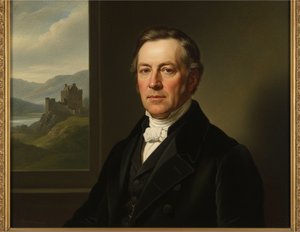
Henry Raeburn: Licht, Charakter und nationale Identität eines schottischen Porträtmeisters
Entdecken Sie das Leben und Werk von Henry Raeburn, dem führenden schottischen Porträtmaler der Aufklärung. Analysen seiner Technik, Aufträge für Georg IV. und sein bleibender Einfluss auf die Kunstgeschichte.
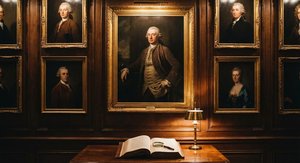
Sir Joshua Reynolds: Die 25 Meisterwerke des Porträtmalers | OriginalUniqueArt
Entdecken Sie die 25 Meisterwerke von Sir Joshua Reynolds! Erleben Sie Rokoko & Klassizismus durch ikonische Porträts. Hochwertige Reproduktionen für Ihr Interieur auf OriginalUniqueArt.com – jetzt entdecken!

Sir Alfred James Munnings: Die 25 Meisterwerke des Pferdebildes | OriginalUniqueArt
Entdecken Sie die 25 Meisterwerke von Sir Alfred James Munnings! Erleben Sie seine beeindruckenden Pferdebilder, geprägt vom Impressionismus und Realismus. Hochwertige Kunstdrucke & Reproduktionen auf OriginalUniqueArt.com – für elegante Wandkunst & stilvolles Interieurdesign.
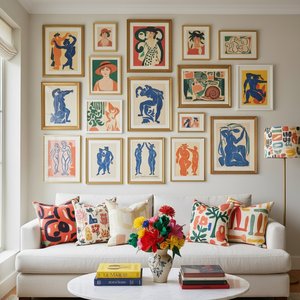
Henri Matisse: Die 25 Meisterwerke des Farbgenies – Kunst für Ihr Zuhause | OriginalUniqueArt
Entdecken Sie die 25 Meisterwerke von Henri Matisse! Tauchen Sie ein in die Welt des Fauvismus, der leuchtenden Farben und ikonischen Formen. Kunstreproduktionen & Inspiration für Ihr Zuhause – exklusiv auf OriginalUniqueArt.com.


