 Vorschau anzeigen
 Versenden
 Teilen
 Details anzeigen
 Leitfaden

 Herunterladen
 Ähnliche Objekte
 Röntgenaufnahme
 Diashow
 Q&A
Q&A Statistiken
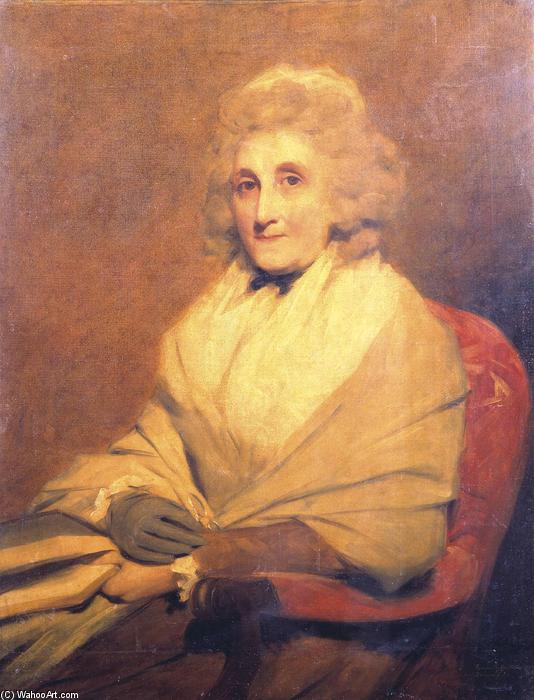
Mrs Cay


 Weiterlesen
Erhalten Sie eine druckfertige Datei, die weit über die Web-Vorschau hinausgeht. Jedes von uns verkaufte digitale Bild basiert auf einem hochauflösenden Master aus unserer Datenbank – in der Regel 5.000 bis 15.000 Pixel breit –, sodass Sie mit Vertrauen großformatig drucken, eng ausschneiden oder feinste Details reproduzieren können.
Keine Datei verlässt unser Studio unberührt. Ein Digitalexperte gleicht die Farben mit dem Originalgemälde ab und korrigiert sie bei Bedarf, um anschließend Klarheit und Details mit professionellen Retuschewerkzeugen zu optimieren – dabei stets der Pinselführung und dem Stil des Künstlers treu bleibend. Das Ergebnis ist ein Bild, das wie das Gemälde selbst wirkt und nicht wie ein gefilterter Scan.
Sie entscheiden über das Endergebnis: Unser Experte sendet Ihnen das Bild innerhalb von 72 Stunden zur Ansicht per E-Mail zu. Nicht zufrieden? Fordern Sie Verbesserungen oder Korrekturen an oder verlangen Sie eine Rückerstattung, falls die Qualität nicht Ihren Erwartungen entspricht.
Dies ist die Qualität, auf die sich Verlage, Designstudios, Galerien und Druckereien verlassen.
Digitales Kunstwerk
Laden Sie eine hochauflösende Datei für die persönliche Präsentation, den Druck und kreative Projekte herunter. ( Zum Druck wechseln Handgemalte Reproduktion bestellen)
In jeder Bestellung digitaler Bilder enthalten
Professionelle digitale Bereitstellung, garantiert
Wenn Sie sich für OriginalUniqueArt.com entscheiden, erhalten Sie nicht nur ein Bild – Sie erhalten ein professionell aufbereitetes digitales Kunstwerk, das mit höchster Präzision erstellt und durch eine Zufriedenheitsgarantie abgesichert wird. Hier ist alles, was automatisch mit Ihrer Bestellung geliefert wird:

Schnelle E-Mail-Zustellung
Ihre hochauflösende digitale Bilddatei wird Ihnen innerhalb von 72 Stunden nach der Bestellung per E-Mail zugestellt – bereit zur sofortigen Verwendung.

KI-optimierte digitale Datei
Ihre Kunstwerke werden professionell mithilfe fortschrittlicher KI-Tools und manueller Bearbeitung optimiert, um maximale Detailtreue, Klarheit und Farbgenauigkeit zu gewährleisten.

Kostenloser lebenslanger Neudruckservice
Datei versehentlich gelöscht oder verloren? Keine Sorge – wir senden sie Ihnen jederzeit kostenlos erneut zu.

Keine Einfuhrgebühren – jemals
Genießen Sie Ihr Kunstwerk sofort ohne Zollgebühren, Einfuhrabgaben oder Versandkosten – digitale Downloads sind immer steuerfrei.

Garantierte Farbtreue
Wir garantieren, dass Ihr digitales Bild mithilfe professioneller Werkzeuge und Farbmanagement die Originalfarben so präzise wie möglich wiedergibt.

100-Tage-Zufriedenheitsgarantie
Sollten Sie mit Ihrem digitalen Bild nicht zufrieden sein, werden wir es überarbeiten oder 100% innerhalb von 100 Tagen erstatten – ohne Wenn und Aber.

100% Geld-zurück-Garantie
Nicht zufrieden? Erhalten Sie innerhalb von 100 Tagen nach Erhalt Ihrer digitalen Datei eine vollständige Rückerstattung – ohne Wenn und Aber.

Rabatte bei Großbestellungen
3 Bilder kaufen, 10% sparen – 5 Bilder kaufen, 15% sparen – Ab 10 Bildern 20% sparen. Ideal für kreative Projekte, Galerien und Agenturen.
Henry Raeburn: A Scottish Portraitist's Mastery of Light, Character & National Identity
Sir Henry Raeburn (1756–1823) stands as an unparalleled figure in the annals of British portraiture—a testament to artistic vision and unwavering dedication. Born amidst the intellectual fervor of the Scottish Enlightenment, his journey from humble beginnings to royal patronage exemplifies the transformative power of talent and perseverance. Orphaned at a young age, Raeburn’s formative years were shaped by the steadfast support of his brother William, who secured him an education at Heriot's Hospital in Edinburgh—a foundation that would prove instrumental in nurturing his burgeoning artistic inclinations. This early grounding instilled within him a meticulous attention to detail and a profound understanding of observation, qualities that would become hallmarks of his distinctive style. His apprenticeship under James Gilliland, the esteemed goldsmith, honed his technical skills and introduced him to the intricacies of crafting miniature portraits on ivory—a medium favored by discerning collectors and celebrated for its ability to capture subtle nuances of expression. However, Raeburn’s artistic ambitions extended far beyond mere replication; he sought to imbue his canvases with a palpable sense of life, striving to convey not just likeness but also the very essence of his subjects' personalities. This pursuit of psychological realism distinguishes him from many of his contemporaries and elevates his work to a level of enduring artistic merit. The influence of David Martin—Allan Ramsay’s former assistant—further solidified Raeburn’s stylistic trajectory, guiding him toward mastering oil painting techniques that prioritized tonal gradation and atmospheric perspective. He meticulously studied the works of Michelangelo, recognizing the importance of capturing monumental grandeur while simultaneously conveying emotional depth—a lesson that profoundly impacted his artistic sensibilities. Notably, he embraced a revolutionary approach to portraiture by utilizing a technique known as “drawing from life,” painstakingly sketching his subjects before applying paint—a method that ensured unparalleled accuracy and immediacy. Raeburn’s prolific output spanned decades, producing an impressive array of portraits depicting figures from across the spectrum of Scottish society—aristocrats, clergymen, scholars, and statesmen alike. His canvases are imbued with a remarkable sensitivity to light and shadow, skillfully manipulating tonal values to sculpt form and evoke mood. Moreover, Raeburn's compositions often incorporate symbolic elements that reflect his subjects’ virtues or aspirations—a characteristic feature of Neo-classical portraiture that underscores the artist’s intellectual engagement with philosophical ideas. Consider “Mrs Cay,” a captivating depiction of Lady Georgiana Stuart (née Sutherland), commissioned by her husband Robert Stewart, 3rd Earl of Uxbridge. Painted in 1823, shortly before Raeburn's death, this portrait exemplifies his mastery of tonal gradation and psychological observation. The muted palette—dominated by earthy browns and creams—creates a serene atmosphere that subtly conveys Lady Stuart’s dignified composure. Her gaze is direct yet contemplative, hinting at inner thoughts and emotions beyond the surface appearance. The inclusion of a shawl draped around her shoulders adds textural richness to the composition and reinforces the image's sense of intimacy. Raeburn’s meticulous attention to detail—evident in the rendering of Lady Stuart’s hair and clothing—demonstrates his unwavering commitment to artistic excellence. Ultimately, Henry Raeburn’s legacy resides not merely in his technical prowess but also in his profound understanding of human character and his ability to translate complex psychological states onto canvas. His portraits continue to resonate with viewers today, offering glimpses into the lives and sensibilities of a bygone era—a testament to the enduring power of art to illuminate the human condition.- Artist: Henry Raeburn (1756–1823)
- Medium: Oil on Canvas
- Style: Neo-Classical
- Notable Technique: Drawing from Life, Atmospheric Perspective
- Historical Context: Scottish Enlightenment
Symbolism & Emotional Impact
The subdued color palette of “Mrs Cay”—primarily browns and creams—serves to heighten the portrait’s contemplative mood. The careful positioning of Lady Stuart's gaze directs the viewer's attention inward, inviting reflection on her inner thoughts and emotions. Furthermore, the shawl symbolizes warmth and comfort, subtly conveying Lady Stuart’s grace and refinement. Raeburn’s masterful use of tonal gradation sculpts form and creates a sense of depth—enhancing the portrait’s visual impact and capturing the essence of its subject's personality.Technical Considerations
Raeburn’s technique involved painstakingly sketching his subjects from life before applying paint—a method that ensured unparalleled accuracy and immediacy. He meticulously studied Michelangelo’s monumental sculptures, recognizing the importance of conveying grandeur while simultaneously capturing emotional depth. The artist's mastery of oil painting techniques—particularly tonal gradation and atmospheric perspective—contributed significantly to the portrait’s luminous quality and its ability to evoke mood.Legacy & Influence
Henry Raeburn remains a pivotal figure in British art history, celebrated for his innovative approach to portraiture and his unwavering dedication to artistic excellence. His influence can be discerned in subsequent generations of painters who sought to emulate his stylistic vision—solidifying his place as one of Scotland’s most revered artists.Fragen & Antworten
Wie lässt sich die Stimmung von "Mrs Cay" von Henry Raeburn beschreiben?
Die allgemeine Stimmung von "Mrs Cay" von Henry Raeburn ist Elegant. Diese Stimmung beschreibt die Atmosphäre des Werkes.
Welche Art von Kunstwerk ist "Mrs Cay" von Henry Raeburn?
"Mrs Cay" ist ein Werk der Gattung WallArt.
Kann "Mrs Cay" in Augmented Reality vorab betrachtet werden?
"Mrs Cay" von Henry Raeburn kann mithilfe der AR-Vorschau-Seite des Kunstwerks mit Augmented Reality auf einem kompatiblen Gerät direkt an Ihrer eigenen Wand vorab betrachtet werden.
Biografie des Künstlers
Ein Pionier seines Fachs
Sir Henry Raeburn FRSE RA RSA, ein schottischer Porträtmaler, hinterließ mit seinen fesselnden Werken einen bleibenden Eindruck in der Kunstwelt. Geboren am 4. März 1756 in Stockbridge, Edinburgh, Schottland, ist Raeburns künstlerische Reise ein Beweis für seine Hingabe und Leidenschaft.Frühes Leben und Ausbildung
Verwaist in jungen Jahren wurde Raeburn von seinem Bruder William unterstützt und an das Heriot's Hospital gegeben, wo er eine Ausbildung erhielt. Im Alter von 15 Jahren wurde er zum Goldschmied James Gilliland in Edinburgh ausgebildet, wo er seine Fähigkeiten im Schmuckherstellen und in filigranen Zeichnungen auf Elfenbein verfeinerte.Künstlerische Entwicklung
Raeburns Übergang von Miniaturmalerei zur Ölmalerei war ein Wendepunkt in seiner Karriere. Er erlangte ausreichende Fertigkeiten, um sich ausschließlich der Malerei zu widmen, wobei George Chalmers (1776; Dunfermline Town Hall) sein frühester bekanntes Porträt war.Bemerkenswerte Werke und Assoziationen
- Der junge Polospieler von William Bruce Ellis Ranken zeigt Raeburns außergewöhnliches Talent, Bewegung und Energie einzufangen.
- Alexander Allan, eine bedeutende Figur in der schottischen Kunst, wurde von Raeburn gemalt und unterstreicht seine Fähigkeit, das Wesen seiner Motive einzufangen.
Museen und Sammlungen
- Die schottische Nationalgalerie (Edinburgh, Schottland) beherbergt Werke von Raeburn, darunter der weiße Schrecken von Joseph Crawhall.
- Die Frick Collection (New York, Vereinigte Staaten) beherbergt Alexander Allan, ein Beweis für Raeburns internationale Anziehungskraft.
Vermächtnis und Bedeutung
Raeburns Einfluss auf die schottische Kunst ist unbestreitbar. Seine Hingabe daran, das Wesen seiner Motive einzufangen, hat ihn zu einem Pionier in der Welt des Porträts gemacht. Als Sir Henry Raeburn FRSE RA RSA bleibt er ein integraler Bestandteil des reichen künstlerischen Erbes Schottlands.- Weitere Werke von Sir Henry Raeburn FRSE RA RSA finden Sie unter https://OriginalUniqueArt.com/@/henry-raeburn
- Erkunden Sie die schottische Nationalgalerie (Edinburgh, Schottland) unter https://OriginalUniqueArt.com/@@/d3y8vu-william-mctaggart-spring
- Entdecken Sie mehr über die schottische Kunst unter https://en.wikipedia.org/wiki/scottish_art_in_the_eighteenth_century

Henry Raeburn
1756 - 1823 , Vereinigtes Königreich
Auf einen Blick
- Bemerkenswerte Kunstwerke:
- Die Bogenschützen
- Alexander Allan
- Reverend Robert Walker
- Geburtsdatum: 4. März 1756
- Geburtsort (Stadt, Land): Stockbridge, Vereinigtes Königreich
- Künstler, Die Diesen Künstler Beeinflussten:
- Allan Ramsay
- George Chalmers
- Künstlerische Bewegung Oder Stil: Porträtmalerei, Realismus
- Nationalität: Schottisch
- Sterbedatum: 8. Juli 1823
- Vollständiger Name: Henry Raeburn