
 Ölversion kaufen
 Alles über Manhattan

































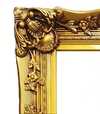
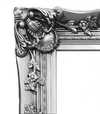

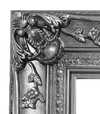


 Bei Kunstwerken oder Reproduktionen, die an einer Seite größer als 105 cm (ca. 41 Zoll) sind, wird der Rahmen zerlegt als Bausatz geliefert. Diese Methode gewährleistet eine sichere Zustellung und verhindert Schäden während des Transports.


The Depiction of Manhattan by Guy Carleton Wiggins
In the painting Manhattan, Guy Carleton Wiggins presents a cityscape of New York City at night. Created about 1929, the work captures the skyline from a vantage point in New Jersey. The view looks across a large body of water, identified as the Hudson River, toward the dense arrangement of buildings that define the urban edge. Several boats occupy the water, positioned both near the shore and further out into the river's expanse.
The composition focuses on the verticality of the city's structures against the horizontal planes of the sky and the water. Light from the buildings illuminates the skyline, creating a series of bright points and glowing shapes against the dark night. This illumination defines the silhouettes of the tall buildings and reflects upon the surface of the water below. The scene records the presence of the city's waterfront and the structural density of the Manhattan skyline.
Composition and Visual Elements of the Scene
The composition is structured around a clear tension between vertical and horizontal planes. The skyline is defined by a dense arrangement of tall buildings that rise sharply against the sky. This verticality is countered by the expansive, horizontal stretches of the water and the sky. A large body of water, likely the Hudson River, occupies the foreground and middle ground, cutting through the urban landscape. Several boats are positioned upon the water, some situated near the shore and others further out toward the center of the river.
Light serves as a primary element in the arrangement of the scene. The buildings are illuminated by light emanating from within the structures, creating points of brightness across the dark skyline. These lights define the edges and shapes of the architecture against the night. The water reflects these light sources, creating a sense of depth between the viewer and the distant city. The density of the buildings is emphasized by their close proximity to one another, forming a continuous wall of structures that separates the water from the upper atmosphere.
Fragen & Antworten
Ist das Kunstwerk Manhattan handgemalt oder ein Druck?
Handgemalt: Ein ausgebildeter Maler repliziert Manhattan in Öl auf Leinenleinwand.
Welche Größe sollte ich für Manhattan wählen?
Die Größen reichen von 22.1 x 45.2 cm (€200) bis 118.8 x 242.6 cm (€1151); die Tabelle auf dieser Seite listet die wichtigsten Formate und deren Preise auf.
Wie lange dauert die Lieferung?
Die Lieferung dauert 4 bis 5 Wochen mit kostenlosem weltweiten Expressversand; auf dieser Seite wird eine Option für eine eilige Produktion angeboten. Sie können das Kunstwerk innerhalb von 100 Tagen ohne Einschränkungen an uns zurückgeben und erhalten eine vollständige Rückerstattung.
Welches Medium hat Guy Carleton Wiggins für Manhattan verwendet?
Oil On Canvas
 Vorschau anzeigen

 Versenden
 Teilen
 Details anzeigen
 Datenblatt


 Herunterladen
 Ähnliche Objekte
 Röntgenaufnahme
 Diashow
 Fragen & Antworten

 Statistiken


