 Vorschau anzeigen
 Versenden
 Teilen
 Details anzeigen

 Herunterladen
 Ähnliche Objekte
 Röntgenaufnahme
 Diashow
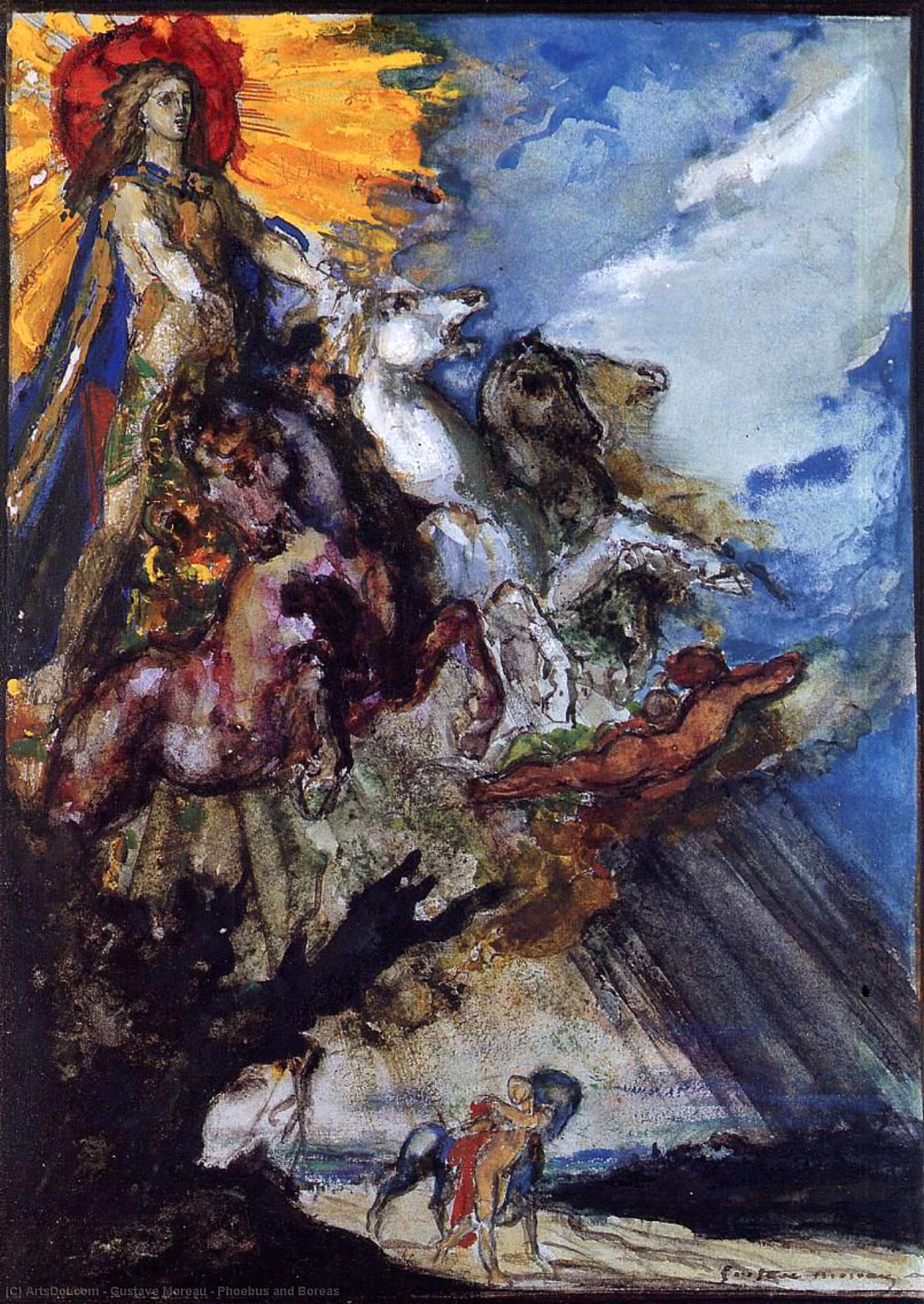
Phoebus and Boreas


 Weiterlesen
Handgefertigte Ölreproduktion
Handgemaltes Ölgemälde auf Leinwand in Ihrer Wunschgröße und mit Rahmen, auf Bestellung von unseren Künstlern angefertigt. ( Zum Druck wechseln Zum Bild wechseln)




P118B $10

P118H $10

P118W $10

P438Z $10

P508JH $12

P508YH $12

P805H $10

P805Z $10

P919BZ $10

P919G $10

P919XJ $10

P959ZH $10

P968JZ $12

W106C $8

W218G $10

W218JH $8

W218Y $10

W307PJ $10

W316G $10

W316PJ $8

W316Y $10

W398PJ $8

W4111J $10

W500HY $15

W500JH $15

W692G $12

W849H $8

W940BG $15

W953PJ $8




Wählen Sie aus unseren vordefinierten Formaten, die den ursprünglichen Proportionen des Kunstwerks entsprechen.

Sie können Ihre eigenen Maße eingeben, um einen bestimmten Rahmen oder Platz auszufüllen. Wenn die gewählte Größe nicht den Proportionen des Originalbildes entspricht, werden wir das Kunstwerk entweder beschneiden oder das Gemälde durch zusätzliche, handgemalte Elemente erweitern. Ein digitales Mockup wird Ihnen zur Genehmigung zugesandt, bevor die Produktion beginnt.
Bitte beachten Sie, dass die Bildschirmvorschau nicht die tatsächliche Beschneidung oder Erweiterung widerspiegelt. Nur das Mockup zeigt die endgültige Komposition exakt an.
Obwohl Sondermaße verfügbar sind, empfehlen wir, eine Größe aus der vordefinierten Liste zu wählen, um die ursprünglichen Proportionen beizubehalten.
Nach der Bestellung wird das OriginalUniqueArt.com-Team dem Kunden Anweisungen per E-Mail zusenden und eine Mockup-Vorschau bereitstellen.
Weltweiter Versand () in nur 3 bis 4 Wochen statt der üblichen 5 Wochen. (10 August). Keine Kompromisse bei der Qualität.

Kostenloser weltweiter Expressversand

Hochwertige Leinenleinwand

Umfassender Versicherungsschutz beim Versand

Zollgebühren-Rückerstattungsgarantie

Garantie für exakte Farbtreue

60 Tage Rückgaberecht (nur bei Mängeln)

100% Geld-zurück-Garantie

Mengenrabatt verfügbar
 Die Glasoption ist nur für Größen unter 110 cm verfügbar.

Phoebus and Boreas
Art der Reproduktion
Format der Reproduktion
-


Gesamtpreis
$ 300
Beschreibung des Kunstwerks
A Vision of Conflict: Gustave Moreau’s “Phoebus and Boreas”
Gustave Moreau's "Phoebus and Boreas," painted in 1879, is not merely a depiction of a scene; it’s an immersion into the turbulent heart of myth and emotion. This watercolor, a cornerstone of Symbolist art, immediately captivates with its dreamlike quality and unsettling beauty. The painting portrays a dramatic confrontation between Phoebus, the Greek god of the sun, and Boreas, the North Wind – a struggle rendered through a tableau of figures, horses, and dogs that feels both intensely personal and profoundly symbolic. Moreau’s masterful use of color and texture creates an atmosphere thick with tension and foreboding, inviting the viewer to contemplate themes of opposing forces, passion versus coldness, and the eternal battle between light and darkness.
The Symbolist Vision: Decoding the Imagery
Moreau was a pivotal figure in the rise of Symbolism, a movement that rejected the objective realism championed by earlier artistic movements. Instead, Symbolists sought to express inner states of mind, spiritual truths, and fantastical narratives through evocative imagery and rich symbolism. In “Phoebus and Boreas,” the figures themselves are laden with meaning. The woman riding the horse represents vitality, passion, and perhaps even a fleeting moment of triumph – Phoebus’s domain. Conversely, the imposing presence of Boreas, depicted as a powerful, almost monstrous figure, embodies coldness, destruction, and the relentless force of nature. The dogs, strategically placed on either side, could be interpreted as guardians or heralds, adding to the sense of impending conflict. The inclusion of the solitary observer further emphasizes the theme of witnessing and judgment – are they a participant or simply an audience to this cosmic struggle?
Technique and Palette: A Masterful Approach
Moreau’s technique is characterized by meticulous detail and a deliberate layering of color, achieved through multiple washes of watercolor. He employed a rich, jewel-toned palette – deep blues, purples, and golds dominate the composition – to heighten the painting's emotional impact. Notice how he builds up texture through subtle variations in brushstrokes, creating a sense of depth and movement that draws the viewer into the scene. The use of glazing techniques allows light to penetrate the layers of paint, producing an ethereal glow that contributes significantly to the work’s dreamlike quality. This careful attention to detail is characteristic of Moreau's approach, reflecting his desire to create not just a representation but a fully realized symbolic world.
Historical Context and Legacy
"Phoebus and Boreas" was created during a period of significant artistic and intellectual ferment in Paris. The Symbolist movement emerged as a reaction against the perceived materialism and superficiality of contemporary society, seeking instead to explore deeper spiritual and psychological truths. Moreau’s work aligns with this broader trend, reflecting a fascination with mythology, folklore, and the occult – themes that were increasingly prevalent in late 19th-century art and literature. Moreau's influence extended beyond Symbolism, impacting subsequent generations of artists who sought to explore the power of symbolism and subjective experience in their work. Today, “Phoebus and Boreas” remains a powerful example of Symbolist painting, admired for its evocative imagery, technical mastery, and profound emotional resonance.
Über den Künstler
**frühes Leben und Ausbildung**
Gustav Moreau, ein französischer Künstler, wurde am 6. April 1826 in Paris geboren. Er erhielt eine traditionelle akademische Ausbildung in der Malerei an der École des Beaux-Arts und zeigte von frühester Kindheit eine Begabung für Zeichnen.**Die Symbolismusbewegung**
Moreaus Werk, das durch allegorische und mythologische Themen geprägt ist, machte ihn zu einem führenden Symbolistenmaler, insbesondere in den 1890er Jahren. Seine Kunst (und der Symbolismus im Allgemeinen) verlor an Beliebtheit, wurde aber seit den 1960er Jahren neu bewertet und Moreau gilt heute als einer der wichtigsten Symbolistenmaler.**Bekannte Werke und Ausstellungen**
* Salomé im Gefängnis (Gemälde von 'Gustav Moreau') ist ein bemerkenswertes Beispiel für seine Arbeit und zeigt seine Meisterschaft im Symbolismus. * Das Selbstporträt (Gemälde von 'Gustav Moreau') ist eine weitere kraftvolle Darstellung des Künstlers selbst.**Musée Gustave Moreau**
Das Nationalmuseum Gustave Moreau (Musée Gustave Moreau Paris, Frankreich) in Paris ist dem Werk Moreaus gewidmet und beherbergt über 1.200 Gemälde, Aquarelle und Zeichnungen. Das Museum ist ein Zeugnis seines künstlerischen Erbes.**Vermächtnis und Einfluss**
Moreaus Einfluss auf die Symbolismusbewegung ist unbestreitbar. Er lehrte an der École des Beaux-Arts und beeinflusste namhafte Künstler wie Henri Matisse und Georges Rouault. Seine zurückgezogene Art hat seinen Einfluss auf die Kunstwelt nicht gemindert.- Entdecken Sie mehr über das Leben und Werk von Gustav Moreau auf OriginalUniqueArt.com
- Erkunden Sie das Nationalmuseum Gustave Moreau und seine beeindruckende Sammlung von Kunstwerken auf Musée Gustave Moreau Paris, Frankreich
- Erfahren Sie mehr über die Symbolismusbewegung und ihre Bedeutung für die Kunstgeschichte auf die Symbolismus-Kunstbewegung

Gustave Moreau
1826 - 1898 , Frankreich
Kurzinfos
- Beeinflusste Künstler:
- Henri Matisse
- Georges Rouault
- Bemerkenswerte Werke:
- Salomé im Gefängnis
- Selbstporträt
- Jupiter und Semele
- Orpheus
- Die Erscheinung
- Geburtsdatum: 6. April 1826
- Geburtsort: Paris, Frankreich
- Künstlerische Einflüsse:
- Eugène Delacroix
- Michelangelo
- Leonardo da Vinci
- Künstlerischer Stil: Symbolismus
- Nationalität: Französisch
- Sterbedatum: 1898
- Vollständiger Name: Gustave Moreau
Ähnliche Artikel

OriginalUniqueArt.com F.A.Q.: Elevate Your Decor with Premium Textured Giclée Prints
Discover the distinction of OriginalUniqueArt.com premium textured Giclée prints. Expertly crafted with archival 12-color pigments and museum-grade substrates, our prints offer unparalleled vividness for the discerning collector seeking luxury, durability, and timeless elegance.