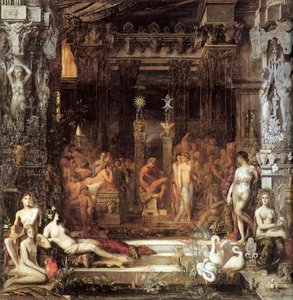
In echtem Maßstab anzeigen
 Versenden als Grußkarte
 Teilen
 Details anzeigen
 Leitfaden öffnen

 Herunterladen
 Ähnliche Objekte
 Röntgenaufnahme
 Diashow
 Besucherstatistiken
Pieta
 Öl auf Leinwand
- Wandkunst
- Symbolist Painting
 1854
1854- Frühmittelalter
 75.0 x 96.0 cm
 Städelsches Kunstinstitut Und Städtische Galerie
 Mehr anzeigen
Handgefertigte Ölreproduktion
Handgemaltes Ölgemälde auf Leinwand in Ihrer Wunschgröße und mit Rahmen, auf Bestellung von unseren Künstlern angefertigt. ( Zum Druck wechseln Zum digitalen Bild wechseln)




P118B €10

P118H €10

P118W €10

P438Z €10

P508JH €12

P508YH €12

P805H €10

P805Z €10

P919BZ €10

P919G €10

P919XJ €10

P959ZH €10

P968JZ €12

W106C €8

W218G €10

W218JH €8

W218Y €10

W307PJ €10

W316G €10

W316PJ €8

W316Y €10

W398PJ €8

W4111J €10

W500HY €15

W500JH €15

W692G €12

W849H €8

W940BG €15

W953PJ €8




Wählen Sie aus unseren vordefinierten Formaten, die den ursprünglichen Proportionen des Kunstwerks entsprechen.

Geben Sie die Breite und die Höhe an, die Sie für Ihren Rahmen oder Ihre Wand benötigen. Da dieses Werk handgemalt ist, kann der Künstler bei einer anderen Form etwas mehr um das Bild herum malen oder etwas abschneiden – Sie entscheiden. Wir senden Ihnen ein digitales Mockup zur Freigabe, bevor mit dem Malen begonnen wird. Das auf dieser Seite gezeigte Bild stellt nicht das tatsächliche Ergebnis dar – dies tut nur das Mockup.
Nach der Bestellung wird das OriginalUniqueArt.com-Team dem Kunden Anweisungen per E-Mail zusenden und eine Mockup-Vorschau bereitstellen.
Weltweiter Versand () in nur 3 bis 4 Wochen statt der üblichen 5 Wochen. (21 Oktober). Keine Kompromisse bei der Qualität.

Kostenloser weltweiter Expressversand

Hochwertige Leinenleinwand

Vollständiger Versicherungsschutz beim Versand

Zollgebühren-Rückerstattungsgarantie

Garantie für exakte Farbtreue

100-tägiges Rückgaberecht (nur bei Mängeln)

100% Geld-zurück-Garantie

Angebot für Mengenrabatt
 Die Glasoption ist nur für Größen unter 110 cm verfügbar.

Pieta
Reproduktionsmedium
Format der Reproduktion
-


Gesamtpreis
€ 262
Gustave Moreau’s “Pieta”: A Symphony of Sorrow and Symbolism
Gustave Moreau's "Pieta," completed in 1854, isn't merely a depiction of the Virgin Mary cradling the lifeless body of Christ; it is an immersive experience—a profound meditation on grief, faith, and the enduring power of maternal love. Housed within the Stadelsches Kunstinstitut in Frankfurt, this painting transcends its subject matter to become a cornerstone of Symbolist art, revealing Moreau’s unique vision and his deep engagement with mythology, religion, and the human psyche. The work immediately captivates with its rich palette—a dramatic interplay of deep reds, blues, and browns that evoke both the tragedy of loss and an otherworldly serenity. Moreau wasn't interested in a straightforward representation; instead, he sought to translate inner states into visual form, creating a scene brimming with symbolic weight.
Composition and Technique: A Masterclass in Detail
The composition of the "Pieta" is meticulously crafted. Moreau employs a pyramidal structure, anchoring Mary at the center while Christ’s body lies gracefully beneath her. The figures are rendered with an astonishing level of detail—every fold of fabric, every strand of hair, every expression on their faces is painstakingly observed and exquisitely portrayed. This meticulousness isn't merely decorative; it serves to heighten the emotional impact of the scene. Notice particularly the subtle variations in color within Christ’s skin tones – a testament to Moreau’s mastery of oil paint and his ability to capture the nuances of light and shadow. The background, shrouded in a dramatic red sky—a recurring motif in Moreau's work—adds an element of mystery and foreboding, suggesting not just earthly sorrow but also a connection to the divine realm. The two angels flanking the scene are not simply observers; they embody spiritual solace and the promise of redemption, their presence subtly reinforcing the painting’s overarching themes.
Symbolism: Layers of Meaning in a Sacred Scene
Moreau's "Pieta" is saturated with symbolism, reflecting his core Symbolist principles. The red sky, often interpreted as representing both the blood shed by Christ and the fiery trials he endured, dominates the composition, drawing the viewer’s eye to the central tragedy. Mary’s expression—a mixture of profound sorrow and unwavering acceptance—is remarkably poignant. It's not a display of frantic grief but rather a quiet dignity born from an intimate understanding of her son’s sacrifice. The halos surrounding both figures subtly merge, symbolizing their shared divinity and the unbreakable bond between mother and child. The inclusion of the angels isn’t arbitrary; they represent divine intervention and the promise of eternal life—a counterpoint to the earthly sorrow depicted below. Moreau frequently drew inspiration from medieval iconography and esoteric traditions, weaving these elements into his work to create a visual language that resonated with both religious and psychological depths.
Historical Context and Artistic Influence
Gustave Moreau emerged as a leading figure in the Symbolist movement during the latter half of the 19th century, a period marked by a rejection of Realism and Impressionism’s focus on objective observation. Influenced by Romanticism's emphasis on emotion and imagination, and drawing upon his deep knowledge of mythology and religious art, Moreau sought to create paintings that explored the hidden realms of the human psyche. His “Pieta” exemplifies this approach—a deeply personal interpretation of a traditional subject matter. The painting’s emotional intensity and evocative symbolism foreshadowed developments in Expressionism and other 20th-century movements. Artists like Matisse and Rouault later acknowledged Moreau's profound influence on their own work, recognizing his ability to infuse paintings with both beauty and psychological depth. The museum dedicated to him in Paris stands as a testament to his enduring legacy.
A high-quality reproduction of Gustave Moreau’s “Pieta” offers a remarkable opportunity to bring this masterpiece into your home or office—a window into the soul of a visionary artist and a poignant reminder of the timeless themes of love, loss, and faith. OriginalUniqueArt.com provides meticulously crafted reproductions that capture the painting's rich detail and emotional power with exceptional accuracy.
Fragen & Antworten
Wo finde ich Statistiken zu "Pieta" von Gustave Moreau?
Die Seite Statistiken von "Pieta" von Gustave Moreau präsentiert öffentliche Besucherstatistiken: die monatlichen Aufrufe dieses Kunstwerks, einen Vergleich mit den meistbesuchten Werken des Künstlers sowie die Herkunft der Besucher.
Wer hat "Pieta" erschaffen?
Der Künstler hinter „Pieta“ ist Gustave Moreau. Das Werk ist unter dem Namen von Gustave Moreau katalogisiert.
Wofür wird eine Reproduktion von "Pieta" von Gustave Moreau empfohlen?
Die empfohlene Verwendung eines Drucks von „Pieta“ ist Statement-Piece.
Biografie des Künstlers
**frühes Leben und Ausbildung**
Gustav Moreau, ein französischer Künstler, wurde am 6. April 1826 in Paris geboren. Er erhielt eine traditionelle akademische Ausbildung in der Malerei an der École des Beaux-Arts und zeigte von frühester Kindheit eine Begabung für Zeichnen.**Die Symbolismusbewegung**
Moreaus Werk, das durch allegorische und mythologische Themen geprägt ist, machte ihn zu einem führenden Symbolistenmaler, insbesondere in den 1890er Jahren. Seine Kunst (und der Symbolismus im Allgemeinen) verlor an Beliebtheit, wurde aber seit den 1960er Jahren neu bewertet und Moreau gilt heute als einer der wichtigsten Symbolistenmaler.**Bekannte Werke und Ausstellungen**
* Salomé im Gefängnis (Gemälde von 'Gustav Moreau') ist ein bemerkenswertes Beispiel für seine Arbeit und zeigt seine Meisterschaft im Symbolismus. * Das Selbstporträt (Gemälde von 'Gustav Moreau') ist eine weitere kraftvolle Darstellung des Künstlers selbst.**Musée Gustave Moreau**
Das Nationalmuseum Gustave Moreau (Musée Gustave Moreau Paris, Frankreich) in Paris ist dem Werk Moreaus gewidmet und beherbergt über 1.200 Gemälde, Aquarelle und Zeichnungen. Das Museum ist ein Zeugnis seines künstlerischen Erbes.**Vermächtnis und Einfluss**
Moreaus Einfluss auf die Symbolismusbewegung ist unbestreitbar. Er lehrte an der École des Beaux-Arts und beeinflusste namhafte Künstler wie Henri Matisse und Georges Rouault. Seine zurückgezogene Art hat seinen Einfluss auf die Kunstwelt nicht gemindert.- Entdecken Sie mehr über das Leben und Werk von Gustav Moreau auf OriginalUniqueArt.com
- Erkunden Sie das Nationalmuseum Gustave Moreau und seine beeindruckende Sammlung von Kunstwerken auf Musée Gustave Moreau Paris, Frankreich
- Erfahren Sie mehr über die Symbolismusbewegung und ihre Bedeutung für die Kunstgeschichte auf die Symbolismus-Kunstbewegung

Gustave Moreau
1826 - 1898 , Frankreich
Eckdaten zum Künstler
- Beeinflusste Künstler:
- Henri Matisse
- Georges Rouault
- Bemerkenswerte Werke:
- Salomé im Gefängnis
- Selbstporträt
- Jupiter und Semele
- Orpheus
- Die Erscheinung
- Geburtsdatum: 6. April 1826
- Geburtsort: Paris, Frankreich
- Künstlerische Einflüsse:
- Eugène Delacroix
- Michelangelo
- Leonardo da Vinci
- Künstlerischer Stil: Symbolismus
- Nationalität: Französisch
- Sterbedatum: 1898
- Vollständiger Name: Gustave Moreau
Verwandte Artikel
Fra Angelico: Die 25 Meisterwerke des italienischen Frührenaissance-Malers | OriginalUniqueArt
Entdecken Sie die 25 schönsten Meisterwerke von Fra Angelico! Erleben Sie religiöse Kunst der italienischen Renaissance, himmlische Fresken & Panelgemälde. Finden Sie hochwertige Kunstdrucke und Reproduktionen für Ihr Zuhause auf OriginalUniqueArt.com.
Gustav Klimt: Die 25 Meisterwerke des Wiener Jugendstils | OriginalUniqueArt
Entdecken Sie die 25 ikonischsten Gemälde von Gustav Klimt! Tauchen Sie ein in die Welt der Wiener Secession, des Jugendstils und der goldenen Phase. Hochwertige Reproduktionen & Inspiration für Ihr Zuhause auf OriginalUniqueArt.com.
Gustave Moreau: Der Enigmatische Visionär des Symbolismus und Wegbereiter moderner Fantasy-Kunst
Entdecken Sie das faszinierende Werk Gustave Moreaus, des wichtigsten Vertreters des Symbolismus! Analysen, Biografien und Einblicke in seine mythologischen Gemälde. Jetzt lesen!

Divine Grace: An Art Historian's Journey Through Iconic Masterpieces of the Virgin Mary
Explore the profound beauty of Marian iconography through an art historian's lens. Discover iconic masterpieces by Raphael and Renaissance masters, celebrating the divine grace and timeless elegance of the Virgin Mary in classical fine art.
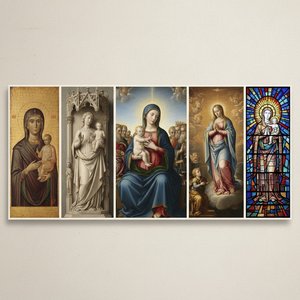
Divine Grace: A Journey Through the Most Iconic Depictions of the Virgin Mary in Art History
Embark on a profound journey through art history with our exploration of the most iconic depictions of the Virgin Mary. Discover the divine grace, symbolism, and masterful techniques found in Renaissance masterpieces and sacred iconography.