In echtem Maßstab anzeigen
 Versenden als Grußkarte
 Teilen
 Details anzeigen
 Leitfaden öffnen

 Herunterladen
 Ähnliche Objekte
 Röntgenaufnahme
 Diashow
 Besucherstatistiken
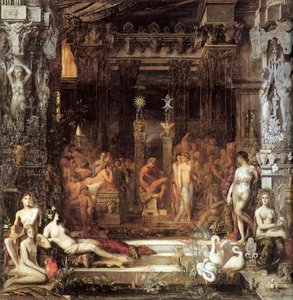
Leda and the Swan


 Mehr anzeigen
Handgefertigte Ölreproduktion
Handgemaltes Ölgemälde auf Leinwand in Ihrer Wunschgröße und mit Rahmen, auf Bestellung von unseren Künstlern angefertigt. ( Zum Druck wechseln Zum digitalen Bild wechseln)




P118B €10

P118H €10

P118W €10

P438Z €10

P508JH €12

P508YH €12

P805H €10

P805Z €10

P919BZ €10

P919G €10

P919XJ €10

P959ZH €10

P968JZ €12

W106C €8

W218G €10

W218JH €8

W218Y €10

W307PJ €10

W316G €10

W316PJ €8

W316Y €10

W398PJ €8

W4111J €10

W500HY €15

W500JH €15

W692G €12

W849H €8

W940BG €15

W953PJ €8




Wählen Sie aus unseren vordefinierten Formaten, die den ursprünglichen Proportionen des Kunstwerks entsprechen.

Geben Sie die Breite und die Höhe an, die Sie für Ihren Rahmen oder Ihre Wand benötigen. Da dieses Werk handgemalt ist, kann der Künstler bei einer anderen Form etwas mehr um das Bild herum malen oder etwas abschneiden – Sie entscheiden. Wir senden Ihnen ein digitales Mockup zur Freigabe, bevor mit dem Malen begonnen wird. Das auf dieser Seite gezeigte Bild stellt nicht das tatsächliche Ergebnis dar – dies tut nur das Mockup.
Nach der Bestellung wird das OriginalUniqueArt.com-Team dem Kunden Anweisungen per E-Mail zusenden und eine Mockup-Vorschau bereitstellen.
Weltweiter Versand () in nur 3 bis 4 Wochen statt der üblichen 5 Wochen. (24 Oktober). Keine Kompromisse bei der Qualität.

Kostenloser weltweiter Expressversand

Hochwertige Leinenleinwand

Vollständiger Versicherungsschutz beim Versand

Zollgebühren-Rückerstattungsgarantie

Garantie für exakte Farbtreue

100-tägiges Rückgaberecht (nur bei Mängeln)

100% Geld-zurück-Garantie

Angebot für Mengenrabatt
 Die Glasoption ist nur für Größen unter 110 cm verfügbar.

Leda and the Swan
Reproduktionsmedium
Format der Reproduktion
-


Gesamtpreis
€ 263
Leda and the Swan: A Symbol of Desire and Transformation
Gustave Moreau’s “Leda and the Swan” is not merely a depiction of a classical myth; it's an immersive plunge into a world of dreamlike symbolism and potent emotion. Born in 1826, Moreau was a pivotal figure in the Symbolist movement, rejecting the objective realism favored by his contemporaries to instead explore the depths of human psychology and spiritual yearning through intensely evocative imagery. This particular painting, created in 1865, exemplifies his signature style – rich, saturated colors layered with intricate patterns that seem to shimmer with an otherworldly glow. Moreau wasn’t interested in a straightforward narrative; he sought to capture the *feeling* of the myth, the unsettling beauty and inherent tension within the story of Zeus's seduction of Leda.
The Myth Unveiled: A Story of Divine Intervention
The painting draws upon the enduring Greek legend of Leda and the Swan. According to mythology, Zeus, disguised as a magnificent white swan, lured Leda onto a secluded shore. The encounter, depicted with both tenderness and an undeniable sense of power, resulted in the birth of Helen of Troy, Clytemnestra, and the twin boys Castor and Pollux – figures deeply intertwined with Greek history and legend. Moreau masterfully captures this moment of divine intervention, transforming a tale of illicit desire into a profound meditation on transformation and the blurring lines between the mortal and immortal realms. The swan itself becomes a potent symbol of Zeus’s deceptive power, while Leda embodies humanity's vulnerability and susceptibility to the allure of the gods.
Symbolism Woven into Every Detail
Moreau’s meticulous attention to detail elevates “Leda and the Swan” beyond a simple illustration. The composition is deliberately layered with symbolic elements. The opulent bedroom setting, bathed in muted colors, suggests a dreamscape – a realm where logic dissolves and the subconscious reigns supreme. Leda's pose, lying languidly on her side, conveys both vulnerability and surrender. The swan’s head resting upon her shoulder isn’t just a gesture of affection; it represents the divine force that has irrevocably altered her fate. Notice also the subtle figures surrounding Leda – they are not clearly defined, adding to the painting's enigmatic quality and suggesting the presence of unseen forces at play. The use of gold leaf and shimmering pigments further enhances this sense of otherworldly beauty and reinforces the painting’s symbolic weight.
A Masterpiece of Symbolist Technique
Moreau’s technique is characterized by a deliberate avoidance of sharp lines and clear definition, creating a hazy, dreamlike atmosphere. He employs glazing – applying thin layers of translucent paint over one another – to build up depth and luminosity, resulting in a surface that seems to vibrate with color. The intricate patterns and textures contribute to the painting’s overall sense of richness and complexity. “Leda and the Swan” stands as a testament to Moreau's mastery of Symbolist principles, demonstrating his ability to translate subjective experience into a visually arresting and emotionally resonant work of art. To truly appreciate this masterpiece, we encourage you to visit the Musée National Gustave-Moreau in Paris, where it resides alongside other treasures from Moreau’s extraordinary oeuvre.
Fragen & Antworten
Sind die Farben von "Leda and the Swan" von Gustave Moreau gesättigt oder gedämpft?
"Leda and the Swan" von Gustave Moreau ist mit einer Subtle Color Sättigung festgehalten.
Wie wirkt die Helligkeit von "Leda and the Swan" von Gustave Moreau?
Insgesamt wird „Leda and the Swan“ mit einer Helligkeit von balanced erfasst. Die wahrgenommene Helligkeit beschreibt, wie hell oder dunkel das Werk erscheint.
Gibt es für "Leda and the Swan" eine Augmented-Reality-Vorschau?
„Leda and the Swan“ verfügt über eine Augmented-Reality-Vorschau: Die AR-Vorschau-Seite des Kunstwerks zeigt es auf einem kompatiblen Gerät in Ihrem eigenen Raum.
Biografie des Künstlers
**frühes Leben und Ausbildung**
Gustav Moreau, ein französischer Künstler, wurde am 6. April 1826 in Paris geboren. Er erhielt eine traditionelle akademische Ausbildung in der Malerei an der École des Beaux-Arts und zeigte von frühester Kindheit eine Begabung für Zeichnen.**Die Symbolismusbewegung**
Moreaus Werk, das durch allegorische und mythologische Themen geprägt ist, machte ihn zu einem führenden Symbolistenmaler, insbesondere in den 1890er Jahren. Seine Kunst (und der Symbolismus im Allgemeinen) verlor an Beliebtheit, wurde aber seit den 1960er Jahren neu bewertet und Moreau gilt heute als einer der wichtigsten Symbolistenmaler.**Bekannte Werke und Ausstellungen**
* Salomé im Gefängnis (Gemälde von 'Gustav Moreau') ist ein bemerkenswertes Beispiel für seine Arbeit und zeigt seine Meisterschaft im Symbolismus. * Das Selbstporträt (Gemälde von 'Gustav Moreau') ist eine weitere kraftvolle Darstellung des Künstlers selbst.**Musée Gustave Moreau**
Das Nationalmuseum Gustave Moreau (Musée Gustave Moreau Paris, Frankreich) in Paris ist dem Werk Moreaus gewidmet und beherbergt über 1.200 Gemälde, Aquarelle und Zeichnungen. Das Museum ist ein Zeugnis seines künstlerischen Erbes.**Vermächtnis und Einfluss**
Moreaus Einfluss auf die Symbolismusbewegung ist unbestreitbar. Er lehrte an der École des Beaux-Arts und beeinflusste namhafte Künstler wie Henri Matisse und Georges Rouault. Seine zurückgezogene Art hat seinen Einfluss auf die Kunstwelt nicht gemindert.- Entdecken Sie mehr über das Leben und Werk von Gustav Moreau auf OriginalUniqueArt.com
- Erkunden Sie das Nationalmuseum Gustave Moreau und seine beeindruckende Sammlung von Kunstwerken auf Musée Gustave Moreau Paris, Frankreich
- Erfahren Sie mehr über die Symbolismusbewegung und ihre Bedeutung für die Kunstgeschichte auf die Symbolismus-Kunstbewegung

Gustave Moreau
1826 - 1898 , Frankreich
Eckdaten zum Künstler
- Beeinflusste Künstler:
- Henri Matisse
- Georges Rouault
- Bemerkenswerte Werke:
- Salomé im Gefängnis
- Selbstporträt
- Jupiter und Semele
- Orpheus
- Die Erscheinung
- Geburtsdatum: 6. April 1826
- Geburtsort: Paris, Frankreich
- Künstlerische Einflüsse:
- Eugène Delacroix
- Michelangelo
- Leonardo da Vinci
- Künstlerischer Stil: Symbolismus
- Nationalität: Französisch
- Sterbedatum: 1898
- Vollständiger Name: Gustave Moreau
Verwandte Artikel
Art Nouveau Meisterwerke: Die 10 prägendsten Kunstwerke für Ihr Zuhause |
Entdecken Sie die 10 prägendsten Art Nouveau Meisterwerke! Von Mucha bis Klimt – erfahren Sie die Geschichten hinter ikonischen Gemälde & dekorativer Kunst. Hochwertige Kunstdrucke online kaufen auf
Gustav Klimt: Die 25 Meisterwerke des Wiener Jugendstils | OriginalUniqueArt
Entdecken Sie die 25 ikonischsten Gemälde von Gustav Klimt! Tauchen Sie ein in die Welt der Wiener Secession, des Jugendstils und der goldenen Phase. Hochwertige Reproduktionen & Inspiration für Ihr Zuhause auf OriginalUniqueArt.com.

Echoes of Olympus: Mythological Narratives in Western Art Through the Ages
Explore the captivating history of mythological narratives in Western art! From ancient Greece to modern masterpieces, discover iconic artworks & symbolism. Expert analysis and high-quality reproductions at OriginalUniqueArt.
Gustave Moreau: Der Enigmatische Visionär des Symbolismus und Wegbereiter moderner Fantasy-Kunst
Entdecken Sie das faszinierende Werk Gustave Moreaus, des wichtigsten Vertreters des Symbolismus! Analysen, Biografien und Einblicke in seine mythologischen Gemälde. Jetzt lesen!

Timeless Legends: A Curated Guide to the Eternal Allure of Mythological Masterpieces
Embark on a sophisticated journey through the eternal allure of mythological art. Discover how master painters breathe life into ancient legends, from Greek deities to Baroque masterpieces, and learn to curate these timeless narratives within your own exquisite art collection.