Vorschau anzeigen
 Versenden
 Teilen
 Details anzeigen

 Herunterladen
 Ähnliche Objekte
 Röntgenaufnahme
 Diashow
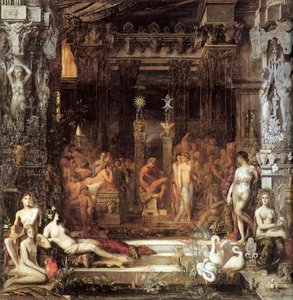
Le Bon Samaritain


 Weiterlesen
Giclée / Kunstdruck
Giclée- oder Leinwanddruck in Museumsqualität mit schneller Produktion und flexiblen Veredelungsoptionen. ( Handgemalte Reproduktion bestellen Bild kaufen)




P118B $10

P118H $10

P118W $10

P438Z $10

P508JH $12

P508YH $12

P805H $10

P805Z $10

P919BZ $10

P919G $10

P919XJ $10

P959ZH $10

P968JZ $12

W106C $8

W218G $10

W218JH $8

W218Y $10

W307PJ $10

W316G $10

W316PJ $8

W316Y $10

W398PJ $8

W4111J $10

W500HY $15

W500JH $15

W692G $12

W849H $8

W940BG $15

W953PJ $8




Wählen Sie aus unseren vordefinierten Formaten, die den ursprünglichen Proportionen des Kunstwerks entsprechen.

Sie können Ihre eigenen Maße eingeben, um ein bestimmtes Format oder einen speziellen Platz einzupassen. Wenn das von Ihnen gewählte Format nicht den Proportionen des Originalbildes entspricht, werden wir das Kunstwerk entweder beschneiden oder das Bild mit einem gespiegelten oder einfarbigen Rand erweitern. Ein digitaler Entwurf wird Ihnen zur Genehmigung zugesandt, bevor die Produktion beginnt.
Bitte beachten Sie, dass die Vorschau auf dem Bildschirm nicht den tatsächlichen Zuschnitt oder die Erweiterung widerspiegelt. Nur der Entwurf zeigt die endgültige Komposition präzise an.
Obwohl Sondermaße verfügbar sind, empfehlen wir die Auswahl eines Maßes aus der vordefinierten Liste, um die ursprünglichen Proportionen zu bewahren.
Weltweiter Versand () innerhalb von 2 Wochen statt der üblichen 4/5 Wochen. (21 August)

Kostenloser weltweiter Expressversand

Hochwertige Leinenleinwand

Umfassender Versicherungsschutz beim Versand

Zollgebühren-Rückerstattungsgarantie

Garantie für exakte Farbtreue

60 Tage Rückgaberecht (nur bei Mängeln)

100% Geld-zurück-Garantie

Mengenrabatt verfügbar
 Die Glasoption ist nur für Größen unter 110 cm verfügbar.

Le Bon Samaritain
Giclée / Kunstdruck
Format der Reproduktion
-


Gesamtpreis
$ 80
Sammlerstück-Beschreibung
A Vision of Compassion: Exploring Gustave Moreau’s *Le Bon Samaritain*
Gustave Moreau's Le Bon Samaritain (The Good Samaritan) is not merely a depiction of a biblical scene; it’s an immersion into the artist’s intensely personal and profoundly symbolic world. Painted during his most productive period, this work exemplifies Moreau’s unique contribution to the Symbolist movement – a rejection of objective representation in favor of exploring the depths of human emotion, mythic narratives, and spiritual yearning. The painting, rendered in stark black and white, immediately draws the viewer into its dramatic landscape, dominated by imposing mountains that suggest both physical challenge and the vastness of the unknown.
- Subject Matter: The scene faithfully portrays the familiar parable of the Good Samaritan, a cornerstone of Christian morality. However, Moreau doesn’t present this story as a straightforward moral lesson.
- Composition: The central figure on horseback dominates the canvas, his posture conveying both determination and perhaps a weary burden. The two dogs, integral to the narrative, add an element of primal instinct and loyalty to the composition.
- Landscape: The mountainous backdrop isn’t simply a setting; it's a powerful symbol representing obstacles, trials, and the arduous journey of life itself.
The Symbolist Aesthetic: More Than Just Representation
Moreau was profoundly influenced by Romanticism and Pre-Raphaelitism, but he pushed beyond mere imitation. He sought to evoke moods and ideas rather than create photographic copies of reality. This is evident in his meticulous attention to detail – the texture of the horse’s coat, the folds of the man's clothing, the ruggedness of the terrain – all contribute to a heightened sense of atmosphere and emotional intensity. Moreau’s technique involved layering thin glazes of oil paint, building up depth and luminosity that is characteristic of his style. The monochrome palette amplifies this effect, focusing attention on form and texture rather than color.
- Color & Tone: The absence of color intensifies the drama and allows Moreau to explore the interplay of light and shadow with remarkable precision.
- Brushwork: Noticeable in areas such as the mountains, is a deliberate, almost sculptural brushstroke that adds to the painting's monumental quality.
Symbolism and Spiritual Yearning
Moreau’s *Le Bon Samaritain* resonates with broader Symbolist themes – the exploration of the unconscious, the power of dreams, and the search for spiritual truth. The Good Samaritan himself can be interpreted as a representation of compassion, selflessness, and the potential for redemption. The landscape, with its towering peaks, suggests a quest—a journey towards enlightenment or salvation. The inclusion of the dogs adds another layer of interpretation, perhaps representing instinctual goodness or loyalty. Moreau’s work reflects a deep engagement with religious iconography, particularly Byzantine art, which he studied extensively and incorporated into his visual vocabulary.
- Mythological Allusions: The painting subtly evokes imagery reminiscent of medieval illuminated manuscripts and the symbolic language of Christian art.
- Emotional Impact: The work’s power lies in its ability to evoke a sense of empathy, contemplation, and perhaps even a touch of melancholy – prompting viewers to consider their own roles as potential “Good Samaritans” in the world.
A Timeless Masterpiece
Gustave Moreau's *Le Bon Samaritain* stands as a testament to his artistic vision and his profound understanding of human emotion. This meticulously crafted reproduction captures the essence of the original, offering an opportunity to experience the power and beauty of Symbolist painting firsthand. Whether adorning a grand salon or a smaller interior space, this artwork will undoubtedly spark conversation and inspire reflection.
Über den Künstler
**frühes Leben und Ausbildung**
Gustav Moreau, ein französischer Künstler, wurde am 6. April 1826 in Paris geboren. Er erhielt eine traditionelle akademische Ausbildung in der Malerei an der École des Beaux-Arts und zeigte von frühester Kindheit eine Begabung für Zeichnen.**Die Symbolismusbewegung**
Moreaus Werk, das durch allegorische und mythologische Themen geprägt ist, machte ihn zu einem führenden Symbolistenmaler, insbesondere in den 1890er Jahren. Seine Kunst (und der Symbolismus im Allgemeinen) verlor an Beliebtheit, wurde aber seit den 1960er Jahren neu bewertet und Moreau gilt heute als einer der wichtigsten Symbolistenmaler.**Bekannte Werke und Ausstellungen**
* Salomé im Gefängnis (Gemälde von 'Gustav Moreau') ist ein bemerkenswertes Beispiel für seine Arbeit und zeigt seine Meisterschaft im Symbolismus. * Das Selbstporträt (Gemälde von 'Gustav Moreau') ist eine weitere kraftvolle Darstellung des Künstlers selbst.**Musée Gustave Moreau**
Das Nationalmuseum Gustave Moreau (Musée Gustave Moreau Paris, Frankreich) in Paris ist dem Werk Moreaus gewidmet und beherbergt über 1.200 Gemälde, Aquarelle und Zeichnungen. Das Museum ist ein Zeugnis seines künstlerischen Erbes.**Vermächtnis und Einfluss**
Moreaus Einfluss auf die Symbolismusbewegung ist unbestreitbar. Er lehrte an der École des Beaux-Arts und beeinflusste namhafte Künstler wie Henri Matisse und Georges Rouault. Seine zurückgezogene Art hat seinen Einfluss auf die Kunstwelt nicht gemindert.- Entdecken Sie mehr über das Leben und Werk von Gustav Moreau auf OriginalUniqueArt.com
- Erkunden Sie das Nationalmuseum Gustave Moreau und seine beeindruckende Sammlung von Kunstwerken auf Musée Gustave Moreau Paris, Frankreich
- Erfahren Sie mehr über die Symbolismusbewegung und ihre Bedeutung für die Kunstgeschichte auf die Symbolismus-Kunstbewegung

Gustave Moreau
1826 - 1898 , Frankreich
Kurzinfos
- Beeinflusste Künstler:
- Henri Matisse
- Georges Rouault
- Bemerkenswerte Werke:
- Salomé im Gefängnis
- Selbstporträt
- Jupiter und Semele
- Orpheus
- Die Erscheinung
- Geburtsdatum: 6. April 1826
- Geburtsort: Paris, Frankreich
- Künstlerische Einflüsse:
- Eugène Delacroix
- Michelangelo
- Leonardo da Vinci
- Künstlerischer Stil: Symbolismus
- Nationalität: Französisch
- Sterbedatum: 1898
- Vollständiger Name: Gustave Moreau
Ähnliche Artikel

Die Top 10 berühmter Gemälde im Reich der dunklen Töne |
Entdecken Sie die Top 10 berühmter Gemälde, beherrscht von dunklen Tönen! Von Caravaggio bis Manet – erfahren Sie die Geschichten hinter Meisterwerken der Kunstgeschichte. Finden Sie Ihre perfekte Reproduktion auf .
Gustave Moreau: Der Enigmatische Visionär des Symbolismus und Wegbereiter moderner Fantasy-Kunst
Entdecken Sie das faszinierende Werk Gustave Moreaus, des wichtigsten Vertreters des Symbolismus! Analysen, Biografien und Einblicke in seine mythologischen Gemälde. Jetzt lesen!
Die Top 10 Gemälde der Kunstgeschichte – Dominiert von tiefem Schwarz
Entdecken Sie die Top 10 Gemälde, die von tiefem Schwarz und dramatischer Atmosphäre geprägt sind. Von Caravaggio bis Manet – Kunstgeschichte erleben & hochwertige Reproduktionen auf finden! Jetzt entdecken.

Beyond Reality: A Definitive Guide to the Dreamlike World of Symbolist Painting
Explore the evocative world of Symbolist painting. Discover how masters like Gustave Moreau rejected realism to capture dreams, myths, and the subconscious through fine art history and expert analysis.
Meisterwerke der Dunkelheit: 10 berühmte Gemälde im Lampenschwarzton |
Entdecken Sie 10 berühmte Gemälde, die von Lampenschwarz und düsterer Schönheit geprägt sind. Von Rembrandt bis Caravaggio – erleben Sie Kunstgeschichte neu! Hochwertige Reproduktionen & Inspiration für Ihr Zuhause auf .