Vorschau anzeigen
 Versenden
 Teilen
 Details anzeigen

 Herunterladen
 Ähnliche Objekte
 Röntgenaufnahme
 Diashow
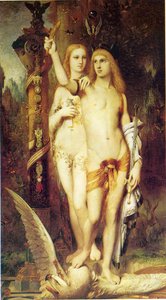
Hesiode et la Muse


 Weiterlesen
Giclée / Kunstdruck
Giclée- oder Leinwanddruck in Museumsqualität mit schneller Produktion und flexiblen Veredelungsoptionen. ( Handgemalte Reproduktion bestellen Bild kaufen)




P118B $10

P118H $10

P118W $10

P438Z $10

P508JH $12

P508YH $12

P805H $10

P805Z $10

P919BZ $10

P919G $10

P919XJ $10

P959ZH $10

P968JZ $12

W106C $8

W218G $10

W218JH $8

W218Y $10

W307PJ $10

W316G $10

W316PJ $8

W316Y $10

W398PJ $8

W4111J $10

W500HY $15

W500JH $15

W692G $12

W849H $8

W940BG $15

W953PJ $8




Wählen Sie aus unseren vordefinierten Formaten, die den ursprünglichen Proportionen des Kunstwerks entsprechen.

Sie können Ihre eigenen Maße eingeben, um ein bestimmtes Format oder einen speziellen Platz einzupassen. Wenn das von Ihnen gewählte Format nicht den Proportionen des Originalbildes entspricht, werden wir das Kunstwerk entweder beschneiden oder das Bild mit einem gespiegelten oder einfarbigen Rand erweitern. Ein digitaler Entwurf wird Ihnen zur Genehmigung zugesandt, bevor die Produktion beginnt.
Bitte beachten Sie, dass die Vorschau auf dem Bildschirm nicht den tatsächlichen Zuschnitt oder die Erweiterung widerspiegelt. Nur der Entwurf zeigt die endgültige Komposition präzise an.
Obwohl Sondermaße verfügbar sind, empfehlen wir die Auswahl eines Maßes aus der vordefinierten Liste, um die ursprünglichen Proportionen zu bewahren.
Weltweiter Versand () innerhalb von 2 Wochen statt der üblichen 4/5 Wochen. (14 August)

Kostenloser weltweiter Expressversand

Hochwertige Leinenleinwand

Umfassender Versicherungsschutz beim Versand

Zollgebühren-Rückerstattungsgarantie

Garantie für exakte Farbtreue

60 Tage Rückgaberecht (nur bei Mängeln)

100% Geld-zurück-Garantie

Mengenrabatt verfügbar
 Die Glasoption ist nur für Größen unter 110 cm verfügbar.

Hesiode et la Muse
Giclée / Kunstdruck
Format der Reproduktion
-


Gesamtpreis
$ 80
Sammlerstück-Beschreibung
A Descent into Myth: Gustave Moreau’s *Hesiode et la Muse*
Gustave Moreau's Hesiode et la Muse (Hesiod and the Muse) is not merely a depiction of figures; it’s an immersion into a realm of potent symbolism, a testament to the artist’s profound engagement with the esoteric currents of Symbolism. Painted in 1889, this work exemplifies Moreau's distinctive style – a meticulously constructed dreamscape populated by classical allusions and deeply personal iconography. The scene unfolds with a deliberate ambiguity, inviting viewers into a narrative that transcends simple representation, instead focusing on emotional resonance and spiritual suggestion. Moreau’s meticulous attention to detail, combined with his masterful use of color and texture, creates an atmosphere of both opulent beauty and unsettling mystery.
Subject Matter and Narrative
The painting centers around the Greek poet Hesiod, traditionally credited with *Theogony* and *Works and Days*, and a female figure identified as the Muse – specifically, Clio, the Muse of History. The arrangement itself is laden with significance. Hesiod, seated and holding a bird (often interpreted as representing knowledge or prophecy), appears grounded, while the standing Muse elevates him, suggesting inspiration and revelation. The objects they hold—a flower and a bird respectively—further amplify this dynamic, symbolizing earthly beauty and divine wisdom. Moreau deliberately obscures a clear narrative, prioritizing mood and symbolic weight over straightforward storytelling. This approach aligns perfectly with the Symbolist movement’s rejection of literal representation in favor of exploring subjective experience.
Technique and Style – A Moreau Signature
- Color Palette: Moreau employed a rich, jewel-toned palette—deep blues, emerald greens, ruby reds, and gold—to evoke a sense of otherworldly splendor. These colors aren’t used realistically; instead, they are deployed to create emotional impact and enhance the painting's symbolic power.
- Composition: The composition is deliberately complex and layered, drawing heavily on Byzantine iconography and Renaissance perspective. This creates a sense of depth and grandeur while simultaneously contributing to the work’s dreamlike quality.
- Surface Texture: Moreau's meticulous brushwork and glazing technique result in a surface texture that is both luminous and tactile. The layering of translucent colors produces an effect reminiscent of stained glass, further reinforcing the painting’s spiritual atmosphere.
Symbolism and Historical Context
Painted during a period of intense intellectual ferment—the rise of psychoanalysis, the resurgence of interest in mythology, and the growing influence of occult thought—*Hesiode et la Muse* reflects these currents. Moreau was deeply influenced by the Symbolist movement, which sought to express inner emotions and spiritual truths through symbolic imagery rather than objective representation. The castle-like backdrop, with its classical architectural elements, evokes a sense of timelessness and reinforces the painting’s engagement with ancient myths and legends. Moreau's work can be seen as a reaction against the perceived materialism and superficiality of contemporary art, representing a return to a more profound and spiritually oriented aesthetic.
Emotional Impact and Artistic Legacy
Hesiode et la Muse possesses a haunting beauty that continues to captivate viewers. The painting’s enigmatic atmosphere, combined with its rich symbolism, invites contemplation and introspection. Moreau's ability to evoke powerful emotions through seemingly simple imagery is a hallmark of his artistic genius. As one of the most important figures in the Symbolist movement, Moreau’s influence can be seen in the work of many subsequent artists, including James McNeill Whistler and Aubrey Beardsley. A hand-painted reproduction of this artwork offers a unique opportunity to experience the full power and beauty of Moreau's vision.
Über den Künstler
**frühes Leben und Ausbildung**
Gustav Moreau, ein französischer Künstler, wurde am 6. April 1826 in Paris geboren. Er erhielt eine traditionelle akademische Ausbildung in der Malerei an der École des Beaux-Arts und zeigte von frühester Kindheit eine Begabung für Zeichnen.**Die Symbolismusbewegung**
Moreaus Werk, das durch allegorische und mythologische Themen geprägt ist, machte ihn zu einem führenden Symbolistenmaler, insbesondere in den 1890er Jahren. Seine Kunst (und der Symbolismus im Allgemeinen) verlor an Beliebtheit, wurde aber seit den 1960er Jahren neu bewertet und Moreau gilt heute als einer der wichtigsten Symbolistenmaler.**Bekannte Werke und Ausstellungen**
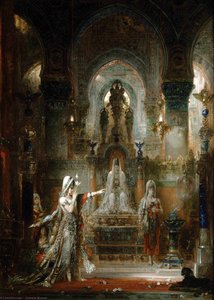
* Salomé im Gefängnis (Gemälde von 'Gustav Moreau') ist ein bemerkenswertes Beispiel für seine Arbeit und zeigt seine Meisterschaft im Symbolismus. * Das Selbstporträt (Gemälde von 'Gustav Moreau') ist eine weitere kraftvolle Darstellung des Künstlers selbst.**Musée Gustave Moreau**
Das Nationalmuseum Gustave Moreau (Musée Gustave Moreau Paris, Frankreich) in Paris ist dem Werk Moreaus gewidmet und beherbergt über 1.200 Gemälde, Aquarelle und Zeichnungen. Das Museum ist ein Zeugnis seines künstlerischen Erbes.**Vermächtnis und Einfluss**
Moreaus Einfluss auf die Symbolismusbewegung ist unbestreitbar. Er lehrte an der École des Beaux-Arts und beeinflusste namhafte Künstler wie Henri Matisse und Georges Rouault. Seine zurückgezogene Art hat seinen Einfluss auf die Kunstwelt nicht gemindert.- Entdecken Sie mehr über das Leben und Werk von Gustav Moreau auf OriginalUniqueArt.com
- Erkunden Sie das Nationalmuseum Gustave Moreau und seine beeindruckende Sammlung von Kunstwerken auf Musée Gustave Moreau Paris, Frankreich
- Erfahren Sie mehr über die Symbolismusbewegung und ihre Bedeutung für die Kunstgeschichte auf die Symbolismus-Kunstbewegung

Gustave Moreau
1826 - 1898 , Frankreich
Kurzinfos
- Beeinflusste Künstler:
- Henri Matisse
- Georges Rouault
- Bemerkenswerte Werke:
- Salomé im Gefängnis
- Selbstporträt
- Jupiter und Semele
- Orpheus
- Die Erscheinung
- Geburtsdatum: 6. April 1826
- Geburtsort: Paris, Frankreich
- Künstlerische Einflüsse:
- Eugène Delacroix
- Michelangelo
- Leonardo da Vinci
- Künstlerischer Stil: Symbolismus
- Nationalität: Französisch
- Sterbedatum: 1898
- Vollständiger Name: Gustave Moreau
Ähnliche Artikel

OriginalUniqueArt.com F.A.Q.: Elevate Your Decor with Premium Textured Giclée Prints
Discover the distinction of OriginalUniqueArt.com premium textured Giclée prints. Expertly crafted with archival 12-color pigments and museum-grade substrates, our prints offer unparalleled vividness for the discerning collector seeking luxury, durability, and timeless elegance.