In echtem Maßstab anzeigen
 Versenden als Grußkarte
 Teilen
 Details anzeigen
 Leitfaden öffnen

 Herunterladen
 Ähnliche Objekte
 Röntgenaufnahme
 Diashow
 Besucherstatistiken
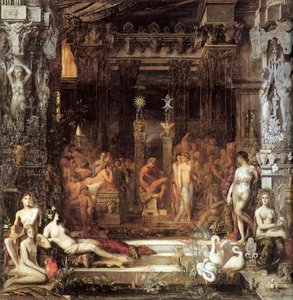
Die Chimäre
 Öl auf Leinwand
- Wandkunst
- Symbolist Painting
 1867
1867- Frühmittelalter
 27.0 x 33.0 cm
 Mehr anzeigen
Handgefertigte Ölreproduktion
Handgemaltes Ölgemälde auf Leinwand in Ihrer Wunschgröße und mit Rahmen, auf Bestellung von unseren Künstlern angefertigt. ( Zum Druck wechseln Zum digitalen Bild wechseln)




P118B €10

P118H €10

P118W €10

P438Z €10

P508JH €12

P508YH €12

P805H €10

P805Z €10

P919BZ €10

P919G €10

P919XJ €10

P959ZH €10

P968JZ €12

W106C €8

W218G €10

W218JH €8

W218Y €10

W307PJ €10

W316G €10

W316PJ €8

W316Y €10

W398PJ €8

W4111J €10

W500HY €15

W500JH €15

W692G €12

W849H €8

W940BG €15

W953PJ €8




Wählen Sie aus unseren vordefinierten Formaten, die den ursprünglichen Proportionen des Kunstwerks entsprechen.

Geben Sie die Breite und die Höhe an, die Sie für Ihren Rahmen oder Ihre Wand benötigen. Da dieses Werk handgemalt ist, kann der Künstler bei einer anderen Form etwas mehr um das Bild herum malen oder etwas abschneiden – Sie entscheiden. Wir senden Ihnen ein digitales Mockup zur Freigabe, bevor mit dem Malen begonnen wird. Das auf dieser Seite gezeigte Bild stellt nicht das tatsächliche Ergebnis dar – dies tut nur das Mockup.
Nach der Bestellung wird das OriginalUniqueArt.com-Team dem Kunden Anweisungen per E-Mail zusenden und eine Mockup-Vorschau bereitstellen.
Weltweiter Versand () in nur 3 bis 4 Wochen statt der üblichen 5 Wochen. (21 Oktober). Keine Kompromisse bei der Qualität.

Kostenloser weltweiter Expressversand

Hochwertige Leinenleinwand

Vollständiger Versicherungsschutz beim Versand

Zollgebühren-Rückerstattungsgarantie

Garantie für exakte Farbtreue

100-tägiges Rückgaberecht (nur bei Mängeln)

100% Geld-zurück-Garantie

Angebot für Mengenrabatt
 Die Glasoption ist nur für Größen unter 110 cm verfügbar.

Die Chimäre
Reproduktionsmedium
Format der Reproduktion
-


Gesamtpreis
€ 262
Gustave Moreau’s “Die Chimäre”: A Journey into Mythic Dreams
Gustave Moreau's "Die Chimäre" – a name that itself evokes a sense of unsettling beauty and primal power – is more than just a painting; it’s an immersion into the richly layered world of Symbolism. Completed in 1867, this oil on canvas transports us to a realm where classical mythology intertwines with deeply personal emotion, reflecting Moreau's lifelong fascination with the subconscious and the spiritual. The work isn’t simply a depiction of a monstrous creature from Greek legend; it’s an exploration of fusion, transformation, and the inherent tension between opposing forces within the human psyche.
Moreau, born in Paris in 1826, rejected the prevailing trends of his time. He wasn't interested in faithfully representing reality as Impressionists did, nor was he driven by the historical narratives favored by Realists. Instead, he sought to access a deeper truth through symbolism – drawing inspiration from medieval tapestries, Byzantine mosaics, and the esoteric traditions of alchemy and astrology. “Die Chimäre” embodies this approach perfectly; it’s a carefully constructed allegory designed to resonate with viewers on an emotional and intellectual level.
The Composition: A Dance of Opposites
- At the heart of the painting is a captivating scene: a woman, seemingly lost in passionate embrace, rides atop a winged horse. This majestic steed, rendered with a remarkable attention to detail and imbued with an almost ethereal quality, carries them towards a destiny shrouded in mystery.
- Beside her, a man mirrors the couple’s fervor, equally enthralled within the ride. The dynamic interaction between these figures immediately draws the viewer into the narrative, inviting speculation about their identities and the nature of their connection.
- Scattered throughout the composition are birds – not merely decorative elements, but symbols of flight, freedom, and perhaps even prophecy. Their presence adds a layer of movement and vitality to the scene, suggesting an upward trajectory towards something beyond the earthly realm.
The Chimera itself dominates the background, a terrifying yet strangely alluring hybrid beast – the head of a lion, the body of a goat, and the tail of a serpent. Moreau doesn’t shy away from the creature's monstrous nature; its form is rendered with meticulous detail, highlighting its grotesque features. However, he also imbues it with a sense of majesty, suggesting that even in this terrifying embodiment of chaos, there exists a certain power and allure.
Technique and Symbolism: A Masterclass in Color and Texture
Moreau’s masterful use of oil paint is central to the painting's impact. He employs rich, saturated colors – deep reds, vibrant blues, and shimmering golds – creating a visual feast that enhances the symbolic weight of each element. The textures are equally compelling; the smooth sheen of the horse’s flanks contrasts with the rougher surfaces of the Chimera’s scales and the flowing drapery of the figures.
The Chimera, as a mythological creature, represents the fusion of disparate elements – a potent symbol of transformation, creation, and destruction. It embodies the idea that beauty can arise from chaos, and that seemingly incompatible forces can be combined to produce something entirely new. The woman and man on horseback could represent humanity’s striving for unity and transcendence, while the Chimera itself symbolizes the challenges and dangers inherent in this pursuit.
A Legacy of Symbolism: Owning a Piece of Art History
"Die Chimäre" stands as a cornerstone of Moreau's oeuvre and a pivotal work within the Symbolist movement. His dedication to exploring the depths of human emotion and the power of myth continues to resonate with audiences today. Reproductions, such as those offered by OriginalUniqueArt.com, provide an accessible way to experience the beauty and complexity of this extraordinary painting. A high-quality reproduction allows you to bring this evocative image into your home or office, serving as a constant reminder of the enduring power of art to transport us beyond the confines of reality.
The original painting resides in the Fogg Art Museum at Harvard University (Cambridge, United States). Consider exploring images and further information about this remarkable piece through reputable online resources dedicated to art history and museum collections.
Fragen & Antworten
Welche Technik wurde für "Die Chimäre" verwendet und wann wurde es geschaffen?
Das Medium von "Die Chimäre" von Gustave Moreau ist Öl auf Leinwand, und das Werk wird auf 1867 datiert.
Welcher Phase der Karriere von Gustave Moreau ist „Die Chimäre“ (1867) zuzuordnen?
"Die Chimäre", entstanden im Jahr 1867, stammt aus der Symbolist Maturity von Gustave Moreau.
Wo kann ich einen Druck von "Die Chimäre" von Gustave Moreau kaufen?
Um einen Druck von "Die Chimäre" von Gustave Moreau zu erhalten, bestellen Sie ihn einfach auf der Seite Kunstdruck: ein Fine Art Print auf Baumwollkanvas oder Archiv-Leinwandpapier.
Biografie des Künstlers
**frühes Leben und Ausbildung**
Gustav Moreau, ein französischer Künstler, wurde am 6. April 1826 in Paris geboren. Er erhielt eine traditionelle akademische Ausbildung in der Malerei an der École des Beaux-Arts und zeigte von frühester Kindheit eine Begabung für Zeichnen.**Die Symbolismusbewegung**
Moreaus Werk, das durch allegorische und mythologische Themen geprägt ist, machte ihn zu einem führenden Symbolistenmaler, insbesondere in den 1890er Jahren. Seine Kunst (und der Symbolismus im Allgemeinen) verlor an Beliebtheit, wurde aber seit den 1960er Jahren neu bewertet und Moreau gilt heute als einer der wichtigsten Symbolistenmaler.**Bekannte Werke und Ausstellungen**
* Salomé im Gefängnis (Gemälde von 'Gustav Moreau') ist ein bemerkenswertes Beispiel für seine Arbeit und zeigt seine Meisterschaft im Symbolismus. * Das Selbstporträt (Gemälde von 'Gustav Moreau') ist eine weitere kraftvolle Darstellung des Künstlers selbst.**Musée Gustave Moreau**
Das Nationalmuseum Gustave Moreau (Musée Gustave Moreau Paris, Frankreich) in Paris ist dem Werk Moreaus gewidmet und beherbergt über 1.200 Gemälde, Aquarelle und Zeichnungen. Das Museum ist ein Zeugnis seines künstlerischen Erbes.**Vermächtnis und Einfluss**
Moreaus Einfluss auf die Symbolismusbewegung ist unbestreitbar. Er lehrte an der École des Beaux-Arts und beeinflusste namhafte Künstler wie Henri Matisse und Georges Rouault. Seine zurückgezogene Art hat seinen Einfluss auf die Kunstwelt nicht gemindert.- Entdecken Sie mehr über das Leben und Werk von Gustav Moreau auf OriginalUniqueArt.com
- Erkunden Sie das Nationalmuseum Gustave Moreau und seine beeindruckende Sammlung von Kunstwerken auf Musée Gustave Moreau Paris, Frankreich
- Erfahren Sie mehr über die Symbolismusbewegung und ihre Bedeutung für die Kunstgeschichte auf die Symbolismus-Kunstbewegung

Gustave Moreau
1826 - 1898 , Frankreich
Eckdaten zum Künstler
- Beeinflusste Künstler:
- Henri Matisse
- Georges Rouault
- Bemerkenswerte Werke:
- Salomé im Gefängnis
- Selbstporträt
- Jupiter und Semele
- Orpheus
- Die Erscheinung
- Geburtsdatum: 6. April 1826
- Geburtsort: Paris, Frankreich
- Künstlerische Einflüsse:
- Eugène Delacroix
- Michelangelo
- Leonardo da Vinci
- Künstlerischer Stil: Symbolismus
- Nationalität: Französisch
- Sterbedatum: 1898
- Vollständiger Name: Gustave Moreau
Verwandte Artikel
From Imagination to Canvas: Commissioning Bespoke Fantasy Art with Traditional Oil Painting Techniques
Commission breathtaking bespoke fantasy art with skilled oil painters. Explore techniques, artist selection & preservation tips. Invest in a unique masterpiece today!
Gustave Moreau: Der Enigmatische Visionär des Symbolismus und Wegbereiter moderner Fantasy-Kunst
Entdecken Sie das faszinierende Werk Gustave Moreaus, des wichtigsten Vertreters des Symbolismus! Analysen, Biografien und Einblicke in seine mythologischen Gemälde. Jetzt lesen!

Öl auf Leinwand: Eine historische und technische Erkundung eines zeitlosen künstlerischen Mediums
Entdecken Sie die faszinierende Welt der Ölmalerei! Von historischen Techniken bis zur modernen Anwendung – wir bieten Expertenwissen, Restaurierungstipps und hochwertige Reproduktionen. Jetzt informieren!

The Enduring Legacy of Oil on Canvas: Technique, History & Aesthetic Impact
Explore the rich history & techniques of oil painting – from Renaissance masters to Impressionism. Discover pigments, layering methods, and why this timeless medium endures. Expert insights for artists & art enthusiasts.
Gustav Klimt: Die 25 Meisterwerke des Wiener Jugendstils | OriginalUniqueArt
Entdecken Sie die 25 ikonischsten Gemälde von Gustav Klimt! Tauchen Sie ein in die Welt der Wiener Secession, des Jugendstils und der goldenen Phase. Hochwertige Reproduktionen & Inspiration für Ihr Zuhause auf OriginalUniqueArt.com.