Vorschau anzeigen
 Versenden
 Teilen
 Details anzeigen
 Leitfaden

 Herunterladen
 Ähnliche Objekte
 Röntgenaufnahme
 Diashow
 Fragen & Antworten
 Statistiken
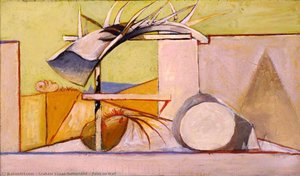
Flying Bomb Depot (recto)

- 95.0 x 89.0 cm


 Weiterlesen
Die auf dieser Seite dargestellten Kunstwerke sind urheberrechtlich geschützt, was bedeutet, dass wir keine identische Reproduktion rechtmäßig erstellen oder verkaufen dürfen. Dieser Schutz wird durch internationale Abkommen wie die Berner Übereinkunft und durch nationale Gesetze, einschließlich derer, die von den US-Urheberrecht – Titel 17.
Diese Methode entspricht vollumfänglich den Urheberrechtsbestimmungen, da sie keine Kopie oder Vervielfältigung des geschützten Kunstwerks darstellt. Stattdessen handelt es sich um eine kreative Neuinterpretation – ein neues Gemälde, das vom Original inspiriert, aber nicht identisch mit ihm ist.
Giclée / Kunstdruck
Giclée- oder Leinwanddruck in Museumsqualität mit schneller Produktion und flexiblen Veredelungsoptionen. ( Handgemalte Reproduktion bestellen Zum digitalen Bild wechseln)




P118B €10

P118H €10

P118W €10

P438Z €10

P508JH €12

P508YH €12

P805H €10

P805Z €10

P919BZ €10

P919G €10

P919XJ €10

P959ZH €10

P968JZ €12

W106C €8

W218G €10

W218JH €8

W218Y €10

W307PJ €10

W316G €10

W316PJ €8

W316Y €10

W398PJ €8

W4111J €10

W500HY €15

W500JH €15

W692G €12

W849H €8

W940BG €15

W953PJ €8




Wählen Sie aus unseren vordefinierten Formaten, die den ursprünglichen Proportionen des Kunstwerks entsprechen.

Geben Sie die benötigte Breite und Höhe an, damit der Druck perfekt in Ihren Rahmen oder an Ihre Wand passt. Ein Druck kann nur beschnitten, aber niemals größer als das Originalbild angefertigt werden; daher verliert ein Format mit anderen Proportionen einen Teil des Bildes. Wir senden Ihnen ein digitales Mockup zur Freigabe, bevor wir den Druck ausführen. Das auf dieser Seite gezeigte Bild zeigt nicht den tatsächlichen Beschnitt – dies ist nur im Mockup ersichtlich.
Weltweiter Versand () innerhalb von 2 Wochen statt der üblichen 4/5 Wochen. (5 November)

Kostenloser weltweiter Expressversand

Hochwertige Leinenleinwand

Umfassender Versicherungsschutz beim Versand

Zollgebühren-Rückerstattungsgarantie

Garantie für exakte Farbtreue

100 Tage Rückgaberecht (nur bei Mängeln)

100% Geld-zurück-Garantie

Mengenrabatt verfügbar
 Die Glasoption ist nur für Größen unter 110 cm verfügbar.

Flying Bomb Depot (recto)
Giclée / Kunstdruck
Format der Reproduktion
-


Endpreis
€ 72
A Haunting Echo of War: Exploring Sutherland’s “Flying Bomb Depot”
Graham Vivian Sutherland's "Flying Bomb Depot (recto)," painted in 1945, isn’t merely a depiction of wartime architecture; it’s a profound meditation on destruction, isolation, and the unsettling beauty born from devastation. Created during the tumultuous years of World War II, this oil painting offers a starkly evocative glimpse into the hidden realities of Britain's defense efforts – specifically, the clandestine network of caves used to house German flying bombs. Sutherland, an Official War Artist tasked with documenting the home front, moved beyond straightforward military scenes, instead choosing to capture the psychological and atmospheric weight of these subterranean installations.
The painting’s immediate impact is one of muted drama. Dominated by a palette of somber grays, browns, and ochres, it eschews vibrant color in favor of a restrained, almost melancholic tone. The composition centers on a partially collapsed brick structure – the entrance to a cave complex – its jagged edges and broken walls hinting at recent bombardment. The strategic placement of sparse trees, rendered with an unsettlingly organic quality, further amplifies the sense of desolation and the intrusion of nature reclaiming man-made structures. It’s not a heroic portrayal of victory; rather, it's a quiet acknowledgment of loss and the enduring scars left by conflict.
Neo-Romanticism and the Pembrokeshire Landscape
Sutherland’s style in “Flying Bomb Depot” firmly places it within the realm of Neo-Romanticism. This movement, flourishing in Britain during the interwar period and continuing through the war years, sought to reconnect with nature while simultaneously exploring themes of emotion, spirituality, and the sublime. Sutherland's work shares this dual focus – he imbues his landscapes with a sense of profound emotional resonance, mirroring the anxieties and uncertainties of the era. His earlier Pembrokeshire paintings, which profoundly influenced this piece, demonstrated a fascination with the rugged beauty of the Welsh coastline, but here, that interest is filtered through the lens of wartime experience.
Technically, Sutherland employs a layered approach, building up his image through multiple glazes and scumbles. This creates a remarkable sense of texture and depth, particularly evident in the rough-hewn brickwork and the tangled undergrowth. The brushstrokes are loose and expressive, contributing to the painting’s overall feeling of immediacy and vulnerability. He utilizes a technique reminiscent of Impressionism, capturing fleeting moments of light and shadow, yet his subject matter—a scene of destruction—elevates it beyond mere observation.
Symbolism and the Weight of History
Beyond its immediate depiction of wartime infrastructure, “Flying Bomb Depot” is rich in symbolic meaning. The caves themselves represent a hidden world – a space removed from everyday life, shrouded in secrecy and danger. The broken walls symbolize not just physical damage but also the shattered foundations of society during wartime. The lone bird perched on a branch adds an element of unsettling beauty to the scene, suggesting both resilience and vulnerability amidst the ruins. It’s a poignant reminder that even in the darkest of times, life persists.
Considering its creation in 1945, immediately following intense aerial bombardment, the painting serves as a powerful testament to the psychological impact of war on civilians. It's a far cry from celebratory wartime propaganda; instead, it offers a raw and honest portrayal of the human cost of conflict. The work’s enduring power lies in its ability to evoke a sense of unease and contemplation, prompting viewers to reflect on the complexities of history and the fragility of peace.
Collecting a Piece of History
Reproductions of “Flying Bomb Depot” offer a compelling way to bring this evocative artwork into your home or office. Available in various sizes and mediums – from high-quality prints to meticulously crafted oil paintings – it’s a unique addition to any collection. This piece is more than just decoration; it's a window into the past, a reminder of a pivotal moment in history, and a testament to the enduring power of art to capture both beauty and sorrow.
Fragen & Antworten
Unter welchen Pseudonymen oder Alternativnamen ist Graham Vivian Sutherland bekannt?
Weitere unter denen Graham Vivian Sutherland, Schöpfer von „Flying Bomb Depot (recto)“, bekannt ist, umfassen GV Sutherland.
Für welchen Ort und welchen Zweck wird "Flying Bomb Depot (recto)" empfohlen?
"Flying Bomb Depot (recto)" von Graham Vivian Sutherland wird für Statement empfohlen, idealerweise in einem Living Room. Die Verwendung und die Raumgestaltung geben gemeinsam Aufschluss darüber, wo eine Reproduktion am besten zur Geltung kommt.
Kann ich eine Ölreproduktion von "Flying Bomb Depot (recto)" bestellen?
Eine handgemalte Reproduktion von "Flying Bomb Depot (recto)" von Graham Vivian Sutherland können Sie direkt auf der entsprechenden Handgemalte Ölreproduktion-Seite bestellen: eine handgemalte Ölreproduktion auf Leinenleinwand, auf Bestellung angefertigt.
Künstlerbiografie
Die visionären Landschaften von Graham Vivian Sutherland
Graham Vivian Sutherland, ein Titan der britischen Moderne, besaß die seltene Fähigkeit, die vertrauten Konturen der natürlichen Welt in etwas zutiefst Beunruhigendes und tief Spirituelles zu verwandeln. Geboren 1903 in Streatham, London, war Sutherlands Weg von ständiger Metamorphose geprägt. Während seine frühen Jahre durch eine klassische Ausbildung am Epsom College geformt wurden, trat seine wahre Berufung weit abseits der juristischen Kreise seiner Familie zutage. Sein erster Vorstoß in die technische Welt einer Lehre in den Midland Railway Locomotive Works schuf ein Fundament der Präzision, das sich später in seinen komplizierter Druckgrafik und seinen texturierten Ölgemälden manifestieren sollte. Mit dem Wechsel an die Goldsmiths' School of Art begann Sutherland, sich von der traditionellen Darstellung zu entfernen und fühlte sich der evokativen Kraft des Kupferstichs und der Radierung zugewandt.
Die frühe Ästhetik des Künstlers war tief in der Romantik eines Samuel Palmer verwurzelt, doch er weigerte sich, an der Vergangenheit festzuhalten. Stattdessen fungierte Sutherland als Brücke zwischen der englischen pastoralen Tradition und der radikalen Energie der europäischen Avantgarde-Bewegungen. Indem er die traumhafte Logik des Surrealismus und die rohe Emotionalität des Expressionismus in sich aufnahm, entwickelte er eine visuelle Sprache, die sowohl die physische Landschaft als auch den psychischen Zustand einfangen konnte. Seine frühen Drucke, die durch ein Gefühl von Mysterium und organischen Formen charakterisiert waren, legten den Grundstein für eine Karriere, die von einer Obsession mit der „Fremdartigkeit“ der Natur definiert war – ein Thema, das sein beständigstes Vermächtnis werden sollte.
Der Schatten der Natur und die Kriegsjahre
Die 1940er Jahre markierten eine entscheidende Ära in Sutherlands Entwicklung, als sich sein Fokus von dem feinen Medium der Druckgrafik hin zu den viszeralen, pastosen Texturen der Ölmalerei verschob. In dieser Zeit wurden die rauen, windgepeitschten Landschaften von Pembrokeschaft zu seiner primären Muse. In Werken wie Thorn Tree kann man die Meisterschaft des Künstlers erleben, botanische Realität mit surrealistischer Verzerrung zu verschmelzen. Er malte nicht bloß Bäume; er malte die Spannung, den Kampf und die skelettartige Architektur des Lebens selbst. Diese Periode führte ihn zu einer abstrakteren, aber zutiefst symbolischen Sichtweise, in der Dornen, Wurzeln und verdrehte Zweige als Metaphern für menschliche Verletzlichkeit und Widerstandsfähigkeit dienten.
Der Zweite Weltkrieg brachte eine andere, düsterere Dimension in sein Schaffen. In seiner Funktion als offizieller Kriegskünstler richtete Sutherland seinen Blick auf die industriellen und oft eindringlichen Szenen der britischen Heimatfront. Seine Gemälde aus dieser Ära, wie etwa Flying Bomb Depot The Caunverns, sind Meisterwerke der Atmosphäre. Durch schwere Texturen und eine Palette, die sowohl Verfall als auch Grauen evoziert, fing er die unheimliche Trostlosigkeit der Kriegsinterieurs ein. Diese Werke waren nicht bloße Dokumentation; sie waren psychologische Porträts einer Ära, die von Angst und der drohenden Präsenz der Zerstörung geprägt war und die zerbrochene Realität einer Welt im Krieg widerspiegelten.
Ein Vermächtnis aus Symbolismus und Erhabenheit
In den Nachkriegsjahren stiegen Sutherlands Arbeiten zu neuen Höhen spiritueller und öffentlicher Bedeutung auf. Er begann, religiöse Symbolik mit seinen organischen Motiven zu integrieren und schuf so eine kraftvolle Synthese aus dem Heiligen und dem Natürlichen. Dies gipfelte in einer seiner monumentalsten Errungenschaften: dem Entwurf des gewaltigen zentralen Wandteppichs für die neue Kathedrale von Coventry mit dem Titel Christ in Glory in the Tetramorph. Dieses Werk, das seine Fähigkeit zur Manipulation von Form und Farbe in großem Maßstab nutzte, steht als Zeugnis für seine Rolle beim kulturellen Wiederaufbau des Nachkriegsbritanniens.
Im Laufe seiner produktiven Karriere ermöglichte Sutherland seine Vielseitigkeit, einen unauslöschlichen Eindruck in mehreren Disziplinen zu hinterlassen:
- Porträtmalerei: Seine Fähigkeit, die psychologische Tiefe öffentlicher Persönlichkeiten einzufangen, wie etwa in seinem würdevollen und melancholischen Somerset Maugham.
- Druckgrafik: Eine lebenslange Hingabe an die Präzision von Radierung und Kupferstich, die sein Verständnis von Linie und Struktur prägte.
- Dekorative Kunst: Seine Beiträge zum Teppichdesign und zur Glaskunst, die moderne Abstraktion in den Bereich der funktionalen Schönheit brachten.
Letztendlich bleibt Graham Sutherland ein Eckpfeiler der Kunst des 20. Jahrhunderts, weil er es wagte, unter die Oberfläche der Landschaft zu blicken. Er fand das Surreale im Realen und das Göttliche im Organischen. Sein Vermächtnis findet sich nicht nur in Museen, sondern in der Art und Weise, wie wir die verborgene, oft gezackte Schönheit der Welt um uns herum wahrnehmen – eine Welt, in der jeder Dorn eine Geschichte birgt und jeder Schatten ein Geheimnis enthält.

Graham Vivian Sutherland
1903 - 1980 , Vereinigtes Königreich
Kurzinfos
- Artistic Movement Or Style: Surrealism
- Artists Or Movements Influenced By This Artist: ['Paul Nash']
- Artists Who Influenced This Artist:
- Samuel Palmer
- F.L. Griggs
- Date Of Birth: August 24, 1903
- Date Of Death: February 17, 1980
- Full Name: Graham Vivian Sutherland
- Nationality: British
- Notable Artworks:
- Flying Bomb Depot
- Entrance to a Lane
- Place Of Birth: London, England
Ähnliche Artikel
Evoking Nature's Sublime: A Comprehensive Exploration of 19th-Century Landscape Painting
Explore the captivating world of 19th-century landscape painting! Discover renowned artists like Friedrich & Monet, key movements, and find the perfect artwork to bring nature's serenity into your home. Expert insights at OriginalUniqueArt.

Romantische Landschaften: Die 10 Meisterwerke, die eine Epoche prägten | OriginalUniqueArt
Entdecken Sie die 10 Meisterwerke der Romantischen Landschaftsmalerei! Von Caspar David Friedrich bis Turner – erleben Sie die Kunst, Emotion & Natur. Hochwertige Reproduktionen auf OriginalUniqueArt.com

Die 25 besten Kunstwerke von John Constable: Meisterwerke der englischen Landschaft
Entdecken Sie die 25 besten Werke von John Constable. Erleben Sie englische Romantik auf OriginalUniqueArt.com. Jetzt Meisterwerke online entdecken!

Evocations of Place: A Historical Journey Through Landscape Art
Explore the rich history of landscape art with OriginalUniqueArt. Discover renowned artists, movements like Impressionism & tonalism, and expert guidance for collecting timeless pieces. Find your perfect serene escape today!

Evocations of Place: A Historical Journey Through Landscape Art
Explore the rich history of landscape art with OriginalUniqueArt. Discover renowned artists, movements like Impressionism & Romanticism, and expert guidance for collecting timeless pieces. Find your perfect serene escape today!