 Vorschau anzeigen
 Versenden
 Teilen
 Details anzeigen
 Leitfaden

 Herunterladen
 Ähnliche Objekte
 Röntgenaufnahme
 Diashow
 Q&A
Q&A Statistiken
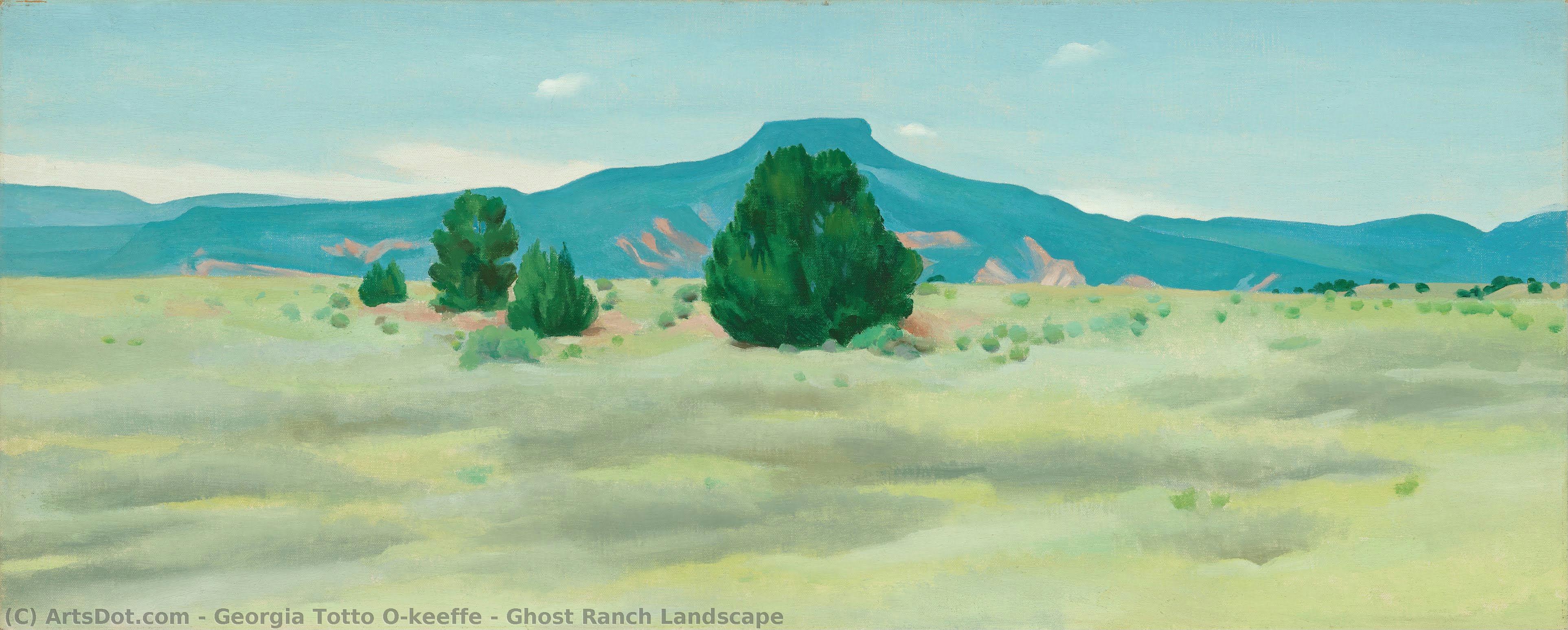
Ghost Ranch Landscape


 Weiterlesen
Die auf dieser Seite dargestellten Kunstwerke sind urheberrechtlich geschützt, was bedeutet, dass wir keine identische Reproduktion rechtmäßig erstellen oder verkaufen dürfen. Dieser Schutz wird durch internationale Abkommen wie die Berner Übereinkunft und durch nationale Gesetze, einschließlich derer, die von den US-Urheberrecht – Titel 17.
Diese Methode entspricht vollumfänglich den Urheberrechtsbestimmungen, da sie keine Kopie oder Vervielfältigung des geschützten Kunstwerks darstellt. Stattdessen handelt es sich um eine kreative Neuinterpretation – ein neues Gemälde, das vom Original inspiriert, aber nicht identisch mit ihm ist.
Giclée / Kunstdruck
Giclée- oder Leinwanddruck in Museumsqualität mit schneller Produktion und flexiblen Veredelungsoptionen. ( Handgemalte Reproduktion bestellen Zum digitalen Bild wechseln)




P118B €10

P118H €10

P118W €10

P438Z €10

P508JH €12

P508YH €12

P805H €10

P805Z €10

P919BZ €10

P919G €10

P919XJ €10

P959ZH €10

P968JZ €12

W106C €8

W218G €10

W218JH €8

W218Y €10

W307PJ €10

W316G €10

W316PJ €8

W316Y €10

W398PJ €8

W4111J €10

W500HY €15

W500JH €15

W692G €12

W849H €8

W940BG €15

W953PJ €8




Wählen Sie aus unseren vordefinierten Formaten, die den ursprünglichen Proportionen des Kunstwerks entsprechen.

Geben Sie die benötigte Breite und Höhe an, damit der Druck perfekt in Ihren Rahmen oder an Ihre Wand passt. Ein Druck kann nur beschnitten, aber niemals größer als das Originalbild angefertigt werden; daher verliert ein Format mit anderen Proportionen einen Teil des Bildes. Wir senden Ihnen ein digitales Mockup zur Freigabe, bevor wir den Druck ausführen. Das auf dieser Seite gezeigte Bild zeigt nicht den tatsächlichen Beschnitt – dies ist nur im Mockup ersichtlich.
Weltweiter Versand () innerhalb von 2 Wochen statt der üblichen 4/5 Wochen. (2 November)

Kostenloser weltweiter Expressversand

Hochwertige Leinenleinwand

Umfassender Versicherungsschutz beim Versand

Zollgebühren-Rückerstattungsgarantie

Garantie für exakte Farbtreue

100 Tage Rückgaberecht (nur bei Mängeln)

100% Geld-zurück-Garantie

Mengenrabatt verfügbar
 Die Glasoption ist nur für Größen unter 110 cm verfügbar.

Ghost Ranch Landscape
Giclée / Kunstdruck
Format der Reproduktion
-


Endpreis
€ 71
Georgia O’Keeffe's Ghost Ranch Landscape: A Meditation on Southwestern Silence
The painting “Ghost Ranch Landscape,” created in 1936 by Georgia O’Keeffe, transcends mere depiction; it embodies a profound stillness—a visual echo of the arid beauty and contemplative spirit of New Mexico. More than just capturing a vista, O’Keeffe transforms the rugged terrain into an emblem of resilience and inner peace, reflecting her own artistic philosophy rooted in simplification and observation.Subject Matter and Composition
At first glance, the landscape presents itself as deceptively serene. Dominating the lower half of the canvas is a relatively flat expanse punctuated by sparse shrubs and trees—primarily juniper bushes—that cling to the hillside. A single, mature tree stands prominently in the center, anchoring the composition and drawing the eye upwards towards Pedernal Peak, which rises majestically in the distance. This peak, a geological landmark significant to Pueblo culture and O’Keeffe herself, serves as a focal point for contemplation. The artist meticulously rendered the textures of the earth—the rough bark of the tree, the prickly foliage of the shrubs—creating an immersive experience for the viewer.Style and Technique: Minimalism Embodied
O’Keeffe's approach to painting exemplifies the tenets of American Modernism championed by artists like Arthur Wesley Dow. Rejecting academic realism, she prioritized conveying emotion through reductive forms and harmonious color palettes. The landscape is rendered in oil on canvas using a technique characterized by thick impasto—a layering of paint that builds up substantial texture—particularly around the tree trunk and branches. This tactile quality invites viewers to engage with the artwork physically, mirroring O’Keefe's desire to capture not just what she saw but how it *felt*. The color scheme is muted yet deliberate: earthy browns and ochres dominate, punctuated by subtle hints of violet and crimson—colors that evoke the hues of twilight and imbue the scene with an aura of melancholy beauty.Historical Context and Artistic Influences
Painted during O’Keeffe's formative years in New Mexico, “Ghost Ranch Landscape” reflects her growing fascination with Southwestern landscapes and Native American culture. Inspired by Dow’s teachings—specifically his emphasis on distilling visual experience into its essential elements—O’Keefe sought to distill the grandeur of the desert into a single, evocative image. The painting aligns itself with the broader modernist movement's rejection of traditional conventions and embrace of subjective expression. It anticipates O’Keeffe’s later explorations of abstraction, where she would further reduce forms and colors to convey pure emotion—a stylistic trajectory that cemented her legacy as one of America’s most influential artists.Symbolism: Resilience and Inner Reflection
Beyond its aesthetic qualities, “Ghost Ranch Landscape” carries symbolic weight. The tree represents strength and endurance—a visual metaphor for O’Keeffe's own unwavering determination to pursue her artistic vision despite obstacles. Pedernal Peak symbolizes permanence and spiritual contemplation—a reminder of the enduring beauty of the natural world and the importance of introspection. The overall stillness of the scene speaks to a deeper yearning for serenity and acceptance—themes that resonate powerfully with O’Keeffe's personal philosophy and contribute to the painting’s lasting emotional impact. It is a testament to O’Keefe’s ability to transform observation into profound artistic expression, capturing not just what she saw but what it meant to her soul.Fragen & Antworten
Kann ich Augmented Reality nutzen, um "Ghost Ranch Landscape" von Georgia O’Keeffe in meinem Raum zu sehen?
„Ghost Ranch Landscape“ verfügt über eine Augmented-Reality-Vorschau: Die AR-Vorschau-Seite des Kunstwerks zeigt es auf einem kompatiblen Gerät in Ihrem eigenen Raum.
Welche Farbpalette wird in "Ghost Ranch Landscape" verwendet?
Die Farben von "Ghost Ranch Landscape" bilden eine Neutrale Töne-Palette. Diese Klassifizierung beschreibt die dominierenden Farbfamilien.
Wie verbinden sich Medium und Bewegung in "Ghost Ranch Landscape"?
"Ghost Ranch Landscape" ist in Öl auf Leinwand im Stil der Contemporary Realism-Epoche gefertigt.
Künstlerbiografie
Frühe Jahre und Ausbildung (1887–1916)
Georgia Totto O’Keeffe, eine zentrale Figur des amerikanischen Modernismus, wurde am 15. November 1887 in Sun Prairie, Wisconsin, geboren. Ihre Eltern waren Francis Calyxtus O’Keeffe und Ida (Totto) O’Keeffe, Milchbauern irischer und ungarischer Abstammung. Schon im Alter von zehn Jahren entschied Georgia, Künstlerin zu werden. Sie erhielt Kunstunterricht von der lokalen Aquarellistin Sara Mann und besuchte später das Art Institute of Chicago von 1905 bis 1906, wo sie unter John Vanderpoel studierte. Ihr einzigartiger Stil begann sich während ihrer Studien in Virginia zu entwickeln.Künstlerische Karriere (1917–1986)
Alfred Stieglitz, ein Kunsthändler und Fotograf, veranstaltete 1917 eine Ausstellung von O’Keeffes Werken. Dies markierte den Beginn ihrer professionellen Karriere. Sie zog 1918 auf Stieltiz's Wunsch nach New York und begann ernsthaft als Künstlerin zu arbeiten. Ihre berufliche Beziehung entwickelte sich zu einer persönlichen, die zur Heirat am 11. Dezember 1924 führte. O’Keeffes abstrakte Kunst, darunter Nahaufnahmen von Blumen wie *Rote Canna*, wurde oft als Darstellung weiblicher Geschlechtsorgane interpretiert, obwohl sie dies stets bestritt. Ihre Arbeit wurde auch von ihrer Zeit im Südwesten beeinflusst, was Gemälde wie *Schädel eines Rindes: Rot, Weiß und Blau (1931)* und *Sommertage (1936)* inspirierte.Einflüsse und Stilentwicklung
O’Keeffe war stark von Arthur Wesley Dow beeinflusst, dessen Lehren über abstraktes Design ihre künstlerische Praxis prägten. Sie experimentierte mit verschiedenen Stilen, darunter Präzisionismus, der sich in ihren Gemälden von New Yorker Wolkenkratzern zeigt. Ihre Landschaftsbilder aus New Mexico, insbesondere die Wüstenlandschaften rund um Abiquiú, wurden zu einem zentralen Thema ihres Werkes und zeigten ihre tiefe Verbindung zur Natur. Die Farbpalette O’Keeffes entwickelte sich im Laufe ihrer Karriere weiter, von den gedämpften Tönen ihrer frühen Werke bis hin zu den leuchtenden Farben, die in ihren späteren Gemälden dominieren.Vermächtnis und Bedeutung
Nach Stieltiz's Tod 1946 lebte O’Keeffe für die nächsten 40 Jahre in New Mexico. Ihr Gemälde *Jimson Weed/White Flower No. 1* aus dem Jahr 1932 wurde 2014 für 44,405.000 Dollar verkauft und stellte einen Rekordpreis für ein Werk einer weiblichen Künstlerin auf. Das Georgia O’Keeffe Museum wurde 2006 in Santa Fe gegründet, um ihrem Werk zu widmen. Ihre Werke sind auch in zahlreichen anderen Museen vertreten. Sie gilt als eine der wichtigsten Künstlerinnen des 20. Jahrhunderts und hat die Entwicklung der amerikanischen Kunst maßgeblich beeinflusst.Wichtige Werke
- Rote Canna
- Schädel eines Rindes: Rot, Weiß und Blau (1931)
- Sommertage (1936)
- Jimson Weed/White Flower No. 1
- Blaue und grüne Musik
Museen mit O’Keeffe-Werken
- Georgia O’Keeffe Museum
- Verschiedene weitere Museen, Informationen hier: https://www.okeeffemuseum.org/

Georgia O’Keeffe
1887 - 1986 , Vereinigte Staaten von Amerika
Kurzinfos
- Beeinflusste Künstler: ['Keine Angaben']
- Bemerkenswerte Werke:
- Roter Canna
- Kuhschädel Rot, Weiß und Blau
- Sommertage
- Spitzwurz/Weißes Blumen Nr. 1
- Einflüsse: ['Alfred Stieglitz']
- Geburtsdatum: 15. November 1887
- Geburtsort: Sun Prairie, Vereinigte Staaten
- Künstlerische Richtung: Amerikanischer Modernismus
- Nationalität: Amerikanisch
- Sterbedatum: 6. März 1986
- Vollständiger Name: Georgia O’Keeffe
Ähnliche Artikel

Romantische Landschaften: Die 10 Meisterwerke, die eine Epoche prägten | OriginalUniqueArt
Entdecken Sie die 10 Meisterwerke der Romantischen Landschaftsmalerei! Von Caspar David Friedrich bis Turner – erleben Sie die Kunst, Emotion & Natur. Hochwertige Reproduktionen auf OriginalUniqueArt.com

Evocations of Place: A Historical Journey Through Landscape Art
Explore the rich history of landscape art with OriginalUniqueArt. Discover renowned artists, movements like Impressionism & tonalism, and expert guidance for collecting timeless pieces. Find your perfect serene escape today!

Die 25 besten Kunstwerke von John Constable: Meisterwerke der englischen Landschaft
Entdecken Sie die 25 besten Werke von John Constable. Erleben Sie englische Romantik auf OriginalUniqueArt.com. Jetzt Meisterwerke online entdecken!

Georgia O’Keeffe: Symbolismus und Landschaft – Eine Neudefinition der Moderne in der amerikanischen Kunst
Entdecken Sie Georgia O’Keeffes revolutionäre Kunst! Analysieren Sie ihren Symbolismus, ihre Landschaftsmalerei und ihren Einfluss auf die amerikanische Moderne. Expertenwissen & tiefe Einblicke.

Evocations of Place: A Historical Journey Through Landscape Art
Explore the rich history of landscape art with OriginalUniqueArt. Discover renowned artists, movements like Impressionism & Romanticism, and expert guidance for collecting timeless pieces. Find your perfect serene escape today!