

 In echtem Maßstab anzeigen
 Versenden als Grußkarte
 Teilen
 Details anzeigen
 Leitfaden öffnen

 Herunterladen
 Ähnliche Objekte
 Röntgenaufnahme
 Diashow
 Besucherstatistiken
Eve Repentant
 Oil On Canvas
- WallArt
- Symbolist
 1875
1875- 19th Century
 119.0 x 259.0 cm
 Tate Britain
 Mehr anzeigen
Giclée / Kunstdruck
Giclée- oder Leinwanddruck in Museumsqualität mit schneller Produktion und flexiblen Veredelungsoptionen. ( Handgemalte Reproduktion kaufen Zum digitalen Bild wechseln)




P118B €10

P118H €10

P118W €10

P438Z €10

P508JH €12

P508YH €12

P805H €10

P805Z €10

P919BZ €10

P919G €10

P919XJ €10

P959ZH €10

P968JZ €12

W106C €8

W218G €10

W218JH €8

W218Y €10

W307PJ €10

W316G €10

W316PJ €8

W316Y €10

W398PJ €8

W4111J €10

W500HY €15

W500JH €15

W692G €12

W849H €8

W940BG €15

W953PJ €8




Wählen Sie aus unseren vordefinierten Formaten, die den ursprünglichen Proportionen des Kunstwerks entsprechen.

Geben Sie die Breite und die Höhe an, die Sie benötigen, damit der Druck perfekt in Ihren Rahmen oder an Ihre Wand passt. Ein Druck kann nur beschnitten werden und niemals größer als das Originalbild gemacht werden; daher verliert ein Format mit einer anderen Proportion einen Teil des Bildes. Wir senden Ihnen ein digitales Mockup zur Freigabe, bevor wir den Druck ausführen. Das auf dieser Seite gezeigte Bild zeigt nicht den tatsächlichen Beschnitt – dies ist nur im Mockup ersichtlich.
Weltweiter Versand () innerhalb von 2 Wochen statt der üblichen 4/5 Wochen. (23 Oktober)

Kostenloser weltweiter Expressversand

Hochwertige Leinenleinwand

Vollständiger Versicherungsschutz beim Versand

Zollgebühren-Rückerstattungsgarantie

Garantie für exakte Farbtreue

100-tägiges Rückgaberecht (nur bei Mängeln)

100% Geld-zurück-Garantie

Angebot für Mengenrabatt
 Die Glasoption ist nur für Größen unter 110 cm verfügbar.

Eve Repentant
Giclée / Kunstdruck
Format der Reproduktion
-


Gesamtpreis
€ 70
A Vision of Sorrow and Spiritual Awakening
In the quiet, evocative depths of George Frederic Watts’ “Eve Repentant,” completed around 1875, viewers are invited into a profound moment of psychological and spiritual vulnerability. As a cornerstone of Victorian Symbolism, this masterpiece transcends a mere biblical illustration; it is an intimate exploration of the human condition, capturing the heavy weight of regret and the flickering light of redemption. The painting presents Eve not as a figure of triumph or simple sin, but as a soul caught in the transformative process of repentance. Her slumped posture and bowed head convey a palpable sense of grief, drawing the observer into a shared experience of mourning and introspection that remains deeply resonant even a century and a half later.
The composition is masterfully orchestrated to guide the emotional journey of the viewer. Watts utilizes a deliberate asymmetry, centering the focus on Eve’s delicate yet burdened form. The surrounding forest setting, while providing a naturalistic backdrop, serves a much deeper symbolic purpose. Amidst the shadows of her despair, two birds appear—one perched upon her shoulder and another hovering nearby—acting as celestial messengers of hope and consolation. These subtle elements suggest that even in the depths of loss, the possibility of spiritual awakening remains ever-present, making the piece an enduring symbol of resilience for any collector seeking art with profound philosophical depth.
Mastery of Symbolist Technique and Texture
Technically, “Eve Repentant” is a triumph of the Symbolist aesthetic, where the artist’s brushwork serves the higher purpose of conveying intangible truths. Working with oil on canvas, Watts achieved a luminous, almost ethereal surface texture that breathes life into the skin of his subject and the surrounding foliage. His technique avoids the starkness of realism, opting instead for meticulous yet soft delineations that emphasize Eve's vulnerability. The way light interacts with the contours of her body creates a sense of movement and presence, as if the very atmosphere of the forest is thick with the weight of her emotions.
For the discerning interior designer or art enthusiast, this painting offers an unparalleled opportunity to introduce a sense of narrative gravity and classical elegance into a space. The rich, earthy tones and the intricate interplay of light and shadow provide a sophisticated focal point that can anchor a room with both dignity and mystery. Whether displayed in a quiet study or as a centerpiece in a grand gallery, a high-quality reproduction of this work brings with it the legacy of the House of Life—Watts’ ambitious cycle intended to represent the universal emotions and aspirations of humanity. To possess such a piece is to hold a fragment of Victorian visionary imagination, offering a timeless window into the eternal dance between shadow and light.
Fragen & Antworten
Welche Platzierung passt zum Format von "Eve Repentant" von George Frederic Watts?
Das Format Tall von "Eve Repentant" von George Frederic Watts wird für ein Living Room empfohlen. Format und Raumgestaltung leiten gemeinsam die Platzierung einer Reproduktion.
Wofür wird eine Reproduktion von "Eve Repentant" von George Frederic Watts empfohlen?
Die empfohlene Verwendung für "Eve Repentant" von George Frederic Watts ist Accent. Es kann jedoch auch für andere Zwecke genutzt werden.
Wer ist der Urheber von "Eve Repentant" und welcher Stilrichtung ist das Werk zuzuordnen?
George Frederic Watts schuf „Eve Repentant“ im Rahmen der Symbolist-Bewegung.
Biografie des Künstlers
Frühe Jahre und Ausbildung
George Frederic Watts, eine bedeutende Figur der Symbolismus-Bewegung, wurde am 23. Februar 1817 in Marylebone, London, geboren. Seine frühen Jahre waren geprägt von gesundheitlichen Problemen und dem Verlust seiner Mutter im jungen Alter. Watts' Vater, ein Klavierbauer, gewährte ihm eine konservative christliche Erziehung und führte ihn in die Klassiker ein, darunter die Ilias. Dieser klassische Einfluss sollte später zu einem Eckpfeiler seines künstlerischen Stils werden.Karrierebeginn und Wandmalereien
Watts begann seine künstlerische Laufbahn im Alter von 10 Jahren mit dem Erlernen der Bildhauerei unter William Behnes. Später schrieb er sich an den Royal Academy Schools ein. Seine erste Ausstellung in der Akademie im Jahr 1837 markierte den Beginn seiner produktiven Karriere. Caractacus, eine Zeichnung, die für einen Wettbewerb zur Gestaltung von Wandmalereien für das neue Parlamentsgebäude eingereicht wurde, brachte Watts 1843 einen ersten Preis ein. Seine Reisen nach Italien (1843-1847) und seine Verbindung zum britischen Botschafter Henry Fox beeinflussten seinen Stil, wie man an seinem Porträt von Lady Holland aus dem Jahr 1848 erkennen kann. Seine Rückkehr nach Großbritannien führte zu einem Auftrag für ein Fresko im Parlamentsgebäude, das er zwischen 1848 und 1853 vollendete.Symbolistische Meisterwerke
Watts' bekannteste Werke umfassen:- Hoffnung und Liebe und Leben, die als Teil eines epischen symbolischen Zyklus namens „Das Haus des Lebens“ gedacht waren.
- Der Triumph des Roten Kreuzritters (aus der Faerie Queene), vollendet 1852-53, demonstriert seine Meisterschaft allegorischer Themen.
- Sein Porträt der Schauspielerin Ellen Terry, gemalt 1864, veranschaulicht seine Fähigkeit, das Wesen seiner Sujets einzufangen.
Entwicklung und Einfluss
Watts' Kunst entwickelte sich von frühen akademischen Einflüssen hin zu einem zunehmend symbolistischen Stil. Er war stark beeinflusst von der italienischen Renaissance und der klassischen griechischen Bildhauerei. Sein Werk zeichnet sich durch eine Kombination aus allegorischen Darstellungen, moralischen Botschaften und einer intensiven Farbgebung aus. Er wurde oft als ein Künstler betrachtet, der zwischen den Traditionen des Viktorianismus und dem Aufkommen des Symbolismus stand. Seine Werke spiegeln die sozialen und philosophischen Fragen seiner Zeit wider, insbesondere das Streben nach spiritueller Erleuchtung und moralischer Verbesserung.Vermächtnis und Bedeutung
Watts' Einfluss auf die Kunstwelt ist unbestreitbar. Seine Assoziation mit der Symbolismus-Bewegung und seine innovative Verwendung von Farbe und Form haben ihn zu einer beliebten Figur in der Geschichte der britischen Kunst gemacht. Die Watts Gallery – Artists’ Village in Guildford, Großbritannien, widmet sich der Bewahrung seiner Werke und der anderer Künstler. Seine Gemälde und Skulpturen werden heute in zahlreichen Museen auf der ganzen Welt ausgestellt und seine Arbeit inspiriert weiterhin Künstler und Betrachter gleichermaßen.
George Frederic Watts
1817 - 1904 , Vereinigtes Königreich
Eckdaten zum Künstler
- Beeinflusste Künstler/Bewegungen: ['Britische Kunst']
- Bemerkenswerte Werke:
- Hoffnung
- Liebe und Leben
- Der Triumph des Roten Kreuzknights
- Einflussreiche Künstler:
- William Behnes
- Alexander Constantine Ionides
- Geburtsdatum: 23. Februar 1817
- Geburtsort: Marylebone, Vereinigtes Königreich
- Künstlerische Bewegung: Symbolismus
- Nationalität: Britisch
- Todatum: 1. Juli 1904
- Vollständiger Name: George Frederic Watts
Verwandte Artikel

The Soul of Impressionism: Why Oil on Canvas Captures Eternal Light and Timeless Emotion
Discover the enchanting alchemy of Impressionism. Explore how the mastery of oil on canvas, through glazing and impasto, captures eternal light and emotion. Perfect for lovers of Monet and Van Gogh seeking the profound depth of hand-painted fine art.

Das bleibende Erbe der Ölmalerei: Technik, Geschichte und zeitgenössische Praxis
Entdecken Sie die faszinierende Geschichte der Ölmalerei – von den frühen Techniken bis zur modernen Kunst. Expertenwissen, detaillierte Analysen und Inspiration für Sammler & Kunstliebhaber.

Öl auf Leinwand: Eine historische und technische Erkundung eines zeitlosen künstlerischen Mediums
Entdecken Sie die faszinierende Welt der Ölmalerei! Von historischen Techniken bis zur modernen Anwendung – wir bieten Expertenwissen, Restaurierungstipps und hochwertige Reproduktionen. Jetzt informieren!

The Enduring Legacy of Oil on Canvas: Technique, History & Aesthetic Impact
Explore the rich history & techniques of oil painting – from Renaissance masters to Impressionism. Discover pigments, layering methods, and why this timeless medium endures. Expert insights for artists & art enthusiasts.
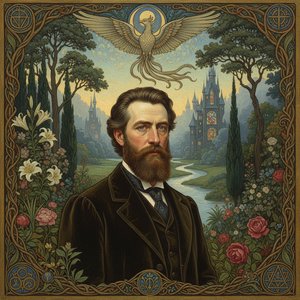
Frederick Waters Watts: A Victorian Vision of Aestheticism & Spiritual Symbolism
Explore the captivating world of Frederick Watts, a key Victorian painter blending aestheticism & spiritual symbolism. Discover his allegorical masterpieces like 'Hope' and delve into his artistic journey with OriginalUniqueArt.

