

 Vorschau anzeigen
 Versenden
 Teilen
 Details anzeigen
 Leitfaden

 Herunterladen
 Ähnliche Objekte
 Röntgenaufnahme
 Diashow
 Statistiken
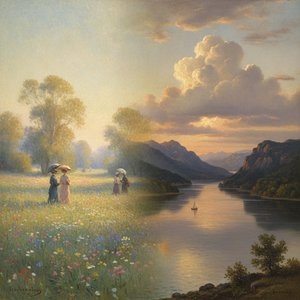
The Seine at Charenton


 Weiterlesen
Giclée / Kunstdruck
Giclée- oder Leinwanddruck in Museumsqualität mit schneller Produktion und flexiblen Veredelungsoptionen. ( Handgemalte Reproduktion bestellen Zum digitalen Bild wechseln)




P118B €10

P118H €10

P118W €10

P438Z €10

P508JH €12

P508YH €12

P805H €10

P805Z €10

P919BZ €10

P919G €10

P919XJ €10

P959ZH €10

P968JZ €12

W106C €8

W218G €10

W218JH €8

W218Y €10

W307PJ €10

W316G €10

W316PJ €8

W316Y €10

W398PJ €8

W4111J €10

W500HY €15

W500JH €15

W692G €12

W849H €8

W940BG €15

W953PJ €8




Wählen Sie aus unseren vordefinierten Formaten, die den ursprünglichen Proportionen des Kunstwerks entsprechen.

Geben Sie die benötigte Breite und Höhe an, damit der Druck perfekt in Ihren Rahmen oder an Ihre Wand passt. Ein Druck kann nur beschnitten, aber niemals größer als das Originalbild angefertigt werden; daher verliert ein Format mit anderen Proportionen einen Teil des Bildes. Wir senden Ihnen ein digitales Mockup zur Freigabe, bevor wir den Druck ausführen. Das auf dieser Seite gezeigte Bild zeigt nicht den tatsächlichen Beschnitt – dies ist nur im Mockup ersichtlich.
Weltweiter Versand () innerhalb von 2 Wochen statt der üblichen 4/5 Wochen. (25 Oktober)

Kostenloser weltweiter Expressversand

Hochwertige Leinenleinwand

Umfassender Versicherungsschutz beim Versand

Zollgebühren-Rückerstattungsgarantie

Garantie für exakte Farbtreue

100 Tage Rückgaberecht (nur bei Mängeln)

100% Geld-zurück-Garantie

Mengenrabatt verfügbar
 Die Glasoption ist nur für Größen unter 110 cm verfügbar.

The Seine at Charenton
Giclée / Kunstdruck
Format der Reproduktion
-


Endpreis
€ 70
A Moment on the Seine: Ferdinand Guillaumin’s “The Seine at Charenton”
Ferdinand Guillaumin's "The Seine at Charenton," painted in 1878, is more than a picturesque depiction of a riverside scene; it’s a shimmering distillation of Impressionist philosophy. This captivating work transports the viewer to a fleeting moment on the banks of the Seine, capturing not just the physical appearance of Charenton but also the very essence of light and atmosphere that defined Guillaumin's artistic vision. The painting immediately draws the eye with its soft, diffused light – a hallmark of Impressionism’s pursuit of capturing transient effects rather than precise representation.
Guillaumin, a key figure within the French Impressionist movement, was deeply influenced by the theories of Eugène Duranty and Claude Monet. He shared their fascination with depicting the ephemeral qualities of nature, particularly the way light transforms surfaces and creates an illusion of movement. Unlike many of his contemporaries who focused on urban scenes, Guillaumin frequently returned to the landscapes of France, meticulously observing and translating the nuances of color and light onto canvas. “The Seine at Charenton” exemplifies this dedication, showcasing a masterful understanding of how atmospheric conditions can dramatically alter the appearance of familiar subjects.
A Symphony of Color and Light
Technically, the painting is executed with loose, visible brushstrokes – a deliberate choice by Guillaumin to prioritize capturing the *impression* of the scene over meticulous detail. The palette is remarkably restrained yet vibrant, dominated by delicate blues, greens, and ochres that evoke the shimmering surface of the Seine and the hazy sky above. Notice how he uses broken color—applying small dabs of paint side-by-side rather than blending them smoothly—to create a sense of luminosity and depth. The reflections on the water are particularly noteworthy, rendered with an almost ethereal quality, suggesting movement and fluidity.
Guillaumin’s technique is closely aligned with Monet's, yet possesses a unique lyricism. While Monet often sought to capture the objective reality of a scene, Guillaumin imbues his landscapes with a palpable sense of emotion and nostalgia. The composition itself contributes to this effect; the figures in the foreground are subtly blurred, suggesting their detachment from the viewer and inviting us to lose ourselves in the beauty of the natural world.
Symbolism and Emotional Resonance
Beyond its technical brilliance, “The Seine at Charenton” is rich in symbolic meaning. The presence of the boats – one a small rowboat and the other a larger vessel – hints at leisure and connection with nature. These figures, though indistinct, represent humanity’s relationship to the river, suggesting both activity and contemplation. The overall mood is serene and contemplative, inviting the viewer to pause and appreciate the simple pleasures of life. It's not merely a depiction of a place; it’s an evocation of a feeling – a sense of tranquility and connection with the natural world.
The choice of Charenton itself holds significance. Located just southeast of Paris, this charming town was already gaining popularity as a resort destination in the late 19th century, attracting artists and intellectuals seeking respite from the bustle of urban life. Guillaumin’s painting captures this atmosphere of relaxed sophistication, reflecting the growing interest in landscape art and the pursuit of beauty in everyday moments.
A Timeless Masterpiece
“The Seine at Charenton” remains a powerful testament to the enduring appeal of Impressionism. Its delicate colors, evocative brushstrokes, and subtle symbolism continue to captivate viewers today. Reproductions of this work offer an exceptional opportunity to bring the beauty of Guillaumin’s vision into any space, creating a focal point that radiates tranquility and invites contemplation. Consider it not just as a painting, but as a portal to a fleeting moment in time – a reminder of the profound beauty found in the simplest of scenes.
Fragen & Antworten
Welche Atmosphäre würde eine Reproduktion von "The Seine at Charenton" von Ferdinand Guillaumin in einen Raum bringen?
Mit seiner Calm Stimmung wird „The Seine at Charenton“ für ein Living Room empfohlen.
Welchen Stellenwert nimmt "The Seine at Charenton" innerhalb der Impressionist Landscape ein?
"The Seine at Charenton" wird im Katalog als Recognized unter den Werken der Impressionist Landscape geführt.
In welche Phase von Ferdinand Guillaumins Schaffen lässt sich "The Seine at Charenton" einordnen?
Innerhalb der Schaffensperiode von Ferdinand Guillaumin lässt sich „The Seine at Charenton“ der Mature Impressionism zuordnen. Diese Phase ermöglicht einen Vergleich mit anderen Werken des Künstlers.
Künstlerbiografie
early life and career
Jean Baptiste Armand Guillaumin, geboren am 16. Februar 1841 in Paris, war ein französischer Impressionist Maler und Lithograf. Sein künstlerischer Weg begann Mitte des 19. Jahrhunderts, einer Zeit, als Impressionismus Frankreich aufblühte. Er wurde im zentralfranzösischen Moulins geboren und erhielt dort seine erste Ausbildung. Seine Familie zog später nach Paris um, wo er sein Leben verbrachte. Guillaumin studierte zunächst Kunst an der École Supérieure des Beaux-Arts in Paris und entwickelte sich schnell zu einem talentierten Maler mit einer besonderen Leidenschaft für Landschaftsbilder. Er arbeitete als Dekorateur und Illustrator und konnte sich damit ein Einkommen verschaffen. Seine frühe künstlerische Entwicklung wurde maßgeblich von seinem Vater beeinflusst, einem Lehrer und Kunstsammler, der ihm eine umfassende Bildung vermittelte. Durch seine Begegnung mit anderen Künstlern und Schriftstellern wie Emile Zola und Gustave Moreau erlangte Guillaumin Kontakte zum französischen Künstlerkreis seiner Zeit.contribution to impressionism
Guillaumin spielte eine bedeutende Rolle bei der Entwicklung des Impressionismus, einer Bewegung, die darauf abzielte, die flüchtigen Eindrücke von Licht und Farbe in der Natur einzufangen. Er wurde Mitglied der Gruppe „Les Impressionnistes“ und beteiligte sich aktiv an ihren Ausstellungen, wobei er seinen einzigartigen Stil präsentierte. Seine Gemälde zeichneten sich durch eine besondere Sensibilität für Farben und Licht aus und betonten die subjektive Wahrnehmung der Welt. Guillaumin war besonders beeindruckt von den Werken von Claude Monet und Vincent van Gogh und ließ sich von deren innovativen Techniken inspirieren. Er entwickelte eine eigene Methode, um Licht und Atmosphäre auf Leinwand zu übertragen und damit einen wichtigen Beitrag zur Entwicklung des Impressionismus leistete. Seine Landschaftsbilder waren oft von einer tiefen Melancholie geprägt und spiegelten die Stimmung der Zeit wider.notable works and influences
Guillaumin schuf zahlreiche beeindruckende Werke, darunter „Madame Guillaumin Sitzt in einem Garten“, „Die Kirche von Sainte-Marie-du-Mont“ und „Das Flussufer bei Saint-Cloud“. Seine Gemälde sind bekannt für ihre außergewöhnliche Farbgebung und ihre detaillierte Darstellung der Natur. Er arbeitete eng mit anderen Künstlern zusammen und entwickelte eine besondere Freundschaft mit Gustave Moreau, einem Symbolisten Maler und Kunsthistoriker. Guillaumin war auch von der Arbeit anderer Künstler wie Jean-Auguste Dominique Ingres und Eugène Delacroix beeinflusst und ließ sich von deren klassischen Formen und Kompositionen inspirieren. Seine künstlerische Entwicklung wurde durch die französische Romantik und insbesondere durch die Werke von Théodore Rousseau geprägt, dessen Landschaftsbilder eine ähnliche Stimmung und Ausdruckskraft aufwiesen.style and technique
Guillaumin zeichnete sich durch einen besonderen Malstil aus, der sowohl Elemente des Impressionismus als auch des Symbolismus vereinte. Er verwendete eine lockere Pinseltechnik und arbeitete mit großen Farbflecken und verschiedenen Farbnuancen, um Licht und Atmosphäre auf Leinwand zu übertragen. Seine Gemälde waren oft von einer traumhaften Qualität geprägt und betonten die subjektive Wahrnehmung der Welt. Guillaumin entwickelte eine eigene Methode zur Darstellung von Licht und Farbe und damit einen wichtigen Beitrag zur Entwicklung des Impressionismus und des Symbolismus leistete. Er war besonders geschickt darin, verschiedene Lichteffekte einzufangen und diese auf Leinwand zu übertragen und damit einen einzigartigen künstlerischen Ausdruck zu verleihen. Seine Werke sind bekannt für ihre außergewöhnliche Farbgebung und ihre detaillierte Darstellung der Natur und werden bis heute von Kunsthistorikern und Sammlern bewundert.legacy and remembrance
Jean Baptiste Armand Guillaumin starb am 26. Juni 1927 in Paris und hinterließ ein bedeutendes künstlerisches Erbe. Seine Werke sind heute in zahlreichen Museen auf der ganzen Welt zu sehen, darunter das Musée d’Orsay und das Kunstgewerbemuseum München. Er gilt als einer der wichtigsten französischen Impressionisten Maler und wird für seine außergewöhnliche Sensibilität für Farben und Licht sowie für seine einzigartige künstlerische Vision gefeiert. Seine Gemälde haben einen besonderen Platz im Kunstgeschichte und werden bis heute von Kunsthistorikern und Sammlern bewundert. Guillaumin wurde zu seinem Leben lang ein Freund von Eugène Murer, einem französischen Künstler und Restaurator und gilt als eine zentrale Figur der französischen Impressionismus Bewegung.
Ferdinand Guillaumin
1841 - 1927 , Frankreich
Kurzinfos
- Artistic Movement Or Style: Impressionismus
- Artists Or Movements Influenced By This Artist: ['Symbolismus']
- Artists Who Influenced This Artist:
- Vincent van Gogh
- Paul Cézanne
- Camille Pissarro
- Date Of Birth: Februar 16, 1841
- Date Of Death: Juni 26, 1927
- Full Name: Jean Baptiste Armand Guillaumin
- Nationality: Französisch
- Notable Artworks:
- Garten in Janville
- Landschaft mit Fluss
- Mont Puy de Dôme
- Place Of Birth: Paris, Frankreich
Ähnliche Artikel
Capturing the Light: A Journey Through the Soul of American Impressionism and the Hudson River School
Explore the luminous beauty of American Impressionism and the Hudson River School. Discover a curated journey through light, landscape, and history, celebrating the enduring legacy of masters through exquisite, hand-painted oil reproductions for the discerning art lover.

Paul Cézanne: Die 25 Meisterwerke des Impressionismus | OriginalUniqueArt
Entdecken Sie die 25 Meisterwerke von Paul Cézanne! Tauchen Sie ein in die Welt des Impressionismus und Postimpressionismus. Erfahren Sie mehr über seine Stillleben, Landschaften & berühmten Gemälde – jetzt hochwertige Kunstdrucke auf OriginalUniqueArt.com.

Evocations of Place: A Historical Journey Through Landscape Art
Explore the rich history of landscape art with OriginalUniqueArt. Discover renowned artists, movements like Impressionism & tonalism, and expert guidance for collecting timeless pieces. Find your perfect serene escape today!

Flowing Narratives: Rivers in Painting – A Historical Exploration
Explore the rich history of rivers in painting! Discover masterpieces from ancient times to Impressionism & beyond. Learn about symbolism, artists like Monet & Daubigny, and find your perfect serene artwork at OriginalUniqueArt.

Evocations of Place: A Historical Journey Through Landscape Art
Explore the rich history of landscape art with OriginalUniqueArt. Discover renowned artists, movements like Impressionism & Romanticism, and expert guidance for collecting timeless pieces. Find your perfect serene escape today!


