
 Vorschau anzeigen
 Versenden
 Teilen
 Details anzeigen
 Leitfaden

 Herunterladen
 Ähnliche Objekte
 Röntgenaufnahme
 Diashow
 Fragen & Antworten
 Statistiken
Road near Galle, Ceylon

- 38.0 x 24.0 cm


 Weiterlesen
Giclée / Kunstdruck
Giclée- oder Leinwanddruck in Museumsqualität mit schneller Produktion und flexiblen Veredelungsoptionen. ( Handgemalte Reproduktion bestellen Zum digitalen Bild wechseln)




P118B €10

P118H €10

P118W €10

P438Z €10

P508JH €12

P508YH €12

P805H €10

P805Z €10

P919BZ €10

P919G €10

P919XJ €10

P959ZH €10

P968JZ €12

W106C €8

W218G €10

W218JH €8

W218Y €10

W307PJ €10

W316G €10

W316PJ €8

W316Y €10

W398PJ €8

W4111J €10

W500HY €15

W500JH €15

W692G €12

W849H €8

W940BG €15

W953PJ €8




Wählen Sie aus unseren vordefinierten Formaten, die den ursprünglichen Proportionen des Kunstwerks entsprechen.

Geben Sie die benötigte Breite und Höhe an, damit der Druck perfekt in Ihren Rahmen oder an Ihre Wand passt. Ein Druck kann nur beschnitten, aber niemals größer als das Originalbild angefertigt werden; daher verliert ein Format mit anderen Proportionen einen Teil des Bildes. Wir senden Ihnen ein digitales Mockup zur Freigabe, bevor wir den Druck ausführen. Das auf dieser Seite gezeigte Bild zeigt nicht den tatsächlichen Beschnitt – dies ist nur im Mockup ersichtlich.
Weltweiter Versand () innerhalb von 2 Wochen statt der üblichen 4/5 Wochen. (7 November)

Kostenloser weltweiter Expressversand

Hochwertige Leinenleinwand

Umfassender Versicherungsschutz beim Versand

Zollgebühren-Rückerstattungsgarantie

Garantie für exakte Farbtreue

100 Tage Rückgaberecht (nur bei Mängeln)

100% Geld-zurück-Garantie

Mengenrabatt verfügbar
 Die Glasoption ist nur für Größen unter 110 cm verfügbar.

Road near Galle, Ceylon
Giclée / Kunstdruck
Format der Reproduktion
-


Endpreis
€ 72
A Glimpse of Ceylon’s Soul: Edward Lear's “Road Near Galle, Ceylon”
Edward Lear’s “Road Near Galle, Ceylon,” painted in 1879, isn’t merely a depiction of a tropical landscape; it’s a carefully constructed window into the heart of late Victorian Sri Lanka. More than just a picturesque scene, this oil painting embodies a profound sense of observation and quiet contemplation – qualities deeply rooted in Lear's own life experiences and artistic sensibilities. The image transports us to a moment suspended in time, capturing not just the physical beauty of the region but also an atmosphere of gentle serenity and understated dignity. It’s a testament to Lear’s ability to distill complex emotions into a single, evocative composition.The Scene Unfolds: A Vibrant Tapestry of Life
The painting immediately draws the eye to a small group of figures traversing a dusty dirt road that snakes its way through a lush, palm-dominated landscape. These aren’t grand heroes or dramatic events; instead, they represent everyday life – men and women engaged in simple activities: some pausing for rest, others continuing their journey with purposeful strides. Their attire, rendered in warm, earthy tones, speaks to the practicality of rural existence while simultaneously hinting at a vibrant local culture. The backdrop is dominated by towering palm trees, their fronds reaching skyward, creating a sense of depth and scale that emphasizes the vastness of the Ceylon landscape. The light itself – a rich, golden hue – seems to bathe the scene in an eternal afternoon glow, lending it a timeless quality. Lear masterfully uses color to create a harmonious balance between the vibrant greens of the foliage and the warm browns and ochres of the road and figures, evoking a feeling of warmth and tranquility.Lear’s Technique: A Delicate Balance of Observation and Impression
Examining the painting's technique reveals Lear’s meticulous approach to capturing light and atmosphere. He employs a broken brushstroke style, layering thin washes of color to build up form and texture with remarkable subtlety. This method allows for a luminous quality, particularly evident in the dappled sunlight filtering through the palm fronds. The artist’s attention to detail is striking – from the individual folds of fabric on the figures' clothing to the intricate patterns of the foliage – yet he avoids overly precise rendering, instead favoring an impressionistic approach that captures the essence of the scene rather than a photographic likeness. The use of color is particularly noteworthy; Lear doesn’t shy away from bold hues but skillfully blends them to create a sense of depth and realism. The painting's overall effect is one of quiet beauty and understated elegance, reflecting Lear’s own artistic philosophy.Symbolism and Context: A Window into Victorian Sri Lanka
“Road Near Galle, Ceylon” offers more than just a visual pleasure; it provides a glimpse into the social and cultural context of late 19th-century Sri Lanka during the British colonial period. Lear’s depiction of everyday life—the simple routines of the villagers—reflects a nuanced understanding of the region's diverse population. The painting can be interpreted as a celebration of Ceylon’s natural beauty and its people, while subtly acknowledging the presence of foreign influence. Lear himself was a keen observer of human nature and a master of capturing fleeting moments of emotion in his art. His own experiences with illness and isolation likely informed his ability to imbue his paintings with a sense of melancholy and introspection. The painting’s title itself—"Road Near Galle, Ceylon"—suggests a deliberate focus on the journey, both literal and metaphorical, that defines human existence.Bringing Lear's Vision Home: Reproductions and Artistic Legacy
Today, “Road Near Galle, Ceylon” stands as a testament to Edward Lear’s artistic genius. High-quality reproductions offer an accessible way to experience the painting’s beauty and evoke its evocative atmosphere. Whether displayed in a living room, study, or gallery, this artwork invites contemplation and offers a connection to a bygone era. Consider framing options that complement the painting's rich colors and textures – a natural linen canvas would be particularly fitting, allowing the artwork to truly shine. Explore various sizes to find one that best suits your space and aesthetic preferences. By investing in a reproduction of “Road Near Galle, Ceylon,” you’re not simply acquiring an image; you’re inheriting a piece of art history—a window into the soul of Ceylon and the perceptive eye of Edward Lear.Fragen & Antworten
Wann wurde "Road near Galle, Ceylon" von Edward Lear geschaffen und welcher Stil liegt ihm zugrunde?
"Road near Galle, Ceylon" entstand im Jahr 1879 als Werk der Romanticism-Bewegung. Entstehungsjahr und Stilrichtung verankern das Kunstwerk in der Kunstgeschichte.
Wer hat "Road near Galle, Ceylon" geschaffen und in welchem Stil ist es gehalten?
Edward Lear schuf „Road near Galle, Ceylon“ im Rahmen der Romanticism-Bewegung.
Wer hat "Road near Galle, Ceylon" geschaffen und in welchem Jahr?
Edward Lear schuf „Road near Galle, Ceylon“ im Jahr 1879.
Künstlerbiografie
Frühes Leben und Karriere
Edward Lear, ein renommierter englischer Künstler, Illustrator, Musiker, Autor und Dichter, wurde am 12. Mai 1812 in Holloway, Nord-London, geboren. Als vorletztes von 21 Kindern war Lears Leben durch einen frühen Beginn seiner Karriere im Alter von 15 Jahren geprägt. Sein Vater, Jeremiah Lear, ein Börsenmakler, hatte nach den napoleonischen Kriegen finanzielle Schwierigkeiten, was zu einer Verringerung der finanziellen Mittel der Familie und zur Notwendigkeit führte, dass Lear sich von jung an selbst unterstützen musste.Künstlerische Beiträge
Lears künstlerische Beiträge sind vielfältig:- Illustrationen von Vögeln und Tieren: Im Dienst des Zoologischen Vereins demonstrierte Lears frühe Arbeit seine Fähigkeiten bei der Illustration von Vögeln und Tieren.
- Landschaftsmalerei: Nach seinen ausgedehnten Reisen durch Europa und Asien widmete sich Lear der Landschaftsmalerei und fing das Wesen dieser Regionen in seinen Werken ein.
- Autor und Dichter: Lears Ruhm beruht auf seiner Nonsense-Poesie, Limerick und humorvollen Versen, wie man sie in seinen Büchern "A Book of Nonsense" (1846), "Nonsense Songs" (1871) und "Laughable Lyrics" (1877) findet.
- Musikalische Kompositionen: Lear komponierte musikalische Settings für Alfred Tennysons Gedichte, wobei zwölf Werke veröffentlicht wurden.
Bemerkenswerte Werke und Vermächtnis
Zu Lears bemerkenswertesten Werken gehören:- "The Owl and the Pussycat", ein Gedicht, das zu seinem Stil geworden ist.
- "The Dong with the Luminous Nose", das seinen fantastischen Ansatz in der Poesie zeigt.
- Illustrationen der Familie der Psittaciden (Papageien) (1830), seine erste Veröffentlichung im Alter von 19 Jahren.
Museen und Sammlungen
Lears Werke finden sich in verschiedenen Museen, darunter:- Das Ashmolean Museum, Oxford, das sein Gemälde "The Plains of Lombardy from Monte Generoso" zeigt.
- Andere bemerkenswerte Sammlungen und Museen, die Lears Kunst zeigen, finden sich in der umfangreichen Datenbank von OriginalUniqueArt.com.
Fazit
Lears Vermächtnis ist ein Beweis für seinen innovativen Ansatz in der Kunst, der Humor, Nonsense-Poesie und Landschaftsmalerei vereint. Sein Einfluss auf die Welt der Kunst und Literatur bleibt unübertroffen, wobei seine Werke weiterhin neue Generationen inspirieren. Mehr von Edward Lears Werken finden Sie auf OriginalUniqueArt.com Erfahren Sie mehr über Edward Lear auf Wikipedia
Edward Lear
1812 - 1888 , Vereinigtes Königreich
Kurzinfos
- Bemerkenswerte Werke:
- The Owl and the Pussycat
- The Dong with the Luminous Nose
- Illustrationen der Papageienfamilie
- Geburtsdatum: 12. Mai 1812
- Geburtsort: London, Vereinigtes Königreich
- Künstlerische Richtung: Viktorianische Kunst, Nonsense-Literatur
- Nationalität: Britisch
- Sterbedatum: 1888
- Vollständiger Name: Edward Lear
Ähnliche Artikel

Die 25 besten Kunstwerke von John Constable: Meisterwerke der englischen Landschaft
Entdecken Sie die 25 besten Werke von John Constable. Erleben Sie englische Romantik auf OriginalUniqueArt.com. Jetzt Meisterwerke online entdecken!

Evocations of Place: A Historical Journey Through Landscape Art
Explore the rich history of landscape art with OriginalUniqueArt. Discover renowned artists, movements like Impressionism & Romanticism, and expert guidance for collecting timeless pieces. Find your perfect serene escape today!

Romantische Landschaften: Die 10 Meisterwerke, die eine Epoche prägten | OriginalUniqueArt
Entdecken Sie die 10 Meisterwerke der Romantischen Landschaftsmalerei! Von Caspar David Friedrich bis Turner – erleben Sie die Kunst, Emotion & Natur. Hochwertige Reproduktionen auf OriginalUniqueArt.com

Evocations of Place: A Historical Journey Through Landscape Art
Explore the rich history of landscape art with OriginalUniqueArt. Discover renowned artists, movements like Impressionism & tonalism, and expert guidance for collecting timeless pieces. Find your perfect serene escape today!
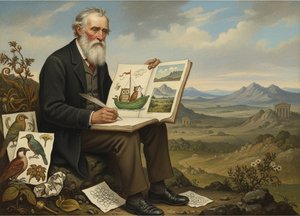
Edward Lear: Jenseits der Nonsens-Verse – Landschaft, Illustration und die Poetik der Isolation
Entdecken Sie das vielschichtige Werk Edward Lear's – jenseits der Nonsens-Verse! Analysieren Sie mit uns seine Landschaftsmalerei, Illustrationen und die Poetik der Isolation im viktorianischen Kontext. Expertenwissen & tiefe Einblicke.


