
 Vorschau anzeigen
 Versenden
 Teilen
 Details anzeigen

 Herunterladen
 Ähnliche Objekte
 Röntgenaufnahme
 Diashow
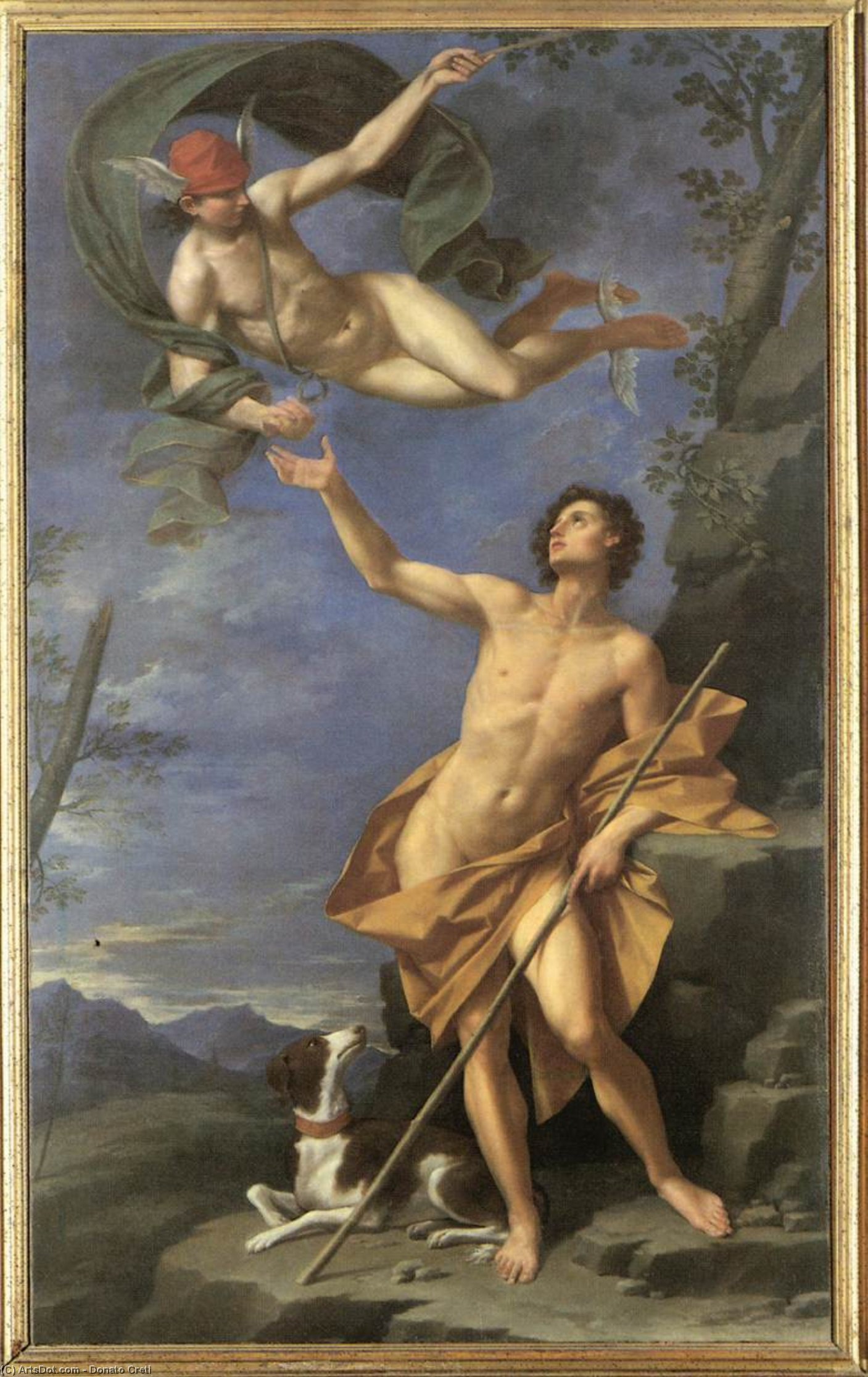
Mercury and Paris
 Oil On Canvas
- WallArt
- Rococo Classicism
 1745
1745- Renaissance
 272.0 x 176.0 cm
 Palazzo d’Accursio
 Weiterlesen
Handgefertigte Ölreproduktion
Handgemaltes Ölgemälde auf Leinwand in Ihrer Wunschgröße und mit Rahmen, auf Bestellung von unseren Künstlern angefertigt. ( Druck bestellen Bild kaufen)




P118B $10

P118H $10

P118W $10

P438Z $10

P508JH $12

P508YH $12

P805H $10

P805Z $10

P919BZ $10

P919G $10

P919XJ $10

P959ZH $10

P968JZ $12

W106C $8

W218G $10

W218JH $8

W218Y $10

W307PJ $10

W316G $10

W316PJ $8

W316Y $10

W398PJ $8

W4111J $10

W500HY $15

W500JH $15

W692G $12

W849H $8

W940BG $15

W953PJ $8




Wählen Sie aus unseren vordefinierten Formaten, die den ursprünglichen Proportionen des Kunstwerks entsprechen.

Sie können Ihre eigenen Maße eingeben, um einen bestimmten Rahmen oder Platz auszufüllen. Wenn die gewählte Größe nicht den Proportionen des Originalbildes entspricht, werden wir das Kunstwerk entweder beschneiden oder das Gemälde durch zusätzliche, handgemalte Elemente erweitern. Ein digitales Mockup wird Ihnen zur Genehmigung zugesandt, bevor die Produktion beginnt.
Bitte beachten Sie, dass die Bildschirmvorschau nicht die tatsächliche Beschneidung oder Erweiterung widerspiegelt. Nur das Mockup zeigt die endgültige Komposition exakt an.
Obwohl Sondermaße verfügbar sind, empfehlen wir, eine Größe aus der vordefinierten Liste zu wählen, um die ursprünglichen Proportionen beizubehalten.
Nach der Bestellung wird das OriginalUniqueArt.com-Team dem Kunden Anweisungen per E-Mail zusenden und eine Mockup-Vorschau bereitstellen.
Weltweiter Versand () in nur 3 bis 4 Wochen statt der üblichen 5 Wochen. (20 August). Keine Kompromisse bei der Qualität.

Kostenloser weltweiter Expressversand

Hochwertige Leinenleinwand

Umfassender Versicherungsschutz beim Versand

Zollgebühren-Rückerstattungsgarantie

Garantie für exakte Farbtreue

60 Tage Rückgaberecht (nur bei Mängeln)

100% Geld-zurück-Garantie

Mengenrabatt verfügbar
 Die Glasoption ist nur für Größen unter 110 cm verfügbar.

Mercury and Paris
Art der Reproduktion
Format der Reproduktion
-


Gesamtpreis
$ 300
Beschreibung des Kunstwerks
Donato Creti’s “Mercury and Paris”: A Dialogue Between Gods and Mortals
- A Masterpiece of 18th-Century Mythology – Donato Creti's "Mercury and Paris," completed in 1745, stands as a remarkable testament to the enduring appeal of classical mythology within the artistic landscape of the Baroque era. Measuring an impressive 272 x 176 cm, this oil on canvas painting, now residing at the Palazzo d’Accursio in Bologna, Italy, offers a captivating glimpse into a pivotal moment – the interaction between the swift-winged messenger god Mercury and Paris, the Trojan prince whose judgment ignited a war.
- Composition and Symbolism: A Carefully Constructed Narrative – Creti masterfully employs composition to guide the viewer’s eye through this scene of negotiation and potential conflict. The natural setting—trees beneath a vibrant blue sky—provides a grounding element, contrasting sharply with the mythological figures who occupy the foreground. Mercury, depicted with his characteristic wings at his feet, embodies speed and divine communication, clutching the caduceus – a symbol of peace and commerce – suggesting an attempt to mediate between the mortal world and the gods. Paris, holding the golden apple, immediately evokes the legendary Judgment of Paris, a narrative laden with themes of beauty, desire, and ultimately, human fallibility.
The Artist’s Vision: Donato Creti and His Bolognese Context
Donato Creti (1671-1749) was a pivotal figure in the artistic transition occurring in Bologna during the mid-18th century. Born in Cremona, he benefited from an early exposure to artistic traditions through his father’s work, initially focusing on architectural depictions before evolving into a painter of significant scale and ambition. His relocation to Bologna proved transformative, immersing him within a vibrant artistic community that fostered experimentation and innovation. Creti's style reflects this dynamic period – retaining elements of Baroque drama while subtly incorporating the emerging formal restraint characteristic of the Rococo and foreshadowing the Neoclassical movement. The painting’s meticulous detail and rich color palette are hallmarks of his skill, demonstrating a deep understanding of both classical aesthetics and contemporary artistic techniques.
Technique and Materials: A Window into 18th-Century Painting
- Oil on Canvas – A Durable Medium – Creti’s choice of oil paint on canvas was standard practice for artists of his time, providing a durable and richly pigmented surface capable of capturing the nuances of light and shadow. The artist's skillful brushwork is evident in the detailed rendering of the figures’ drapery, the texture of the trees, and the reflective quality of the golden apple.
- Color Palette – Richness and Contrast – The painting utilizes a carefully considered color palette dominated by deep blues, golds, and browns, creating a sense of opulence and grandeur. The use of chiaroscuro—the dramatic contrast between light and dark—further enhances the three-dimensional effect and emphasizes the figures’ importance within the composition.
Historical Significance and Emotional Resonance
“Mercury and Paris” is more than just a beautiful painting; it's a window into the cultural values and beliefs of 18th-century Italy. The scene resonates with timeless themes of divine intervention, human judgment, and the consequences of choice. The inclusion of the dog at Paris’s feet adds an unexpected layer of domesticity, subtly reminding us of the vulnerability and earthly concerns that even a legendary figure like Paris must have possessed. This painting continues to captivate viewers with its blend of classical mythology, artistic skill, and emotional depth – a true masterpiece of the era.
Über den Künstler
Donato Creti: Leben und Werk
Frühes Leben und Ausbildung
Donato Creti (geboren am 24. Februar 1671 in Cremona, Italien – gestorben am 31. Januar 1749) war ein bedeutender italienischer Maler der Rokoko-Periode, hauptsächlich in Bologna tätig. Sein Vater, Gioseffo Creti, war ebenfalls Maler, jedoch von geringerer Bekanntheit und spezialisiert auf architektonische Malerei. Die Familie zog früh in das Leben von Donato nach Bologna. Er begann seine künstlerische Ausbildung bei Giorgio Rasparini und wurde später Schüler von Lorenzo Pasinelli, einer bedeutenden Figur, die mit der Bologneser Schule der Malerei verbunden ist, die von Guido Reni stammt.
Künstlerische Entwicklung und Einflüsse
Creti zeichnete sich schnell als begabter Schüler aus und erhielt den Spitznamen ‘ragazzino’ für seine Frühreife. Er profitierte vom Mäzenaturschutz von Conte Alessandro Fava, der ihm Möglichkeiten zur Studien- und Schaffensarbeit verschaffte. Frühe Einflüsse waren die Fresken der Carracci-Brüder und ein potenzieller Besuch in Venedig. Sein Stil entwickelte sich, zeigte zunächst Veronese-inspirierte Theatralik in architektonischen Umgebungen. Er lernte von Pasinelli, entwickelte aber einen einzigartigen Ansatz, der über rein dekorative Elemente hinaus zu einer formaleren, neoklassizistischen Sensibilität hinausging.
Wesentliche Merkmale des Stils Creti
- Akademischer Großstil: Creti's Werk ist durch einen bewussten und raffinierten Ansatz gekennzeichnet, der sich an klassischen Prinzipien orientiert.
- Manneristisches Neoklassizismus: Eine Mischung aus eleganten Formen mit einer etwas stilisierten und präzisen Modellierung von Figuren.
- Mythologische und allegorische Themen: Er stellte häufig Szenen aus der Mythologie und Allegorien dar, oft durchdacht und intellektuell.
- Himmelsbeobachtungen: Eine besondere Eigenheit seines Œuvres ist die Reihe kleiner Leinwände, die Himmelskörper gegen nächtliche Landschaften darstellen.
Wichtige Leistungen und bemerkenswerte Werke
Creti’s wichtigste Leistung liegt in seiner Reihe von Gemälden, die 1711 von Graf Luigi Marsili in Auftrag gegeben wurden. Diese Darstellungen der Sonne, des Mondes, eines Kometen und der fünf bekannten Planeten (Merkur, Venus, Mars, Jupiter, Saturn) sollten ein Geschenk an Papst Clemens XI sein. Ziel war es, die Gründung eines Observatoriums in Bologna zu befürworten – ein Ziel, das letztendlich mit päpstlicher Unterstützung verwirklicht wurde. Jupiter aus dieser Reihe ist besonders bemerkenswert für seine genaue Darstellung des Großen Roten Flecks und mindestens zweier Monde.
Weitere bedeutende Werke umfassen:
- Die Mystische Hochzeit der Heiligen Katharina von Alexandrien
- Allegorischer Grabstein von Joseph Addison
- Artemisia, die die Asche von Mausolus trinkt
Historische Bedeutung und Vermächtnis
Wittkower beschrieb Creti als den “Bologneser Marco Benefial”, der seine Übergänge von den dekorativen Tendenzen des Rokokos zu einem strukturierteren neoklassizistischen Stil hervorhebt. Er spielte eine Rolle bei der Gestaltung der künstlerischen Landschaft Bolognas im 18. Jahrhundert und beeinflusste mehrere Künstler, darunter Aureliano Milani, Francesco Monti und Ercole Graziani the Younger. Seine einzigartige Kombination aus wissenschaftlichem Interesse (demonstriert durch seine astronomischen Gemälde) mit künstlerischer Begabung macht ihn zu einer faszinierenden Figur in der Kunstgeschichte.
Schüler
- Aureliano Milani
- Francesco Monti
- Ercole Graziani the Younger
- Domenico Maria Fratta
- Giuseppe Peroni

Donato Creti
1671 - 1749 , Italien
Kurzinfos
- Artistic Movement Or Style: Rokoko und Neoklassizismus
- Artists Who Influenced This Artist:
- Carracci Brüder
- Lorenzo Pasinelli
- Paolo Veronese
- Date Of Birth: Feb 24, 1671
- Date Of Death: Jan 31, 1749
- Full Name: Donato Creti
- Nationality: Italienisch
- Notable Artworks:
- Jupiter
- Mercury und Paris
- Saint Bernardin
- Astronomische Saturn
- Allegorische Tomb von Joseph Addison
- Place Of Birth: Cremona, Italien
Ähnliche Artikel
The Enduring Legacy of Classicism: Principles, Evolution & Influence in Western Art
Explore the enduring legacy of Classicism in Western art! Discover its historical context, key principles, iconic masterpieces & lasting influence. Learn about Renaissance and Neoclassical movements with OriginalUniqueArt.

Rococo Meisterwerke: Die Top 10, die eine Epoche prägten |
Entdecken Sie die Top 10 Rokoko Meisterwerke von Watteau, Boucher & Fragonard! Erfahren Sie die Geschichten hinter diesen ikonischen Gemälden und lassen Sie sich für Ihre Inneneinrichtung inspirieren. Hochwertige Kunstdrucke auf .

Die 10 Meisterwerke des Neoklassizismus: Kunst für Ihr Zuhause |
Entdecken Sie die 10 Meisterwerke des Neoklassizismus! Von David bis Canova – erleben Sie Kunstgeschichte, elegante Ästhetik & zeitlose Schönheit. Hochwertige Reproduktionen auf .
Echoes of Olympus: Mythological Narratives in Western Art Through the Ages
Explore the captivating history of mythological narratives in Western art! From ancient Greece to modern masterpieces, discover iconic artworks & symbolism. Expert analysis and high-quality reproductions at OriginalUniqueArt.

The Rococo Aesthetic: Opulence, Rebellion & the Pursuit of Pleasure in 18th-Century Art
Explore the opulent world of Rococo art! Discover its origins, key artists like Watteau & Boucher, and lasting influence on design. Expert insights for collectors & enthusiasts.

