

 Versenden
 Teilen
 Details anzeigen

 Herunterladen
 Ähnliche Objekte
 Diashow
An Athlete Wrestling with a Python
 Bronze
- Sculpture
- New Sculpture
 1877
1877 98.0 x 174.0 cm
 Tate Britain
 Weiterlesen
Giclée / Kunstdruck
Giclée- oder Leinwanddruck in Museumsqualität mit schneller Produktion und flexiblen Veredelungsoptionen. ( Handgemalte Reproduktion bestellen Bild kaufen)




































Wählen Sie aus unseren vordefinierten Formaten, die den ursprünglichen Proportionen des Kunstwerks entsprechen.

Sie können Ihre eigenen Maße eingeben, um ein bestimmtes Format oder einen speziellen Platz einzupassen. Wenn das von Ihnen gewählte Format nicht den Proportionen des Originalbildes entspricht, werden wir das Kunstwerk entweder beschneiden oder das Bild mit einem gespiegelten oder einfarbigen Rand erweitern. Ein digitaler Entwurf wird Ihnen zur Genehmigung zugesandt, bevor die Produktion beginnt.
Bitte beachten Sie, dass die Vorschau auf dem Bildschirm nicht den tatsächlichen Zuschnitt oder die Erweiterung widerspiegelt. Nur der Entwurf zeigt die endgültige Komposition präzise an.
Obwohl Sondermaße verfügbar sind, empfehlen wir die Auswahl eines Maßes aus der vordefinierten Liste, um die ursprünglichen Proportionen zu bewahren.
Weltweiter Versand () innerhalb von 2 Wochen statt der üblichen 4/5 Wochen. (29 August)

Kostenloser weltweiter Expressversand

Hochwertige Leinenleinwand

Umfassender Versicherungsschutz beim Versand

Zollgebühren-Rückerstattungsgarantie

Garantie für exakte Farbtreue

60 Tage Rückgaberecht (nur bei Mängeln)

100% Geld-zurück-Garantie

Mengenrabatt verfügbar
 Die Glasoption ist nur für Größen unter 110 cm verfügbar.

An Athlete Wrestling with a Python
Giclée / Kunstdruck
Format der Reproduktion
-


Gesamtpreis
$ 80
The Genesis of a Masterpiece: Frederic Leighton’s ‘An Athlete Wrestling with a Python’
Frederic Leighton's “An Athlete Wrestling with a Python,” completed in 1877, isn’t merely a depiction of physical combat; it’s a profound meditation on the human condition, a dialogue between strength and vulnerability, and a pivotal moment in the evolution of British sculpture. Leighton, deeply influenced by the grandeur of Italian Renaissance art – particularly the meticulous realism and dramatic narratives found in works by Michelangelo – sought to bridge the gap between the idealized forms of classical antiquity and the burgeoning currents of modern artistic expression. This ambitious undertaking marked a deliberate departure from the prevailing academic style, signaling a shift towards a more emotionally resonant and psychologically complex approach to sculpture.
The painting’s subject matter is rooted in both mythology and allegory. The athlete, powerfully rendered with an almost brutal physicality, embodies human determination and resilience. He's not a heroic figure of triumphant conquest, but rather one locked in a desperate struggle – a wrestling match against a serpentine embodiment of primal instinct, temptation, or perhaps even the very forces of nature itself. The python’s coils, meticulously detailed, evoke both danger and a strange, unsettling beauty, hinting at the seductive allure of chaos and the potential for destruction that lies within seemingly harmless forms.
A Sculptural Revolution: Technique and Materials
Leighton's decision to cast “An Athlete Wrestling with a Python” in bronze was revolutionary. Prior to this, monumental sculptures were predominantly executed in marble, offering a cool, enduring permanence that often prioritized formal perfection over emotional depth. Bronze, however, possessed a remarkable capacity for capturing texture and nuance – the glistening scales of the snake, the strained muscles of the athlete, the rough-hewn surface of the base. The artist skillfully employed lost-wax casting, a complex process allowing for intricate detail and a sense of weight and solidity rarely achieved with marble.
The sculpture’s scale – measuring nearly two meters in height – further amplified its impact. It was designed to be viewed in the round, encouraging viewers to contemplate the scene from multiple perspectives and immersing themselves fully within the drama unfolding before them. Leighton's attention to anatomical accuracy, combined with his masterful use of light and shadow, created a remarkably lifelike representation of human form and animal movement – a testament to his rigorous training and artistic vision.
Symbolism and Emotional Resonance
Beyond its literal depiction of a wrestling match, “An Athlete Wrestling with a Python” is laden with symbolic meaning. The struggle can be interpreted as a metaphor for the challenges inherent in life—the constant battles we face against our own weaknesses, external obstacles, or even our darker impulses. The athlete’s determined expression conveys not just physical strength but also an underlying sense of vulnerability and resolve. The coiled python, often associated with wisdom and healing in ancient traditions, here represents a force that threatens to overwhelm the individual, demanding courage and perseverance to overcome.
Furthermore, the sculpture's placement on a rectangular base adorned with carved details resembling waves or rocks subtly reinforces this theme of struggle against nature. It’s a visual reminder of humanity’s ongoing interaction with the wild, untamed forces that shape our world. The work’s emotional impact is profound—a captivating blend of tension, drama, and ultimately, a celebration of human spirit.
A Legacy in Bronze: Clare Leighton's Vision
The sculpture was created by Clare Leighton, who was the daughter of Robert Leighton (author) and Marie Connor Leighton (author). She studied at Brighton College of Art and later trained at the Slade School of Fine Art and Central School of Arts and Crafts. Her artistic career spanned decades, during which she produced a wealth of wood engravings depicting rural life and social themes. Leighton’s work is characterized by its meticulous detail, evocative storytelling, and profound empathy for her subjects. “An Athlete Wrestling with a Python” stands as a testament to her exceptional talent and her ability to capture the essence of human experience through art.
Über den Künstler
Frühes Leben und Ausbildung
- Geboren: 12. April 1898, London, Vereinigtes Königreich
- Gestorben: 4. November 1989
- Eltern: Robert Leighton (Autor) und Marie Connor Leighton (Autorin)
- Frühzeitige künstlerische Förderung durch ihren Vater und ihren Onkel Jack Leighton.
- Studium am Brighton College of Art (1915).
- Ausbildung an der Slade School of Fine Art (1921–1923) und der Central School of Arts and Crafts, wobei sie den Holzstich unter Noel Rooke studierte.
Künstlerische Karriere und Entwicklung
- Entwicklung einer tiefen Verbundenheit mit der Darstellung des ländlichen Lebens und der Würde der Arbeit durch Skizzenreisen in Europa.
- Besuche in den Vereinigten Staaten im Rahmen von Vortragsreisen während der 1920er und 1930er Jahre, was schließlich zur Emigration im Jahr 1939 führte.
- Erwerb der US-Staatsbürgerschaft im Jahr 1945.
- Verleihung des Mr. and Mrs. Frank G. Logan First Prize ($100) durch das Art Institute of Chicago im Jahr 1930.
- Freundschaft mit H.L. Mencken während ihrer Zeit in Baltimore.
- Bekannt für ihre Holzstiche, die ländliche Szenen, Landwirtschaft und soziale Themen darstellen.
- Entwurf von Designs für Steuben Glass und Wedgwood-Teller.
Hauptwerke und bedeutende Errungenschaften
- Holzstiche: Hochgeschätzt für ihre Detailgenauigkeit und die Darstellung des Lebens der Arbeiterklasse.
- The Farmer’s Year (193eb): Ein Kalender der englischen Landwirtschaft, der ländliche Abläufe zeigt.
- Four Hedges – A Gardener's Chronicle (1935): Dokumentation der Entwicklung eines Gartens in den Chilterns.
- Tempestuous Petticoat: The Story of an Invincible Edwardian (1948): Ein autobiografisches Werk über ihre Mutter.
- Illustrierte Ausgabe von Thornton Wilders The Bridge of San Luis Rey, bestehend aus sechzehn Holzschnitten.
- Entwürfe für Buntglasfenster in Kirchen und im Worcester Cathedral.
Einflüsse und historische Bedeutung
- Einflüsse: Die Ermutigung ihres Vaters und Onkels förderte ihre frühe künstlerische Entwicklung. Beobachtungen des ländlichen Lebens während ihrer Europareisen prägten ihre Sujets.
- Sozialer Realismus: Ihr Werk spiegelt die Bewegung des sozialen Realismus wider, indem sie Individuen der Arbeiterklasse mit Würde und Respekt darstellt.
- Technik des Holzstichs: Sie meisterte den Holzstich, eine Technik, die äußerst feine Details und präzise Linien in ihren Drucken ermöglichte.
- Feministische Perspektive: Tempestuous Petticoat bietet eine einzigartige Perspektive auf die edwardianische Gesellschaft durch die Linse weiblicher Erfahrungen.
- Vermächtnis: Anerkannt als bedeutende Figur der britischen und amerikanischen Kunst, insbesondere für ihre Beiträge zum Holzstich und zur sozialen Kommentierung durch die Kunst. Ihr Werk wird bis heute ausgestellt und studiert.
Weitere Informationen
- Wood-Engraving and Woodcuts: Das erste Buch über den Holzstich, das von einer Frau verfasst wurde.
- Ausgestellt im National Museum of Women in the Arts.
- Arbeiten vertreten in der Ausstellung „Print and Prejudice: Women Printmakers, 1700-1930“ im Victoria and Albert Museum.

Clare Leighton
1898 - 1989 , Vereinigtes Königreich
Kurzinfos
- Artistic Movement Or Style: Holzschnitt, Illustration
- Date Of Birth: 12. April 1898
- Date Of Death: 1989
- Full Name: Clare Veronica Hope Leighton
- Nationality: Britisch-Amerikanisch
- Notable Artworks:
- Loading (Canadian Lumber Camp)
- Cotton Pickers (Southern Harvest)
- Place Of Birth: London, Vereinigtes Königreich
Ähnliche Artikel

Die 10 legendärsten Bronzestatuen: Meisterwerke, die Kunstgeschichte schrieben | OriginalUniqueArt
Entdecken Sie die 10 legendärsten Bronzestatuen der Kunstgeschichte! Von Rodin bis Michelangelo – erfahren Sie die Geschichten hinter ikonischen Skulpturen und finden Sie hochwertige Reproduktionen für Ihr Zuhause. Jetzt bei OriginalUniqueArt entdecken!

Bronze-Meisterwerke: Die 10 Skulpturen, die Kunstgeschichte schrieben | OriginalUniqueArt
Entdecken Sie die 10 legendärsten Bronze Skulpturen der Kunstgeschichte! Von Michelangelo bis Rodin – erfahren Sie die Geschichten hinter den Meisterwerken und lassen Sie sich von Wanddeko-Ideen inspirieren. Hochwertige Kunstdrucke auf OriginalUniqueArt.com.

The Enduring Legacy of Bronze: A Historical & Artistic Exploration for the Collector
Explore the rich history & enduring appeal of bronze sculpture with expert insights for collectors at OriginalUniqueArt. Learn about casting techniques, iconic artists, collecting tips & contemporary interpretations.

The Enduring Legacy of Bronze: History, Technique & Artistic Expression for the Collector
Explore the rich history & enduring appeal of bronze sculpture with expert insights for collectors at OriginalUniqueArt. Learn about casting techniques, iconic artists, and collecting tips.
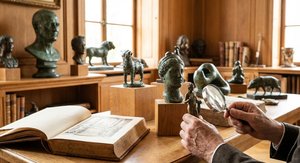
The Enduring Legacy of Bronze Sculpture: A Collector's Guide to Form & Cultural Significance
Explore the rich history & enduring appeal of bronze sculpture with expert insights for collectors at OriginalUniqueArt. Learn about casting techniques, iconic artists, and collecting tips to build a discerning art collection.


