
![Landscape At Céret [paysage À Céret] — Chaim Soutine](/media/artworks/images-full/35/5a/355a615cc0de7aff615dd914cfa996d2.jpg)
 In echtem Maßstab anzeigen
 Versenden als Grußkarte
 Teilen
 Details anzeigen
 Leitfaden öffnen

 Herunterladen
 Ähnliche Objekte
 Röntgenaufnahme
 Diashow
 Besucherstatistiken
Landscape at Céret [Paysage à Céret]
 Acrylic On Canvas
- WallArt
- Expressionism
 1922
1922- Modern
 79.0 x 87.0 cm
 Nagoya City Art Museum
 Mehr anzeigen
Handgefertigte Ölreproduktion
Handgemaltes Ölgemälde auf Leinwand in Ihrer Wunschgröße und mit Rahmen, auf Bestellung von unseren Künstlern angefertigt. ( Zum Druck wechseln Zum digitalen Bild wechseln)




P118B €10

P118H €10

P118W €10

P438Z €10

P508JH €12

P508YH €12

P805H €10

P805Z €10

P919BZ €10

P919G €10

P919XJ €10

P959ZH €10

P968JZ €12

W106C €8

W218G €10

W218JH €8

W218Y €10

W307PJ €10

W316G €10

W316PJ €8

W316Y €10

W398PJ €8

W4111J €10

W500HY €15

W500JH €15

W692G €12

W849H €8

W940BG €15

W953PJ €8




Wählen Sie aus unseren vordefinierten Formaten, die den ursprünglichen Proportionen des Kunstwerks entsprechen.

Geben Sie die Breite und die Höhe an, die Sie für Ihren Rahmen oder Ihre Wand benötigen. Da dieses Werk handgemalt ist, kann der Künstler bei einer anderen Form etwas mehr um das Bild herum malen oder etwas abschneiden – Sie entscheiden. Wir senden Ihnen ein digitales Mockup zur Freigabe, bevor mit dem Malen begonnen wird. Das auf dieser Seite gezeigte Bild stellt nicht das tatsächliche Ergebnis dar – dies tut nur das Mockup.
Nach der Bestellung wird das OriginalUniqueArt.com-Team dem Kunden Anweisungen per E-Mail zusenden und eine Mockup-Vorschau bereitstellen.
Weltweiter Versand () in nur 3 bis 4 Wochen statt der üblichen 5 Wochen. (23 Oktober). Keine Kompromisse bei der Qualität.

Kostenloser weltweiter Expressversand

Hochwertige Leinenleinwand

Vollständiger Versicherungsschutz beim Versand

Zollgebühren-Rückerstattungsgarantie

Garantie für exakte Farbtreue

100-tägiges Rückgaberecht (nur bei Mängeln)

100% Geld-zurück-Garantie

Angebot für Mengenrabatt
 Die Glasoption ist nur für Größen unter 110 cm verfügbar.
![Landscape at Céret [Paysage à Céret]](/static/images/originaluniqueart/artworks/painting.a1e74a1cb7dc.png)
Landscape at Céret [Paysage à Céret]
Reproduktionsmedium
Format der Reproduktion
-


Gesamtpreis
€ 264
Landscape at Céret by Chaim Soutine: A Vision of Turbulent Beauty
Chaim Soutine’s “Landscape at Céret” is more than just a depiction of a Pyrenean hillside; it's a visceral expression of the artist’s inner turmoil and a testament to his singular artistic vision. Painted in 1922, during a pivotal period of his career, this work embodies the raw emotion that would come to define Soutine’s oeuvre – a style characterized by intensely expressive brushwork, distorted forms, and a profound engagement with the psychological landscape.
- Subject Matter: The painting presents a dramatic mountain scene dominated by gnarled trees ablaze with autumnal hues. A small village nestles amongst the foliage, adding a touch of human presence to the otherwise imposing natural world.
- Historical Context: Soutine’s time in Céret was profoundly influential. Following World War I, he sought refuge and creative renewal in this region, a place already associated with artistic innovation – notably, the Cubist explorations of Picasso and Braque. His relationship with art dealer Zachari Zborowski proved crucial to his success, providing both support and access to the Parisian art market.
A Style Forged in Emotion: Soutine’s Technique
Soutine's technique is immediately arresting. He employs a dynamic, almost violent brushstroke – thick impasto applied with a frenetic energy that seems to capture the very essence of movement and instability. The trees aren’t rendered realistically; instead, they are monumentalized, their branches twisting and reaching like tormented limbs. This distortion isn't merely stylistic; it reflects Soutine’s emotional state, his struggle to reconcile beauty with suffering.
- Impasto Technique: The heavy application of paint (impasto) creates a tactile surface, inviting the viewer to engage physically with the artwork.
- Color Palette: Dominated by yellows, ochres, and browns, the color palette evokes a sense of heat, intensity, and perhaps even decay – mirroring the themes of mortality and transformation often present in Soutine’s work.
- Brushwork: The swirling, directional brushstrokes create a powerful sense of movement and energy, drawing the eye across the canvas and contributing to the painting's overall feeling of unease.
Symbolism and Emotional Resonance
"Landscape at Céret" is laden with symbolic weight. The towering trees can be interpreted as representing both strength and vulnerability, while the solitary figure gazing out towards the viewer suggests a sense of isolation and contemplation. The chaotic arrangement of elements – the distorted forms, the intense colors – reflects Soutine’s own psychological state, hinting at the anxieties and uncertainties that permeated his life. The painting speaks to themes of memory, loss, and the struggle for meaning in a world often perceived as hostile or absurd.
- Interpretation: The scene can be seen as a reflection of Soutine's own emotional landscape – turbulent, passionate, and deeply personal.
- Human Element: The presence of the figure adds another layer of complexity, inviting viewers to consider their own relationship with nature and the act of observation.
Dimensions & Details
This exceptional reproduction captures every nuance of Soutine’s original masterpiece. The dimensions are 79 x 87 cm (31 ¼ x 34 ¼ inches), making it suitable for a variety of interior spaces. Produced using high-quality materials, this hand-painted reproduction offers an authentic representation of this iconic work, ensuring that its beauty and emotional power will be enjoyed for generations to come.
Fragen & Antworten
Welche Sättigung und Intensität weist "Landscape at Céret [Paysage à Céret]" von Chaim Soutine auf?
Die Farben von "Landscape at Céret [Paysage à Céret]" von Chaim Soutine weisen eine Subtle Color Sättigung mit einer Balanced Intensität auf.
Um welche Art von Kunstwerk handelt es sich bei "Landscape at Céret [Paysage à Céret]"?
"Landscape at Céret [Paysage à Céret]" von Chaim Soutine wird als WallArt klassifiziert. Die Kategorie beschreibt die Art des Kunstwerks, um das es sich beim Original handelt.
Aus welcher historischen Epoche stammt "Landscape at Céret [Paysage à Céret]" von Chaim Soutine?
Die historische Epoche von "Landscape at Céret [Paysage à Céret]" von Chaim Soutine ist Modern. Diese Klassifizierung ordnet das Werk kunsthistorisch ein.
Biografie des Künstlers
Frühes Leben und Ausbildung
- Geburt und Ursprünge: Chaim Soutine wurde am 13. Januar 1893 in Smilovichi, Russland (heute Belarus) geboren.
- Familienhintergrund: Er war das zehnte von elf Kindern einer armen jüdischen Familie. Seine frühen Jahre waren von Entbehrungen geprägt und seine Beziehung zu seinen Eltern war komplex.
- Frühes künstlerisches Talent: Trotz Einschränkungen bei der Darstellung menschlicher Figuren in seiner orthodoxen Gemeinde zeigte Soutine früh ein Talent zum Zeichnen.
- Formale Ausbildung: Von 1910 bis 1913 studierte er an einer kleinen Kunstakademie in Wilna (heute Vilnius, Litauen).
- Umzug nach Paris: Im Jahr 1913 wanderte Soutine nach Paris aus, ein entscheidender Moment, der seine künstlerische Entwicklung prägte. Er schrieb sich an der École des Beaux-Arts ein und studierte unter Fernand Cormon.
Künstlerischer Stil und Einflüsse
- Expressionistische Tendenzen: Obwohl er oft als Expressionist eingeordnet wird, war Soutines Stil einzigartig und verband Elemente der traditionellen europäischen Malerei mit einer rohen emotionalen Intensität.
- Einflüsse: Er ließ sich von Meistern wie Rembrandt, Chardin und Courbet inspirieren, interpretierte ihre Themen aber auf seine eigene Weise neu.
- Wesentliche Merkmale: Seine Arbeit zeichnet sich durch kräftige Farben, dicken Impasto (texturierte Farbauftragung), unruhigen Pinselstrich und einen Fokus auf emotionale Erfahrung statt präzise Darstellung aus.
- Themenwahl: Soutine stellte häufig Landschaften, Porträts und Stillleben dar, die oft von einem Gefühl der Beklommenheit oder psychischen Spannung durchdrungen waren. Wiederkehrende Themen waren Lebensmittel und Tiere, die seine persönlichen Erfahrungen und sein jüdisches Erbe widerspiegelten.
Entwicklung und Hauptwerke
- Frühe Pariser Zeit (1913-1917): Während er finanziell kämpfte, lebte Soutine in Armut, während er seinen unverwechselbaren Stil entwickelte.
- Céret-Zeit (1919-1922): Eine entscheidende Periode, in der er viele seiner bekanntesten Landschaftsbilder schuf, die durch leuchtende Farben und verzerrte Formen gekennzeichnet sind. Bemerkenswerte Werke aus dieser Zeit sind verschiedene Darstellungen von Bäumen, Klippen und Feldern in der Region Céret.
- Porträts: Soutines Porträts zeichnen sich durch ihre Intensität und psychologische Tiefe aus. Er stellte oft Angehörige der Arbeiterklasse mit einer rohen Ehrlichkeit dar, die herkömmliche Porträtmalerei herausforderte.
- Stillleben: Seine Stillleben, die Anordnungen von Lebensmitteln und Gegenständen zeigen, vermitteln ein Gefühl von Vitalität und manchmal auch eine beunruhigende Energie.
- Bemerkenswerte Werke: Studie für den Tanz des Lebens (Lehmbruck Museum), verschiedene Landschaften aus Céret, Porträts russischer Emigranten in Paris.
Anerkennung und Vermächtnis
- Verbindung zur Schule von Paris: Soutine war Teil der Schule von Paris, einer Gruppe von Künstlern, die während des frühen 20. Jahrhunderts in Paris arbeiteten und verschiedene Stile und Ansätze in der Kunst erforschten.
- Unterstützung durch Leopold Zborowski: Der Kunsthändler Leopold Zborowski spielte eine entscheidende Rolle bei der Förderung von Soutines Werk und der Sicherung seiner finanziellen Stabilität.
- Kritische Rezeption: Obwohl er zunächst gemischte Kritiken erhielt, wuchs Soutines Ruf im Laufe der Zeit stetig.
- Einfluss auf spätere Künstler: Seine expressive Verwendung von Farbe und emotionale Intensität beeinflusste tiefgreifend spätere Künstler, darunter Willem de Kooning und Francis Bacon.
- Posthume Anerkennung: Heute gilt Chaim Soutine als eine wichtige Figur des Expressionismus und ein bedeutender Beitrag zur Kunst des 20. Jahrhunderts. Seine Werke befinden sich in renommierten Museen auf der ganzen Welt.
Historische Bedeutung
- Brücke zwischen Tradition und Moderne: Soutines Werk stellt eine Brücke zwischen traditionellen europäischen Maltechniken und den aufkommenden Formen des abstrakten Expressionismus dar.
- Erforschung von Emotionen und Subjektivität: Er priorisierte emotionale Ausdruckskraft gegenüber objektiver Darstellung und trug so zu einer Verlagerung in der Kunst hin zur größeren Subjektivität bei.
- Einzigartige Stimme innerhalb des Expressionismus: Obwohl er mit dem Expressionismus assoziiert wird, entwickelte Soutine eine einzigartige künstlerische Stimme, die typische expressionistische Themen und Anliegen überstieg.
- Auswirkungen auf nachfolgende künstlerische Bewegungen: Seine innovative Verwendung von Farbe und sein ausdrucksstarker Stil ebneten den Weg für spätere Entwicklungen im abstrakten Expressionismus und anderen Bewegungen.

Chaim Soutine
1894 - 1943 , Russland
Eckdaten zum Künstler
- Beeinflusste Künstler:
- Rembrandt
- Chardin
- Courbet
- Bemerkenswerte Werke: ['Studie für den Tanz des Lebens']
- Geburtsdatum: 13. Januar 1893
- Geburtsort: Smilovichi, Russland
- Künstlerische Richtung: Expressionismus
- Nationalität: Französisch
- Todatum: August 1943
- Vollständiger Name: Chaim Soutine
- Von Künstlern Beeinflusst: ['Goya']
Verwandte Artikel

Evocations of Place: A Historical Journey Through Landscape Art
Explore the rich history of landscape art with OriginalUniqueArt. Discover renowned artists, movements like Impressionism & Romanticism, and expert guidance for collecting timeless pieces. Find your perfect serene escape today!
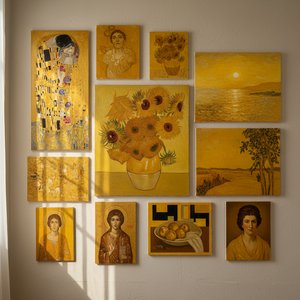
Die Top 10 berühmter Gemälde im Gelbocherton – Kunst für Ihr Zuhause |
Entdecken Sie die Top 10 berühmter Gemälde, dominiert von warmen Gelbochtönen! Von Van Gogh bis Monet – erfahren Sie die Geschichten hinter den Meisterwerken und lassen Sie sich für Ihre Wohnraumgestaltung inspirieren. Hochwertige Kunstdrucke auf

Romantische Landschaften: Die 10 Meisterwerke, die eine Epoche prägten | OriginalUniqueArt
Entdecken Sie die 10 Meisterwerke der Romantischen Landschaftsmalerei! Von Caspar David Friedrich bis Turner – erleben Sie die Kunst, Emotion & Natur. Hochwertige Reproduktionen auf OriginalUniqueArt.com

Evocations of Place: A Historical Journey Through Landscape Art
Explore the rich history of landscape art with OriginalUniqueArt. Discover renowned artists, movements like Impressionism & tonalism, and expert guidance for collecting timeless pieces. Find your perfect serene escape today!

John Constable: Die 25 Meisterwerke des englischen Landschaftsgenies – OriginalUniqueArt
Entdecken Sie die 25 Meisterwerke von John Constable! Erleben Sie englische Landschaftsmalerei vom Hay Wain bis zur Stour Valley. Hochwertige Reproduktionen & Kunst für Ihr Zuhause auf OriginalUniqueArt.com.


![Bauernmädchen [La Fille de Ferme]](/media/artworks/images-thumb/f7/ec/f7ec22076278b277518a6b65501fcf55.jpg)