In echtem Maßstab anzeigen
 Versenden als Grußkarte
 Teilen
 Details anzeigen
 Leitfaden öffnen

 Herunterladen
 Ähnliche Objekte
 Röntgenaufnahme
 Diashow
 Besucherstatistiken
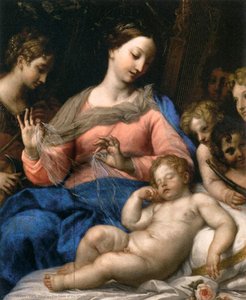
Maria Immaculata
 Oil On Canvas
- WallArt
- Baroque Classicizing Style
 1688
1688 181.0 x 128.0 cm
 Bilderausstellung Sanssouci
 Mehr anzeigen
Giclée / Kunstdruck
Giclée- oder Leinwanddruck in Museumsqualität mit schneller Produktion und flexiblen Veredelungsoptionen. ( Handgemalte Reproduktion kaufen Zum digitalen Bild wechseln)




P118B €10

P118H €10

P118W €10

P438Z €10

P508JH €12

P508YH €12

P805H €10

P805Z €10

P919BZ €10

P919G €10

P919XJ €10

P959ZH €10

P968JZ €12

W106C €8

W218G €10

W218JH €8

W218Y €10

W307PJ €10

W316G €10

W316PJ €8

W316Y €10

W398PJ €8

W4111J €10

W500HY €15

W500JH €15

W692G €12

W849H €8

W940BG €15

W953PJ €8




Wählen Sie aus unseren vordefinierten Formaten, die den ursprünglichen Proportionen des Kunstwerks entsprechen.

Geben Sie die Breite und die Höhe an, die Sie benötigen, damit der Druck perfekt in Ihren Rahmen oder an Ihre Wand passt. Ein Druck kann nur beschnitten werden und niemals größer als das Originalbild gemacht werden; daher verliert ein Format mit einer anderen Proportion einen Teil des Bildes. Wir senden Ihnen ein digitales Mockup zur Freigabe, bevor wir den Druck ausführen. Das auf dieser Seite gezeigte Bild zeigt nicht den tatsächlichen Beschnitt – dies ist nur im Mockup ersichtlich.
Weltweiter Versand () innerhalb von 2 Wochen statt der üblichen 4/5 Wochen. (23 Oktober)

Kostenloser weltweiter Expressversand

Hochwertige Leinenleinwand

Vollständiger Versicherungsschutz beim Versand

Zollgebühren-Rückerstattungsgarantie

Garantie für exakte Farbtreue

100-tägiges Rückgaberecht (nur bei Mängeln)

100% Geld-zurück-Garantie

Angebot für Mengenrabatt
 Die Glasoption ist nur für Größen unter 110 cm verfügbar.

Maria Immaculata
Giclée / Kunstdruck
Format der Reproduktion
-


Gesamtpreis
€ 70
A Divine Embrace: Exploring the Baroque Majesty of Maria Immaculata
Carlo Maratta’s “Maria Immaculata,” painted in 1688, isn't merely a depiction of the Virgin Mary; it’s a carefully constructed tableau of faith, grace, and the burgeoning classical ideals of the late Baroque period. The painting immediately draws the viewer into a scene brimming with serene beauty – a testament to Maratta’s mastery of light, composition, and his deep understanding of religious iconography. The work transcends simple portraiture, offering a glimpse into a world where divine presence is palpable, inviting contemplation on themes of motherhood, purity, and spiritual devotion.
Maratta, a pivotal figure in Roman art after the Mannerist style, skillfully blended the emotional intensity of the Baroque with a newfound emphasis on clarity and balance. He was deeply influenced by Andrea Sacchi, his mentor, who instilled within him a reverence for classical forms and a restraint that tempered the dramatic flourishes characteristic of earlier Baroque painters. This influence is evident in “Maria Immaculata” – the figures are rendered with elegant poise, their gestures refined and harmonious, creating an atmosphere of dignified serenity. The color palette is rich yet controlled, dominated by deep blues and golds, evoking a sense of majesty and spiritual depth.
- Subject & Composition: At the heart of the painting stands Mary, presented as a figure of profound grace and maternal tenderness. She cradles the infant Jesus, his face radiating an innocent beauty. Surrounding them are a host of angels – one hovering above her head, another descending from the heavens, and two more positioned on either side, acting as silent witnesses to this sacred moment. The composition is meticulously balanced, drawing the eye towards Mary’s central position while subtly guiding it through the intricate arrangement of figures and architectural elements.
- Technique & Style: Maratta's brushwork is remarkably smooth and polished, indicative of his meticulous attention to detail. He employs sfumato – a technique borrowed from Leonardo da Vinci – to soften edges and create an ethereal quality, particularly around Mary’s face and the infant Jesus. The use of gold leaf adds a luminous sheen to the garments and halos, further enhancing the painting's sense of grandeur.
- Historical Context: Painted in 1688, “Maria Immaculata” reflects the Counter-Reformation’s emphasis on religious art as a tool for spiritual instruction and inspiration. The Catholic Church actively commissioned artworks that reinforced its doctrines and promoted piety among the faithful. The depiction of Mary as Immaculate – signifying her sinless conception – was a key theological concept during this period, emphasizing her unique role in salvation history.
Symbolism Woven into Sacred Space
Beyond its immediate beauty, “Maria Immaculata” is laden with symbolic meaning. The angels themselves represent divine messengers and protectors, embodying the grace and guidance offered by God’s presence. Mary's pose – her hand gently shielding the infant Jesus – symbolizes protection, nurturing, and the safeguarding of faith. The architectural setting, though somewhat simplified, evokes a sense of heavenly space, suggesting the sacredness of this encounter. The inclusion of light is particularly significant; it emanates from Mary and the Christ Child, illuminating the scene and symbolizing divine grace.
Notably, the painting’s composition echoes classical ideals of harmony and proportion, reflecting Maratta's commitment to a refined aesthetic rooted in antiquity. The arrangement of figures creates a pyramidal structure, a compositional device frequently employed by Renaissance artists to convey stability and balance.A Legacy of Baroque Elegance
Carlo Maratta’s “Maria Immaculata” stands as a remarkable example of the Roman Baroque at its most refined. It showcases his ability to seamlessly blend technical mastery with profound spiritual insight, creating an artwork that continues to resonate with viewers centuries later. The painting's enduring appeal lies not only in its aesthetic beauty but also in its capacity to evoke feelings of reverence, peace, and a deep connection to the timeless themes of faith and motherhood. Reproductions of this masterpiece offer a chance to bring this serene vision into any space, fostering contemplation and reminding us of the profound beauty found within religious art.
Further Research: For more information about Carlo Maratta and “Maria Immaculata,” explore resources such as the OriginalUniqueArt website (https://OriginalUniqueArt.com/carlo-maratta-maria-immaculata) and Wikipedia’s entry on Carlo Maratta (https://en.wikipedia.org/wiki/Carlo_Maratta).
Fragen & Antworten
Welcher Phase der Karriere von Carlo Maratta ist „Maria Immaculata“ (1688) zuzuordnen?
Die Datierung auf 1688 ordnet „Maria Immaculata“ der Late Baroque von Carlo Marattas künstlerischer Entwicklung zu.
Welche Atmosphäre vermittelt "Maria Immaculata"?
Die allgemeine Stimmung von "Maria Immaculata" von Carlo Maratta ist Calm. Die Stimmung beschreibt die allgemeine Atmosphäre des Werkes.
Für welchen Raum wird "Maria Immaculata" von Carlo Maratta aufgrund seiner Farben empfohlen?
Angesichts seiner Earthy Farben wird „Maria Immaculata“ für ein Living Room empfohlen.
Biografie des Künstlers
Frühes Leben und Ausbildung
Carlo Maratta, ein bedeutender italienischer Maler, wurde am 15. Mai 1625 in Camerano, Kirchenstaat (heute Italien), geboren. Im Alter von 11 Jahren zog er nach Rom, wo er in der Werkstatt von Andrea Sacchi Lehrling wurde. Dies markierte den Beginn seiner künstlerischen Reise, die ihn schließlich zu einer führenden Figur der römischen Malerschule machen sollte.Künstlerischer Stil und Einflüsse
Marattas Gemälde zeichnen sich durch einen klassisierenden Stil aus, ausgeführt in einer späten barocken klassischen Manier. Obwohl er Teil der klassischen Tradition war, die von Raffael ausgeht, war er nicht frei von dem Einfluss der Barockmalerei, insbesondere bei seiner Farbgebung. Sein Zeitgenosse und Freund, Giovanni Bellori, verfasste eine frühe Biographie über Maratta und hob seinen einzigartigen künstlerischen Ansatz hervor.Wichtige Werke und Aufträge
Zu Marattas bemerkenswertesten Werken gehören:- Die Verkündigung (1656) für Santa Maria della Pace, die seine Meisterschaft von Licht und Bewegung zeigt.
- Das Geheimnis der Dreifaltigkeit, das St. Augustinus offenbart wurde (ca. 1655), das seine Fähigkeit demonstriert, klassische Ideale mit barocken Elementen in Einklang zu bringen.
- Das Erscheinen der Jungfrau vor St. Philipp Neri (ca. 1675), jetzt im Palazzo Pitti in Florenz, was sein begabtes Verständnis des Themas veranschaulicht.
Karriere und Ehrungen
Marattas künstlerische Karriere umfasste über sechs Jahrzehnte, während derer er zahlreiche Aufträge von bedeutenden Mäzenen erhielt, darunter sechs Päpste. Er wurde von Innozenz XI. zum Surintendent des chambres du Vatican ernannt und beauftragt, die Fresken von Raffael im Vatikan zwischen 1702 und 1703 zu restaurieren. Marattas Vermächtnis als Meister der späten barocken klassischen Manier wird durch seine Werke fortgesetzt, die sich in verschiedenen Museen befinden, darunter auch auf OriginalUniqueArt.com.- Betrachten Sie Marattas Kunstwerke auf OriginalUniqueArt: Carlo Marattas Kunstwerke
- Lesen Sie mehr über Marattas Leben und Werk auf Wikipedia: Carlo Maratta - Wikipedia
Wichtige Daten
1625: Geburt in Camerano, Kirchenstaat (heute Italien) 1636: Umzug nach Rom und Lehrling bei Andrea Sacchi 1713: Verstarb in Rom und hinterließ ein Erbe klassisierender Gemälde
Carlo Maratta
1625 - 1713 , Italien
Eckdaten zum Künstler
- Beeinflusste Künstler:
- Andrea Sacchi
- Raffael
- Annibale Carracci
- Bemerkenswerte Werke:
- Die Bewilderung
- Das Geheimnis der Dreifaltigkeit
- Erscheinung der Jungfrau
- Geburtsdatum: 15. Mai 1625
- Geburtsort: Camerano, Italien
- Künstlerische Bewegung: Spätbarock, Klassizismus
- Nationalität: Italienisch
- Sterbedatum: 1713
- Vollständiger Name: Carlo Maratta
Verwandte Artikel

The Dramatic Flourish: Exploring the Baroque Movement's Enduring Legacy in Art History
Explore the dramatic world of Baroque art! Discover iconic artists like Caravaggio & Rubens, defining techniques, and its lasting impact on art history. Expert insights for collectors & enthusiasts at OriginalUniqueArt.

Baroque Classicism: The Grandeur of Order and Drama in 17th-Century Art History
Explore the profound elegance of Baroque Classicism. Discover how 17th-century masters synthesized dramatic emotion with classical order through the lens of the Counter-Reformation and the works of legends like Carlo Maratta and Andrea Sacchi.

Barocke Pracht: Wie Sie Opulenz und Emotionen in zeitgenössische Innenräume bringen
Entdecken Sie die Pracht des Barock! Expertenratgeber für luxuriöse Innenräume mit barocken Elementen. Inspiration, Tipps & hochwertige Kunst bei .

The Visceral Stage: Exploring Dramatic Narratives & Emotional Intensity in Baroque Art
Explore the dramatic world of Baroque art! Discover iconic masters like Caravaggio & Rembrandt, their techniques, and the movement's lasting impact. Expert insights for collectors & enthusiasts at OriginalUniqueArt.

Barock Meisterwerke: Die 10 prägendsten Kunstwerke für Ihr Zuhause |
Entdecken Sie die 10 prägendsten Meisterwerke des Barock! Caravaggio, Rembrandt & Co. – Erfahren Sie die Geschichten hinter ikonischen Gemälde und finden Sie hochwertige Kunst Reproduktionen für Ihr Zuhause auf .