

 In echtem Maßstab anzeigen
 Versenden als Grußkarte
 Teilen
 Details anzeigen
 Leitfaden öffnen

 Herunterladen
 Ähnliche Objekte
 Röntgenaufnahme
 Diashow
 Besucherstatistiken
Title in Swedish: Midvinterblot
 Acryl auf Leinwand
- Wandkunst
- Art Nouveau
 1915
1915- 19. Jahrhundert
 13600.0 x 6400.0 cm
 Nationalmuseum
 Mehr anzeigen
Handgefertigte Ölreproduktion
Handgemaltes Ölgemälde auf Leinwand in Ihrer Wunschgröße und mit Rahmen, auf Bestellung von unseren Künstlern angefertigt. ( Zum Druck wechseln Zum digitalen Bild wechseln)




P118B €10

P118H €10

P118W €10

P438Z €10

P508JH €12

P508YH €12

P805H €10

P805Z €10

P919BZ €10

P919G €10

P919XJ €10

P959ZH €10

P968JZ €12

W106C €8

W218G €10

W218JH €8

W218Y €10

W307PJ €10

W316G €10

W316PJ €8

W316Y €10

W398PJ €8

W4111J €10

W500HY €15

W500JH €15

W692G €12

W849H €8

W940BG €15

W953PJ €8




Wählen Sie aus unseren vordefinierten Formaten, die den ursprünglichen Proportionen des Kunstwerks entsprechen.

Geben Sie die Breite und die Höhe an, die Sie für Ihren Rahmen oder Ihre Wand benötigen. Da dieses Werk handgemalt ist, kann der Künstler bei einer anderen Form etwas mehr um das Bild herum malen oder etwas abschneiden – Sie entscheiden. Wir senden Ihnen ein digitales Mockup zur Freigabe, bevor mit dem Malen begonnen wird. Das auf dieser Seite gezeigte Bild stellt nicht das tatsächliche Ergebnis dar – dies tut nur das Mockup.
Nach der Bestellung wird das OriginalUniqueArt.com-Team dem Kunden Anweisungen per E-Mail zusenden und eine Mockup-Vorschau bereitstellen.
Weltweiter Versand () in nur 3 bis 4 Wochen statt der üblichen 5 Wochen. (23 Oktober). Keine Kompromisse bei der Qualität.

Kostenloser weltweiter Expressversand

Hochwertige Leinenleinwand

Vollständiger Versicherungsschutz beim Versand

Zollgebühren-Rückerstattungsgarantie

Garantie für exakte Farbtreue

100-tägiges Rückgaberecht (nur bei Mängeln)

100% Geld-zurück-Garantie

Angebot für Mengenrabatt
 Die Glasoption ist nur für Größen unter 110 cm verfügbar.

Title in Swedish: Midvinterblot
Reproduktionsmedium
Format der Reproduktion
-


Gesamtpreis
€ 264
A Frozen Rite: Unveiling Carl Larsson’s ‘Midvinterblot’
Carl Larsson's “Midvinterblot,” completed in 1915, isn’t merely a painting; it’s a visceral plunge into the heart of Swedish mythology and a potent commentary on artistic convention. Measuring an imposing 6.5 by 13.5 meters, this mural dominates any space it graces, demanding attention with its scale and arresting imagery. Initially rejected by the Nationalmuseum due to historical inaccuracies and perceived offense – reflecting anxieties about the shifting landscape of modern art – “Midvinterblot” has since been recognized as a masterpiece of Art Nouveau influence, a dramatic fusion of ancient ritual and evocative symbolism.
The scene depicts a chilling tableau: King Domalde, stripped bare and dragged onto a gilded sled, awaits sacrifice before the towering temple of Uppsala. The air crackles with an unsettling energy, conveyed through Larsson’s masterful use of color and light. Deep blues and purples dominate the palette, creating a sense of foreboding and winter's grip, while flashes of gold highlight the sacrificial altar and the opulent details of the temple. The figures surrounding Domalde – warriors armed to the teeth, ecstatic women dancing in a frenzy, and a priest concealing his blade – are rendered with an almost sculptural quality, their forms imbued with both power and vulnerability.
Art Nouveau’s Dramatic Embrace
Larsson's choice of subject matter—a pagan sacrifice rooted in the Eddas of Snorri Sturluson—was deliberately provocative. He wasn’t simply recreating a historical event; he was tapping into a primal, almost unsettling, narrative that resonated deeply with Scandinavian folklore and anxieties about societal change. The painting is undeniably infused with Art Nouveau principles: flowing lines, stylized forms, and an emphasis on decorative elements are evident throughout the composition. The intricate detailing of the temple architecture, the swirling patterns in the women’s garments, and the serpentine bronze wind instruments all contribute to this distinctly artistic style.
Technically, Larsson employed a layered approach, utilizing both oil paint and tempera on canvas. The large-scale mural necessitated careful planning and execution, with meticulous attention paid to perspective and detail. The use of gold leaf adds an extraordinary richness and luminosity to the work, further emphasizing the sacrificial ritual’s grandeur and highlighting the temple's imposing presence. It is a testament to Larsson’s skill that he manages to convey both the brutality of the scene and its underlying spiritual significance.
Symbolism and Emotional Resonance
Beyond its aesthetic qualities, “Midvinterblot” is rich in symbolic meaning. The sacrifice itself represents a desperate plea for divine intervention—a recognition of the gods’ capricious nature and a willingness to offer tribute in exchange for protection from impending hardship. Domalde's vulnerability underscores the precariousness of human existence, while the ecstatic dance of the women suggests a potent connection between the earthly realm and the supernatural. The painting speaks to themes of faith, sacrifice, and the enduring power of myth.
More than just a historical depiction, “Midvinterblot” evokes a profound sense of unease and wonder. It’s a haunting meditation on mortality, tradition, and the human need for meaning in a world often marked by uncertainty. The painting's enduring appeal lies not only in its technical brilliance but also in its ability to tap into our deepest emotions and connect us with the timeless narratives that have shaped cultures across millennia. Reproductions of this iconic artwork offer a chance to bring this dramatic scene into your own space, inviting contemplation and sparking conversation.
A Legacy Preserved
Following its initial rejection, “Midvinterblot” was eventually exhibited at the Museum of National Antiquities in 1983-84. The Nationalmuseum ultimately acquired the painting in 1984, recognizing its significance as a cornerstone of Swedish art history. Today, it remains a celebrated work, housed within the museum’s collection and serving as a powerful reminder of Carl Larsson's artistic vision and his willingness to challenge conventional norms.
Fragen & Antworten
Für welchen Raum wird "Title in Swedish: Midvinterblot" von Carl Larsson empfohlen?
Eine Reproduktion von „Title in Swedish: Midvinterblot“ passt hervorragend in ein Wohnbereich.
Welche Technik wurde für "Title in Swedish: Midvinterblot" von Carl Larsson verwendet?
"Title in Swedish: Midvinterblot" wurde in Acryl auf Leinwand ausgeführt.
Wo finde ich Statistiken zu "Title in Swedish: Midvinterblot" von Carl Larsson?
Für „Title in Swedish: Midvinterblot“ existiert eine Statistiken-Seite. Sie zeigt die monatlichen Aufrufe des Kunstwerks sowie der weiteren Werke des Künstlers mit einer Aufschlüsselung nach Land und Sprache an.
Biografie des Künstlers
Frühes Leben und Schwierigkeiten
Carl Larsson, ein renommierter schwedischer Maler, wurde am 28. Mai 1853 in der Altstadt von Stockholm geboren. Seine Kindheit war geprägt von Armut und Unglücklichsein, da seine Familie häufig finanzielle Schwierigkeiten hatte. Trotz dieser Herausforderungen war Larssons Talent für die Kunst schon in jungen Jahren offensichtlich.Künstlerische Entwicklung
Im Alter von 13 Jahren ermutigte sein Lehrer Jacobsen ihn, sich an der Königlichen Schwedischen Akademie der Künste zu bewerben, wo er aufgenommen wurde. Während seiner Zeit dort gewann Larsson Selbstvertrauen und wurde eine zentrale Figur im Studentenleben. Er erhielt seine erste Medaille für Aktzeichnen, was den Beginn seiner erfolgreichen künstlerischen Karriere markierte.Bekannte Werke und Stil
Larssons berühmtestes Werk ist Midvinterblot (Midwinter Sacrifice), ein großes Gemälde, das heute im Schwedischen Nationalmuseum für Bildende Kunst ausgestellt ist. Dieses Werk demonstriert seine Meisterschaft in Ölfarben, Aquarellen und Fresken. Sein Stil zeichnet sich durch folgende Merkmale aus:- Realismus: Larssons Liebe zum Detail und seine Fähigkeit, das Wesen seiner Motive einzufangen.
- Art Nouveau: Seine Verwendung von fließenden Kurven und organischen Formen, die in seinen Aquarellarbeiten deutlich wird.
- Arts and Crafts Bewegung: Larssons Beteiligung an dieser Bewegung spiegelt sich in seinem Fokus auf handgefertigte, einzigartige Werke wider.
Persönliches Leben und Späte Jahre
Larsson heiratete Karin Bergöö, eine ebenfalls Künstlerin, mit der er acht Kinder hatte. Seine Familie diente oft als Modell für seine Gemälde. In seinen späteren Jahren litt Larsson unter Depressionen und Gesundheitsproblemen und verstarb am 22. Januar 1919.Vermächtnis und OriginalUniqueArt.com Angebote
Heute sind Larssons Werke in verschiedenen Museen zu finden, darunter im Schwedischen Nationalmuseum für Bildende Kunst. Auf OriginalUniqueArt.com können Sie seine Gemälde erkunden, wie zum Beispiel:- Midvinterblot (Skizze) (Realismus, Zeichnung)
- Midvinterblot (Skizze) 3 (Realismus, Aquarell)
- Midvinterblot, Studie für den König (Realismus, Aquarell)

Carl Larsson
1853 - 1919 , Schweden
Eckdaten zum Künstler
- Bemerkenswerte Werke:
- Midvinterblot (Mittwinteropfer)
- Midvinterblot (Skizze)
- Midvinterblot, Studie für kungen
- Geburtsdatum: 28. Mai 1853
- Geburtsort: Stockholm, Schweden
- Künstlerische Richtung:
- Realismus
- Art Nouveau
- Arts and Crafts
- Nationalität: Schwedisch
- Sterbedatum: 22. Januar 1919
- Vollständiger Name: Carl Larsson
Verwandte Artikel
Art Nouveau Meisterwerke: Die 10 prägendsten Kunstwerke für Ihr Zuhause |
Entdecken Sie die 10 prägendsten Art Nouveau Meisterwerke! Von Mucha bis Klimt – erfahren Sie die Geschichten hinter ikonischen Gemälde & dekorativer Kunst. Hochwertige Kunstdrucke online kaufen auf
The Flowing Line & Flourishing Form: Exploring Art Nouveau's Aesthetic Legacy
Explore the captivating world of Art Nouveau! Discover its origins, key artists like Horta & Mucha, regional styles, innovative techniques, and lasting influence on architecture & design. A comprehensive guide for art enthusiasts.
Timeless Elegance: A Curated Guide to the Flowing Beauty of Art Nouveau Masterpieces
Discover the enchanting world of Art Nouveau. Explore the flowing lines of Alphonse Mucha and learn how to integrate these timeless, organic masterpieces into your collection with expert guidance on fine art appreciation and preservation.
Alphonse Mucha: Meister des Jugendstils und seine zeitlose Ästhetik
Entdecken Sie das Leben und Werk von Alphonse Mucha, dem Meister des Jugendstils! Erfahren Sie mehr über seine ikonischen Plakate, Illustrationen und den bleibenden Einfluss seiner Kunst auf die moderne Welt. Jetzt lesen!
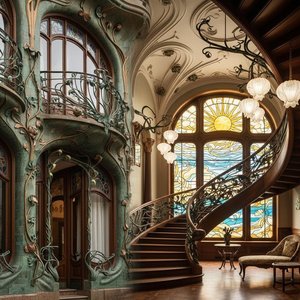
Art Nouveau: The Elegant Fusion of Nature and Design – A Journey Through Organic Sophistication
Discover the exquisite world of Art Nouveau. Explore the elegant fusion of nature and design through architectural masterpieces, organic forms, and the legendary masters of the Belle Époque. Immerse yourself in a journey of timeless sophistication and ornamental beauty.


