

 Vorschau anzeigen
 Versenden
 Teilen
 Details anzeigen
 Leitfaden

 Herunterladen
 Ähnliche Objekte
 Röntgenaufnahme
 Diashow
 Statistiken
A Sleeping Girl
 Oil On Canvas
- WallArt
- Pre-Raphaelite
 1875
1875 22.0 x 30.0 cm
 Tate Britain
 Weiterlesen
Handgefertigte Ölreproduktion
Handgemaltes Ölgemälde auf Leinwand in Ihrer Wunschgröße und mit Rahmen, auf Bestellung von unseren Künstlern angefertigt. ( Zum Druck wechseln Zum digitalen Bild wechseln)




P118B €10

P118H €10

P118W €10

P438Z €10

P508JH €12

P508YH €12

P805H €10

P805Z €10

P919BZ €10

P919G €10

P919XJ €10

P959ZH €10

P968JZ €12

W106C €8

W218G €10

W218JH €8

W218Y €10

W307PJ €10

W316G €10

W316PJ €8

W316Y €10

W398PJ €8

W4111J €10

W500HY €15

W500JH €15

W692G €12

W849H €8

W940BG €15

W953PJ €8




Wählen Sie aus unseren vordefinierten Formaten, die den ursprünglichen Proportionen des Kunstwerks entsprechen.

Geben Sie die Breite und die Höhe an, die Sie für Ihren Rahmen oder Ihre Wand benötigen. Da dieses Werk handgemalt ist, kann der Künstler bei einer anderen Form etwas mehr um das Bild herum malen oder etwas abschneiden – Sie entscheiden. Wir senden Ihnen ein digitales Mockup zur Freigabe, bevor mit dem Malen begonnen wird. Das auf dieser Seite gezeigte Bild stellt nicht das tatsächliche Ergebnis dar – dies tut nur das Mockup.
Nach der Bestellung wird das OriginalUniqueArt.com-Team dem Kunden Anweisungen per E-Mail zusenden und eine Mockup-Vorschau bereitstellen.
Weltweiter Versand () in nur 3 bis 4 Wochen statt der üblichen 5 Wochen. (27 Oktober). Keine Kompromisse bei der Qualität.

Kostenloser weltweiter Expressversand

Hochwertige Leinenleinwand

Umfassender Versicherungsschutz beim Versand

Zollgebühren-Rückerstattungsgarantie

Garantie für exakte Farbtreue

100 Tage Rückgaberecht (nur bei Mängeln)

100% Geld-zurück-Garantie

Mengenrabatt verfügbar
 Die Glasoption ist nur für Größen unter 110 cm verfügbar.

A Sleeping Girl
Art der Reproduktion
Format der Reproduktion
-


Endpreis
€ 264
A Portrait of Quietude: Exploring Albert Moore’s “Sleeping Girl”
Albert Joseph Moore's "Sleeping Girl," completed around 1875, stands as a quintessential example of Pre-Raphaelite painting—a movement dedicated to reviving artistic ideals considered superior to those prevalent in the academic tradition. More than just a depiction of repose, this oil on canvas delves into themes of vulnerability, beauty, and contemplation, capturing a moment frozen in time with remarkable sensitivity. Tate Gallery houses the original artwork, offering visitors an opportunity to experience its ethereal luminescence firsthand.- Subject Matter: The painting portrays a young woman reclining gracefully on a chaise lounge, enveloped in soft drapery and surrounded by delicate floral arrangements—a deliberate choice reflecting the Pre-Raphaelite fascination with idealized landscapes and mythological narratives rooted in medieval literature.
- Style & Technique: Moore’s meticulous approach to composition and execution aligns perfectly with the stylistic principles of his era. He employed a layered brushstroke technique, building up color and form gradually—a hallmark of Academic painting—to achieve an unparalleled level of luminosity and textural detail. The artist's careful attention to light and shadow contributes significantly to the artwork’s serene atmosphere.
- Historical Context: Emerging in Britain during the Victorian period, Pre-Raphaelite art reacted against the perceived artificiality of academic conventions, championing instead a return to artistic sincerity and emotional expression inspired by early Renaissance masters—specifically those preceding Raphael. This movement sought to recapture the spirit of medieval art, prioritizing beauty and moral contemplation over mere technical virtuosity.
- Symbolism: The inclusion of roses—a recurring motif in Pre-Raphaelite imagery—amplifies the painting’s symbolic resonance. Roses traditionally represent love, passion, and purity—themes interwoven throughout Moore's composition to convey a profound sense of innocence and tranquility. The woman’s closed eyes symbolize sleep, representing not merely physical rest but also spiritual contemplation and detachment from worldly concerns.
- Emotional Impact: “Sleeping Girl” succeeds in evoking a powerful emotional response in the viewer—a feeling of quiet serenity and melancholic beauty. Moore's masterful use of color palettes—muted earth tones combined with soft whites—creates an immersive experience that invites reflection on themes of vulnerability, grace, and fleeting moments of sublime perfection.
Detailed Examination of Composition & Color Palette
Moore’s compositional choices are deliberate and contribute significantly to the artwork's overall impact. The central figure dominates the canvas, positioned at the heart of a carefully arranged space defined by supporting elements—floral cushions and vases—that serve as visual anchors. Lines are predominantly smooth and flowing, particularly in the drapery and the woman’s hair, creating an impression of softness and movement. Perspective is shallow, fostering a sense of intimacy between the viewer and the subject matter. Depth is achieved through subtle tonal variations and layering techniques—a testament to Moore's technical prowess. The color palette leans towards muted earth tones—primarily ochre and ivory—underscored by delicate shades of pink and white—creating an ethereal luminescence that enhances the painting’s dreamlike quality.Materials & Artistic Process
“Sleeping Girl” is executed in oil paints on canvas—a medium favored by Academic artists for its ability to capture nuanced tonal gradations and achieve exceptional textural richness. Moore undertook extensive preparatory studies, meticulously sketching the figure and drapery separately before embarking on the final painting process. He employed a technique known as glazing—applying thin layers of translucent color over underlying pigments—to build up depth and luminosity gradually—a hallmark of Pre-Raphaelite artistry. This painstaking approach ensured that every detail was rendered with meticulous precision, resulting in an artwork of breathtaking beauty and artistic integrity.Fragen & Antworten
Kann man "A Sleeping Girl" von Albert Joseph Moore als Diashow ansehen?
"A Sleeping Girl" von Albert Joseph Moore kann als Diashow auf der Diashow-Seite des Kunstwerks betrachtet werden.
In welcher Technik wurde "A Sleeping Girl" von Albert Joseph Moore ausgeführt?
"A Sleeping Girl" wurde in Oil On Canvas ausgeführt.
Welche emotionale Stimmung vermittelt "A Sleeping Girl" von Albert Joseph Moore?
"A Sleeping Girl" von Albert Joseph Moore vermittelt eine Calm emotionale Stimmung.
Künstlerbiografie
Frühes Leben und Ausbildung
Albert Joseph Moore, ein renommierter englischer Maler, wurde am 4. September 1841 in York, im Vereinigten Königreich, geboren. Er war der dreizehnte Sohn und vierzehnte Kind des bekannten Porträtmalers William Moore und seiner zweiten Frau, Sarah Collingham. Mehrere seiner zahlreichen Brüder wurden als Künstler ausgebildet, darunter Henry Moore, R.A., ein bemerkenswerter Seemaler. Albert Moore erhielt seine Ausbildung an der Archbishop Holgate's School und der St. Peter's School in York, wo er auch von seinem Vater Mal- und Zeichenunterricht erhielt.Künstlerische Karriere
Moores frühe Werke zeigen den Einfluss von Ruskin, und bereits 1857 hatte er sich an der Royal Academy ausgestellt und einen Goldfinken und einen Hasen gezeigt. Sein künstlerischer Stil entwickelte sich im Laufe der Zeit weiter, wobei in den 1860er Jahren ein ausgeprägter neoklassizistischer Charakter auftrat. In dieser Zeit entwarf Moore Fliesen, Tapeten und Buntglasfenster für Morris, Marshall, Faulkner and Co. sowie arbeitete als Kirchen- und Wandmaler für private Auftraggeber.Bekannte Werke und Stil
Moores Gemälde zeigen typischerweise einzelne weibliche Figuren mit formalisierten Proportionen, neoklassizistischem Stoffkleid und floralen Accessoires, was einen wichtigen Strang der Aesthetic Movement begründete. Zu seinen bekanntesten Werken gehören:- The Marble Seat (1865), eine lange Reihe von rein dekorativen Bildern
- Elijah's Sacrifice (1863), das den Einfluss von Ford Madox Brown und Edward Armitage zeigt
- The Loves of the Seasons and the Winds, eines seiner aufwendigsten und sorgfältigsten Werke, gemalt für Herrn McCulloch
Museen und Sammlungen
Moores Werk befindet sich in verschiedenen Museen, darunter:- York Museums Trust (York, Großbritannien), mit Gemälden wie Kingcups
- Die Royal Academy (London, Großbritannien), wo Moore häufig ausstellte
Vermächtnis und Späteres Leben
Moore verließ sich ausschließlich auf sein eigenes Urteil in sozialen und künstlerischen Fragen, was manchmal ein Hindernis für seinen Eintritt in die Reihen der Royal Academy darstellte. Trotz einer schmerzhaften und unheilbaren Krankheit arbeitete Moore bis zu seinem Tod am 25. September 1893 weiter.- Weitere Werke von Albert Joseph Moore finden Sie unter https://OriginalUniqueArt.com/@/albertjosephmoore
- Erkunden Sie die Sammlung des York Museums Trust unter https://OriginalUniqueArt.com/@@/as844t-albert-joseph-moore-kingcups
- Erfahren Sie mehr über die Aesthetic Movement und ihre bemerkenswerten Künstler unter https://en.wikipedia.org/wiki/aesthetic_movement
- Albert Joseph Moores Biographie auf Wikipedia: https://en.wikipedia.org/wiki/albert_joseph_moore
- Erkunden Sie die Sammlung des York Museums Trust unter https://OriginalUniqueArt.com/@@/as844t-albert-joseph-moore-kingcups

Albert Joseph Moore
1841 - 1893 , Vereinigtes Königreich
Kurzinfos
- Beeinflusste Künstler:
- Ford Madox Brown
- Edward Armitage
- Bemerkenswerte Werke:
- The Marble Seat (1865)
- Elijah's Sacrifice (1863)
- The Loves of the Seasons
- Geburtsdatum: 4. September 1841
- Geburtsort: York, Vereinigtes Königreich
- Künstlerische Bewegung: Ästhetische Bewegung
- Nationalität: Britisch
- Todatum: 25. September 1893
- Vollständiger Name: Albert Joseph Moore
- Von Künstlern Beeinflusst: ['Ruskin']
Ähnliche Artikel

The Pre-Raphaelite Brotherhood: Rediscovering Beauty, Romance, and Medieval Magic in Victorian Art
Embark on a journey through the Pre-Raphaelite Brotherhood. Discover the romantic symbolism, medieval magic, and radical beauty of Rossetti and Burne-Jones in this expert exploration of Victorian art history.

Pre-Raphaelite Romanticism: A Guide to Vivid Detail and Medieval Beauty in Victorian Art
Explore the vivid detail and medieval beauty of Pre-Raphaelite Romanticism. Discover the history of masters like Rossetti and Millais through our expert guide to Victorian art, perfect for collectors and professionals seeking authentic, museum-quality reproductions.

Sir John Everett Millais: Präraffaelitische Revolution und viktorianische Erzählkunst
Entdecken Sie das Leben und Werk von Sir John Everett Millais, einem Pionier der Präraffaeliten! Detaillierte Analysen seiner Gemälde, Einblicke in die viktorianische Kunstszene und seine bleibende Bedeutung. Jetzt lesen!

Dante Gabriel Rossetti: Die 25 Meisterwerke des Präraffelitismus | OriginalUniqueArt
Entdecken Sie die 25 schönsten Gemälde von Dante Gabriel Rossetti! Tauchen Sie ein in die Welt der Präraffeliten, symbolistischer Kunst & viktorianischer Romantik. Hochwertige Reproduktionen für Ihr Zuhause – jetzt bei OriginalUniqueArt.com!
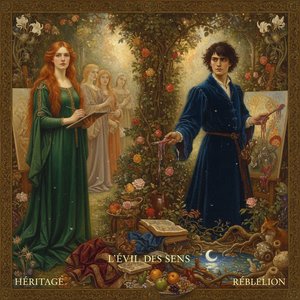
The Pre-Raphaelite Brotherhood: Reclaiming Beauty, Nature, and Truth in Victorian Art History
Explore the revolutionary Pre-Raphaelite Brotherhood. Discover how these visionary artists rejected academic tradition to reclaim beauty, nature, and truth through luminous detail and literary depth in Victorian art history.