
 Vorschau anzeigen
 Versenden
 Teilen
 Details anzeigen

 Herunterladen
 Ähnliche Objekte
 Röntgenaufnahme
 Diashow
 Statistiken
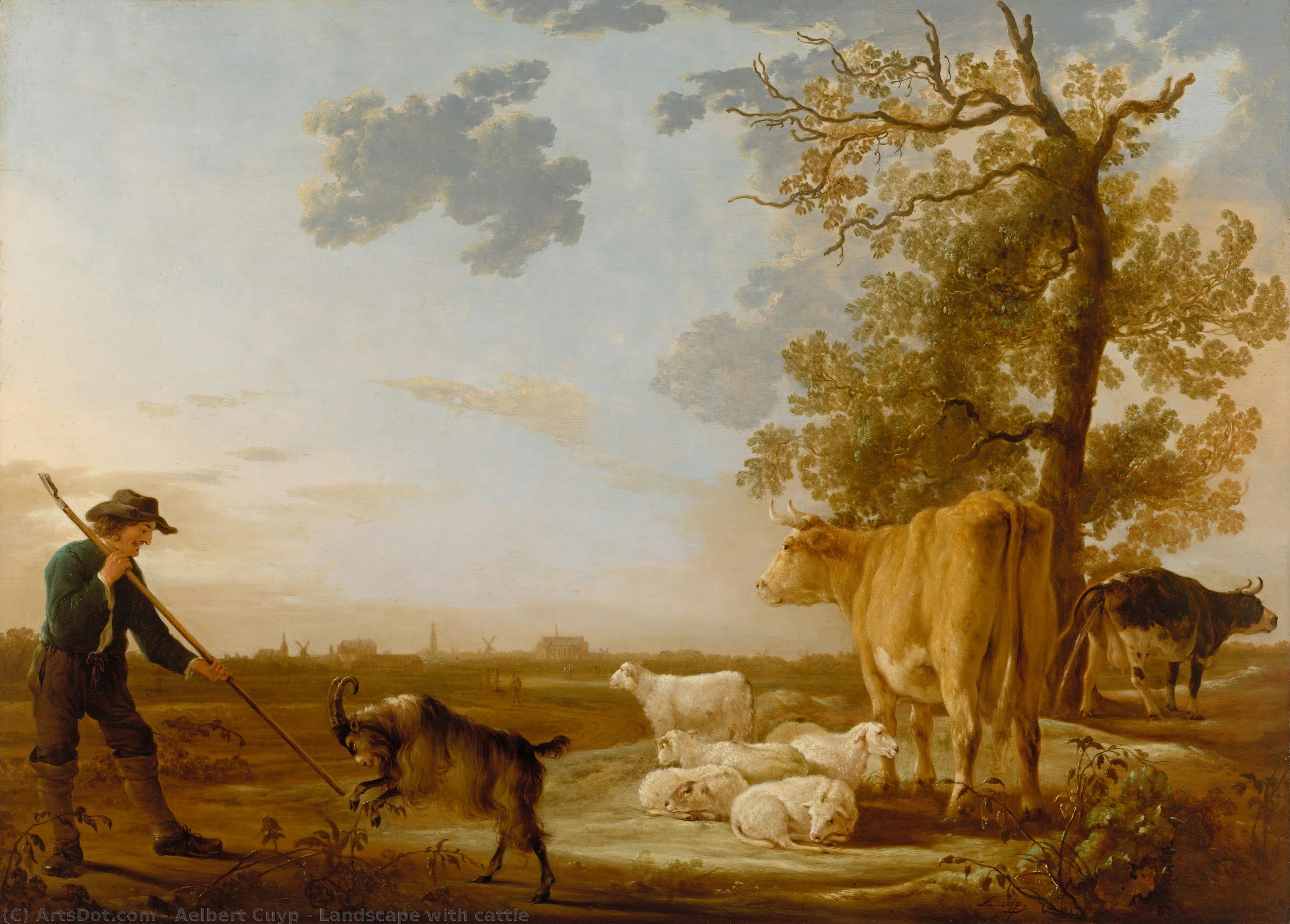
Landscape with cattle
 Oil On Canvas
- WallArt
- Dutch Golden Age
 1649
1649- Early Modern
 65.0 x 90.0 cm
 National Gallery of Victoria
 Weiterlesen
Giclée / Kunstdruck
Giclée- oder Leinwanddruck in Museumsqualität mit schneller Produktion und flexiblen Veredelungsoptionen. ( Handgemalte Reproduktion bestellen Zum digitalen Bild wechseln)




P118B $10

P118H $10

P118W $10

P438Z $10

P508JH $12

P508YH $12

P805H $10

P805Z $10

P919BZ $10

P919G $10

P919XJ $10

P959ZH $10

P968JZ $12

W106C $8

W218G $10

W218JH $8

W218Y $10

W307PJ $10

W316G $10

W316PJ $8

W316Y $10

W398PJ $8

W4111J $10

W500HY $15

W500JH $15

W692G $12

W849H $8

W940BG $15

W953PJ $8




Wählen Sie aus unseren vordefinierten Formaten, die den ursprünglichen Proportionen des Kunstwerks entsprechen.

Sie können Ihre eigenen Maße eingeben, um ein bestimmtes Format oder einen speziellen Platz einzupassen. Wenn das von Ihnen gewählte Format nicht den Proportionen des Originalbildes entspricht, werden wir das Kunstwerk entweder beschneiden oder das Bild mit einem gespiegelten oder einfarbigen Rand erweitern. Ein digitaler Entwurf wird Ihnen zur Genehmigung zugesandt, bevor die Produktion beginnt.
Bitte beachten Sie, dass die Vorschau auf dem Bildschirm nicht den tatsächlichen Zuschnitt oder die Erweiterung widerspiegelt. Nur der Entwurf zeigt die endgültige Komposition präzise an.
Obwohl Sondermaße verfügbar sind, empfehlen wir die Auswahl eines Maßes aus der vordefinierten Liste, um die ursprünglichen Proportionen zu bewahren.
Weltweiter Versand () innerhalb von 2 Wochen statt der üblichen 4/5 Wochen. (11 September)

Kostenloser weltweiter Expressversand

Hochwertige Leinenleinwand

Umfassender Versicherungsschutz beim Versand

Zollgebühren-Rückerstattungsgarantie

Garantie für exakte Farbtreue

100-Tage-Rückgaberecht (nur bei Mängeln)

100% Geld-zurück-Garantie

Mengenrabatt verfügbar
 Die Glasoption ist nur für Größen unter 110 cm verfügbar.

Landscape with cattle
Giclée / Kunstdruck
Format der Reproduktion
-


Gesamtpreis
$ 80
A Golden Vision of the Dutch Golden Age
In the heart of the seventeenth century, as the Dutch Republic ascended to unprecedented heights of maritime power and economic prosperity, a new kind of visual poetry emerged from the studios of Dordrecht. Aelbert Jacobsz Cuyp, a titan of the Dutch Golden Age, captured this era not through grand historical battles or royal portraits, but through the quiet, breathing majesty of the countryside. His masterpiece, Landscape with Cattle, serves as a luminous window into a world defined by peace and abundance. The painting invites the viewer to step into a pastoral tableau where time seems to suspend itself, held in the amber glow of a setting sun.
The scene unfolds with a masterful use of atmospheric perspective, drawing the eye across a lush, undulating landscape. In the foreground, the heavy, rhythmic forms of cattle and sheep graze with a profound sense of contentment, their textures rendered with such sensitivity that one can almost feel the soft wool and the warmth of their hides. A shepherd and his faithful dog move through the meadow, adding a touch of human connection to the wilder elements of nature. As the gaze wanders toward the horizon, the landscape softens into a hazy, ethereal distance, where the silhouette of a town—anchored by the recognizable spire of the Marekerk church—emerges from the mist, suggesting a civilization in perfect harmony with its environment.
The Alchemy of Light and Technique
What truly distinguishes Cuyp’s work is his unparalleled ability to act as an interpreter of light. Influenced by the tonal mastery of Jan van Goyen and the luminous, Mediterranean-inspired glow of Jan Both, Cuyp developed a signature style that many have compared to the classical elegance of Claude Lorrain. In Landscape with Cattle, he employs a palette dominated by earthy ochres, deep mossy greens, and soft cerulean blues, all unified by a pervasive, golden radiance. This light is not merely an illumination; it is a character in itself, bathing the entire composition in a warmth that suggests the fleeting, magical moments of dawn or dusk.
The technique behind this illusion is one of meticulous blending and subtle gradations. Using oil on canvas, Cuyp achieved a seamless transition between light and shadow, creating a sense of depth that feels infinitely expandable. The brushstrokes are smooth and deliberate, eschewing harsh outlines in favor of soft, organic shapes that mimic the natural diffusion of light through moisture-laden air. For the discerning collector or interior designer, this technique offers a remarkable versatility; the painting possesses a structural strength that anchors a room, while its soft textures and warm tones provide an inviting, tranquil atmosphere that complements both classical and contemporary decor.
Symbolism and the Spirit of Prosperity
Beyond its aesthetic splendor, Landscape with Cattle is a profound meditation on the values of the Dutch Golden Age. The healthy, well-tended livestock are far more than mere pastoral subjects; they serve as potent symbols of the nation's burgeoning dairy industry and the economic optimism of the era. To a contemporary viewer, the scene represents a tangible emblem of prosperity and the fruits of diligent stewardship. There is an inherent dignity in the way Cuyp depicts the relationship between man, animal, and land—a triad of existence that feels both stable and sacred.
For those seeking to bring a piece of art history into their personal spaces, this reproduction offers more than just decoration; it offers an emotional sanctuary. The painting evokes a deep sense of nostalgia for a lost Eden, a place of quietude and rhythmic simplicity that resonates deeply in our modern, fast-paced world. Whether placed in a sunlit library or as a focal point in a sophisticated living area, this work continues to inspire awe, inviting all who behold it to pause, breathe, and find solace in the eternal beauty of the natural world.
Über den Künstler
Aelbert Jacobszoon Cuyp (1620 – 1695): The Poet of Light
Aelbert Jacobszoon Cuyp, a cornerstone of the Dutch Golden Age, stands as one of the most celebrated landscape painters of his era. Born in Dordrecht, Netherlands, on October 20, 1620, he descended from a family steeped in artistic tradition—his father, Jacob Gerritszoon Cuyp, was himself a respected portraitist—a lineage that profoundly shaped his formative years and instilled within him an unwavering dedication to capturing the sublime beauty of the natural world. His early training under his father’s guidance established a bedrock of technical skill and fostered a distinctive artistic sensibility that would define his entire oeuvre.A Style Born of Convergence
Cuyp's artistic style is remarkably complex, reflecting the confluence of influences from several prominent artists. Like Jan van Goyen—whose mastery of atmospheric perspective profoundly impacted Cuyp’s approach—he prioritized conveying the ethereal quality of dawn and dusk. Simultaneously, Jacob Gerritsz Cuyp (his father) instilled in him a meticulous attention to form and detail, mirroring the stylistic rigor championed by Rembrandt van Rijn. This harmonious blend resulted in Cuyp's signature landscapes: expansive vistas bathed in golden light, imbued with an almost palpable sense of serenity and tranquility. These scenes weren’t merely depictions of scenery; they were meditations on light itself—a cornerstone of Baroque painting—and a testament to Cuyp’s profound understanding of visual perception.Notable Works and Artistic Evolution
Cuyp's artistic journey unfolded across three distinct phases, each characterized by subtle stylistic refinements. His initial works showcased the influence of Jan van Goyen, prioritizing luminous hues and hazy atmospheric effects. As he matured, however, he embraced the more sculptural approach advocated by Jacob Gerritsz Cuyp, emphasizing precise delineation of contours and textural detail. Finally, around 1663, he moved into a house in Dordwijck where he spent his remaining years, absorbing inspiration from Jan Both—whose masterful use of color and chiaroscuro elevated Cuyp’s artistic ambitions. Among his most enduring masterpieces are *Cows in a River* (circa 1655-60), a quintessential example of his early style, and *A Herdsman with Five Cows*, which exemplifies the meticulous form and atmospheric depth characteristic of his later period. These paintings continue to captivate viewers today with their evocative portrayal of rural life and Cuyp’s unparalleled ability to translate light into emotion.Legacy and Historical Significance
Cuyp's contribution to Dutch art history transcends mere stylistic innovation; he embodies the spirit of the Golden Age itself—a period marked by intellectual curiosity, artistic experimentation, and a fervent appreciation for beauty. Unlike many of his contemporaries who pursued grand narratives or mythological themes, Cuyp focused on capturing the quiet grandeur of the Netherlands’ landscapes, offering viewers a glimpse into a world untouched by turbulent political upheaval. His unwavering devotion to Calvinist principles—evident in his modest home furnishings—further underscores his humanist values and distinguishes him as an artist deeply rooted in moral contemplation. Aelbert Jacobszoon Cuyp remains not only a celebrated painter but also a symbol of artistic integrity and the enduring power of observation—a legacy that continues to inspire artists and scholars alike.
Aelbert Jacobsz Cuyp
1620 - 1695 , Niederlande
Kurzinfos
- Artistic Movement Or Style: Barockkunst
- Artists Or Movements Influenced By This Artist: ['Rembrandt van Rijn']
- Artists Who Influenced This Artist:
- Jan van Goyen
- Jacob Gerritsz Cuyp
- Date Of Birth: 20. Oktober 1620
- Date Of Death: 15. November 1691
- Full Name: Aelbert Jacobszoon Cuyp
- Nationality: Niederlande
- Notable Artworks:
- Cowen Landschaft mit Figuren
- Ein Hirte mit fünf Kühen
- Place Of Birth: Dordrecht, Niederlande
Ähnliche Artikel

Mastering Light & Shadow: The 25 Greatest Artworks by Rembrandt van Rijn
Immerse yourself in the dramatic chiaroscuro of Rembrandt van Rijn. Explore 25 iconic Dutch Golden Age masterpieces, from soulful portraits to legendary scenes. Find inspiration for museum-quality art reproductions and decor. Discover all masterpieces on OriginalUniqueArt.com.

Mastering Light & Shadow: The 25 Greatest Artworks by Rembrandt van Rijn
Immerse yourself in the dramatic chiaroscuro of the Dutch Golden Age. Explore 25 iconic Rembrandt van Rijn masterpieces, from soulful portraits to legendary scenes. Find inspiration for museum-quality art reproductions and decor. Discover all masterpieces on OriginalUniqueArt.com.

Mastering Light: The 25 Greatest Artworks of Rembrandt van Rijn
Immerse yourself in the dramatic chiaroscuro of Rembrandt van Rijn’s greatest works. Explore 25 iconic Dutch Golden Age masterpieces, perfect for inspiring fine art decor and museum-quality reproductions. Elevate your space with timeless beauty. Discover all masterpieces on OriginalUniqueArt.com.

Mastering Light & Shadow: The 25 Greatest Artworks by Rembrandt van Rijn
Immerse yourself in the dramatic chiaroscuro of Rembrandt van Rijn. Explore 25 iconic Dutch Golden Age masterpieces, from soulful portraits to legendary biblical scenes. Find inspiration for museum-quality art reproductions and decor. Discover all masterpieces on OriginalUniqueArt.com.

Meister der Licht & Schatten: Die 25 größten Kunstwerke von Rembrandt
Erleben Sie die Magie von Rembrandt van Rijn. Entdecken Sie die 25 bedeutendsten Meisterwerke des Barock, geprägt durch Licht und Schatten. Finden Sie Inspiration für exklusive Kunstreproduktionen und zeitlose Dekoration auf OriginalUniqueArt.com. Jetzt die gesamte Kollektion online entdecken!
