
 Vorschau anzeigen
 Versenden
 Teilen
 Details anzeigen

 Herunterladen
 Ähnliche Objekte
 Röntgenaufnahme
 Diashow
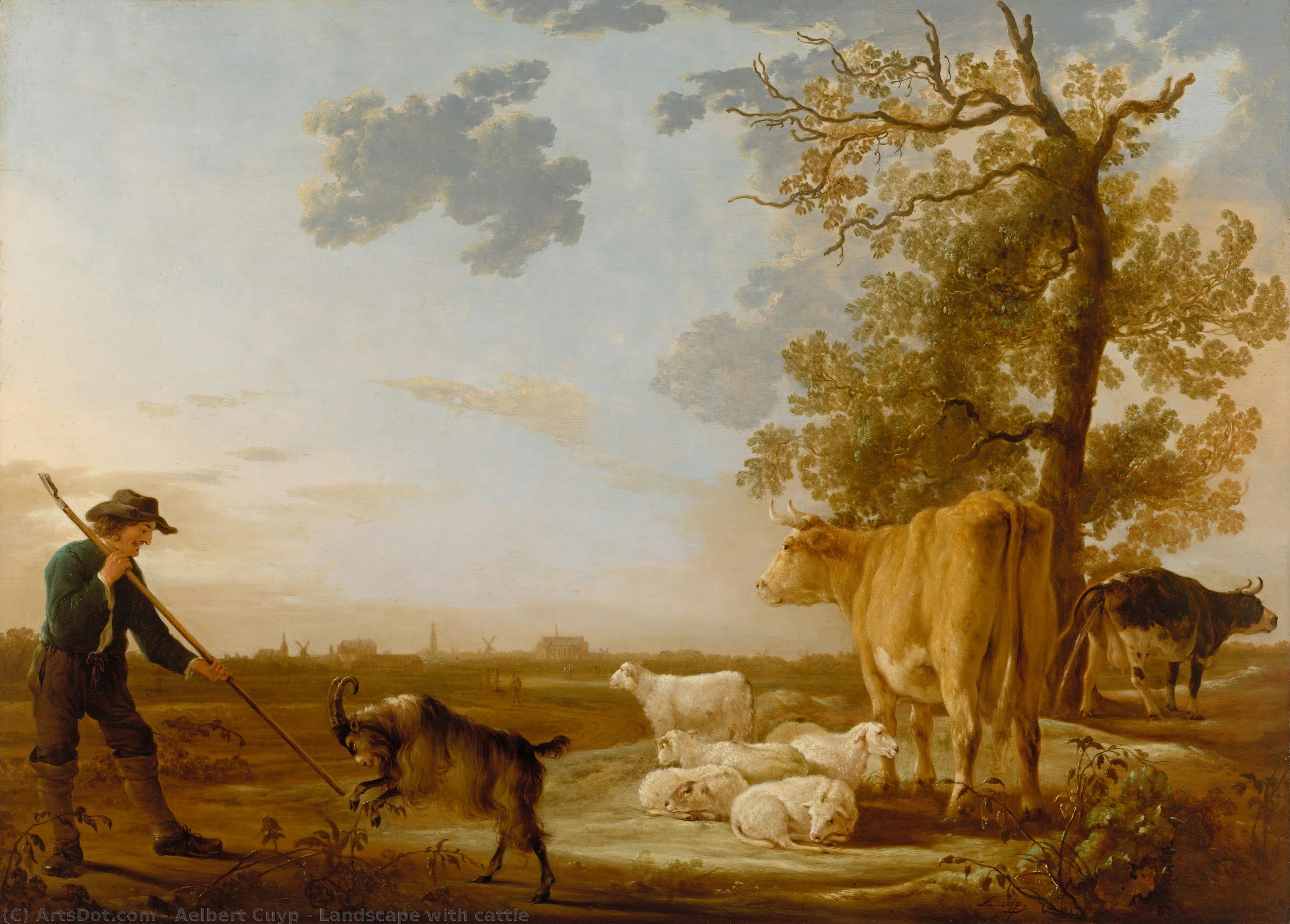
Landscape with cattle
 Acrylic On Canvas
- WallArt
 1649
1649 65.0 x 90.0 cm
 National Gallery of Victoria
 Weiterlesen
Handgefertigte Ölreproduktion
Handgemaltes Ölgemälde auf Leinwand in Ihrer Wunschgröße und mit Rahmen, auf Bestellung von unseren Künstlern angefertigt. ( Druck bestellen Bild kaufen)




P118B $10

P118H $10

P118W $10

P438Z $10

P508JH $12

P508YH $12

P805H $10

P805Z $10

P919BZ $10

P919G $10

P919XJ $10

P959ZH $10

P968JZ $12

W106C $8

W218G $10

W218JH $8

W218Y $10

W307PJ $10

W316G $10

W316PJ $8

W316Y $10

W398PJ $8

W4111J $10

W500HY $15

W500JH $15

W692G $12

W849H $8

W940BG $15

W953PJ $8




Wählen Sie aus unseren vordefinierten Formaten, die den ursprünglichen Proportionen des Kunstwerks entsprechen.

Sie können Ihre eigenen Maße eingeben, um einen bestimmten Rahmen oder Platz auszufüllen. Wenn die gewählte Größe nicht den Proportionen des Originalbildes entspricht, werden wir das Kunstwerk entweder beschneiden oder das Gemälde durch zusätzliche, handgemalte Elemente erweitern. Ein digitales Mockup wird Ihnen zur Genehmigung zugesandt, bevor die Produktion beginnt.
Bitte beachten Sie, dass die Bildschirmvorschau nicht die tatsächliche Beschneidung oder Erweiterung widerspiegelt. Nur das Mockup zeigt die endgültige Komposition exakt an.
Obwohl Sondermaße verfügbar sind, empfehlen wir, eine Größe aus der vordefinierten Liste zu wählen, um die ursprünglichen Proportionen beizubehalten.
Nach der Bestellung wird das OriginalUniqueArt.com-Team dem Kunden Anweisungen per E-Mail zusenden und eine Mockup-Vorschau bereitstellen.
Weltweiter Versand () in nur 3 bis 4 Wochen statt der üblichen 5 Wochen. (29 August). Keine Kompromisse bei der Qualität.

Kostenloser weltweiter Expressversand

Hochwertige Leinenleinwand

Umfassender Versicherungsschutz beim Versand

Zollgebühren-Rückerstattungsgarantie

Garantie für exakte Farbtreue

60 Tage Rückgaberecht (nur bei Mängeln)

100% Geld-zurück-Garantie

Mengenrabatt verfügbar
 Die Glasoption ist nur für Größen unter 110 cm verfügbar.

Landscape with cattle
Art der Reproduktion
Format der Reproduktion
-


Gesamtpreis
$ 300
Landscape with Cattle – A Vision of Tranquility from the Dutch Golden Age
Aelbert Jacobsz Cuyp (1620–1695) stands as one of the titans of Dutch landscape painting, a figure inextricably linked to the zenith of artistic achievement during the Golden Age. His oeuvre is characterized by an unparalleled sensitivity to atmospheric conditions—particularly dawn and dusk—resulting in canvases bathed in ethereal golden light that continue to captivate audiences centuries later. More than mere depictions of scenery; Cuyp’s paintings embody a profound philosophical contemplation on nature's beauty and its harmonious relationship with human existence, reflecting the intellectual currents of his time.The Painter’s Influences: A Dialogue Between Tradition and Innovation
Cuyp’s artistic journey began under the tutelage of his father, Jacob Gerritsz Cuyp, a portraitist who instilled in him a foundational understanding of form and composition. However, Cuyp's stylistic development wasn’t solely rooted in familial tradition. He absorbed considerable influence from Jan van Goyen—renowned for his masterful tonal harmonies—and Jan Both—whose luminous interiors infused his landscapes with an otherworldly glow. This tripartite confluence of artistic sensibilities resulted in Cuyp’s distinctive visual language: a deliberate prioritization of light and shadow, mirroring the contemplative spirit of Renaissance painters like Claude Lorrain.A Scene Steeped in Symbolism – Leiden's Pastoral Embrace
The subject matter of “Landscape with Cattle” is deceptively simple—a pastoral tableau featuring cattle grazing peacefully alongside sheep against a backdrop of rolling hills and a distant townscape dominated by the Marekerk church. Yet, this seemingly tranquil vista carries significant symbolic weight. The prevalence of healthy livestock served as a tangible emblem of prosperity during the burgeoning Dutch dairy industry, mirroring the broader economic optimism that characterized the early seventeenth century. Furthermore, Cuyp’s masterful use of atmospheric perspective—evident in the subtle gradations of color and diminishing size of distant objects—creates an illusion of depth that transcends mere topographical accuracy. It invites contemplation on the grandeur of nature and its enduring power to inspire awe.Technique: Mastering Light and Color – An Oil Painter's Delicate Touch
Cuyp’s technique exemplifies the meticulous craftsmanship demanded by the Golden Age aesthetic. Executed in oil paint on canvas, his approach prioritized blending colors with painstaking care—a hallmark of Northern European painting at the time. Brushstrokes are generally smooth and diffused, contributing to an overall impression of realism while simultaneously conveying a sense of luminous beauty. The artist’s deliberate manipulation of tonal values—particularly the dominant golden hue—captures the fleeting effects of sunrise or sunset, transforming the landscape into a vessel for emotional resonance.Historical Context – Reflections of Calvinist Ideals
“Landscape with Cattle” was created in 1649, placing it squarely within the heart of Cuyp’s most productive period—a time coinciding precisely with the apex of Dutch artistic flourishing. The painting reflects the intellectual and spiritual convictions prevalent during the Reformation, notably the Calvinist emphasis on God's benevolent governance over creation. As Laurie Benson eloquently articulated in “Painting and sculpture before 1800,” this artwork functioned as a ‘portrait of property,’ symbolizing status and reflecting the values of its aristocratic clientele. Cuyp’s legacy endures not merely as an artist but as a conduit for conveying profound philosophical ideas—a testament to the enduring power of art to illuminate both beauty and spirituality.Über den Künstler
Aelbert Jacobszoon Cuyp (1620 – 1695): The Poet of Light
Aelbert Jacobszoon Cuyp, a cornerstone of the Dutch Golden Age, stands as one of the most celebrated landscape painters of his era. Born in Dordrecht, Netherlands, on October 20, 1620, he descended from a family steeped in artistic tradition—his father, Jacob Gerritszoon Cuyp, was himself a respected portraitist—a lineage that profoundly shaped his formative years and instilled within him an unwavering dedication to capturing the sublime beauty of the natural world. His early training under his father’s guidance established a bedrock of technical skill and fostered a distinctive artistic sensibility that would define his entire oeuvre.A Style Born of Convergence
Cuyp's artistic style is remarkably complex, reflecting the confluence of influences from several prominent artists. Like Jan van Goyen—whose mastery of atmospheric perspective profoundly impacted Cuyp’s approach—he prioritized conveying the ethereal quality of dawn and dusk. Simultaneously, Jacob Gerritsz Cuyp (his father) instilled in him a meticulous attention to form and detail, mirroring the stylistic rigor championed by Rembrandt van Rijn. This harmonious blend resulted in Cuyp's signature landscapes: expansive vistas bathed in golden light, imbued with an almost palpable sense of serenity and tranquility. These scenes weren’t merely depictions of scenery; they were meditations on light itself—a cornerstone of Baroque painting—and a testament to Cuyp’s profound understanding of visual perception.Notable Works and Artistic Evolution
Cuyp's artistic journey unfolded across three distinct phases, each characterized by subtle stylistic refinements. His initial works showcased the influence of Jan van Goyen, prioritizing luminous hues and hazy atmospheric effects. As he matured, however, he embraced the more sculptural approach advocated by Jacob Gerritsz Cuyp, emphasizing precise delineation of contours and textural detail. Finally, around 1663, he moved into a house in Dordwijck where he spent his remaining years, absorbing inspiration from Jan Both—whose masterful use of color and chiaroscuro elevated Cuyp’s artistic ambitions. Among his most enduring masterpieces are *Cows in a River* (circa 1655-60), a quintessential example of his early style, and *A Herdsman with Five Cows*, which exemplifies the meticulous form and atmospheric depth characteristic of his later period. These paintings continue to captivate viewers today with their evocative portrayal of rural life and Cuyp’s unparalleled ability to translate light into emotion.Legacy and Historical Significance
Cuyp's contribution to Dutch art history transcends mere stylistic innovation; he embodies the spirit of the Golden Age itself—a period marked by intellectual curiosity, artistic experimentation, and a fervent appreciation for beauty. Unlike many of his contemporaries who pursued grand narratives or mythological themes, Cuyp focused on capturing the quiet grandeur of the Netherlands’ landscapes, offering viewers a glimpse into a world untouched by turbulent political upheaval. His unwavering devotion to Calvinist principles—evident in his modest home furnishings—further underscores his humanist values and distinguishes him as an artist deeply rooted in moral contemplation. Aelbert Jacobszoon Cuyp remains not only a celebrated painter but also a symbol of artistic integrity and the enduring power of observation—a legacy that continues to inspire artists and scholars alike.
Aelbert Jacobsz Cuyp
1620 - 1695 , Niederlande
Kurzinfos
- Artistic Movement Or Style: Barockkunst
- Artists Or Movements Influenced By This Artist: ['Rembrandt van Rijn']
- Artists Who Influenced This Artist:
- Jan van Goyen
- Jacob Gerritsz Cuyp
- Date Of Birth: 20. Oktober 1620
- Date Of Death: 15. November 1691
- Full Name: Aelbert Jacobszoon Cuyp
- Nationality: Niederlande
- Notable Artworks:
- Cowen Landschaft mit Figuren
- Ein Hirte mit fünf Kühen
- Place Of Birth: Dordrecht, Niederlande
Ähnliche Artikel

Rembrandts Meisterwerke: Die Top 25 Kunstwerke für Ihr Zuhause | OriginalUniqueArt
Entdecken Sie Rembrandts 25 berühmteste Kunstwerke! Tauchen Sie ein in die Welt des Barock, Licht und Schatten & historischer Porträts. Hochwertige Reproduktionen für Ihr Zuhause – jetzt auf OriginalUniqueArt.com!

Golden Light & Dutch Skies: The Timeless Magic of Dutch Golden Age Landscapes
Discover the breathtaking beauty of Dutch Golden Age landscapes. Explore the mastery of light, chiaroscuro, and 17th-century realism through an expert art history lens, celebrating the enduring legacy of the Dutch Masters for discerning collectors and art lovers.
Aelbert Cuyp: Illuminating the Dutch Golden Age with Light & Landscape
Explore the luminous landscapes of Aelbert Cuyp, a master of the Dutch Golden Age. Discover his unique light, serene riverside scenes & lasting influence on art history. Learn more at OriginalUniqueArt.
Nicolaes Berchem und das Goldene Zeitalter: Pastoralismus, Idealisierung & Künstlerische Innovation
Entdecken Sie die faszinierende Welt von Nicolaes Berchem und das Goldene Zeitalter der niederländischen Landschaftsmalerei. Expertenanalyse, Hintergrundinformationen & künstlerische Innovationen.

Die 10 Meisterwerke des Goldenen Zeitalters der niederländischen Malerei |
Entdecken Sie die 10 Meisterwerke des Niederländischen Goldenen Zeitalters! Von Rembrandt bis Vermeer – erleben Sie Kunstgeschichte, Techniken & Emotionen. Hochwertige Gemäldereproduktionen für Ihr Zuhause auf .


