
 Se i rummet
 Del som kort
 Del
Del
 Detaljer
 Guide
Guide

 Download
 Lignende værker
 Røntgenundersøgelse
 Diasshow
 Spørgsmål og svar
 Statistikker
Sunflowers


 Vis mere
Giclée / Kunsttryk
Giclée- eller lærredstryk i museumskvalitet med hurtig produktion og fleksible muligheder for finish. ( Køb håndmalet maleri Skift til digitalt billede)




P118B Dkr10

P118H Dkr10

P118W Dkr10

P438Z Dkr10

P508JH Dkr12

P508YH Dkr12

P805H Dkr10

P805Z Dkr10

P919BZ Dkr10

P919G Dkr10

P919XJ Dkr10

P959ZH Dkr10

P968JZ Dkr12

W106C Dkr8

W218G Dkr10

W218JH Dkr8

W218Y Dkr10

W307PJ Dkr10

W316G Dkr10

W316PJ Dkr8

W316Y Dkr10

W398PJ Dkr8

W4111J Dkr10

W500HY Dkr15

W500JH Dkr15

W692G Dkr12

W849H Dkr8

W940BG Dkr15

W953PJ Dkr8




Vælg mellem vores forudindstillede størrelser, der matcher kunstværkets originale proportioner.

Indtast den bredde og højde, du har brug for, så det passer til din ramme eller din væg. Et print kan kun beskæres, aldrig gøres større end selve billedet, så en størrelse med et andet format vil medføre, at dele af motivet går tabt. Vi sender dig en digital mockup til godkendelse, før vi printer noget. Billedet vist på denne side viser ikke den faktiske beskæring — det er kun mockuppen, der gør.
Verdensomspændende levering () på 2 uger i stedet for de sædvanlige 4/5 uger. (4 november)

Gratis ekspresforsendelse til hele verden

Lærred af linned i høj kvalitet

Fuld transportforsikring

Garanti for refusion af told og importafgifter

Garanti for præcis farvegengivelse

100 dages returret ved fabrikationsfejl

100% fuld returret

Mængderabat ved flere køb
 Glasmulighed er kun tilgængelig i størrelser under 110 cm

Sunflowers
Giclée / Kunsttryk
Størrelse på reproduktion
-


Samlet pris
Dkr 538
A Symphony of Gold and Light
In the delicate dance of pastel strokes, Stanisław Wyspiański’s Sunflowers emerges as a breathtaking testament to the vitality of nature and the expressive power of the Young Poland movement. Created around 1895, this masterpiece captures more than just a botanical subject; it encapsulates a moment of luminous brilliance where light and organic form converge. The artwork presents a vibrant assembly of sunflowers, each rendered with a unique personality. Some heads bow heavily under the weight of their own golden petals, while others reach upward, seeking the sun, creating a rhythmic, undulating composition that guides the viewer’s eye through a lush, textured landscape of color. The interplay of varying sizes and orientations lends the piece an almost cinematic depth, making the floral arrangement feel as though it is breathing within its frame.
The technique employed by Wyspiański is nothing short of masterful, utilizing the soft, velvety medium of pastel to achieve a range of textures that are both tactile and ethereal. Unlike the rigid lines of traditional realism, this work embraces a fluid, almost impressionistic approach where colors bleed into one another with a gentle grace. The artist uses layers of warm ochre, deep amber, and brilliant cadmium yellow to build a sense of sun-drenched warmth, contrasted against subtle shadows that provide structural integrity to each bloom. This mastery of light and shadow—often referred to as polychromy in his larger architectural works—allows the sunflowers to appear as if they are radiating their own internal glow, a quality that makes the piece feel remarkably alive.
Symbolism and the Soul of Kraków
To understand Sunflowers, one must look toward the historical heart of Kraków and the turbulent, beautiful era of Polish Symbolism. Wyspiański was a polymath whose work was deeply intertwined with the national identity of Poland. In this botanical study, the sunflower serves as more than mere decoration; it becomes a symbol of resilience, vitality, and the cyclical nature of life. The way the flowers are depicted—some in full, glorious bloom and others perhaps beginning to wilt—mirrors the themes of growth and decay that permeated the artistic consciousness of the late 19th century. There is an inherent emotional depth here, a quiet strength found in the persistence of nature, which resonates deeply with those who find beauty in the transient moments of existence.
For the discerning collector or interior designer, this artwork offers a profound sense of warmth and organic elegance. It possesses a rare ability to anchor a room, providing a focal point that is both sophisticated and comforting. Whether placed in a sunlit gallery or a contemporary living space, the Sunflowers brings with it an aura of historical prestige and artistic soul. A high-quality reproduction of this piece allows one to invite the spirit of the Young Poland movement into their home, offering a timeless connection to a genius who saw the divine in the simplest petals of a garden. It is an investment in beauty, a celebration of light, and a permanent window into a golden era of Polish art.
Spørgsmål og svar
Hvor gammel var Stanisław Wyspiański, da "Sunflowers" blev skabt?
Da "Sunflowers" blev skabt i 1895, var Stanisław Wyspiański – født i 1869 – 26 år gammel.
Hvordan beskrives farvepaletten i "Sunflowers" af Stanisław Wyspiański?
Farvepaletten i "Sunflowers" af Stanisław Wyspiański beskrives som Neutrals. Det er en kortfattet beskrivelse af værkets farver.
Hvad er den dominerende farve i "Sunflowers" af Stanisław Wyspiański?
Den dominerende farve i "Sunflowers" af Stanisław Wyspiański er Sap Green (#68624d).
Kunstnerbiografi
Ungpolens sjæl: Livet og visionen hos Stanisław Wyspiański
I Krakóws tågede, historiske hjerte trådte et enestående geni frem for at omdefinere det kulturelle landskab i en nation, der længtes efter identitet. Stanisław Wyspiański var ikke blot en maler; han var en polyhistor, en visionær, hvis kreative ånd pustede liv i Ungpolen-bevægelsen. Født i 1869, var hans korte, men glødende liv en virvelvind af kunstnerisk udforskning, der byggede bro mellem Art Nouveaus delikate æstetik og den polske symbolismes dybe, ofte turbulente lag. At studere Wyspiański er at være vidne til et menneske, der forsøgte at indfange selve essensen af en sjæl – både den individuelle og den nationale.
Hans udvikling som kunstner var dybt forankret i de rige, akademiske traditioner fra hans uddannelse, men han besad et medfødt oprør mod realismens stive begrænsninger. Hans værker begyndte at pulsere med en ny form for energi, der trak kraftigt på det polske landskabs levende folkemotiver og de indviklede, organiske linjer, som kendetegner secessionismen. Denne fusion skabte et visuelt sprog, der var unikt hans eget: en delikat balance mellem botanisk præcision og en hjemsøgende, metaforisk tyngde. Han så ikke verden blot som den fremstod, men som den føltes, og besjælede hvert kronblad og hvert portræt med en følelse af kosmisk betydning.
En mester af lys og symbolik
Wyspiańskis mesterskab strakte sig langt ud over lærredet og nåede helt ind i de hellige rums arkitektur. Han er måske mest berømt for sine betagende glasmosaikker, der transformerede lys til et medie for spirituel historiefortælling. I disse værker bliver farven i sig selv en karakter, hvor dybe blå nuancer og flammende ravtoner danser gennem glasset for at fremkalde temaer om martyrium, genfødsel og national udholdenhed. Hans evne til at manipulere lyset gjorde det muligt for ham at skabe omsluttende miljøer, hvor grænserne mellem den fysiske verden og det symbolske rige begyndte at opløses.
Udover hans billedkunst var hans litterære bidrag lige så monumentale. Som dramatiker og poet brugte han scenen til at væve komplekse gobeliner af polsk historie og mytologi. Hans mest berømte drama, Brylluppet, står som en hjørnesten i polsk litteratur – et mesterværk, der bruger en enkelt festnat til at dissekere de sociale og politiske angsttilstande i en nation under deling. Gennem sin skrivning udforskede han spændingen mellem tradition og modernitet, hvor han brugte symbolik til at kritisere intelligentsiaens træghed, mens han samtidig hyldede bondestandens rå og urokkelige ånd.
En visionærs eftermæle
Den historiske betydning af Stanisław Wyspiański ligger i hans rolle som kulturel arkitekt. Han skabte ikke blot kunst; han var med til at konstruere en visuel og litterær identitet for et folk, der søgte suverænitet. Hans indflydelse kan spores gennem flere centrale bedrifter:
- Integration af kunstformer: Han nedbrød barriererne mellem billedkunst, dekorativ kunst, litteratur og teater og skabte en forenet æstetisk oplevelse.
- National symbolik: Han ophøjede polske folkemotiver til højkunst og gjorde dem centrale for den moderne nationale bevidsthed.
- Art Nouveau-innovation: Hans brug af flydende, organiske linjer og ekspressive farvepaletter var med til at definere den polske udgave af Art Nouveau-bevægelsen.
- Vedvarende dramatisk indvirkning: Hans skuespil opføres fortsat over hele verden som dybsindige udforskninger af menneskelig psykologi og politisk kamp.
Selvom hans liv tragisk blev afbrudt i en alder af blot 38 år, er lyset fra hans værker forblevet uformindsket. Wyspiański efterlod sig en arv, der fortsat hjemsøger og inspirerer – et vidnesbyrd om kunstens kraft til at fungere som både et spejl for samfundet og et fyrtårn for dets fremtid. Hans arbejde forbliver en essentiel pilgrimsrejse for enhver, der søger at forstå det dybe krydsfelt mellem skønhed, tragedie og national identitet.

Stanisław Wyspiański
1869 - 1907 , Polen
Kort om kunstneren
- Artistic Movement Or Style: Polsk symbolisme, Young Poland
- Date Of Birth: 1869
- Date Of Death: 1907
- Full Name: Stanisław Wyspiański
- Nationality: Polsk
- Notable Artworks:
- Glasmosaik-værker
- The Wedding
- Place Of Birth: Kraków, Polen
Relaterede artikler
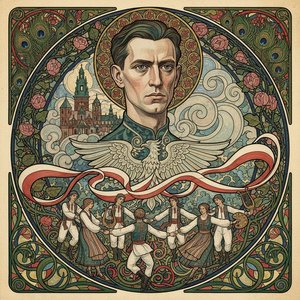
Stanisław Wyspiański: Symbolism, National Identity & the Polish Secession
Explore the life & work of Stanisław Wyspiański, a pivotal figure in Polish Symbolism and the Young Poland movement. Discover his iconic paintings, dramas, and stained glass designs reflecting national identity & artistic innovation.

The Soft Power of Pastel: A Connoisseur's Guide to History, Technique, and the Art of Texture
Explore the ethereal beauty of pastel art. From Renaissance origins to Impressionist mastery, discover the history, technique, and velvety textures that define this luminous medium in our expert guide for art connoisseurs.
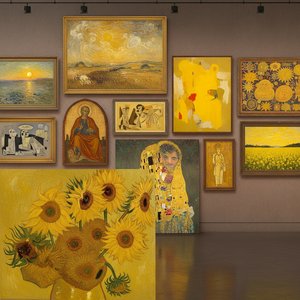
Top 10 Mesterværker i Kromgul: Kunst, Historie og Indretningsinspiration
Oplev top 10 berømte malerier domineret af kromgul! Fra Van Goghs solsikker til Monets impressionisme – udforsk kunsthistorien, farvernes betydning og find inspiration til din boligindretning. Køb museumskvalitets reproduktioner på OriginalUniqueArt.com.
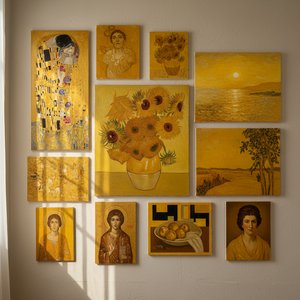
Top 10 Berømte Malerier Domineret af Okkergule Nuancer – Kunst og Indretning
Oplev de 10 mest berømte malerier domineret af okkergule nuancer! Fra Van Gogh til Monet – dyk ned i kunsthistorien og lær om teknikken bag disse tidløse mesterværker. Find din perfekte reproduktion på OriginalUniqueArt.com.

The Subtleties of Pastel: A Comprehensive Exploration of Technique, History & Emotional Resonance
Explore the captivating world of pastel art! Discover its rich history, Impressionistic masters like Degas, emotional power & unique techniques. Find museum-quality reproductions at OriginalUniqueArt.