Ungpolens sjæl: Livet og visionen hos Stanisław Wyspiański
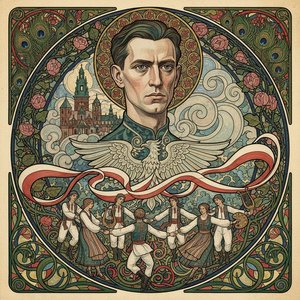
I Krakóws tågede, historiske hjerte trådte et enestående geni frem for at omdefinere det kulturelle landskab i en nation, der længtes efter identitet. Stanisław Wyspiański var ikke blot en maler; han var en polyhistor, en visionær, hvis kreative ånd pustede liv i Ungpolen-bevægelsen. Født i 1869, var hans korte, men glødende liv en virvelvind af kunstnerisk udforskning, der byggede bro mellem Art Nouveaus delikate æstetik og den polske symbolismes dybe, ofte turbulente lag. At studere Wyspiański er at være vidne til et menneske, der forsøgte at indfange selve essensen af en sjæl – både den individuelle og den nationale.
Hans udvikling som kunstner var dybt forankret i de rige, akademiske traditioner fra hans uddannelse, men han besad et medfødt oprør mod realismens stive begrænsninger. Hans værker begyndte at pulsere med en ny form for energi, der trak kraftigt på det polske landskabs levende folkemotiver og de indviklede, organiske linjer, som kendetegner secessionismen. Denne fusion skabte et visuelt sprog, der var unikt hans eget: en delikat balance mellem botanisk præcision og en hjemsøgende, metaforisk tyngde. Han så ikke verden blot som den fremstod, men som den føltes, og besjælede hvert kronblad og hvert portræt med en følelse af kosmisk betydning.
En mester af lys og symbolik
Wyspiańskis mesterskab strakte sig langt ud over lærredet og nåede helt ind i de hellige rums arkitektur. Han er måske mest berømt for sine betagende glasmosaikker, der transformerede lys til et medie for spirituel historiefortælling. I disse værker bliver farven i sig selv en karakter, hvor dybe blå nuancer og flammende ravtoner danser gennem glasset for at fremkalde temaer om martyrium, genfødsel og national udholdenhed. Hans evne til at manipulere lyset gjorde det muligt for ham at skabe omsluttende miljøer, hvor grænserne mellem den fysiske verden og det symbolske rige begyndte at opløses.
Udover hans billedkunst var hans litterære bidrag lige så monumentale. Som dramatiker og poet brugte han scenen til at væve komplekse gobeliner af polsk historie og mytologi. Hans mest berømte drama, Brylluppet, står som en hjørnesten i polsk litteratur – et mesterværk, der bruger en enkelt festnat til at dissekere de sociale og politiske angsttilstande i en nation under deling. Gennem sin skrivning udforskede han spændingen mellem tradition og modernitet, hvor han brugte symbolik til at kritisere intelligentsiaens træghed, mens han samtidig hyldede bondestandens rå og urokkelige ånd.
En visionærs eftermæle
Den historiske betydning af Stanisław Wyspiański ligger i hans rolle som kulturel arkitekt. Han skabte ikke blot kunst; han var med til at konstruere en visuel og litterær identitet for et folk, der søgte suverænitet. Hans indflydelse kan spores gennem flere centrale bedrifter:
- Integration af kunstformer: Han nedbrød barriererne mellem billedkunst, dekorativ kunst, litteratur og teater og skabte en forenet æstetisk oplevelse.
- National symbolik: Han ophøjede polske folkemotiver til højkunst og gjorde dem centrale for den moderne nationale bevidsthed.
- Art Nouveau-innovation: Hans brug af flydende, organiske linjer og ekspressive farvepaletter var med til at definere den polske udgave af Art Nouveau-bevægelsen.
- Vedvarende dramatisk indvirkning: Hans skuespil opføres fortsat over hele verden som dybsindige udforskninger af menneskelig psykologi og politisk kamp.
Selvom hans liv tragisk blev afbrudt i en alder af blot 38 år, er lyset fra hans værker forblevet uformindsket. Wyspiański efterlod sig en arv, der fortsat hjemsøger og inspirerer – et vidnesbyrd om kunstens kraft til at fungere som både et spejl for samfundet og et fyrtårn for dets fremtid. Hans arbejde forbliver en essentiel pilgrimsrejse for enhver, der søger at forstå det dybe krydsfelt mellem skønhed, tragedie og national identitet.
Spørgsmål og svar
Hvordan finder jeg værker af Stanisław Wyspiański i en specifik farvepalette?
Siden Efter farvepalet grupperer Stanisław Wyspiańskis kunstværker efter deres farvepaletter.
Kan jeg udforske Stanisław Wyspiańskis værker via nøgleord?
Udforsk Stanisław Wyspiańskis værker via nøgleord på kunstnerens Efter nøgleord-side, hvor hvert nøgleord samler de relaterede kunstværker.
Findes der en kronologisk gennemgang af Stanisław Wyspiański?
Kronologi for Stanisław Wyspiański er en rullevenlig tidslinje, der præsenterer kunstnerens værker i kronologisk rækkefølge, opdelt i kapitler efter karriereperioder.