

 Se i fuld skala
 Del
Del Del
Del
 Detaljer

 Download
 Lignende værker
 Røntgenundersøgelse
 Diasshow
Sankt Paulus
 Akryl på lærred
- Vægkunst
- Baroque Style
 1540
1540 133.0 x 64.0 cm
 Grão Vasco National Museum
 Se mere
Håndlavet oliereproduktion
Håndmalet olie på lærred i din valgte størrelse og ramme, udført efter bestilling af vores kunstnere. ( Skift til print Skift til billede)




P118B $10

P118H $10

P118W $10

P438Z $10

P508JH $12

P508YH $12

P805H $10

P805Z $10

P919BZ $10

P919G $10

P919XJ $10

P959ZH $10

P968JZ $12

W106C $8

W218G $10

W218JH $8

W218Y $10

W307PJ $10

W316G $10

W316PJ $8

W316Y $10

W398PJ $8

W4111J $10

W500HY $15

W500JH $15

W692G $12

W849H $8

W940BG $15

W953PJ $8




Vælg mellem vores forudindstillede størrelser, der matcher kunstværkets originale proportioner.

Du kan indtaste dine egne mål for at passe til en bestemt ramme eller plads. Hvis den valgte størrelse ikke stemmer overens med det originale billedes proportioner, vil vi enten beskære kunstværket eller udvide maleriet med yderligere håndmalede elementer. En digital skitse sendes til din godkendelse, før produktionen påbegyndes.
Bemærk venligst, at forhåndsvisningen på skærmen ikke afspejler den faktiske beskæring eller udvidelse. Kun skitsen vil nøjagtigt vise den endelige komposition.
Selvom specialmål er mulige, anbefaler vi at vælge en dimension fra den foruddefinerede liste for at bevare de originale proportioner.
Efter bestilling vil OriginalUniqueArt.com team sende en e-mail til kunden for at få instruktioner og levere et udkast til en skitse.
Levering i hele verden () på 3/4 uger i stedet for de standard 5 uger. (9 august). Ingen kompromiser med kvaliteten.

Gratis ekspresforsendelse til hele verden

Lærred af linned i høj kvalitet

Fuld transportforsikring

Garanti for refusion af told og importafgifter

Garanti for præcis farvegengivelse

60 dages returret (kun ved fabrikationsfejl)

100% Tilfredshedsgaranti

Mængderabat tilgængelig
 Glasmulighed er kun tilgængelig i størrelser under 110 cm

Sankt Paulus
Reproduktionsmetode
Størrelse på reproduktion
-


Samlet pris
$ 300
Beskrivelse af kunstværket
Gaspar Vaz de Caminha’s St. Paul – A Testament to Faith and Artistic Skill
Gaspar Vaz de Caminha’s “St. Paul” stands as a remarkable achievement of Brazilian Renaissance art, born from the confluence of religious fervor and humanist ideals prevalent during its creation in 1540. This captivating wood carving, currently housed within the New Hall Art Collection in Cambridge, England, transcends mere representation; it embodies a profound spiritual contemplation interwoven with masterful craftsmanship.Subject Matter and Composition
The artwork depicts Saint Paul, arguably one of Christianity’s most influential figures, portrayed in serene repose on what appears to be a hillside landscape – likely inspired by the mountainous terrain of India where Camininha served as secretary to Pedro Álvares Cabral's expedition. Paul is depicted holding a book, symbolizing knowledge and divine revelation, while two swords flank him, representing both spiritual combat and martyrdom—a poignant reminder of his unwavering dedication to spreading Christianity despite persecution. The careful positioning of these elements contributes significantly to the artwork’s compositional balance and conveys a sense of solemn dignity.Style and Technique – Renaissance Influence
“St. Paul” firmly establishes Camininha within the broader stylistic framework of the European Renaissance, specifically influenced by Florentine artistic traditions. The artist skillfully employs chiaroscuro—the dramatic interplay between light and shadow—to sculptively delineate Paul’s form and imbue the scene with depth and realism. The meticulous carving technique demonstrates a profound understanding of wood anatomy and allows for exceptional detail, capturing the textures of clothing and the subtle nuances of facial expression. Camininha's dedication to portraying human emotion is palpable, elevating this piece beyond a simple depiction of religious iconography.Historical Context – Cabral’s Voyage and Portuguese Expansion
Created during Pedro Álvares Cabral’s momentous voyage to India in 1500—a pivotal moment in Portuguese maritime history and colonial ambition—the artwork reflects the intellectual climate of its time. The Renaissance humanist movement championed reason and observation alongside faith, fostering a desire to represent human experience accurately. Camininha's artistic output was inextricably linked to this era’s exploration of spirituality and worldly concerns, mirroring the broader cultural dynamism of Portugal during the Age of Discovery.Symbolism – Faith, Martyrdom, and Divine Guidance
Beyond its visual beauty, “St. Paul” resonates with rich symbolic meaning. The book represents intellectual enlightenment and divine scripture—the cornerstone of Christian belief. Simultaneously, the swords symbolize spiritual warfare against evil and the courage to endure suffering for righteousness. Saint Paul’s stance atop the mountains signifies perseverance and steadfast faith in God's providence – a powerful visual metaphor that speaks to the enduring themes of spirituality and resilience.Emotional Impact – Reverence and Contemplation
Viewing Gaspar Vaz de Caminha’s “St. Paul” evokes a feeling of reverence and contemplative stillness. The artist’s masterful execution captures not only the physical likeness of Saint Paul but also his inner spirit—a testament to the transformative power of art to inspire emotion and provoke reflection. It serves as an enduring reminder of Portugal's artistic heritage and its engagement with the spiritual currents shaping European culture during the Renaissance.Kunstnerens biografi
early life and artistic pursuits
gaspar vaz de caminha, a knight by title, was born in 1540 in mogi das cruzes, brazil. his life took an intriguing turn when he accompanied pedro álvares cabral to india in 1500 as a secretary to the royal factory. this pivotal journey would later influence his artistic expressions.artistic contributions and notable works
gaspar vaz de caminha is best known for his masterpiece, christ at the home of martha and mary, created in 1540 using wood as his medium. this piece not only showcases his skill but also offers a glimpse into his spiritual inclinations.- medium: wood
- year: 1540
- location: india, during his tenure with pedro álvares cabral
museological significance and preservation
though the details of gaspar vaz de caminha's life are sparse, his artwork has been preserved and showcased in various museums. for instance, the new hall art collection (cambridge, united kingdom) is one such institution that has contributed to the conservation of art pieces like gaspar vaz de caminha’s.- museum: the new hall art collection
- location: cambridge, united kingdom
- notable collections: over 400 artworks from renowned artists
tragic end and lasting legacy
gaspar vaz de caminha’s life was cut short in a riot in calicut, india, at the end of 1501. despite his untimely demise, his artwork continues to inspire and intrigue art enthusiasts worldwide.- year of passing: 1501
- location of passing: calicut, india
- lasting impact: his artwork remains a testament to his skill and artistic vision
further exploration and resources
for more insights into gaspar vaz de caminha’s life and works, explore the following links: - [https://OriginalUniqueArt.com/@/gaspar-vaz-de-caminha](https://OriginalUniqueArt.com/@/gaspar-vaz-de-caminha) - a comprehensive overview of his artistic contributions. - /en/art/show/art-d3alr5-en/ - discover the new hall art collection, featuring gaspar vaz de caminha’s notable piece. delve into the enigmatic world of gaspar vaz de caminha and uncover the mysteries behind his timeless masterpieces.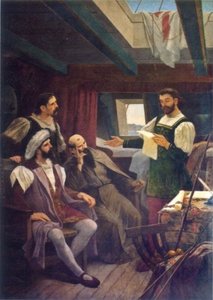
gaspar vaz de caminha
1540 - 1501 , Brazil
Kort om kunstneren
- Artistic Movement Or Style: Renaissance/Early Brazil
- Artists Or Movements Influenced By This Artist: ['']
- Artists Who Influenced This Artist: ['']
- Date Of Birth: 1540
- Date Of Death: 1501
- Full Name: Gaspar Vaz de Caminha
- Nationality: Brazilian
- Notable Artworks: ['Christ at the Home of Martha and Mary']
- Place Of Birth: Mogi das Cruzes, Brazil
Relaterede artikler
Detroit Institute of Arts' Top 25 Kunstværker: En Rejse Gennem Mesterværker & Historie | OriginalUniqueArt.com
Oplev Detroit Institute of Arts' 25 mest ikoniske kunstværker – fra Van Gogh til Monet. Lær historierne bag mesterværkerne og find inspiration til din boligindretning med OriginalUniqueArt.coms eksklusive reproduktioner. Udforsk samlingen online!
The Digital Portrait Renaissance: Transforming Personal Photography into Timeless Oil Paintings Through Artistic Reproduction
Transform your cherished photos into timeless oil paintings with OriginalUniqueArt's expert artists. Museum-quality reproductions & custom portraits, crafted to last a lifetime. Discover the art of personal legacy.
The Patron's Gaze: Art Collectors in Western Painting – A Renaissance to Modern History
Explore the fascinating history of art collectors in Western painting, from Renaissance patrons to modern museum founders. Discover how portraits revealed status, shaped artistic movements & built lasting legacies. Expert insights at OriginalUniqueArt.
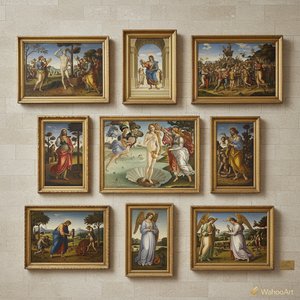
Renæssancens Mestre: Top 10 Kunstværker der Definerede en Epoke | OriginalUniqueArt.dk
Oplev renæssancens guldalder! Udforsk top 10 mesterværker fra Leonardo da Vinci, Michelangelo & Botticelli. Lær om kunsthistorie og find museumskvalitets reproduktioner til dit hjem på OriginalUniqueArt.com. Inspiration & dekoration.
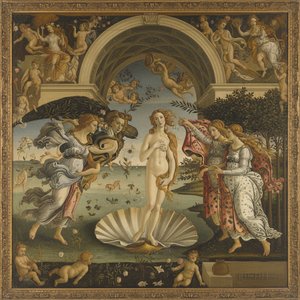
Botticellis 25 Mesterværker: Skønhed, Myter & Renæssancens Ånd | OriginalUniqueArt.dk
Oplev Sandro Botticellis 25 mest ikoniske malerier! Fordyb dig i renæssancens skønhed, mytologi og kunstnerisk genialitet. Find museumskvalitets reproduktioner & inspiration til din bolig på OriginalUniqueArt.com – udforsk samlingen online!


