
 Se i rummet
 Del som kort
 Del
Del
 Detaljer
 Guide
Guide

 Download
 Lignende værker
 Røntgenundersøgelse
 Diasshow
 Spørgsmål og svar
 Statistikker
Sankt Paulus

- 133.0 x 64.0 cm


 Vis mere
Giclée / Kunsttryk
Giclée- eller lærredstryk i museumskvalitet med hurtig produktion og fleksible muligheder for finish. ( Køb håndmalet maleri Skift til digitalt billede)




P118B Dkr10

P118H Dkr10

P118W Dkr10

P438Z Dkr10

P508JH Dkr12

P508YH Dkr12

P805H Dkr10

P805Z Dkr10

P919BZ Dkr10

P919G Dkr10

P919XJ Dkr10

P959ZH Dkr10

P968JZ Dkr12

W106C Dkr8

W218G Dkr10

W218JH Dkr8

W218Y Dkr10

W307PJ Dkr10

W316G Dkr10

W316PJ Dkr8

W316Y Dkr10

W398PJ Dkr8

W4111J Dkr10

W500HY Dkr15

W500JH Dkr15

W692G Dkr12

W849H Dkr8

W940BG Dkr15

W953PJ Dkr8




Vælg mellem vores forudindstillede størrelser, der matcher kunstværkets originale proportioner.

Indtast den bredde og højde, du har brug for, så det passer til din ramme eller din væg. Et print kan kun beskæres, aldrig gøres større end selve billedet, så en størrelse med et andet format vil medføre, at dele af motivet går tabt. Vi sender dig en digital mockup til godkendelse, før vi printer noget. Billedet vist på denne side viser ikke den faktiske beskæring — det er kun mockuppen, der gør.
Verdensomspændende levering () på 2 uger i stedet for de sædvanlige 4/5 uger. (4 november)

Gratis ekspresforsendelse til hele verden

Lærred af linned i høj kvalitet

Fuld transportforsikring

Garanti for refusion af told og importafgifter

Garanti for præcis farvegengivelse

100 dages returret ved fabrikationsfejl

100% fuld returret

Mængderabat ved flere køb
 Glasmulighed er kun tilgængelig i størrelser under 110 cm

Sankt Paulus
Giclée / Kunsttryk
Størrelse på reproduktion
-


Samlet pris
Dkr 538
Gaspar Vaz de Caminha’s St. Paul – A Testament to Faith and Artistic Skill
Gaspar Vaz de Caminha’s “St. Paul” stands as a remarkable achievement of Brazilian Renaissance art, born from the confluence of religious fervor and humanist ideals prevalent during its creation in 1540. This captivating wood carving, currently housed within the New Hall Art Collection in Cambridge, England, transcends mere representation; it embodies a profound spiritual contemplation interwoven with masterful craftsmanship.Subject Matter and Composition
The artwork depicts Saint Paul, arguably one of Christianity’s most influential figures, portrayed in serene repose on what appears to be a hillside landscape – likely inspired by the mountainous terrain of India where Camininha served as secretary to Pedro Álvares Cabral's expedition. Paul is depicted holding a book, symbolizing knowledge and divine revelation, while two swords flank him, representing both spiritual combat and martyrdom—a poignant reminder of his unwavering dedication to spreading Christianity despite persecution. The careful positioning of these elements contributes significantly to the artwork’s compositional balance and conveys a sense of solemn dignity.Style and Technique – Renaissance Influence
“St. Paul” firmly establishes Camininha within the broader stylistic framework of the European Renaissance, specifically influenced by Florentine artistic traditions. The artist skillfully employs chiaroscuro—the dramatic interplay between light and shadow—to sculptively delineate Paul’s form and imbue the scene with depth and realism. The meticulous carving technique demonstrates a profound understanding of wood anatomy and allows for exceptional detail, capturing the textures of clothing and the subtle nuances of facial expression. Camininha's dedication to portraying human emotion is palpable, elevating this piece beyond a simple depiction of religious iconography.Historical Context – Cabral’s Voyage and Portuguese Expansion
Created during Pedro Álvares Cabral’s momentous voyage to India in 1500—a pivotal moment in Portuguese maritime history and colonial ambition—the artwork reflects the intellectual climate of its time. The Renaissance humanist movement championed reason and observation alongside faith, fostering a desire to represent human experience accurately. Camininha's artistic output was inextricably linked to this era’s exploration of spirituality and worldly concerns, mirroring the broader cultural dynamism of Portugal during the Age of Discovery.Symbolism – Faith, Martyrdom, and Divine Guidance
Beyond its visual beauty, “St. Paul” resonates with rich symbolic meaning. The book represents intellectual enlightenment and divine scripture—the cornerstone of Christian belief. Simultaneously, the swords symbolize spiritual warfare against evil and the courage to endure suffering for righteousness. Saint Paul’s stance atop the mountains signifies perseverance and steadfast faith in God's providence – a powerful visual metaphor that speaks to the enduring themes of spirituality and resilience.Emotional Impact – Reverence and Contemplation
Viewing Gaspar Vaz de Caminha’s “St. Paul” evokes a feeling of reverence and contemplative stillness. The artist’s masterful execution captures not only the physical likeness of Saint Paul but also his inner spirit—a testament to the transformative power of art to inspire emotion and provoke reflection. It serves as an enduring reminder of Portugal's artistic heritage and its engagement with the spiritual currents shaping European culture during the Renaissance.Spørgsmål og svar
Hvilken farve træder mest frem i "Sankt Paulus"?
Den farve, der træder tydeligst frem i "Sankt Paulus", er Ftalogrøn (#191913). Den dominerende farve er nyttig, når man skal matche et kunstværk med en indretning.
Hvem er ophavsmanden til "Sankt Paulus", og hvilken kunstretning tilhører værket?
Bag "Sankt Paulus" står Gaspar Vaz De Caminha og Baroque Style-bevægelsen.
Er "Sankt Paulus" overordnet set mest lys eller mørk?
"Sankt Paulus" af Gaspar Vaz De Caminha er registreret med en lysstyrke på dyb skygge og en luminans på Mørkeste.
Kunstnerbiografi
tidligt liv og kunstneriske bestræbelser
Gaspar Vaz De Caminha, en mand med ridderens titel, blev født i 1540 i Mogi das Cruzes, Brasilien. Hans liv tog en fascinerende drejning, da han i år 1500 ledsagede Pedro Álvares Cabral til Indien i rollen som sekretær for den kongelige fabrik. Denne skelsættende rejse skulle senere præge hans kunstneriske udtryk dybt og give hans værker en unik, global resonans.kunstneriske bidrag og bemærkelsesværende værker
Gaspar Vaz De Caminha er bedst kendt for sit mesterværk, Kristus i Martha og Marias hjem, skabt i 1540 med træ som sit primære medie. Dette værk fremviser ikke blot hans tekniske kunnen, men tilbyder også et sjældent indblik i hans spirituelle overbevisning og religiøse hengivenhed.- medium: træ
- år: 1540
- lokation: Indien, under hans tjeneste hos Pedro Álvares Cabral
museologisk betydning og bevarelse
Selvom detaljerne om Gaspar Vaz De Caminhas liv er sparsomme, er hans kunstværker blevet bevaret og udstillet på forskellige museer. For eksempel er The New Hall Art Collection (Cambridge, Storbritannien) en af de institutioner, der har bidraget væsentligt til konserveringen af kunstværker som Gaspar Vaz De Caminhas.- museum: The New Hall Art Collection
- lokation: Cambridge, Storbritannien
- bemærkelsesværdige samlinger: over 400 kunstværker fra anerkendte kunstnere
tragisk afslutning og varig arv
Gaspar Vaz De Caminhas liv blev brutalt afbrudt under et oprør i Calicut, Indien, ved slutningen af 1501. På trods af hans for tidlige død fortsætter hans kunst med at inspirere og fascinere kunstelskere over hele verden.- dødsår: 1501
- dødssted: Calicut, Indien
- varig betydning: hans kunstværker står som et vidnesbyrd om hans dygtighed og kunstneriske vision
yderligere udforskning og ressourcer
For at få en dybere indsigt i Gaspar Vaz De Caminhas liv og værker, kan du udforske følgende links: - [https://OriginalUniqueArt.com/@/gaspar-vaz-de-caminha](https://OriginalUniqueArt.com/@/gaspar-vaz-de-caminha) - et omfattende overblik over hans kunstneriske bidrag. - /en/art/show/art-d3alr5-en/ - opdag The New Hall Art Collection, som rummer Gaspar Vaz De Caminhas bemærkelsesværdige værk. Dyk ned i den gådefulde verden hos Gaspar Vaz De Caminha og afdæk mysterierne bag hans tidløse mesterværker.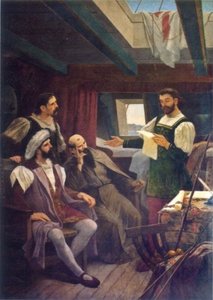
Gaspar Vaz De Caminha
1540 - 1501 , Brasilien
Kort om kunstneren
- Artistic Movement Or Style: Renæssance/Tidlig Brasilien
- Date Of Birth: 1540
- Date Of Death: 1501
- Full Name: Gaspar Vaz de Caminha
- Nationality: Brasiliansk
- Notable Artworks: ['Kristus i Martha og Marias hjem']
- Place Of Birth: Mogi das Cruzes, Brasilien
Relaterede artikler

Paul Cézannes 25 Mesterværker: En Kunstnerisk Rejse til Moderne Malerkunst | OriginalUniqueArt.dk
Oplev Paul Cézannes 25 mest ikoniske malerier – fra stilleben til landskaber. Lær om impressionismen, hans unikke stil og køb eksklusive kunsttryk på OriginalUniqueArt.dk. Find inspiration til din indretning!

Top 10 Bronzemesterværker: Kunsthistorien Ændret for Evigt | OriginalUniqueArt.dk
Oplev de 10 mest legendariske bronzemesterværker, der har formet kunsthistorien! Fra Rodin til Degas – lær historierne bag ikoniske skulpturer og find inspiration til din indretning. Køb museumskvalitets reproduktioner på OriginalUniqueArt.com.

Paul Klees 25 Mesterværker: En Kunstnerisk Rejse | OriginalUniqueArt.dk
Oplev Paul Klees 25 mest ikoniske malerier! Dyk ned i en verden af abstrakt kunst, ekspressionisme og farverig kreativitet. Find inspiration til din boligindretning & køb museumskvalitets reproduktioner på OriginalUniqueArt.com.

Bronzeskulpturers Mestre: 10 Værker der Ændrede Kunsthistorien | OriginalUniqueArt
Oplev de 10 mest legendariske bronzeskulpturer, der har formet kunsthistorien! Fra Rodin til Vigeland – lær historierne bag mesterværkerne og find inspiration til din indretning. Køb museumskvalitets reproduktioner på OriginalUniqueArt.com.

The Enduring Form: Exploring Themes & Techniques in Sculpture Across Historical Periods
Explore the rich history of sculpture from ancient masterpieces to contemporary innovations. Discover key techniques, influential artists & investment potential for discerning art collectors.
