Se i rummet
 Del som kort
 Del
Del
 Detaljer
 Guide
Guide

 Download
 Lignende værker
 Røntgenundersøgelse
 Diasshow
 Spørgsmål og svar
 Statistikker
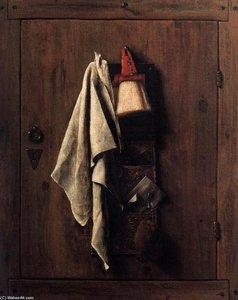
Old Man Looking Through a Window


 Vis mere
Giclée / Kunsttryk
Giclée- eller lærredstryk i museumskvalitet med hurtig produktion og fleksible muligheder for finish. ( Køb håndmalet maleri Skift til digitalt billede)




P118B Dkr10

P118H Dkr10

P118W Dkr10

P438Z Dkr10

P508JH Dkr12

P508YH Dkr12

P805H Dkr10

P805Z Dkr10

P919BZ Dkr10

P919G Dkr10

P919XJ Dkr10

P959ZH Dkr10

P968JZ Dkr12

W106C Dkr8

W218G Dkr10

W218JH Dkr8

W218Y Dkr10

W307PJ Dkr10

W316G Dkr10

W316PJ Dkr8

W316Y Dkr10

W398PJ Dkr8

W4111J Dkr10

W500HY Dkr15

W500JH Dkr15

W692G Dkr12

W849H Dkr8

W940BG Dkr15

W953PJ Dkr8




Vælg mellem vores forudindstillede størrelser, der matcher kunstværkets originale proportioner.

Indtast den bredde og højde, du har brug for, så det passer til din ramme eller din væg. Et print kan kun beskæres, aldrig gøres større end selve billedet, så en størrelse med et andet format vil medføre, at dele af motivet går tabt. Vi sender dig en digital mockup til godkendelse, før vi printer noget. Billedet vist på denne side viser ikke den faktiske beskæring — det er kun mockuppen, der gør.
Verdensomspændende levering () på 2 uger i stedet for de sædvanlige 4/5 uger. (9 november)

Gratis ekspresforsendelse til hele verden

Lærred af linned i høj kvalitet

Fuld transportforsikring

Garanti for refusion af told og importafgifter

Garanti for præcis farvegengivelse

100 dages returret ved fabrikationsfejl

100% fuld returret

Mængderabat ved flere køb
 Glasmulighed er kun tilgængelig i størrelser under 110 cm

Old Man Looking Through a Window
Giclée / Kunsttryk
Størrelse på reproduktion
-


Samlet pris
Dkr 540
A Window Into Eternity: The Melancholy Mastery of Van Hoogstraten
In the quiet, shadowed corners of the Dutch Golden Age, few artists possessed the intellectual depth and technical wizardry of Samuel Dirksz van Hoogstraten. His 1653 masterpiece, "Old Man Looking Through a Window," is far more than a mere portrait; it is a profound psychological journey captured in oil. As we gaze upon the weathered face of the subject, we are not just observing an elderly man, but participating in a carefully orchestrated meditation on time, isolation, and the very nature of perception. The painting serves as a threshold between the viewer’s world and a private, somber reality, inviting us to contemplate the fleeting essence of human existence through the lens of Baroque theatricality.
The composition is anchored by a sense of profound confinement. The subject, positioned centrally, peers through the iron bars of a window, his expression etched with a quiet, lingering sadness. This structural element—the window frame—acts as both a physical barrier and a symbolic gateway. Through Van Hoostraten’s expert use of trompe-l'œil, the boundaries between the canvas and reality begin to blur. The artist invites us into a space where the stone carving of the window frame feels tangible, almost heavy with the weight of history, creating an immersive experience that has captivated collectors and art enthusiasts for centuries.
The Alchemy of Light and Shadow
To understand the emotional gravity of this work, one must look to the artist's masterful command of chiaroscuro. Drawing from the profound influence of his mentor, Rembrandt, Van Hoogstraten employs dramatic contrasts between deep, velvety shadows and piercing highlights to sculpt the man’s features. This technique does not merely illuminate the subject; it breathes life into his very soul. The light catches the subtle textures of his beard and the weary creases around his eyes, revealing a narrative of lived experience, hardship, and reflection. Every brushstroke is executed with the precision of a stone carver, rendering the materiality of the scene—from the cold metal of the bars to the soft, aged skin of the man—with astonishing realism.
For the discerning interior designer or collector, this painting offers an unparalleled sense of gravitas. The interplay of light and dark creates a dynamic energy that can anchor a room, providing a focal point that demands contemplation. It is a piece that does not merely decorate a wall but transforms an environment, infusing it with a sense of historical depth and intellectual curiosity. Whether placed in a sunlit gallery or a moody, library-style study, the painting’s ability to manipulate atmosphere makes it a timeless choice for those seeking art that speaks to the complexities of the human condition.
A Legacy of Illusion and Intellect
Beyond its visual splendor, "Old Man Looking Through a Window" stands as a testament to the philosophical currents of seventeenth-century Europe. Van Hoogstraten was not only a painter but a poet and an art theorist who sought to dissect reality itself. This painting is a manifestation of that scientific and artistic inquiry—a study in how light defines form and how perspective shapes our understanding of truth. The subtle gradations of color and the meticulous attention to texture serve as a bridge between the tangible world and the ephemeral nature of thought.
Owning a high-quality reproduction of this work allows one to bring this piece of Dutch heritage into the modern home. It offers an opportunity to surround oneself with the brilliance of the Baroque era, providing daily inspiration through its masterful execution and hauntingly beautiful subject matter. In every detail, from the heavy stone textures to the melancholic gaze of the old man, lies a story of endurance and the eternal search for meaning through the windows of our own perception.
Spørgsmål og svar
Er "Old Man Looking Through a Window" af Samuel van Hoogstraten i det offentlige domæne, og hvorfor?
Ophavsretsstatus for "Old Man Looking Through a Window" – i det offentlige domæne – ophavsretten er udløbet – følger af kunstnerens død i 1678.
Hvornår er "Old Man Looking Through a Window" af Samuel van Hoogstraten skabt?
"Old Man Looking Through a Window" af Samuel van Hoogstraten blev skabt i 1653.
Fra hvilket land stammer Baroque Illusion Intellect-værket "Old Man Looking Through a Window"?
Det Baroque Illusion Intellect værk "Old Man Looking Through a Window" blev skabt af en kunstner født i Holland.
Kunstnerbiografi
Samuel Dirksz van Hoogstraten (1627-1678): Et Geni i Det Hollandske Guldalder
Samuel Dirksz van Hoogstraten, et navn der runger af opfindsomhed og intellekt i det hollandske guldalder, var langt mere end blot en maler. Født i Dordrecht i 1627 og død der samme sted i 1678, indkapslede han æraens ånd med dens nysgerrighed, kunstneriske innovation og voksende handelsmagt. Han optog sig ikke blot af at gengive virkeligheden på lærredet; han dekonstruerede den, udforskede perceptionen og undersøgte selve repræsentationens natur. Van Hoogstraten skilte sig ud ikke kun ved sin dygtige penseltræk, men også som digter og en dybtgående kunstteoretiker, efterlod han et arv der strækker sig ud over det visuelle domæne ind i sfæren af ideer. Hans rejse begyndte inden for familiens værksted, hvor hans far, Dirk van Hoogstraten, lærte ham de grundlæggende principper for kunst, før han begav sig til Amsterdam – hjertet af holstensk kunst i det 17. århundrede. Det var der, han trådte ind i Rembrandt van Rijn’s ansete værksted, en oplevelse der uomgængeligt formede hans tidlige stil og tilgang til lys og skygge.
Fra Rembrandts Skygge til En Uafhængig Vision
Rembrandts indflydelse er ubestrideligt til stede i Van Hoogstratens tidlige værker. Et portræt fra 1645, nu bevaret i Liechtenstein-samlingen i Wien, tjener som et klart vidnesbyrd om denne lærerskab. I modsætning til mange studerende, der forblev bundet af deres mesters stil, besad Van Hoogstraten en uudholdelig længsel efter eksperimentering og en rastløs ånd, der drev ham ud over imitation. Han var ikke tilfreds med blot at kopiere Rembrandts chiaroscuro; han søgte at dekonstruere det, analysere dets virkninger og ultimativt forme sin egen unikke kunstneriske stemme. Denne stræben førte ham på omfattende rejser gennem Europa – til Wien, Rom og London – hvor han blev udsat for forskellige kunstneriske traditioner og stimulerede hans intellektuelle vækst. Disse ture var ikke blot sightseeing-ekspeeditioner; de var dybtgående studier i arkitektur, perspektiv og den gældende æstetiske smag i hver lokation. Efter hjemkomsten til Dordrecht giftede han sig i 1656 og overtog en borgerlig rolle som provost for minten, hvilket demonstrerede hans mangefacetterede talent ud over det kunstneriske område.
Trompe-l’œil, Perspektivskabe og Kunsten at Bedrage
Van Hoogstratens kunstneriske dygtighed blomstrede virkelig i hans mesterskab for trompe-l’œil – en teknik der oversættes til “narre øjet”. Hans stillbilleder var ikke blot arrangementer af objekter; de var omhyggeligt udformede illusioner designet til at udviske grænserne mellem virkelighed og repræsentation. Han indgydede tilsyneladende tilfældige samlinger med dybere symbolsk betydning, inviterede seerne til at reflektere over livets forgængelighed og den bedragerske appel af materielle ejeressager. Samtidig blev han kendt for at skabe “peepshows” eller “perspektivskabe” – opfindsomme enheder, der tilbød fordybende tredimensionelle syn ind i miniature verdener. Et sådant skab, nu bevaret på National Gallery i London, gengiver interiøret i et typisk hollandsk hus med bemærkelsesværdig realisme, når det betragtes gennem strategisk placerede peepholes. Disse var ikke blot nørder; de var sofistikerede udforskninger af perspektiv og rumlig illusion, der demonstrerede Van Hoogstratens dybe forståelse for, hvordan øjet opfatter dybde og dimension.
En Teoretikers Arv: ‘Inleyding tot de hooge schoole der schilderkonst’
Alligevel udvider Samuel van Hoogstratens bidrag sig langt ud over hans malerier og perspektivskabe. Han var en dedikeret kunstteoretiker, der søgte at kodeificere principperne for maleri i sin magnum opus, *Inleyding tot de hooge schoole der schilderkonst: anders de zichtbaere werelt* (Introduktion til den Høje Skole af Maling, eller Den Synlige Verden), udgivet i 1678. Denne ambitiøse traktat står som en af de mest omfattende og intellektuelt rigoristiske udforskninger af kunstteori produceret i det hollandske republik i det 17. århundrede. Van Hoogstraten dykkede ned i spørgsmål om billedlig overbevisning, illusionisme, kunstnerens moralske ansvar og forholdet mellem maleri og filosofi, idet han trak på en bred vifte af gamle og moderne kilder. Han byggede videre på de fundamenter, der var lagt af Karel van Mander i hans tidligere værk, *Het Schilder-Boeck*, idet han søgte at skabe et systematisk rammeværk for at forstå og praktisere kunsten at male. Hans skrifter afspejler både internationale indflydelser fra hans rejser og nutidige debatter inden for holstenske kunstneriske kredse. Det var denne dedikation til at artikulere principperne bag hans håndværk, der cementerede hans plads som en central figur i kunsthistorien.
Et Varigt Indflydelse
Van Hoogstratens indflydelse resonerede gennem efterfølgende generationer af kunstnere, især gennem sine elever – herunder hans bror Jan van Hoogstraten, Aert de Gelder, Cornelis van der Meulen og Godfried Schalcken. Hans arv er yderligere bevaret i skrifterne fra Arnold Houbraken, en af hans elever, der skrev en biografi om kunstneren, der tjener som en primær kilde til information om hans liv og arbejde. Samuel Dirksz van Hoogstraten var ikke blot en maler; han var en polymat – en kunstner, digter, teoretiker og administrator – der indkapslede det intellektuelle turbulens i det hollandske guldalder. Hans innovative teknikker, dybe indsigter i perception og dedikation til at artikulere principperne for kunst fortsætter med at fange og inspirere publikum i dag, hvilket cementerer hans position som en mester af illusion og intellekt, hvis arbejde transcenderer tid.

Samuel van Hoogstraten
1627 - 1678 , Holland
Kort om kunstneren
- Artistic Movement Or Style: Hollandsk guldalder
- Artists Or Movements Influenced By This Artist:
- Aert de Gelder
- Cornelis van der Meulen
- Artists Who Influenced This Artist:
- Rembrandt
- Dirk van Hoogstraten
- Date Of Birth: 2 aug. 1627
- Date Of Death: 19 okt. 1678
- Full Name: Samuel Dirksz van Hoogstraten
- Nationality: Hollandsk
- Notable Artworks:
- Vindue med mand
- Kvinde der læser
- Byudsigt
- Place Of Birth: Dordrecht, Holland
Relaterede artikler

Hollandske Mestre: Top 10 Værker fra Guldalderen – Kunst til Dit Hjem
Oplev de 10 mest ikoniske værker fra den hollandske guldalder! Rembrandt, Vermeer og andre mestre afsløres. Find inspiration til dit hjem & køb museumskvalitets kunsttryk på OriginalUniqueArt.com.

Golden Light & Dutch Skies: The Timeless Magic of Dutch Golden Age Landscapes
Discover the breathtaking beauty of Dutch Golden Age landscapes. Explore the mastery of light, chiaroscuro, and 17th-century realism through an expert art history lens, celebrating the enduring legacy of the Dutch Masters for discerning collectors and art lovers.

Chiaroscuro and Character: A Definitive Guide to Light and Shadow in the Dutch Baroque Era
Explore the dramatic mastery of the Dutch Baroque era. Discover how masters like Rembrandt used chiaroscuro to transform everyday life into timeless art. An expert guide for collectors and enthusiasts seeking to understand the profound interplay of light and shadow.

Chiaroscuro and Character: A Masterclass in Light and Shadow within Dutch Golden Age Painting
Explore the profound mastery of light and shadow in Dutch Golden Age painting. From chiaroscuro to atmospheric landscapes, discover the techniques that defined an era and learn how to bring these timeless masterpieces into your home through museum-quality oil reproductions.

Golden Age Reflections: Dutch Baroque Painting & Cultural Innovation
Explore the Dutch Golden Age of painting! Discover key artists like Vermeer & ter Borch, their innovative techniques, and the rich cultural context behind these Baroque masterpieces. Learn about collecting & appreciating this iconic art period.